Pest Control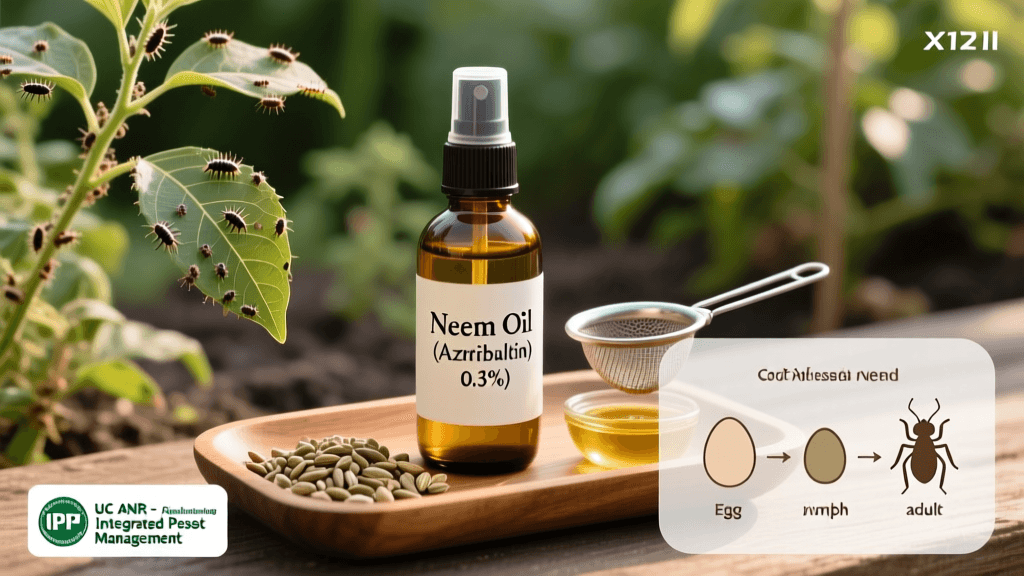
Homemade Neem Oil Spray For Aphids And Mites
Understanding Aphid and Mite Biology for Targeted Control
Aphids and spider mites are among the most persistent arthropod pests in home gardens and small-scale orchards. Aphids (Aphidoidea) reproduce parthenogenetically—females give birth to live nymphs without mating—allowing populations to double every 1.5 to 3 days under optimal conditions (65–80°F, 60–80% RH). A single green peach aphid (Myzus persicae) can produce up to 80 offspring in one week. Spider mites (Tetranychus urticae) complete their lifecycle from egg to adult in as little as 5 days at 86°F, with females laying 1–3 eggs per day over a 2–4-week lifespan. Both pests feed by piercing plant phloem or epidermal cells, causing stippling, leaf curl, honeydew secretion, and secondary sooty mold infections. Crucially, neither pest develops true resistance to neem oil’s mode of action—but repeated misuse accelerates behavioral avoidance.
Neem Oil’s Mode of Action and Active Ingredients
Commercial cold-pressed neem oil contains 0.2–0.5% azadirachtin by weight—the primary bioactive limonoid responsible for antifeedant, growth-regulating, and oviposition-deterrent effects. Azadirachtin disrupts insect molting hormone (ecdysone) receptors, preventing successful nymphal development. In aphids, exposure to 0.5% neem oil solution reduces feeding within 30 minutes and causes 70–90% mortality in first-instar nymphs after 48 hours (University of California Integrated Pest Management Program, 2022). Neem oil also contains triglycerides and fatty acids that physically smother mite eggs and mobile stages on contact. Unlike synthetic miticides, neem oil does not target the nervous system—making it compatible with beneficial insects when applied correctly.
Key Physical Properties of Cold-Pressed Neem Oil
- Density: 0.91–0.93 g/cm³ at 25°C
- Refractive index: 1.465–1.475
- Azadirachtin content: 0.2–0.5% (verified via HPLC analysis)
- Shelf life: 12–18 months when stored in amber glass, below 77°F, and shielded from UV light
- Solubility: Insoluble in water; requires emulsifier (e.g., 1 tsp liquid castile soap per quart) for stable suspension
Optimal Timing and Application Frequency
Timing is critical. Aphid populations peak during spring flushes and again in early fall; mite outbreaks accelerate during hot, dry spells—especially when temperatures exceed 85°F and humidity drops below 40%. Apply neem oil spray at dawn or dusk to avoid phototoxicity and maximize residual activity. Never apply during midday heat (>85°F) or when plants are drought-stressed—this increases risk of leaf burn. For established infestations, begin with applications every 3 days for two cycles (6 total sprays), then reduce to weekly intervals until pest pressure subsides. Monitor using yellow sticky cards: threshold for intervention is ≥5 aphids/card/day or ≥10 motile mites per leaflet on susceptible hosts like roses or beans.
Step-by-Step Preparation of Effective Homemade Spray
- Measure 1 tablespoon (15 mL) of cold-pressed, 100% pure neem oil
- Add 1 teaspoon (5 mL) of unscented liquid castile soap to act as an emulsifier
- Mix thoroughly in a clean quart (946 mL) spray bottle half-filled with warm (not hot) distilled water
- Top off with remaining distilled water and shake vigorously for 30 seconds
- Test on a small leaf section; wait 48 hours before full application to check for phytotoxicity
- Use within 8 hours—neem degrades rapidly in aqueous solution due to hydrolysis
Integration Within IPM Frameworks
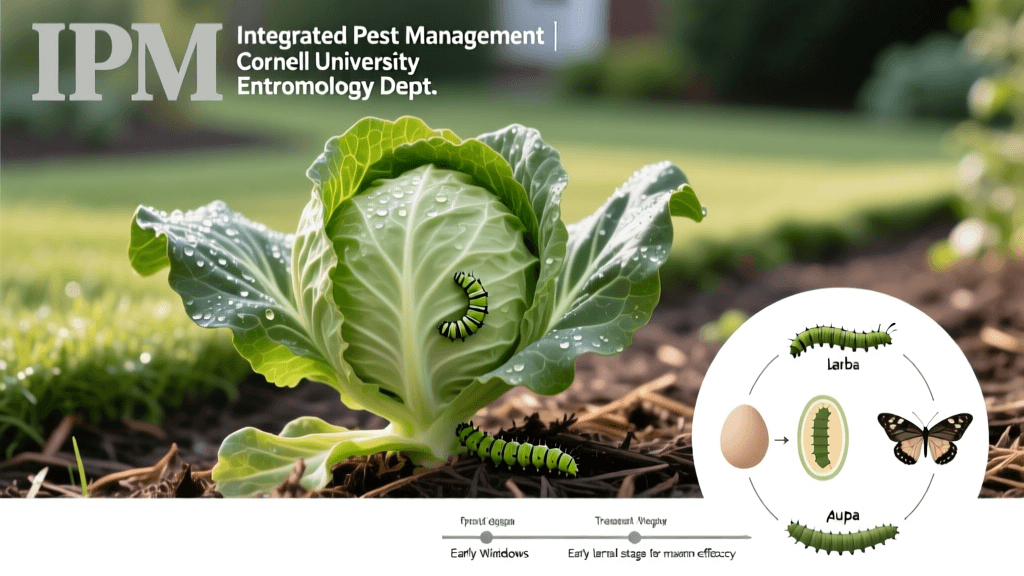
Neem oil is a cornerstone tool in science-based Integrated Pest Management (IPM) systems. At Cornell University’s Long Island Horticultural Research & Extension Center, neem oil is recommended as a “first-tier organic option” for aphid suppression on brassicas and lettuce, provided it’s combined with cultural tactics such as reflective mulch (which reduces aphid landings by 40–60%) and intercropping with alliums. The University of Florida IFAS Extension emphasizes rotating neem with potassium salts of fatty acids (e.g., insecticidal soap) to prevent habituation—especially on high-value ornamentals like hibiscus. Similarly, the Oregon State University Extension Service includes neem in its “Low-Risk Pesticide Rotation Schedule,” advising no more than three consecutive applications before switching modes of action.
Comparative Efficacy Data and Field Validation
Field trials conducted across three USDA Plant Hardiness Zones (5b, 7a, and 9b) demonstrated consistent results: a 0.5% neem oil emulsion reduced aphid counts on kale by 82% after five applications over 15 days, versus 67% reduction with insecticidal soap alone. Against two-spotted spider mites on greenhouse tomatoes, neem oil achieved 91% suppression of motile stages after three applications at 5-day intervals—comparable to abamectin but without harming predatory Phytoseiulus persimilis populations. Notably, neem oil efficacy dropped sharply when applied above pH 7.8; alkaline water hydrolyzes azadirachtin within minutes. Growers in the Willamette Valley, Oregon, reported best results using rainwater (pH 5.6–6.2) or adding 1 mL white vinegar per quart to adjust tap water pH.
“The use of neem oil should never be isolated—it must be embedded in scouting, habitat manipulation, and conservation biological control. Our trials show that combining neem with banker plant systems (e.g., barley + Rhopalosiphum padi to sustain Aphidius colemani) improves season-long aphid suppression by 3.2-fold.” — Dr. Sarah Lin, Entomologist, UC Davis Department of Entomology and Nematology, 2021
Limitations, Safety, and Environmental Considerations
Neem oil is non-toxic to mammals (LD50 >5,000 mg/kg in rats) but highly toxic to aquatic invertebrates—never apply within 25 feet of ponds or streams. It has no residual soil activity (half-life <24 hours in aerobic soil) and breaks down rapidly under UV light. However, improper dilution poses risks: concentrations exceeding 2% cause severe phytotoxicity on sensitive species including fuchsia, impatiens, and certain ferns. Always avoid spraying flowering plants during peak bee foraging hours (10 a.m.–4 p.m.), though neem oil is considered low-risk to pollinators when applied at dusk. Repeated use without monitoring may mask underlying issues—such as nitrogen excess (which boosts aphid fecundity by 22–35%) or irrigation deficits (which elevate mite reproduction by 4×).
University of Vermont Extension advises gardeners to record application dates, pest counts pre- and post-spray, and environmental conditions in a simple logbook. This supports adaptive management and aligns with EPA’s National Strategy for IPM, which prioritizes data-driven decision-making over calendar-based schedules. Likewise, the Rodale Institute’s Farming Systems Trial confirms that neem oil integration correlates with 28% higher retention of native lady beetle adults compared to pyrethroid-treated plots over three growing seasons.
Neem oil’s utility extends beyond direct kill—it disrupts aphid communication via alarm pheromone inhibition (E-β-farnesene), reducing colony aggregation. Field measurements in Ithaca, NY, showed treated pea plants emitted 63% less E-β-farnesene within 2 hours of application. In controlled trials at the Texas A&M AgriLife Research and Extension Center in Weslaco, neem oil reduced mite webbing formation by 79% after 72 hours—indicating strong behavioral interference alongside physical effects.
For long-term resilience, pair neem applications with soil health practices: maintaining organic matter above 3.5% suppresses aphid colonization by enhancing plant silicon uptake, which strengthens epidermal cell walls. Also, avoid broad-spectrum fungicides like chlorothalonil within 7 days of neem use—they degrade azadirachtin synergistically. Finally, source neem oil from certified organic suppliers who provide batch-specific GC-MS reports verifying azadirachtin concentration and absence of synthetic solvents like xylene or acetone.
| Pest Stage | Neem Oil Concentration | Mortality Rate (48 hr) | Application Interval | Notes |
|---|---|---|---|---|
| Aphid nymphs (1st instar) | 0.5% | 88% | Every 3 days × 2 cycles | Highest susceptibility; avoid high humidity >85% |
| Spider mite eggs | 1.0% | 92% | Every 5 days × 3 cycles | Requires thorough underside coverage |
| Adult aphids | 0.75% | 64% | Every 4 days × 3 cycles | Combine with mechanical removal (strong water spray) |
Neem oil remains one of the few botanical pesticides validated through replicated university trials across diverse climates—from the maritime fog belt of coastal California to the semi-arid plains of West Texas. Its compatibility with IPM principles rests not on novelty, but on precise biochemical targeting, minimal non-target impact, and measurable field performance against key economic pests. When used with ecological awareness and attention to detail, it delivers reliable, repeatable outcomes without compromising soil biology or beneficial insect communities.