Home & Garden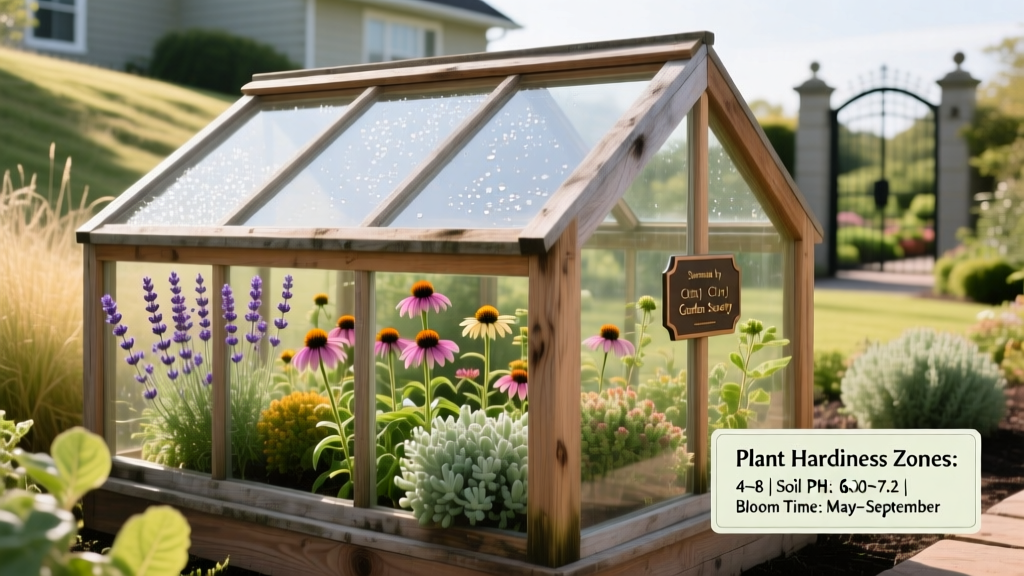
How To Build A Cold Frame For Year Round Growing
Getting Started with Cold Frame Gardening
A cold frame is a simple, low-cost structure that home gardeners can build to stretch the growing season. It gives seedlings a head start in spring by shielding them from late frosts, and keeps hardy greens going well into winter. It doesn’t need heat — just sunlight passing through a transparent lid, warming the soil and air inside, while insulated walls hold onto that warmth overnight. Inside, temperatures often run 10°F to 20°F warmer than outside, which is enough for spinach, kale, and mâche to keep growing even when it’s freezing outdoors.
Cold frames have been around for centuries. The Royal Horticultural Society notes their use in British kitchen gardens as far back as the 1600s, when market gardeners near London used them to grow early lettuces for well-off customers. Today, whether you’re starting pansies for a spring border or overwintering cuttings of tender perennials, the idea works the same way.
Choosing the Right Site and Orientation
Where you put your cold frame matters. In the Northern Hemisphere, face it south to catch as much winter sun as possible. Tilting the lid 5 to 10 degrees toward the south helps sunlight hit it more directly and lets rain and snow slide off. Avoid spots where cold air settles on calm nights — these “frost pockets” can be 5°F to 8°F colder than nearby higher ground, and that defeats the point.
A south-facing wall or fence makes a good backdrop. Brick or stone absorbs heat during the day and releases it at night, acting like a heat bank. The Brooklyn Botanic Garden suggests placing cold frames against masonry walls when you can — it often adds two or three extra weeks of frost protection compared to a freestanding frame out in the open.
Hardiness Zone Considerations
Your USDA Plant Hardiness Zone tells you what’s realistic to grow in a cold frame over winter. In Zones 6 and 7 (where winter lows range from -10°F to 10°F), a solidly built cold frame usually keeps spinach, arugula, claytonia, and most Asian greens producing from October through March. In Zones 4 and 5, you’ll likely need to add bubble wrap or horticultural fleece inside on nights below 15°F, and stick to the toughest varieties. In Zones 8 and 9, cold frames are most helpful in early spring — getting tomatoes and peppers started four to six weeks before the last frost date.
The American Horticultural Society’s Heat Zone Map is also worth checking. In warmer areas, summer heat can make a cold frame too hot, so plan for ventilation from the start.
Soil Preparation Inside the Frame
Cold frame soil needs to drain well but still hold enough moisture for steady growth. A mix of two parts garden loam, one part compost, and one part coarse perlite or sharp sand works for most crops. Aim for a pH between 6.0 and 7.0 — that range keeps nutrients available to most vegetables and ornamentals. Test your soil before filling the frame; many cooperative extension offices offer testing for under $20, and the results will tell you how much lime or sulfur to add.
Raised soil inside the frame — usually 8 to 12 inches deep — warms up faster in spring than ground-level beds because air reaches it from all sides. That’s helpful for early lettuce and radishes, which germinate best when soil temps are between 45°F and 65°F.
Materials and Construction
You can build a cold frame from lumber, concrete blocks, straw bales, or recycled materials. Each option has its pros and cons for cost, durability, and insulation. Most people building their own choose 2-inch-thick lumber — cedar and redwood resist rot naturally, while pressure-treated pine rated for ground contact is cheaper. Skip creosote-treated wood near edible crops.
A typical single-sash cold frame is 36 inches wide by 48 inches long, sized to fit a standard storm window or a sheet of 4mm twin-wall polycarbonate. The back wall is usually 12 inches tall and the front wall 8 inches tall, giving the lid a gentle slope to shed water and angle toward the sun. For larger setups, the Chicago Botanic Garden’s vegetable garden uses modular frames 4 feet wide by 8 feet long — they match standard raised bed sizes and simplify crop rotation.
Glazing Options Compared
The lid is the key part. Your choice affects how much light gets in, how well it holds heat, how heavy it is, and how much it costs.
| Material | Light Transmission | R-Value (approx.) | Weight (per sq ft) | Relative Cost |
|---|---|---|---|---|
| Single-pane glass | 90% | 0.9 | 3.5 lb | Low (recycled) |
| 4mm twin-wall polycarbonate | 82% | 1.5 | 0.5 lb | Moderate |
| 6mm triple-wall polycarbonate | 78% | 2.1 | 0.7 lb | Higher |
| Corrugated fiberglass | 75% | 0.8 | 0.4 lb | Low |
Twin-wall polycarbonate is the go-to for most home gardeners. It’s light enough to lift with one hand, won’t shatter, and the air gap cuts down on heat loss better than single-pane glass. Triple-wall polycarbonate’s higher R-value makes sense in Zones 4 and 5, where overnight temps regularly drop below 0°F.
Ventilation and Temperature Management
Overheating is the most common problem for new cold frame gardeners. On a sunny March morning, interior temps can climb above 80°F within an hour of sunrise — even if it’s near freezing outside. Cool-season crops like lettuce, spinach, and cilantro don’t handle extended stretches above 75°F well — they bolt early or taste bitter.
Ventilation fixes this. Prop the lid open with a notched stick, or use an automatic vent opener — a small device with a heat-sensitive wax cylinder that pushes the lid open when it hits a set temperature (usually 65°F to 70°F). These openers cost $25 to $60 and don’t need electricity. They help if you can’t check the frame during the day.
A simple rule: crack the lid 2 to 3 inches when it’s above 40°F and sunny, open it fully above 50°F, and close it by mid-afternoon to trap warmth before sunset.
What to Grow and When
Cold frame gardening falls into three overlapping periods: late winter/early spring sowing, summer use (or rest), and fall/winter production.
- Late January to March: Sow cold-tolerant annuals like pansies (Viola × wittrockiana), snapdragons, and sweet peas for spring bloom. These plants handle light frost and do well in the protected space while germinating. Pansies bloom reliably in Zones 4–8 from early spring through early summer when started indoors or under glass in late winter.
- February to April: Start tomato, pepper, and eggplant transplants six to eight weeks before your last frost date. Harden them off by gradually increasing ventilation over ten days before moving them outdoors.
- August to September: Sow fall and winter crops directly into the frame: spinach, mâche (corn salad), claytonia, arugula, and winter lettuce varieties like 'Winter Density' or 'Rouge d'Hiver'. These get established before cold weather sets in, then slow down until day length picks up again in late winter.
- October through March: Harvest cold-hardy greens as needed. Mâche is especially dependable — it handles temps as low as 5°F with just the frame for cover.
- Year-round: Use the frame to overwinter rooted cuttings of tender perennials — pelargoniums, fuchsias, osteospermum — that wouldn’t survive outdoors in Zones 5 and 6 but don’t need a heated greenhouse.
Ornamental gardeners can also use cold frames for bulb forcing. Tulips, hyacinths, and narcissus need 12 to 16 weeks at 35°F to 48°F before they’ll bloom. A cold frame in a Zone 6 or 7 garden stays right in that range all winter, making it perfect for potted bulbs meant for indoor display in late winter.
"The cold frame is the most cost-effective season extension tool available to the home gardener. A well-sited, well-managed frame can double the productive weeks of a kitchen garden at a fraction of the cost of any heated structure."
— Cornell Cooperative Extension, Season Extension for Home Vegetable Gardens, 2021
Maintenance and Long-Term Care
A cold frame made from cedar or redwood lasts 15 to 20 years with little upkeep. Clean the glazing each fall — algae and mineral buildup block light, and losing just 10% of light transmission can slow growth noticeably during the short days of December and January. A mix of one part white vinegar to four parts water cleans most deposits without scratching polycarbonate.
Refresh the growing medium every two to three years: scoop out the top 4 inches and replace it with fresh compost. This helps avoid soilborne diseases and keeps the mix loose and well-draining. Between crops, close the lid on a sunny summer day for two weeks — the heat inside climbs above 140°F and kills most weed seeds and fungal spores without chemicals.
Check the seal each autumn. Gaps between the lid and walls let cold air in, dropping interior temps by 5°F or more on windy nights. Foam weatherstripping tape — sold at any hardware store — seals those gaps well and costs less than $5 for the whole perimeter.
- Inspect joints and corners for rot or loose fasteners before the first hard frost.
- Apply exterior wood preservative or linseed oil to wooden frames every two years.
- Replace polycarbonate glazing when it yellows significantly — usually after 10 to 15 years — since yellowing means UV damage that cuts light transmission.
- Keep a min/max thermometer inside the frame and check it daily during extreme weather to catch big temperature swings before they hurt your plants.
- Log sowing dates, harvest dates, and temperature readings each season — that record helps fine-tune timing year after year.
With regular attention to ventilation, soil health, and structure, a cold frame becomes one of the most productive spots in your garden — paying for itself many times over in longer harvests, earlier transplants, and the simple pleasure of cutting fresh greens in February.
