Home & Garden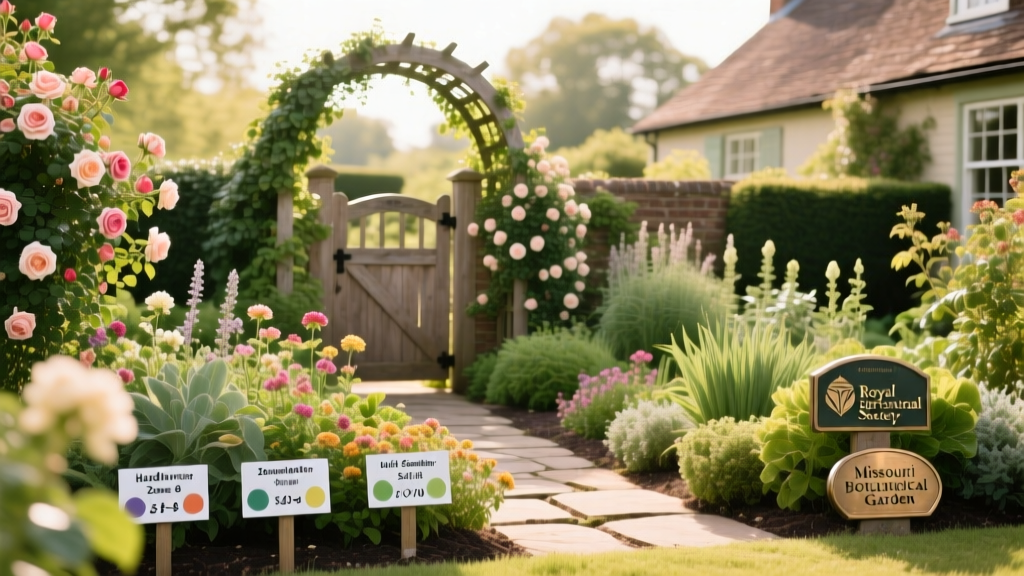
How To Create A Cottage Garden Style
The Roots of Cottage Garden Design
Cottage gardens started in medieval England, where villagers grew herbs, vegetables, and flowers together in small plots outside their homes. These were working gardens — practical first, pretty second. Over time, the look softened and filled out: plants crowded together, paths got overgrown, colors spilled everywhere. Today, gardeners in places like the Pacific Northwest or the English Midlands still plant this way — choosing plants carefully but letting them grow freely.
Formal gardens rely on symmetry and tight hedges. Cottage gardens don’t. They lean into looseness: plants self-seed, flop over paths, climb through each other. Roses wind up fruit trees. Foxgloves pop up between lavender. Sweet peas tangle over old fences. It looks casual, but it’s not accidental — you need to know when things bloom, how tall they’ll get, what soil they like, and how they get along with their neighbors.
Choosing the Right Site and Preparing the Soil
Most cottage garden plants do best in full sun — at least 6 hours of direct light a day. A south- or west-facing spot works well in the Northern Hemisphere. That said, quite a few traditional choices — foxglove (Digitalis purpurea), astrantia, and aquilegia — handle partial shade just fine. Even a north-facing border can work if you pick the right plants.
Soil matters. Most classic cottage plants prefer slightly acidic to neutral soil, around pH 6.0 to 7.0. Test your soil with an inexpensive pH meter or a kit from your local extension office. If it’s too acidic (below 5.5), add ground limestone — about 5 pounds per 100 square feet. If it’s too alkaline (above 7.5), mix in elemental sulfur or acidic organic matter like pine bark compost.
Drainage is key. Waterlogged roots will kill most cottage plants. For heavy clay, dig in 3 to 4 inches of well-rotted compost or aged manure before planting. This helps water move through and holds nutrients better. The Royal Horticultural Society (RHS, 2023) suggests double-digging new beds to 24 inches deep if you’re starting from lawn or compacted soil, but for most established gardens, single-digging with plenty of organic matter is enough.
Understanding Plant Hardiness Zones
Check your USDA Plant Hardiness Zone (or RHS hardiness rating if you’re in the UK) before choosing plants. The USDA system divides North America into 13 zones based on average winter lows — from Zone 1 (below -60°F) to Zone 13 (above 60°F). Most classic cottage perennials grow well in Zones 4 through 8, which covers much of the U.S. and the British Isles.
English lavender (Lavandula angustifolia) usually survives down to Zone 5 (-20°F). So does the shrub rose ‘Gertrude Jekyll’, bred by David Austin Roses. Delphinium elatum cultivars are hardy to Zone 3, but they often struggle in the heat and humidity of Zone 8 and higher — many gardeners treat them as cool-season annuals there.
Soil Amendments and Fertility
Cottage gardens don’t need constant feeding, but they do respond well to yearly soil boosts. Each spring, spread a 2-inch layer of garden compost or well-rotted manure over the beds and work it lightly into the top few inches. It feeds soil life, cuts down on weeds, and helps hold moisture during dry spells. Skip high-nitrogen synthetic fertilizers — they push leafy growth instead of flowers and leave plants floppy and disease-prone.
If your soil lacks phosphorus — common in sandy, rain-washed ground — add bone meal at planting time: about 4 pounds per 100 square feet. The American Horticultural Society (AHS, 2022) points out that most ornamental perennials need only modest fertility once they’re settled in, and that over-fertilizing is one of the most frequent mistakes in border gardening.
Selecting Plants for a Layered, Season-Long Display
A good cottage garden stays interesting from early spring to late autumn. To pull that off, you need plants that flower at different times and sit at different heights: low edgers (under 18 inches), mid-height perennials and biennials (18 to 48 inches), and tall anchors (over 4 feet) at the back or center of a bed.
Early color comes from bulbs — tulips, alliums, narcissus — planted in fall, two to three times as deep as their width. Biennials like wallflowers (Erysimum cheiri) and forget-me-nots (Myosotis sylvatica) follow, filling gaps between emerging perennials. By late spring, hardy geraniums, catmint (Nepeta x faassenii), and alliums carry things forward into summer’s main flush.
Cottage Garden Plants by Season
June through August is when the garden hits its stride. Roses are central — especially old garden roses and English roses from David Austin, with their full, fragrant blooms. Pair them with tall delphiniums, foxgloves, peonies, and sweet Williams for early summer. As summer rolls on, dahlias, echinacea, rudbeckia, and phlox keep things going.
From late summer into autumn, asters, sedums, heleniums, and ornamental grasses take over. Pennisetum alopecuroides ‘Hameln’, hardy to Zone 5, puts out soft, buff-colored plumes from August through October and holds its shape well into winter. Leave seed heads of alliums, teasels, and rudbeckia — birds eat them, and they add texture to the bare garden.
Below is a list of key cottage garden plants with their bloom times, hardiness zones, and preferred soil pH:
| Plant | Bloom Time | USDA Hardiness Zone | Preferred Soil pH |
|---|---|---|---|
| English Lavender (Lavandula angustifolia) | June–August | 5–8 | 6.5–7.5 |
| Foxglove (Digitalis purpurea) | June–July | 4–9 | 5.5–6.5 |
| Delphinium (Delphinium elatum) | June–July | 3–7 | 6.5–7.5 |
| Echinacea (Echinacea purpurea) | July–September | 3–9 | 6.0–7.0 |
| Hardy Geranium (Geranium x magnificum) | May–June | 4–8 | 5.8–6.8 |
| Aster (Symphyotrichum novi-belgii) | August–October | 4–8 | 5.5–7.0 |
Designing the Layout and Structure
Cottage gardens have structure — it’s just softer and less obvious than in formal designs. Paths help you get around and guide the eye. Traditional materials include reclaimed brick, irregular flagstone, compacted gravel, or even mown grass. Keep paths at least 24 inches wide; 36 inches feels more comfortable and gives plants room to spill without blocking your way.
Boundaries and vertical elements give the garden shape. A picket fence, dry-stone wall, or clipped yew hedge makes the planting stand out. Climbers — roses, clematis, honeysuckle, sweet peas — go on arches, obelisks, and pergolas for height and scent. Sissinghurst Castle in Kent, managed by the National Trust, shows how vertical structure can hold exuberant planting together without taming it.
Island beds — freestanding, reachable from all sides — suit larger gardens. They let you see the planting from every angle and create a sense of movement through the space. For borders against a wall or fence, put the tallest plants at the back and step down in height toward the front — but break the rule now and then. Let a tall verbena or fennel poke forward to add depth and surprise.
"The cottage garden is not a style to be imposed on a space, but a relationship to be cultivated with it. The gardener's role is to set the conditions and then step back, allowing plants to find their own equilibrium." — Beth Chatto, The Dry Garden, 1978
Maintenance Through the Seasons
Cottage gardens ask for less upkeep than formal ones — the goal isn’t perfection, but lively, healthy growth. Still, some tasks keep things running smoothly year after year.
Deadheading — snipping off spent flowers — keeps many plants blooming longer and stops aggressive self-seeders from taking over. Roses, dahlias, and phlox all respond well to regular deadheading in summer. But leave the seed heads of alliums, echinacea, and rudbeckia through winter — they feed birds and add interest to the bare garden.
Divide overcrowded perennials every three or four years. It keeps them strong and stops dominant plants from pushing others out. Early spring, just as new shoots appear, is the best time for most herbaceous perennials. Use two garden forks back-to-back to gently pry apart big clumps. Replant the freshest outer pieces and toss the tired center into the compost.
- Cut hardy geraniums back hard in June after their first bloom — they’ll often flower again in late summer.
- Stake tall delphiniums and dahlias early. Once they fall, the stems rarely straighten cleanly.
- Feed roses with a balanced slow-release fertilizer (like 10-10-10) in early spring, just as buds start to swell.
- Mulch all beds in late autumn after the first hard frost — it protects roots and damps down winter weeds.
- Remove and throw away (don’t compost) any leaves or stems showing powdery mildew or black spot — it cuts down on disease next year.
Water needs depend on your climate and soil, but newly planted perennials need consistent moisture for their first full season to build deep roots. After that, most traditional cottage plants — lavender, catmint, echinacea — handle dry spells fairly well. Where summer rainfall drops below 1 inch a week, soaker hoses or drip irrigation work better than overhead watering and lower the risk of leaf diseases.
- Spring: Divide overcrowded perennials, spread compost mulch, plant summer bulbs after the last frost, stake tall plants early.
- Early summer: Deadhead roses and perennials regularly, cut back spring-flowering plants, tie in climbing roses and clematis.
- Late summer: Take cuttings of tender perennials before the first frost, collect seed from self-seeders you want to keep.
- Autumn: Plant spring bulbs, cut back spent perennials (leaving some seed heads), mulch after the first hard frost.
- Winter: Plan next year’s additions, order bare-root roses and trees for late winter, sharpen and clean tools.
The Brooklyn Botanic Garden in New York maintains a cottage-style border in its Cherry Esplanade area and shares seasonal care guides for temperate ornamental gardens — free through their horticultural library. Their records show that beds managed with organic mulch and little or no synthetic input develop more earthworms and better soil structure over five years compared to conventionally managed ones.
Pest control in cottage gardens mostly happens naturally. Dense, varied planting supports hoverflies, lacewings, and ground beetles — all of which keep aphids and caterpillars in check. Avoid broad-spectrum insecticides; they wipe out good bugs along with bad ones. If aphids pile up on roses or delphiniums, a spray of insecticidal soap (2 tablespoons per gallon of water) works quickly and breaks down fast, leaving pollinators unharmed.
With thoughtful plant choices, honest soil prep, and light seasonal care, the cottage garden gets easier to manage over time. Plants settle in, self-seeders fill gaps, and the whole thing develops its own rhythm — something no plan could fully predict, and part of why people keep coming back to this style.
