Pest Control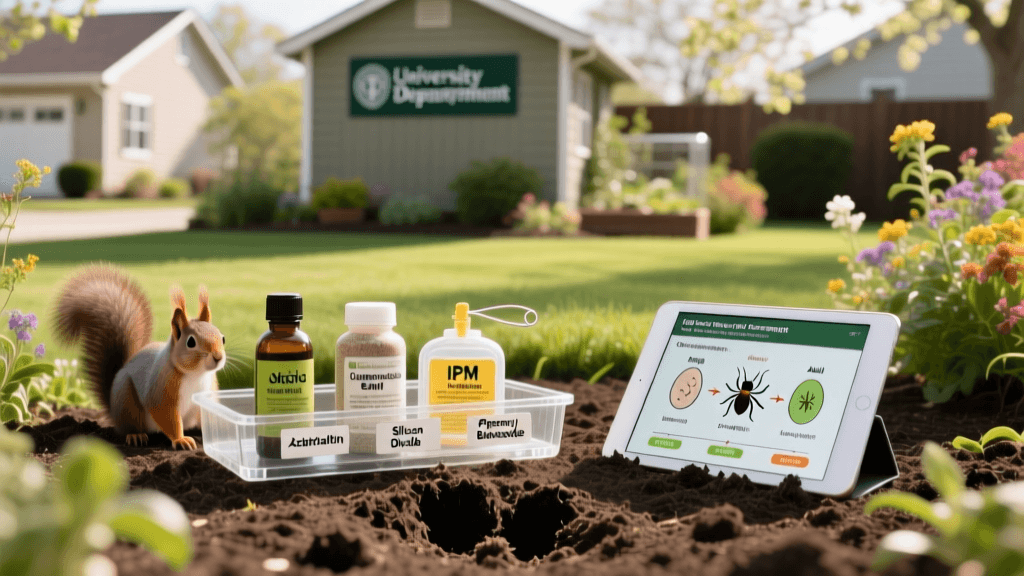
How To Deal With Squirrels Digging In Your Garden
Understanding Squirrel Behavior in Garden Settings
Squirrels are among the most persistent garden pests in North America, uprooting bulbs, raiding vegetable beds, and digging dozens of small holes across lawns and planting areas. Eastern gray squirrels (Sciurus carolinensis) and fox squirrels (Sciurus niger) are the two species most commonly involved in garden damage across the continental United States. Knowing why they dig — and when — helps shape a practical response.
Squirrels dig for two main reasons: to bury food and to find it again. During late summer and fall, a single squirrel may bury between 3,000 and 10,000 nuts and seeds across a territory of 1 to 7 acres, according to research published by the Wildlife Society. They use spatial memory to recover about 40 to 80 percent of these caches, so the rest either sprouts or stays buried. Spring is the second peak digging season, when squirrels search for winter stores and when freshly turned garden soil draws them in for new caching.
Timing your actions around these seasonal patterns makes a real difference. Treatments applied outside peak activity windows often don’t work well and can be a waste of time and money. An Integrated Pest Management (IPM) approach — focusing on prevention, regular monitoring, and targeted action — tends to work better than relying on just one method.
Assessing the Damage and Identifying the Culprit
Before trying any control, make sure squirrels are actually causing the damage. Their digging leaves small, shallow holes about 1 to 2 inches wide, often with loose soil piled beside them. Bulbs are usually gone entirely rather than partly eaten — that’s one way to tell squirrels from voles or moles. Voles leave surface runways; moles push up ridges or dig deep tunnels. Squirrels stay above ground and are easiest to spot in daylight, especially in the two to three hours after sunrise and before sunset.
Look for other clues: gnaw marks on wooden raised bed frames, stripped bark on young trees, or half-eaten fruits or vegetables left on the ground. If you see those along with the small holes, squirrels are likely the main problem.
Monitoring Frequency and Record-Keeping
The University of California Statewide IPM Program recommends walking your garden at least three times per week during peak seasons (August through November and March through May) and noting the number of new holes, where they appear, and whether you spot any squirrels. This helps you track whether your efforts are paying off and shows which parts of the garden get hit hardest. A notebook or simple spreadsheet with date, hole count, and zone works fine.
Physical Barriers: The Most Reliable Long-Term Solution
Physical exclusion is the most dependable way to protect high-value plantings. Unlike repellents or deterrents, barriers don’t wear out, don’t need reapplying, and don’t lose effectiveness as squirrels get used to them.
Hardware Cloth and Wire Mesh
For bulb beds, lay a flat sheet of 1/2-inch hardware cloth over the area after planting bulbs, then cover it with soil. The mesh lets bulbs grow up through it in spring while blocking squirrels from digging down. Cut the mesh 6 inches larger than the bed on all sides and fold the edges down into the soil so squirrels can’t lift it. Cornell University Cooperative Extension calls this the most reliable bulb protection method for home gardeners.
For raised beds, line the bottom interior with 1/2-inch hardware cloth before adding soil. In areas with heavy squirrel pressure, add a removable lid frame made from the same material. Make sure openings in the mesh are no bigger than 1/2 inch — anything 1 inch or more lets even young squirrels squeeze through.
Row Covers and Cloches
Lightweight floating row cover fabric (usually 0.5 to 0.9 oz per square yard) creates a physical barrier for seedlings and transplants while still letting light and water through. Secure the edges with soil staples or rocks so squirrels can’t push underneath. Row covers work best for short-term protection — the first four to six weeks after planting — when freshly disturbed soil is most tempting to squirrels looking to cache food.
Repellents: Organic and Chemical Options
Repellents work by making the garden unpleasant through taste, smell, or texture. How well they work depends on the product, how regularly you apply it, and how many squirrels are around. No repellent stops all digging, but several have shown real effect in trials.
- Capsaicin-based repellents: Products with capsaicin (the compound that gives hot peppers their heat) at concentrations of 0.25% to 1.0% are common and approved for organic gardens. Apply to soil surfaces, bulbs before planting, or plant foliage. Reapply every 7 to 14 days and after rain. Bonide's Hot Pepper Wax and Plantskydd are two options with field-tested results.
- Predator urine: Granular or liquid products with fox or coyote urine rely on squirrels’ natural wariness of predators. Apply in a band 12 to 18 inches wide around garden beds. The scent fades after 2 to 3 weeks, and squirrels may catch on that the predator isn’t really there.
- Thiram-based repellents: Thiram (tetramethylthiuram disulfide) is a fungicide that also deters squirrels. It’s registered for ornamental bulbs and woody plants but not for edible crops. Dip or spray bulbs before planting. The University of Florida IFAS Extension found thiram-treated bulbs had much less squirrel damage in field trials.
- Methyl anthranilate: Made from grape flavoring, this compound is registered to repel birds and small mammals. It’s OMRI-listed for organic use and safe near edibles. Commercial products usually contain 14.5% to 28% methyl anthranilate.
- Diatomaceous earth: Food-grade diatomaceous earth spread on the surface feels abrasive to many squirrels. It washes away in rain and works best as a side measure, not the main defense.
A 2019 review by the National Wildlife Research Center found no single repellent stayed above 70% effective for more than 30 days without reapplication or switching products. Rotating between two or three types each month helps keep squirrels from getting used to any one.
Habitat Modification and Cultural Controls
Making your garden less appealing to squirrels costs little and supports other controls. Squirrels come for food, shelter, and easy access — especially from overhead branches.
Take down bird feeders during peak squirrel seasons, or switch to safflower seed, which most squirrels avoid. Sunflower seeds, corn, and peanuts draw them in from far away. If you keep a feeder, use a squirrel baffle — a cone or dome guard on the pole — and place it at least 10 feet from any tree, fence, or structure squirrels could jump from.
Cut back tree branches that hang over garden beds so they’re at least 6 to 8 feet above ground. Squirrels hesitate to drop into open space from heights over 8 feet when predators might be around. Removing thick shrub cover next to garden beds also takes away hiding spots they use before entering the garden.
Companion Planting as a Deterrent
Some plants are said to deter squirrels, though solid research is scarce. Alliums (onions, garlic, chives) planted around bulb beds may help due to their sulfur compounds. Daffodils (Narcissus spp.) contain lycorine and other alkaloids toxic to squirrels, so they’re usually left alone; mixing them with tulips and other bulbs offers some protection. Marigolds (Tagetes spp.) come up often as a deterrent, but most reports are anecdotal.
Trapping and Population Management
Live trapping makes sense when squirrel numbers are high and other methods haven’t worked. Use cage traps at least 5 x 5 x 18 inches inside. Bait with peanut butter, sunflower seeds, or whole corn. Set traps along fence lines, at garden entry points, or near active digging sites. Check them at least twice a day — morning and late afternoon — to keep captured animals from suffering.
Relocating trapped squirrels is regulated in many states. In California, for example, gray squirrels are classified as non-game mammals, and moving them without a permit may not be allowed. Check with your state wildlife agency before trapping. In most places, relocation must happen on the same property or within a few miles to avoid spreading disease or upsetting local wildlife.
"Integrated pest management for urban wildlife emphasizes that lethal control should be considered only after non-lethal methods have been systematically applied and documented as insufficient. Population reduction without habitat modification produces only temporary relief, as neighboring animals rapidly recolonize vacated territories." — University of California Agriculture and Natural Resources, Urban Pest Management Guidelines, 2022
Lethal control using snap traps or shooting (where legal) is a last resort and subject to local rules. Many cities ban firearms within city limits, and snap traps can harm songbirds or pets.
Timing Your Treatments: A Seasonal Reference
Matching your efforts to squirrel activity cycles improves results. The table below outlines peak activity periods and what to do each season.
| Season | Primary Activity | Recommended Actions |
|---|---|---|
| Late Summer (Aug–Sep) | Caching begins; digging picks up | Install hardware cloth over bulb beds; start rotating repellents; take down bird feeders |
| Fall (Oct–Nov) | Most caching; highest garden disturbance | Apply capsaicin repellents every 7 days; set live traps if numbers are high; trim overhead branches |
| Winter (Dec–Feb) | Less activity; squirrels dig on warm days to retrieve caches | Inspect and fix barriers; plan spring planting to minimize bare soil |
| Early Spring (Mar–May) | Retrieving winter caches; caching again in fresh soil | Apply repellents to newly planted beds; use row covers on seedlings; monitor daily |
| Late Spring–Summer (Jun–Jul) | Juveniles disperse; overall pressure drops | Maintain barriers; reduce repellent applications to every 14 days |
IPM Program Resources and Further Guidance
Several university extension programs offer free, research-backed advice on managing squirrels in home and commercial gardens. The University of California Statewide IPM Program (UC IPM) runs an online pest database with species-specific treatment thresholds, product registrations, and yearly updates on effectiveness. Their squirrel guidelines are widely used by gardeners and professionals alike.
Cornell University’s College of Agriculture and Life Sciences offers Wildlife Damage Management support through its Cooperative Extension network, with county-level advisors who can assess problems on-site. Penn State Extension provides regional guidance tailored to eastern gray squirrels in the Mid-Atlantic.
For organic certification, the Organic Materials Review Institute (OMRI) keeps a searchable database of approved repellents and controls. Always double-check current registration status before buying — product formulas and approvals change.
- Start with a two-week monitoring period to get baseline hole counts and spot the busiest zones in your garden.
- Put physical barriers on your highest-priority plantings first — bulb beds, seedling trays, and newly transplanted vegetables.
- Use a capsaicin or methyl anthranilate repellent on remaining exposed soil, and stick to the reapplication schedule.
- Make changes to the habitat: remove food sources and cut back overhead access routes.
- After 30 days, check your progress. If hole counts haven’t dropped by at least half, try adding a second repellent type or consider live trapping.
- Keep notes on everything you try and what happens — it builds a record you can refine year after year.
Sticking with it matters more than any single tool or trick. Squirrels are smart, flexible, and tend to return to places where they’ve found food before — unless you use several deterrents together and keep them up. Gardeners who combine physical barriers, rotate repellents, and adjust the habitat usually see the biggest long-term drop in damage, often protecting 80 to 90 percent of treated areas within one growing season.