Pest Control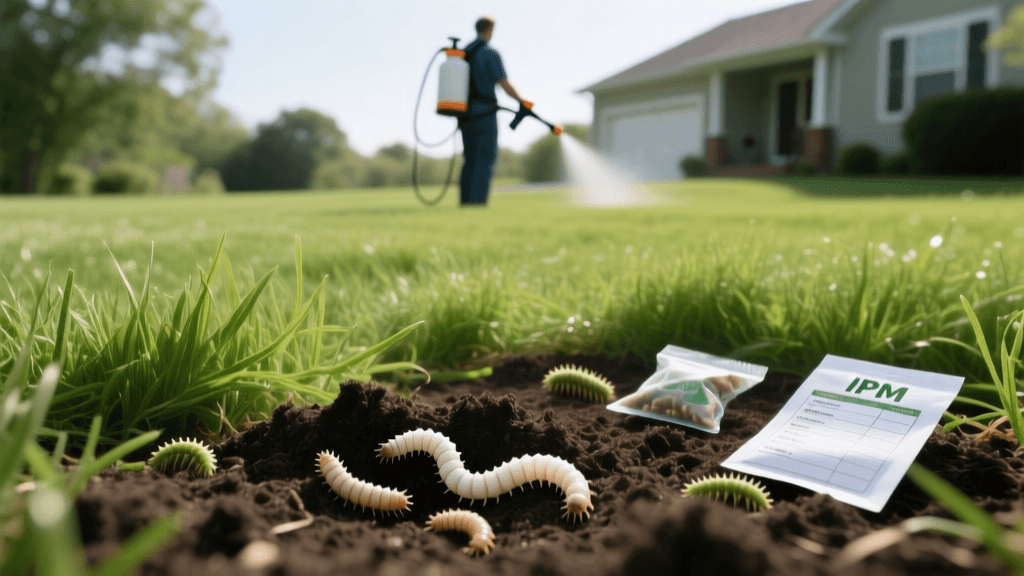
How to Identify and Eliminate Grub Worms in Your Lawn
Understanding the Enemy: What Are Lawn Grubs?
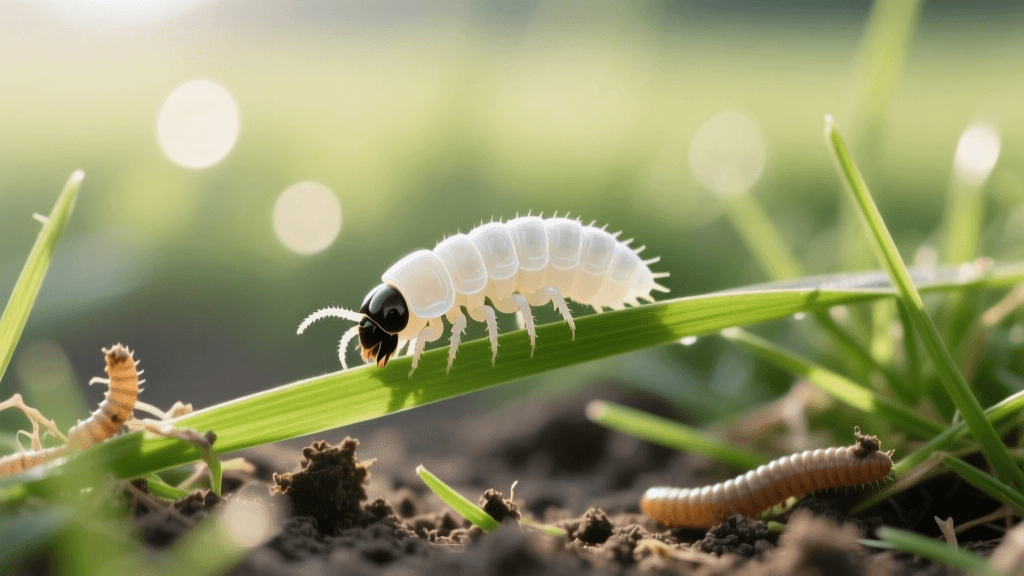
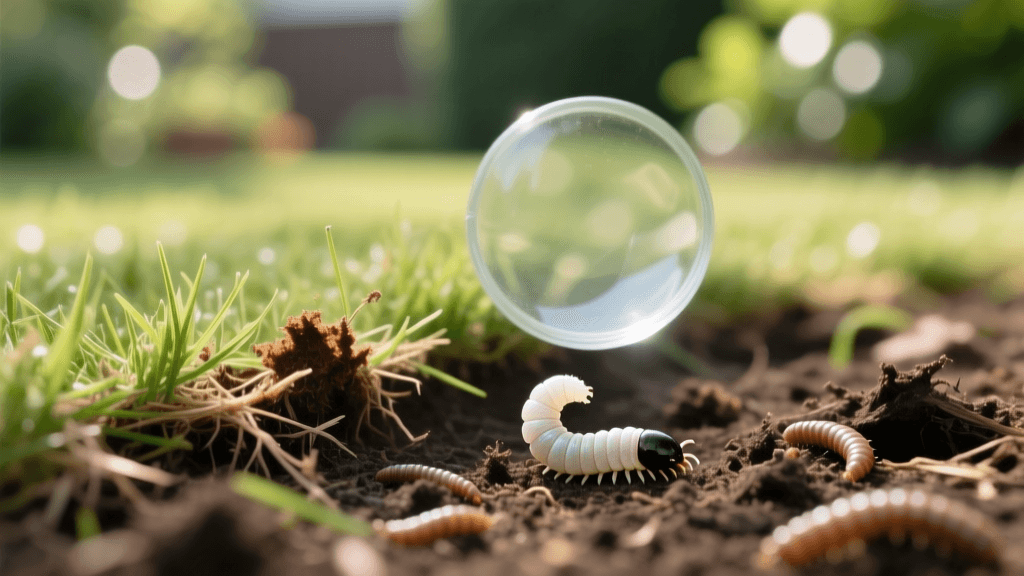
Grub worms are the C-shaped, white larvae of various beetle species, most notably the Japanese beetle, the June bug, and the European chafer. These subterranean pests live just beneath the soil surface, where they feed aggressively on the grassroots of your lawn. As they sever the roots from the soil, the grass above is deprived of water and nutrients, leading to the hallmark signs of a grub infestation: irregular brown patches, spongy turf, and widespread lawn die-off.
Taking a practical, Integrated Pest Management (IPM) approach to grub control means you do not simply blanket your lawn with chemicals at the first sign of trouble. Instead, you scout for the pest, determine if the population exceeds the economic or aesthetic injury threshold, and apply the most targeted, environmentally responsible treatment available. This comprehensive how-to guide will walk you through the exact steps to identify, treat, and prevent lawn grubs, complete with product recommendations, application timings, and cost estimates.
Step 1: Scout and Confirm the Infestation
Before purchasing any grub control products, you must confirm that grubs are actually the culprit. Brown patches can also be caused by drought stress, fungal diseases like dollar spot, or dog urine. Furthermore, secondary damage from animals like skunks, raccoons, and crows tearing up your lawn to eat the grubs is a major indicator of an infestation.
The Tug Test and Soil Sampling
Perform the 'Tug Test' by grabbing a handful of brown grass and pulling gently. If the turf rolls back like a loose carpet with no roots attached, you likely have grubs. To confirm and count the population, use a flat-edged spade to cut a one-foot by one-foot square of sod, about two to three inches deep. Peel back the turf and sift through the soil and root zone. Count the number of C-shaped white grubs you find. According to the Purdue University Extension, a healthy lawn can tolerate up to 5 to 10 grubs per square foot without showing visible damage. However, if you count more than 10 grubs per square foot, treatment is necessary to save your turf.
The Soap Flush Method
If the soil is dry and grubs have migrated deeper, use a soap flush to drive them to the surface. Mix two tablespoons of lemon-scented dish soap with two gallons of water in a watering can. Pour this mixture over a one-square-yard area of damaged lawn. Within five to ten minutes, the soap will irritate the grubs, forcing them to the surface where you can easily count them.
Step 2: Select the Right Grub Control Method
Once you have confirmed an infestation that exceeds the threshold, you must choose between preventative, curative, or organic treatments. Your choice depends heavily on the time of year and the life stage of the grubs.
Preventative Chemical Controls
Preventative treatments are designed to kill young grubs as they hatch and begin feeding in mid-to-late summer. These products have a long residual effect in the soil but are largely ineffective against large, mature grubs in the fall or spring.
- Chlorantraniliprole (e.g., Scotts GrubEx, Acelepryn): This is the gold standard for preventative grub control. It is highly effective, safe for pollinators when dry, and has a low environmental impact. Apply between April and early June. Cost: Approximately $20 to $25 per bag covering 5,000 square feet.
- Imidacloprid (e.g., BioAdvanced 24-Hour Grub Killer Plus): A systemic neonicotinoid that works well when applied in June or July just before eggs hatch. Note that neonicotinoids can be harmful to bees if applied to flowering weeds, so mow the lawn and remove weeds before application. Cost: $15 to $20 per bag.
Curative Chemical Controls
If you missed the preventative window in early summer and notice severe damage in late August or September, you need a curative treatment. Curative products act quickly to kill large, actively feeding grubs but break down in the soil relatively fast.
- Trichlorfon (e.g., Dylox): This is a fast-acting organophosphate that kills grubs within 24 to 48 hours. It is highly effective for late-summer and early-fall rescue treatments. However, it degrades rapidly in soils with a high pH (above 7.5) and has a short residual life. Cost: $25 to $35 per bag.
- Carbaryl (e.g., Sevin): Another curative option, though generally considered less effective against mature European chafer grubs than Trichlorfon. Cost: $15 to $20 per bag.
Organic and Biological Controls
For gardeners committed to strictly organic lawn care, biological controls offer a highly effective, eco-friendly alternative to synthetic chemicals.
- Beneficial Nematodes (Heterorhabditis bacteriophora): These microscopic, soil-dwelling worms actively seek out grubs, enter their bodies, and release bacteria that kill the host within 48 hours. You must apply 'Hb' nematodes in late summer when soil temperatures are between 60°F and 85°F. They require immediate watering and protection from UV light. Cost: $40 to $60 for a formulation covering 10,000 square feet.
- Milky Spore (Paenibacillus popilliae): A naturally occurring bacterium that specifically targets Japanese beetle grubs. It takes two to three years to build up in the soil to effective levels, but once established, it can provide control for 10 to 15 years. It is not effective against June bugs or European chafers. Cost: $30 to $50 for a 20-ounce dispenser.
Grub Control Comparison Chart
| Method Type | Active Ingredient / Agent | Best Application Window | Target Life Stage | Estimated Cost (per 5k sq ft) |
|---|---|---|---|---|
| Preventative | Chlorantraniliprole | April - Early June | Eggs / 1st Instar | $20 - $25 |
| Preventative | Imidacloprid | June - July | Eggs / 1st Instar | $15 - $20 |
| Curative | Trichlorfon (Dylox) | August - September | 2nd / 3rd Instar | $25 - $35 |
| Organic | Hb Nematodes | August - September | All Larval Stages | $20 - $30 |
| Organic | Milky Spore | Spring or Fall | Japanese Beetle Larvae | $15 - $25 |
Step 3: Application Best Practices and Safety
Proper application is just as critical as choosing the right product. A misapplied grub control product will fail to reach the root zone, wasting your money and potentially harming the environment.
- Calibrate Your Spreader: Always follow the exact spreader settings listed on the product label. Over-applying chemicals is illegal, wasteful, and dangerous, while under-applying will fail to control the pests.
- Watering In: With the exception of Milky Spore, almost all granular grub controls require immediate irrigation to wash the active ingredient off the grass blades and into the soil where the grubs live. Apply 0.25 to 0.5 inches of water immediately after application. Use an empty tuna can placed on the lawn to measure when you have applied enough water.
- Weather Conditions: Do not apply treatments if heavy rainfall is expected within 24 hours, as this can cause runoff into storm drains. Avoid applying on windy days to prevent drift.
- Pet and Child Safety: Keep children and pets off the treated lawn until the product has been watered in and the grass blades are completely dry.
Step 4: Repairing Grub Damage
Once the grubs have been eliminated, you must repair the damaged areas to prevent weeds from invading the bare soil. First, rake away the dead grass and debris from the affected patches. Loosen the top half-inch of the soil with a stiff rake or garden cultivator to ensure good seed-to-soil contact.
Spread a high-quality grass seed blend that matches your existing lawn, applying it at the rate recommended on the seed bag (usually 4 to 6 pounds per 1,000 square feet for patch repair). Cover the seed lightly with a quarter-inch of compost or topsoil to retain moisture. Water the repaired areas lightly two to three times a day for the first two weeks until the new grass reaches a height of two inches. Avoid applying broadleaf weed killers to these areas until the new grass has been mowed at least three times.
Expert Insights and IPM Principles
According to turfgrass experts at the Cornell University College of Agriculture and Life Sciences, maintaining a robust, deeply rooted lawn is your best natural defense against grubs. Lawns mowed at a height of 3 to 4 inches develop deeper root systems, making them far more tolerant of minor grub feeding. Furthermore, Cornell's IPM guidelines emphasize that treating for grubs should only be done when scouting confirms populations exceed the threshold, rather than relying on a calendar-based preventative schedule every single year. By combining proper cultural practices—such as deep, infrequent watering and proper mowing heights—with targeted biological or chemical controls only when necessary, you can maintain a pristine lawn while minimizing your environmental footprint.