Pest Control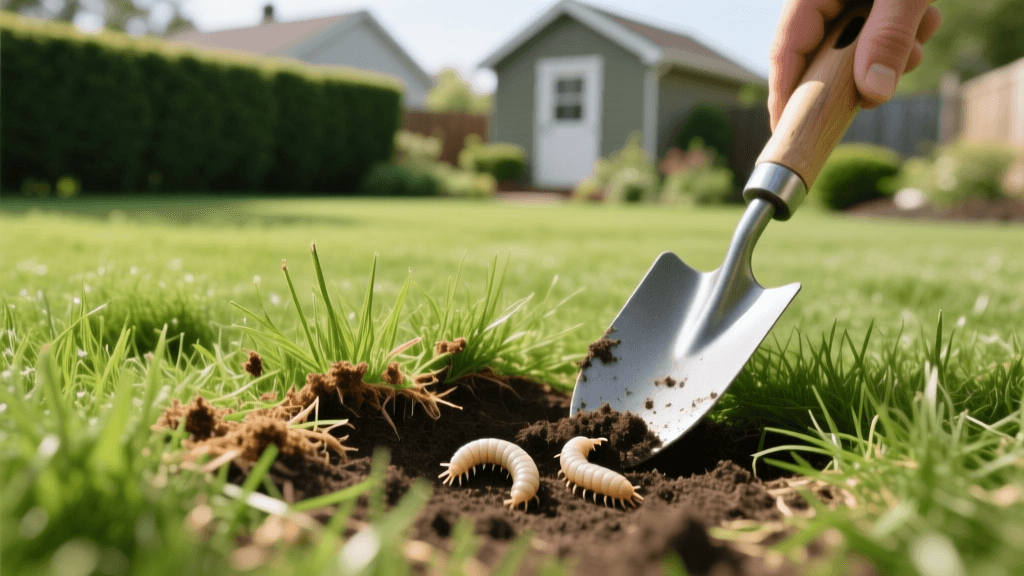
How to Identify and Eliminate Lawn Grubs Effectively
Understanding the Enemy: What Are Lawn Grubs?
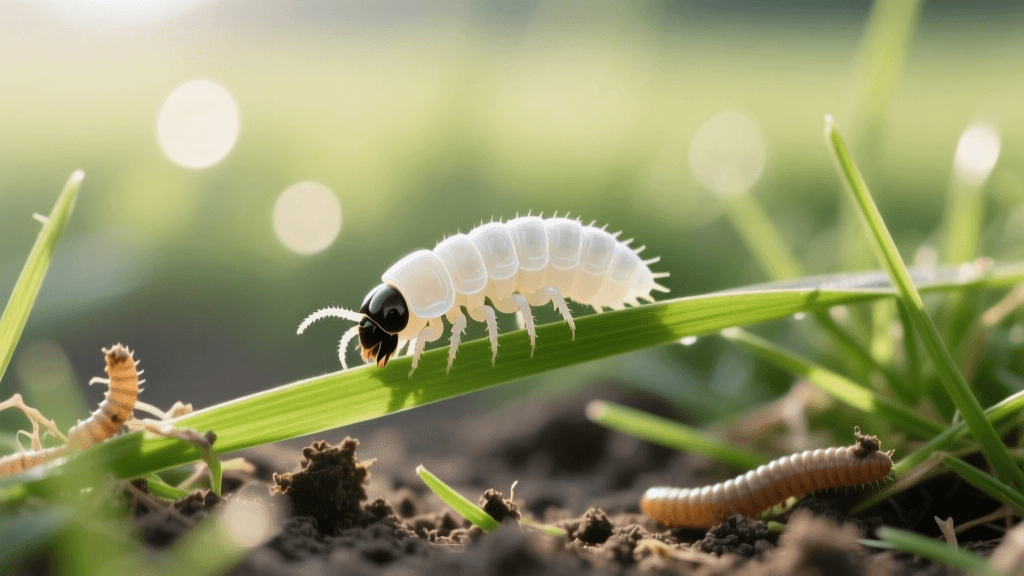
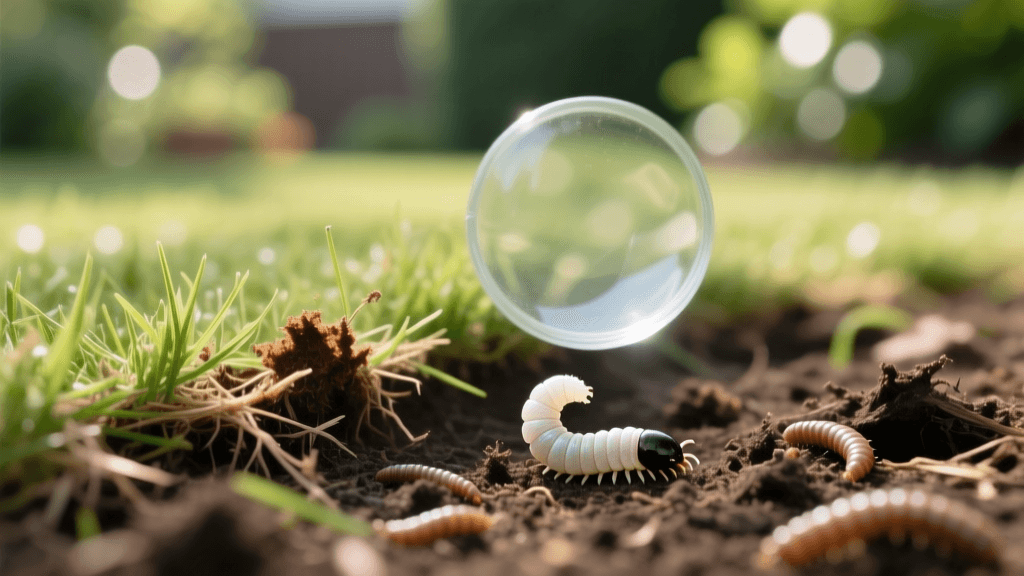
Lawn grubs are the larval stage of various scarab beetles, including Japanese beetles, European chafers, and June bugs. These C-shaped, cream-colored pests live just beneath the soil surface, where they voraciously feed on the root systems of turfgrass. When grub populations surge, they sever the grass from its roots, leading to widespread turf death, spongy soil, and severe secondary damage from foraging wildlife like skunks, raccoons, and crows.
Managing grubs requires a strategic approach rooted in Integrated Pest Management (IPM). Blanket chemical applications are not only harmful to the environment but often unnecessary. This practical, step-by-step guide will walk you through identifying a grub infestation, determining if treatment is necessary, and applying the most effective organic and chemical controls available on the market today.
Step 1: Confirm the Infestation with the 'Tug and Dig' Test
Before spending money on treatments, you must confirm that grubs are the actual cause of your lawn's decline. Drought stress, fungal diseases, and dog urine can all mimic grub damage. Look for irregular brown patches that feel spongy when you walk on them. If the grass peels back easily like a loose carpet, the roots have likely been severed.
The Tug Test and Soil Inspection
- The Tug Test: Grab a handful of brown grass and pull gently. If it lifts with zero resistance, root feeding has occurred.
- The Dig Test: Using a flat-edged spade, cut a 1-foot by 1-foot square of turf about 3 to 4 inches deep. Peel the sod back and sift through the soil. Count the number of grubs you find, then replace the sod and water it.
The Soap Flush Test
If you want to force grubs and other surface pests to the surface without digging, mix 2 tablespoons of liquid dish soap with 1 gallon of water. Pour this solution over a 1-square-yard area of the lawn. Wait 10 minutes; the soap irritates the pests, forcing them to the surface where you can easily count and identify them.
Step 2: Evaluate the Damage Threshold
Finding a few grubs does not mean you need to treat your lawn. Turfgrass can easily outgrow minor root damage. According to turfgrass entomologists at Penn State Extension, the economic and aesthetic threshold for grub treatment is generally between 5 to 10 grubs per square foot. If your dig test reveals fewer than 5 grubs per square foot, your lawn is healthy enough to withstand the feeding, and natural predators will likely manage the population.
'Treat only when grub populations exceed the threshold of 5 to 10 per square foot. Healthy, well-maintained lawns can tolerate higher grub populations than stressed lawns.' — Penn State Extension, Department of Entomology.
If you count more than 10 grubs per square foot, or if you observe severe wildlife digging, it is time to select a treatment strategy.
Step 3: Select the Right Treatment Strategy
Choosing between organic and chemical controls depends on the time of year, the severity of the infestation, and your environmental preferences. Below is a comparison chart of the most effective grub control products available to homeowners.
| Treatment Type | Active Ingredient | Best Application Window | Est. Cost (per 1k sq ft) | Pros & Cons |
|---|---|---|---|---|
| Beneficial Nematodes (Organic) | Heterorhabditis bacteriophora (Hb) | Late Summer (August - September) | $15.00 - $22.00 | Pros: 100% organic, safe for pets. Cons: Requires strict soil moisture; live shelf-life is short. |
| Milky Spore (Organic) | Paenibacillus popilliae | Spring or Early Fall | $25.00 - $35.00 | Pros: Lasts 10-15 years in soil. Cons: Only effective against Japanese beetle grubs; takes 2-3 years to establish. |
| Preventative Chemical | Chlorantraniliprole (e.g., Scotts GrubEx1) | Early Spring to Early Summer (April - June) | $10.00 - $14.00 | Pros: Long residual, low toxicity to bees. Cons: Will not kill large, active grubs in late summer. |
| Curative Chemical | Trichlorfon (e.g., BioAdvanced 24-Hour Grub Killer) | Late Summer / Early Fall (August - October) | $12.00 - $18.00 | Pros: Kills active grubs within 24 hours. Cons: Short residual; highly toxic to aquatic life and bees. |
Step 4: Application Guide for Chemical and Organic Controls
Proper application is just as important as choosing the right product. Grubs live in the soil, meaning surface-level applications will fail unless the active ingredient is watered down into the root zone.
Applying Beneficial Nematodes (Organic Curative)
Beneficial nematodes are microscopic worms that hunt down and infect grubs with a fatal bacteria. Because they are living organisms, you must handle them with care.
- Timing: Apply in the late afternoon or early evening to avoid UV light degradation.
- Mixing: Mix the nematode powder with cool, distilled water (chlorine in tap water can kill them) in a hose-end sprayer.
- Application: Spray evenly over the affected area. Keep the soil consistently moist for 10 to 14 days post-application to allow the nematodes to swim through the soil pores and locate their hosts.
Applying Preventative Chemicals (Chlorantraniliprole)
Products containing Chlorantraniliprole are highly effective and have a much safer environmental profile than older neonicotinoids. They must be applied before the grubs hatch and begin heavy feeding.
- Timing: Apply between April and June. The chemical needs several weeks to bind to the soil and root zone.
- Spreading: Use a rotary spreader set to the rate specified on the product label (usually around 1.8 lbs of product per 1,000 sq ft).
- Watering In: Immediately irrigate the lawn with 0.25 to 0.5 inches of water to wash the granules off the grass blades and into the soil.
Applying Curative Chemicals (Trichlorfon)
If you discover a massive infestation in September, preventative chemicals will not work. You need a fast-acting curative like Trichlorfon.
- Mowing: Mow the lawn short and remove any heavy thatch buildup so the chemical can penetrate the soil.
- Application: Apply granules evenly. Trichlorfon degrades rapidly in high-pH soils, so it is best suited for immediate knockdown.
- Watering In: Water immediately with 0.5 inches of water. Keep pets and children off the lawn until the grass is completely dry.
Step 5: Repairing Grub Damage and Long-Term Prevention
Once the grub population has been eliminated, you must repair the damaged turf and implement cultural practices that deter future infestations.
Aeration and Overseeding
Grub damage often leaves the soil compacted and the turf thin. Core aerate the damaged areas in the early fall to relieve soil compaction and improve water infiltration. Immediately follow aeration with overseeding using grub-resistant grass varieties. Tall fescue and perennial ryegrass possess deep, robust root systems and contain natural endophytes (beneficial fungi) that deter adult beetles from laying eggs and make the grass less palatable to larvae.
Proper Irrigation Practices
Adult beetles prefer to lay their eggs in moist, lush soil during the heat of mid-summer. By practicing deep and infrequent watering—providing 1 to 1.5 inches of water per week in a single or bi-weekly session rather than daily shallow sprinklings—you encourage deep root growth while allowing the top inch of soil to dry out. This dry surface layer is less attractive to egg-laying females and can cause newly hatched grubs to desiccate before they reach the root zone.
Fertilization Strategy
Avoid heavy applications of quick-release nitrogen fertilizers in the early summer. High nitrogen levels promote rapid, succulent top growth at the expense of root development, making the grass more susceptible to root-feeding pests. Instead, rely on slow-release organic fertilizers and apply your heaviest feeding in the late fall when grub activity has ceased and the turf is storing energy for the winter.
By combining vigilant monitoring, precise threshold evaluations, and targeted IPM treatments, you can effectively eliminate lawn grubs and maintain a thick, resilient, and vibrant landscape year after year.