Pest Control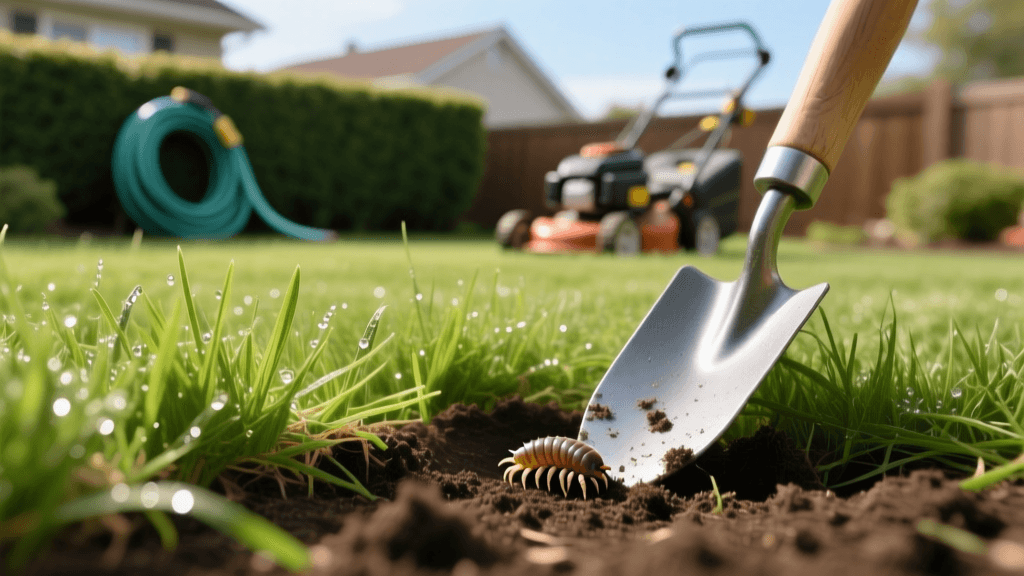
How to Get Rid of Lawn Grubs: A Step-by-Step Guide
Understanding the Enemy: What Are Lawn Grubs?
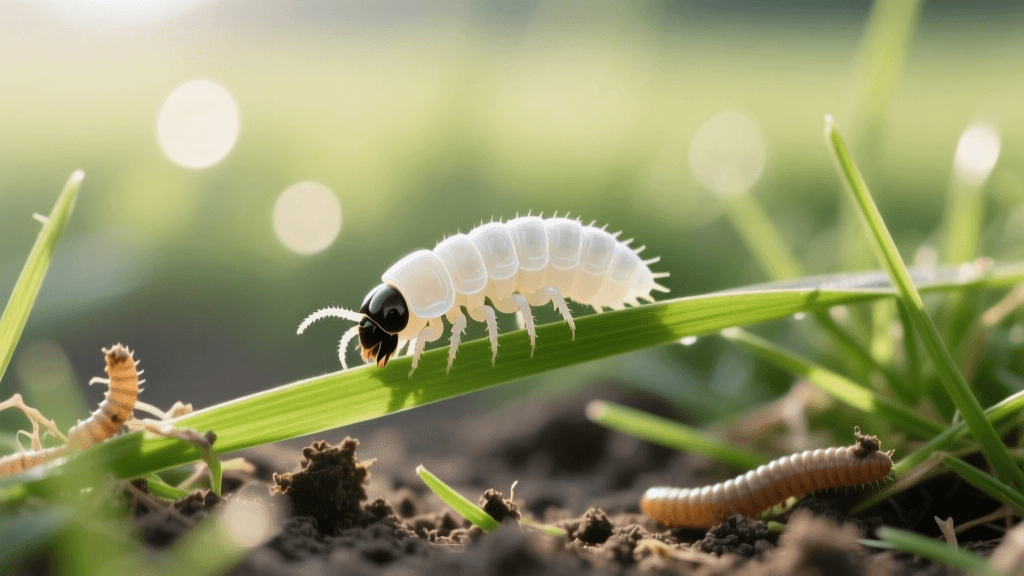
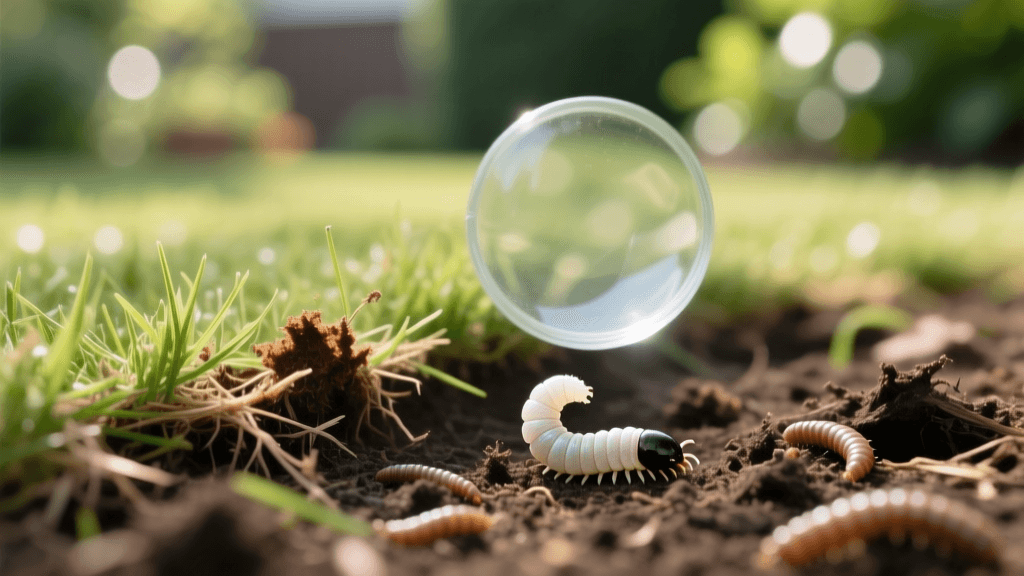
Lawn grubs are the C-shaped, white larval stage of various scarab beetles, including Japanese beetles, June bugs, and European chafers. These subterranean pests feed aggressively on the roots of turfgrass, severing the plant's ability to absorb water and nutrients. Left unchecked, a severe grub infestation can destroy an entire lawn in a matter of weeks, leaving behind vast expanses of dead, brown turf. Furthermore, grubs act as a secondary attractant for destructive wildlife; animals like skunks, raccoons, and crows will routinely tear up your lawn to feast on these protein-rich larvae. To effectively manage this threat, homeowners must employ an Integrated Pest Management (IPM) approach that combines accurate identification, targeted treatment, and long-term cultural prevention.
Step 1: Identify the Symptoms of Grub Damage
Before purchasing any treatments, it is crucial to confirm that grubs are actually the culprit. Grub damage typically manifests in late summer or early fall and is often mistaken for drought stress, fungal diseases, or dog urine burn. Look for the following key indicators:
- Spongy Turf: Walk across your lawn. If the grass feels spongy or bouncy underfoot, the root system has likely been compromised.
- Irregular Brown Patches: Grub damage appears as irregularly shaped brown patches that gradually expand and merge. Unlike fungal diseases, these patches will not show distinct lesion patterns on the grass blades themselves.
- The Tug Test: Grab a handful of dead or dying grass and pull gently. If the turf rolls back like a loose carpet with little to no resistance, the roots have been eaten.
- Wildlife Activity: An increase in birds pecking at the lawn, or visible digging marks from skunks and raccoons, is a strong biological indicator of a grub presence.
Step 2: Confirm the Infestation with a Soap Flush
Visual symptoms alone are not enough to justify chemical or biological intervention. You must quantify the population to determine if it exceeds the economic injury threshold. According to Penn State Extension, a healthy, well-maintained lawn can tolerate up to 5 to 10 grubs per square foot without showing significant damage. Treatment is generally only recommended when populations exceed 10 to 15 grubs per square foot.
To conduct a population count, perform a soap flush test:
- Mix 2 tablespoons of lemon-scented liquid dish soap into 2 gallons of water.
- Pour the solution evenly over a 1-square-foot area of the lawn, focusing on the border where brown grass meets green grass.
- Wait 5 to 10 minutes. The soap irritates the grubs, forcing them to the surface.
- Count the number of grubs that emerge. Repeat this test in three different areas of your yard and calculate the average.
Step 3: Choose the Right Treatment Strategy
Once you have confirmed a threshold-exceeding infestation, you must select the appropriate control method based on the time of year and the life cycle stage of the grubs.
Biological and Organic Controls
For eco-conscious homeowners, biological controls offer a highly effective, non-toxic alternative to synthetic pesticides.
- Beneficial Nematodes: Heterorhabditis bacteriophora (Hb nematodes) are microscopic, parasitic worms that actively hunt and infect grub larvae. They must be applied when soil temperatures are consistently above 60°F and kept moist. Cost: Approximately $35 to $45 per 5,000 square feet.
- Milky Spore: Paenibacillus popilliae is a naturally occurring bacterium that specifically targets Japanese beetle grubs. It takes 2 to 3 years to establish in the soil but can provide control for up to 15 years once active. Cost: Roughly $40 for 2.5 pounds (treats 10,000 sq ft).
Chemical Preventatives
Preventative insecticides are designed to kill young grubs as they hatch and begin feeding. These products contain slow-acting active ingredients like Chlorantraniliprole (e.g., Scotts GrubEx1, Acelepryn) or Imidacloprid (e.g., Merit). They must be applied in late spring to early summer (April through June) so the chemical can translocate into the root zone before eggs hatch in July. Cost: $20 to $30 per 5,000 square feet.
Chemical Curatives
If you missed the preventative window and active damage is occurring in late summer or early fall, you need a fast-acting curative. Products containing Trichlorfon (e.g., Bayer Advanced 24 Hour Grub Killer Plus) or Carbaryl penetrate the soil rapidly and kill older, third-instar grubs within 24 to 48 hours. Cost: $15 to $25 per 5,000 square feet.
Treatment Comparison Chart
| Treatment Type | Active Ingredient / Agent | Application Window | Target Grub Stage | Est. Cost (5,000 sq ft) |
|---|---|---|---|---|
| Biological | Hb Nematodes | Mid-August to September | Young Larvae | $35 - $45 |
| Biological | Milky Spore | Spring or Fall | Japanese Beetle Larvae | $20 - $25 |
| Preventative | Chlorantraniliprole | April to June | Eggs / 1st Instar | $20 - $30 |
| Preventative | Imidacloprid | May to July | Eggs / 1st Instar | $15 - $25 |
| Curative | Trichlorfon | August to October | 2nd / 3rd Instar | $15 - $25 |
Step 4: Proper Application Techniques
Applying the product correctly is just as important as choosing the right one. Failure to follow application protocols is the leading cause of treatment failure.
- Mow First: Mow your lawn to a height of 2 to 3 inches before application to ensure the product reaches the soil surface rather than getting trapped in the thatch layer.
- Watering In: All grub control products (except Milky Spore powder applied directly to holes) must be watered into the soil immediately after application. Apply 1/4 to 1/2 inch of irrigation to wash the active ingredient down to the root zone where the grubs are feeding.
- Timing for Nematodes: If using beneficial nematodes, apply them in the late afternoon or on an overcast day. UV radiation will kill the nematodes on contact if applied in direct, mid-day sunlight.
Step 5: Lawn Recovery and Long-Term Prevention
Once the grub population has been neutralized, your lawn will require assistance to recover. Rake away the dead, detached turf to expose the soil. Overseed the bare patches with a grass seed blend appropriate for your region and sun exposure. Apply a starter fertilizer to promote rapid root development in the new seedlings.
To prevent future outbreaks, adopt IPM cultural practices:
- Deep, Infrequent Watering: Grub eggs and young larvae require consistent moisture to survive. Watering your lawn deeply but infrequently (1 inch per week) allows the top layer of soil to dry out between waterings, naturally desiccating eggs and young grubs.
- Thatch Management: Keep the thatch layer below 1/2 inch. Thick thatch provides a protective buffer for grubs and prevents pesticides and water from reaching the soil.
- Proper Mowing: Maintain a taller mowing height (3 to 4 inches). Taller grass develops deeper, more robust root systems that can tolerate minor grub feeding without showing surface damage.
Expert Insights and Authoritative Citations
When planning your grub control strategy, timing is the most critical variable. Applying curative chemicals in the spring is entirely ineffective, as the mature grubs are no longer feeding and are preparing to pupate into adult beetles.
According to the Purdue University Extension, "Preventative insecticides are most effective when applied in late spring to early summer, before grubs reach the third-instar stage and cause significant root damage. Curative treatments applied in late summer should be targeted specifically at areas where damage is observed, rather than applied as a blanket treatment over the entire lawn."
By combining vigilant monitoring via the soap flush test, targeted applications of biological or chemical controls, and resilient turf management practices, you can effectively eliminate lawn grubs and maintain a lush, healthy landscape year after year.