Pest Control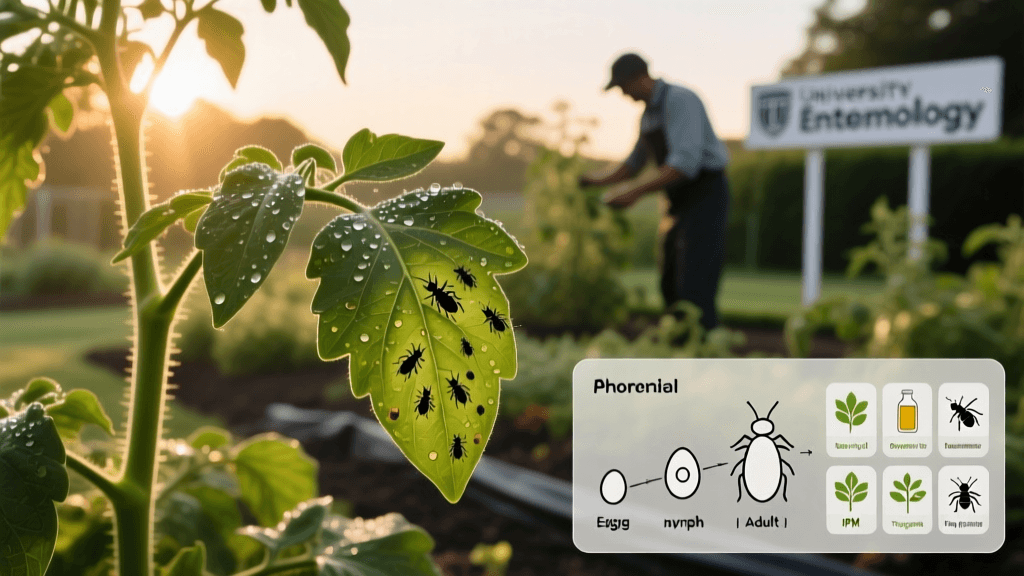
How To Get Rid Of Aphids On Garden Plants
Understanding Aphids and Their Impact on Garden Plants
Aphids are common soft-bodied insects found in home gardens and farms. They’re tiny — usually 1 to 3 millimeters long — and feed by piercing plant tissue to suck sap from the phloem. This takes nutrients away from the plant and can cause stress. Even small numbers, if left alone, can slow growth, twist new leaves, and lower yields.
More than 5,000 aphid species have been identified worldwide. About 450 of them show up often enough in North American gardens to be a real concern. You’ll run into the green peach aphid (Myzus persicae), black bean aphid (Aphis fabae), woolly apple aphid (Eriosoma lanigerum), and rose aphid (Macrosiphum rosae). Each prefers certain plants and behaves a little differently with the seasons, but they all share similar life cycles and respond to many of the same controls.
Aphid Lifecycle and Reproduction Rates
Aphids multiply quickly, especially in warm weather. In cooler regions, most overwinter as eggs on woody plants like fruit trees or shrubs. When spring temperatures stay above 50°F (10°C), those eggs hatch into wingless females known as stem mothers. These females don’t need to mate — they give birth to live nymphs instead.
A single aphid lives about 20 to 30 days and can produce 40 to 60 young during that time. Under warm conditions, each nymph starts reproducing in just 7 to 10 days. That means populations can double every 1.5 to 2 days in midsummer. According to the University of California Statewide Integrated Pest Management Program (UC IPM), one aphid landing on a plant in early spring could lead to billions of descendants by midsummer — if nothing keeps them in check.
When things get crowded or the plant starts looking tired, some aphids grow wings. These winged forms fly off to find fresh plants, spreading the problem across the garden. In fall, males and females appear, mate, and lay eggs that survive the winter — closing the loop for another year.
Temperature and Population Dynamics
Temperature has the biggest effect on how fast aphids grow and reproduce. Cornell University’s Department of Entomology found that development speeds up steadily between 50°F and 85°F (10°C–29°C), with the sweet spot around 77°F (25°C). Above 90°F (32°C), reproduction slows and more aphids die — which is why big outbreaks tend to happen in late spring and early fall, not during the peak summer heat.
Humidity matters too. Dry air suits melon aphids (Aphis gossypii), while cool, damp springs give green peach aphids an edge. Watching local weather helps gardeners guess when aphids might show up in force — and act before numbers climb.
Damage Symptoms to Watch For
You’ll notice aphid damage in a few ways. Leaves — especially new ones — may curl, pucker, or turn yellow. Shoot tips can twist or stop growing. A shiny, sticky substance called honeydew often coats leaves and stems under feeding clusters. That honeydew encourages sooty mold, a black fungus that covers surfaces and cuts down on photosynthesis.
Some aphids also carry plant viruses. The green peach aphid, for example, spreads over 100 different viruses, including cucumber mosaic virus and potato leafroll virus. It only takes a short feeding session by one infected aphid to pass a virus along — so catching aphids early matters most in vegetable gardens.
Monitoring and Action Thresholds
Good aphid control starts with regular checks, not fixed spray schedules. Look at your plants at least twice a week during the growing season, especially underneath leaves and near growing tips where aphids gather. A 10x hand lens helps tell aphids apart from other small bugs and spot colonies before they get big.
Not every aphid you see means it’s time to treat. Integrated Pest Management (IPM) guidelines — like those from land-grant university Extension offices — suggest waiting until numbers cross a certain line. For ornamental plants, that’s often 200 to 300 aphids per shoot tip. For vegetables, it’s lower — 50 to 100 per plant — because of the virus risk.
Also take note of natural enemies while you’re scouting. Parasitized aphids look swollen, tan, and stiff — like little mummies. Lady beetles, lacewing larvae, and syrphid fly larvae leave behind obvious signs of feeding. If you see lots of predators relative to aphids, the population may drop on its own in 7 to 14 days without any help.
Non-Chemical and Organic Control Methods
In most home gardens, non-chemical methods work well — especially if you start early and stick with them.
Physical Removal
A strong blast of water from the hose knocks aphids off plants. Oregon State University Extension tested this and found three days of spraying cut aphid numbers by 70 to 80 percent. Most aphids that fall to the ground won’t climb back up. This works best on tough plants, and morning applications let leaves dry before night — cutting disease risk.
Cutting off heavily infested tips and tossing them in sealed bags (or hot compost) removes large groups at once. It’s especially handy for woolly aphids on apple trees or rose aphids on tender new shoots.
Biological Control
Bringing in or supporting natural enemies is a solid part of managing aphids. Here are some of the most helpful ones:
- Lady beetles (Coccinellidae): Both adults and larvae eat aphids. A single lady beetle larva can consume 200 to 400 aphids before it pupates. Avoid buying convergent lady beetles (Hippodamia convergens) collected from overwintering sites in California — they usually fly away soon after release. Instead, plant things that keep local lady beetles around.
- Green lacewings (Chrysoperla spp.): Lacewing larvae, sometimes called aphid lions, are fierce eaters. Each one can take down 100 to 600 aphids before turning into a pupa. You can buy their eggs or larvae and place them right on infested plants.
- Parasitic wasps (Aphidius spp., Aphelinus spp.): These tiny wasps lay eggs inside aphids. The wasp larva grows inside and kills the host. They work best when aphid numbers are still low and tend to target specific species.
- Syrphid flies (Syrphidae): Adult hover flies visit flowers for nectar, but their larvae hunt aphids. Plant shallow-blooming herbs like sweet alyssum, dill, and fennel near vulnerable crops to draw in adults and encourage egg-laying.
Insecticidal Soaps and Oils
If water sprays and predators aren’t enough, insecticidal soaps and horticultural oils offer low-toxicity options. Insecticidal soap (potassium salts of fatty acids) breaks down aphid cell membranes on contact, drying them out within minutes. It doesn’t last long — beneficial insects that arrive after the spray dries (usually in 1–2 hours) won’t be harmed.
Mix insecticidal soap at 2 percent strength — about 5 tablespoons per gallon of water — and spray thoroughly, especially under leaves. Repeat every 5 to 7 days for two or three rounds. Don’t spray when it’s over 90°F or in full sun, since that can burn leaves.
Neem oil comes from neem tree seeds (Azadirachta indica) and contains azadirachtin, which interferes with aphid molting and reproduction. It also kills on contact. Mix at 2 tablespoons per gallon of water, adding a few drops of dish soap to help it blend. Neem oil is OMRI-listed for organic use and approved under the National Organic Program.
Chemical Control Options and Active Ingredients
When aphid numbers get high — or virus risk is serious — conventional insecticides may be needed. Choosing the right product and timing matters: it helps protect good bugs and slows resistance.
"Rotating insecticide classes with different modes of action is key for resistance management. Aphids have built resistance to organophosphates, pyrethroids, and neonicotinoids in as few as 10 to 15 generations under constant pressure." — University of Florida Institute of Food and Agricultural Sciences (UF/IFAS), Entomology and Nematology Department, 2023
The table below lists common insecticide active ingredients used against aphids, how they work, and what to keep in mind:
| Active Ingredient | Chemical Class | Mode of Action | Residual Activity | Bee Safety |
|---|---|---|---|---|
| Imidacloprid | Neonicotinoid | Nicotinic acetylcholine receptor agonist | Systemic, 4–8 weeks | High risk; avoid on blooming plants |
| Pyrethrin | Botanical pyrethroid | Sodium channel disruptor | Short, <24 hours | Moderate; apply at dusk |
| Spinosad | Spinosyn | Nicotinic receptor / GABA modulator | 3–7 days | Low when dry; avoid direct contact |
| Flonicamid | Pyridinecarboxamide | Chordotonal organ modulator | 7–14 days | Low |
| Spirotetramat | Tetramic acid | Lipid biosynthesis inhibitor | Systemic, 2–4 weeks | Low |
Systemic neonicotinoids like imidacloprid kill aphids well — but they pose real risks to bees when applied to flowering plants or taken up by plants that will later bloom. The Xerces Society for Invertebrate Conservation (2022) advises skipping soil-applied neonicotinoids on any plant that produces bee-attracting flowers, since residues linger in pollen and nectar for weeks or months.
In vegetable gardens, always check the pre-harvest interval (PHI) on the label. Pyrethrins usually have a PHI of 0 to 1 day, making them safe to use close to harvest. Systemic products may require 7 to 21 days — or longer — before picking.
Preventing Aphid Outbreaks Through Cultural Practices
Long-term aphid control depends as much on how you grow plants as on what you spray. Stressed plants — from drought, poor nutrition, or being too close together — attract more aphids and suffer more damage from the same number of pests.
Go easy on nitrogen, especially quick-release synthetic types. Too much nitrogen pushes soft, sappy new growth — exactly what aphids love. UC Cooperative Extension found that plants fed 50 percent more nitrogen than recommended hosted three to four times as many aphids as those given balanced nutrition.
Silver or aluminum-coated mulches reflect UV light and confuse winged aphids trying to land. Field trials show they cut aphid colonization by 40 to 60 percent in vegetables like peppers, squash, and lettuce — especially early in the season before the crop canopy closes in.
Lightweight spunbonded row covers (1.0 to 1.5 oz/yd²) block aphids physically when placed right after planting and sealed at the edges. You’ll need to remove them from crops that rely on insect pollination once flowers open — but they’re great protection during the early, vulnerable vegetative stage.
- Choose resistant or tolerant varieties when possible. Many modern vegetable seeds list aphid resistance — check seed catalogs and regional university trial reports.
- Rotate annual crops yearly to break the link between host plants and local aphid populations, and reduce overwintering eggs on nearby woody plants.
- Clear out old crop debris soon after harvest to remove places where aphids might spend the winter.
- Plant strips of flowering herbs and native wildflowers near or in your garden. These “insectary” plantings support predators and parasitoids year-round.
- Avoid broad-spectrum insecticides that wipe out beneficial insects — doing so often leads to worse aphid surges later.
Don’t forget ants. Species like Argentine ants (Linepithema humile) and fire ants (Solenopsis invicta) guard aphid colonies, shooing away predators in exchange for honeydew. Smearing a sticky barrier like Tanglefoot around tree trunks or large shrubs stops ants from climbing up to tend aphids in the canopy. UC Davis research showed citrus trees with ant barriers had up to 60 percent fewer aphids than unprotected trees — no aphid treatment needed.
Regular checks, patience with low numbers when predators are around, and layering cultural, biological, and chemical tools as needed will keep aphids from doing serious harm in most gardens. The aim isn’t to wipe them out — that’s unrealistic and unnecessary — but to keep plants healthy and productive all season.