Pest Control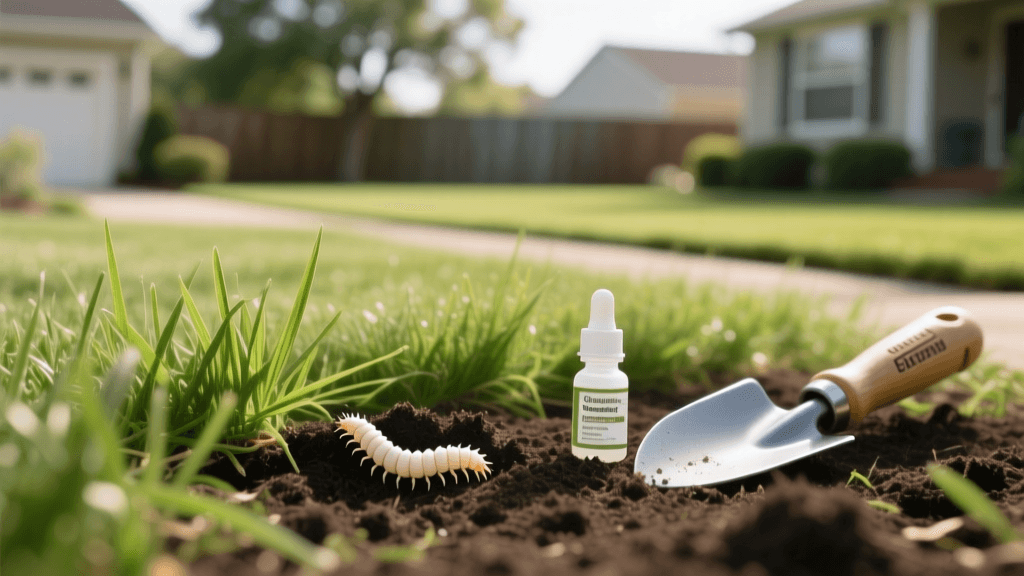
How to Get Rid of Lawn Grubs: A Step-by-Step Guide
Understanding the Enemy: What Are Lawn Grubs?
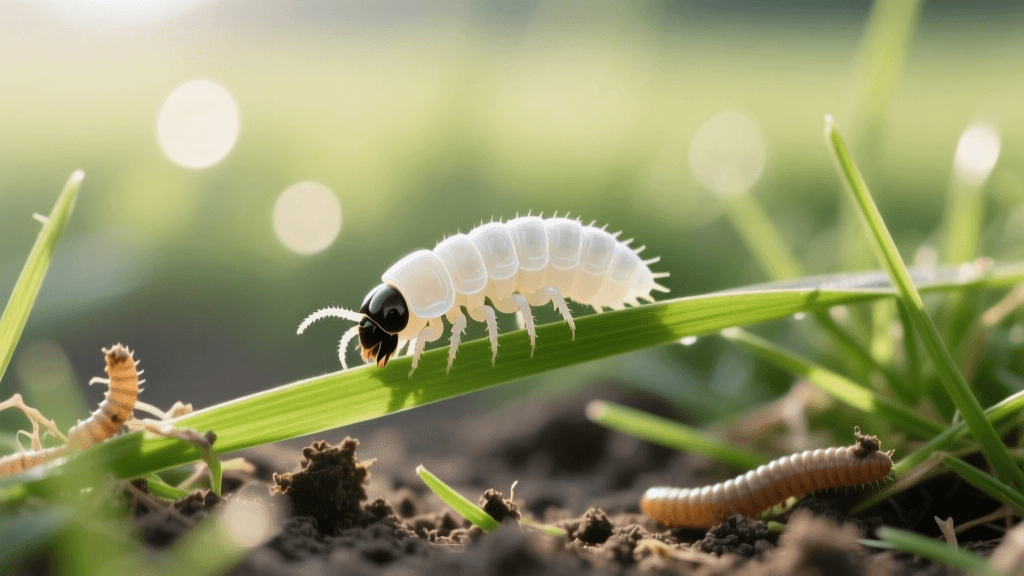
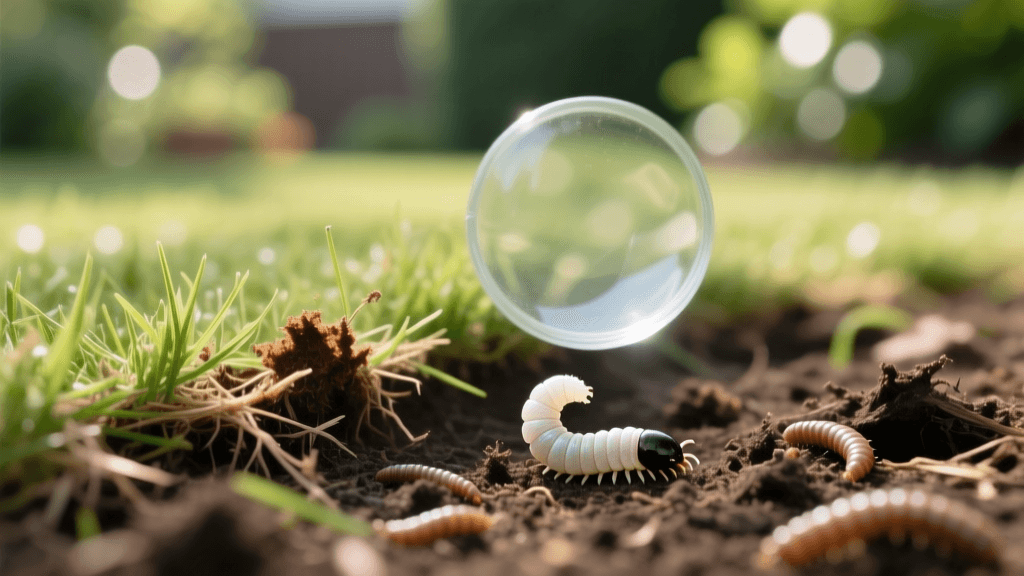
Lawn grubs, commonly referred to as white grubs, are the larval stage of various scarab beetles, including Japanese beetles, June bugs, and European chafers. These C-shaped, cream-colored pests live just beneath the soil surface, where they voraciously feed on the roots of your turfgrass. The damage they cause severs the grass from its root system, leading to irregular brown patches, spongy turf, and increased vulnerability to drought and secondary pests like skunks and raccoons, which will tear up your lawn to feast on the protein-rich larvae.
Successfully managing a grub infestation requires a strategic approach rooted in Integrated Pest Management (IPM). You cannot simply apply a chemical and hope for the best; timing, product selection, and soil preparation are critical. This practical, step-by-step guide will walk you through identifying the pest, determining if treatment is necessary, selecting the right organic or chemical control, and repairing your damaged turf.
Step 1: Confirm the Infestation with a Soap Flush Test
Before purchasing any treatments, you must confirm that grubs are actually the culprit. Brown patches can also be caused by fungal diseases, dog urine, or localized drought. To verify a grub presence, perform a soap flush test or a physical turf peel.
The Soap Flush Method
- Mix the Solution: Combine 2 to 4 tablespoons of liquid dish soap (lemon-scented works exceptionally well) with 1 gallon of water in a watering can.
- Apply to the Turf: Pour the mixture evenly over a 1-square-foot section of the lawn, ideally at the margin where healthy green grass meets the dying brown grass.
- Wait and Observe: Wait for 10 to 15 minutes. The soap irritates the grubs and breaks the surface tension of the soil, forcing them to crawl to the top to breathe.
- Count the Pests: Count the number of grubs that surface. Repeat this process in at least three different areas of your lawn to get an accurate average.
The Tug Test
Alternatively, grab a handful of the brown, dying grass and pull. If the turf rolls back like a freshly laid carpet with no root resistance, and you see C-shaped white larvae in the top 2 inches of soil, you have a severe grub infestation.
Step 2: Evaluate the Damage Threshold
Not every grub requires immediate chemical intervention. A healthy, vigorously growing lawn can tolerate a certain number of feeding larvae without showing visible damage. According to turfgrass entomologists, the economic and aesthetic threshold for treatment depends on the overall health of your turf and the presence of secondary predators.
- Healthy, Well-Irrigated Lawns: Can typically withstand 5 to 10 grubs per square foot before visible damage occurs.
- Stressed or Shaded Lawns: May show damage with as few as 3 to 5 grubs per square foot.
- Predator Presence: If you notice crows, skunks, or raccoons digging up your lawn, the threshold is effectively zero, as the animal damage will be far more destructive than the grubs themselves.
If your soap flush reveals fewer than 5 grubs per square foot and your lawn is otherwise healthy, focus on proper cultural practices (watering and fertilization) rather than applying pesticides.
Step 3: Choose Your Treatment Strategy
Grub control products are divided into two distinct categories: Preventative and Curative. Choosing the wrong product for the time of year is the number one reason homeowners fail to eradicate grubs.
Preventative Control (Long-Term Strategy)
Preventative insecticides are applied in early summer before the eggs hatch or while the larvae are extremely small (first and second instars). These chemicals have long residual activity in the soil, lasting several months. They do not kill large, mature grubs in the fall or spring.
- Active Ingredients: Imidacloprid (e.g., Bayer Advanced Grub Control) or Chlorantraniliprole (e.g., Scotts GrubEx).
- Application Window: June through early August. Chlorantraniliprole can be applied as early as April or May because it takes longer to move into the root zone and activate.
- Cost Estimate: $4.00 to $6.00 per 1,000 square feet.
Curative Control (Emergency Strategy)
Curative insecticides are fast-acting contact killers designed to eliminate large, actively feeding third-instar grubs in late summer, early fall, or early spring. They have a very short residual life (usually a few days to a couple of weeks) and will not protect the lawn from future hatches.
- Active Ingredients: Trichlorfon (e.g., Bayer Advanced 24 Hour Grub Killer) or Carbaryl (e.g., Sevin).
- Application Window: Late August through October, or early March to April for overwintering grubs.
- Cost Estimate: $10.00 to $15.00 per 1,000 square feet.
Step 4: Organic vs. Chemical Treatment Comparison
For homeowners practicing strict Integrated Pest Management or those with pets and children who frequently play on the lawn, organic options are highly viable. Below is a comprehensive comparison of the most effective organic and chemical treatments available on the market.
| Treatment Type | Active Agent | Target Stage | Best Application Time | Estimated Cost (per 1k sq ft) |
|---|---|---|---|---|
| Chemical Preventative | Chlorantraniliprole | Eggs / Early Instar | April - June | $5.00 |
| Chemical Preventative | Imidacloprid | Early Instar | June - August | $4.50 |
| Chemical Curative | Trichlorfon | Late Instar / Mature | August - October | $12.00 |
| Organic Curative | Beneficial Nematodes (Hb) | All Larval Stages | August - September | $35.00 |
| Organic Preventative | Milky Spore (Paenibacillus) | Japanese Beetle Larvae | Spring or Fall | $45.00 |
Deep Dive: Beneficial Nematodes
Beneficial nematodes, specifically the Heterorhabditis bacteriophora (Hb) species, are microscopic, unsegmented worms that naturally occur in soil. When applied to the lawn, they actively hunt down grubs, entering their bodies and releasing a bacteria that kills the grub within 48 hours. The nematodes then reproduce inside the dead grub and release a new generation to hunt for more pests. To be effective, nematodes must be applied to moist soil when soil temperatures are above 60°F, and they must be kept out of direct UV sunlight during application (apply at dusk).
Step 5: Application and Watering Protocols
Applying the product is only half the battle; getting the product into the root zone where the grubs feed is the other half. Grubs live 2 to 6 inches below the soil surface. If your insecticide remains on the grass blades or in the thatch layer, it will degrade in the sun and fail to control the pests.
- Mow the Lawn: Mow your grass to a height of 2 to 2.5 inches before application. This reduces the distance the chemical must travel to reach the soil.
- Dethatch if Necessary: If your thatch layer is thicker than 0.5 inches, it will act as a sponge, absorbing the insecticide and preventing it from reaching the soil. Use a mechanical dethatcher or core aerator before treating.
- Apply the Product: Use a calibrated broadcast spreader for granular products, ensuring a steady walking pace to avoid overlapping and burning the turf.
- Water Immediately: This is the most critical step. You must water the lawn with at least 0.5 inches of water immediately after applying a granular insecticide. Use a rain gauge or an empty tuna can placed on the lawn to measure the water output. This washes the chemical off the grass blades and carries it down into the root zone.
Step 6: Repairing the Turf
Once the grubs have been eradicated, you must address the physical damage left behind. Dead, rootless grass will not recover on its own.
- Remove Dead Turf: Use a stiff garden rake to vigorously rake out the dead brown grass and loosen the top layer of soil.
- Topdress and Seed: Apply a thin layer (about 0.25 inches) of high-quality compost or topsoil over the bare patches. Broadcast a premium grass seed blend that matches your existing lawn (e.g., Tall Fescue or Kentucky Bluegrass) at a rate of 4 to 6 pounds per 1,000 square feet.
- Starter Fertilizer: Apply a phosphorus-rich starter fertilizer to encourage rapid root development in the new seedlings.
- Maintain Moisture: Water the repaired areas lightly 2 to 3 times a day for the first 14 days to keep the top inch of soil consistently moist until germination occurs.
Expert Insights and Authoritative Citations
Timing and accurate identification are the cornerstones of effective IPM. Applying a curative chemical in June or a preventative chemical in October will result in wasted money and continued turf damage. As noted by turfgrass specialists, understanding the local life cycle of the scarab beetle in your specific USDA Hardiness Zone is paramount.
“White grubs are the most destructive insect pests of turfgrass in the Midwest. Preventative insecticides are highly effective and environmentally safer when applied correctly in early summer, as they require lower application rates and target the most vulnerable life stages of the insect. Curative treatments should be reserved strictly for situations where threshold levels are exceeded in late summer or early fall.”
— Purdue University Extension, ‘Managing White Grubs in Turfgrass’
By following this practical guide, monitoring your soil health, and applying the correct treatment at the precise biological window, you can eliminate lawn grubs and restore your turf to a thick, vibrant, and resilient state.