Home & Garden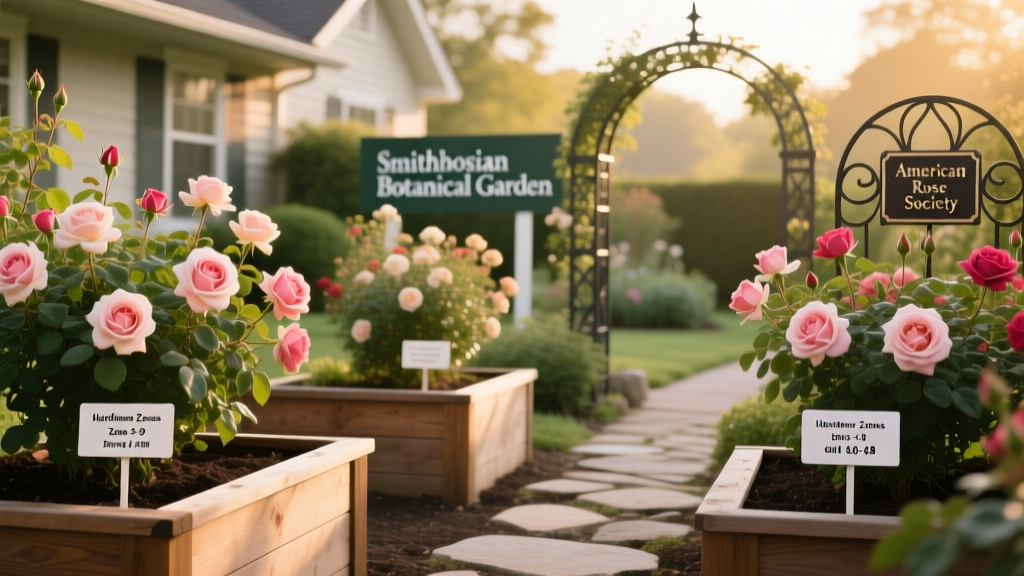
How To Grow Roses For Beginners
Getting Started with Roses in Your Garden
Roses have been grown for over 5,000 years, and it’s easy to see why — few plants pack as much fragrance, color, and presence into a home garden. They’ve gotten a reputation for being fussy, but many newer varieties are bred to resist disease and need less fussing. With a little prep and knowing the basics — sun, soil, water — you can get a healthy rose bed going in one season.
Before you buy your first plant, keep in mind that “roses” covers a huge range. The genus Rosa includes more than 300 species and tens of thousands of cultivars, from tiny miniatures to climbers that reach 20 feet. If you’re just starting out, shrub roses and modern landscape roses tend to be the easiest — they’re bred to stay healthy and bloom more than once.
Understanding Plant Hardiness Zones
The USDA Plant Hardiness Zone Map splits North America into 13 zones based on average winter lows. Each zone is a 10°F band, and your zone tells you which roses are likely to survive your winters. Most hybrid tea roses do well in Zones 5 through 9, while some rugosa types handle Zone 3, where temperatures can hit -40°F.
The American Rose Society, which has tracked rose performance since 1892, suggests cold-climate gardeners (Zones 3–5) try Canadian-bred varieties like the Explorer and Parkland series. These were developed by Agriculture and Agri-Food Canada for winter toughness. In warmer areas (Zones 8–10), heat tolerance matters more, and roses bred in Texas or California often hold up better.
If you’re not sure of your zone, the Royal Horticultural Society (RHS) has a similar hardiness scale for UK and European gardeners. Their online plant finder lets you search roses by hardiness rating. The RHS Award of Garden Merit (AGM) is a good sign — it means the variety was tested in real gardens and held up well.
Matching Varieties to Your Climate
Hardiness isn’t the only thing to consider — look at your local humidity and rainfall, too. In the southeastern U.S., for example, humid springs make black spot fungus especially common. That’s why Knock Out® roses — introduced by Star Roses and Plants in 2000 — are so popular there. They resist black spot and powdery mildew without regular fungicide sprays.
In the Pacific Northwest, cool, wet springs mean air circulation and disease resistance really matter. The Portland Rose Garden in Oregon grows over 10,000 roses across 650 varieties. Their trial gardens are open to the public, so you can walk through and see firsthand which ones stay healthy and keep blooming in that climate.
Soil Preparation and pH Requirements
Roses care about soil chemistry. They grow best in slightly acidic soil, with a pH between 6.0 and 6.5. Outside that range, they struggle to take up nutrients — even if you feed them regularly. A pH above 7.0 can cause iron chlorosis (yellow leaves with green veins), and below 5.5 may lead to manganese toxicity.
Test your soil before planting. You can use an inexpensive home test kit, or send a sample to your local cooperative extension service. Many university extension programs — especially those tied to land-grant universities — offer soil testing for $15–$25 and give clear advice on what to add based on the results.
Amending Your Soil
To lower pH in alkaline soils, work in elemental sulfur: about 1 pound per 100 square feet for sandy soil, or up to 2 pounds for clay. To raise pH in acidic soil, use ground limestone at 5–10 pounds per 100 square feet. Both take time — 6 to 12 months — so fall prep works best if you’re planting in spring.
Organic matter helps, too. Roses like well-draining soil rich in compost or manure. Mix in 3–4 inches of aged compost or well-rotted manure to the top 12 inches of soil before planting. This loosens heavy clay, helps sandy soil hold moisture, and feeds the plants slowly over time.
Planting Depth and Spacing
For grafted roses — the kind most nurseries sell — the bud union (that knobby spot where the top part meets the rootstock) goes at or just below soil level in cold climates, and 1–2 inches above soil level in warm ones. Plant it too deep in warm areas and the rootstock may take over; too shallow in cold spots and frost can damage it.
Spacing depends on the type. Hybrid teas usually need 24–36 inches between plants. Shrub roses need more room — 4–6 feet. Climbers trained on a trellis or pergola do best 8–10 feet apart. Crowding cuts down airflow, which raises the risk of fungal problems.
Bloom Times and Seasonal Planning
One of the pleasures of growing roses is planning for color all season long. Some bloom just once — usually late spring or early summer — while others repeat every 6–8 weeks from late spring through fall.
Once-blooming roses include many old garden and species types. They flower for about 4–6 weeks in late May or June in temperate zones. That single show is often fragrant and dramatic, and many produce hips in fall — great for looks and for birds.
Repeat-blooming roses push out new flowers in waves. The first flush, in late spring, is usually the heaviest. Deadheading — cutting off spent blooms — helps speed up the next round by keeping the plant from making seeds. Skip deadheading in late summer if you want hips.
"The most common mistake new rose growers make is planting in too much shade. Roses need a minimum of 6 hours of direct sunlight daily to bloom well and resist disease. In hot climates, afternoon shade can be beneficial, but morning sun is non-negotiable — it dries dew from the leaves quickly, reducing fungal pressure."
Watering, Feeding, and Pruning
Mature roses need about 1 inch of water a week during the growing season — from rain or irrigation. Deep, infrequent watering works better than light daily sprinkles because it pushes roots down. Drip lines or soaker hoses are ideal: they soak the roots without wetting the leaves, which cuts down on disease.
Avoid overhead watering at night. Wet leaves overnight invite black spot and powdery mildew. If you must use a sprinkler, water in the morning so foliage dries before dark.
Fertilize on a simple schedule. Use a balanced granular fertilizer (like 10-10-10) in early spring when new growth starts. Switch to something higher in phosphorus (the middle number) as buds form to support flowering. Stop feeding 6–8 weeks before your area’s average first frost — you don’t want tender new growth getting zapped by cold.
When to prune depends on where you live. In most temperate areas, wait until early spring, when forsythia blooms — a solid sign that freezing nights are behind you. Cut out dead, broken, or crossing canes, and shorten the rest by one-third to one-half to spark fresh growth.
Common Pests and Disease Management
Even well-cared-for roses run into pests and disease. Black spot, aphids, and Japanese beetles are the usual suspects for beginners. Knowing how each one behaves helps you act before things get out of hand.
- Black spot (Diplocarpon rosae): Causes round black spots on leaves, then leaf drop. It spreads in wet weather and lives in old fallen leaves. Rake up and trash infected leaves (don’t compost them), and spray with chlorothalonil or myclobutanil every 7–14 days when it’s damp.
- Aphids: Soft green or black bugs that cluster on new shoots and buds. A strong blast of water knocks most off. For stubborn cases, insecticidal soap or neem oil works. Skip broad-spectrum sprays — they kill ladybugs, which eat aphids.
- Japanese beetles: Adults chew leaves and flowers from late June through August. Hand-picking into soapy water works for small numbers. Don’t use beetle traps — University of Kentucky Extension research (2019) found they pull in more beetles than they catch, worsening damage nearby.
- Rose sawfly: Larvae that eat the underside of leaves, leaving a thin, translucent “window.” Check under leaves in late spring and pick off larvae or spray with insecticidal soap.
- Powdery mildew: A white, dusty film on leaves and buds, worst when days are warm and nights cool. Space plants well and prune for airflow. A sulfur-based fungicide applied early helps prevent it.
Garden Structures and Design Integration
Roses work well with all kinds of garden structures. Climbers on pergolas, arches, and trellises add height and shape — they can frame views or define spaces. Pick rot-resistant materials like cedar, redwood, or powder-coated steel. These supports need to last 20+ years under the weight of a mature rose.
The rose garden at the Huntington Botanical Gardens in San Marino, California, spans 1.5 acres and holds over 1,200 varieties. They mix formal beds, pergolas, and pillar roses to show how roses fit at different scales. Their layout — hybrid teas in center beds, climbers on surrounding pergolas — is a practical model for smaller yards.
- Arches and tunnels: Two climbing roses, one on each side of a single arch, make a strong entrance feature. Flexible canes — like those on 'New Dawn' or 'Zéphirine Drouhin' — train more easily than stiff ones.
- Pillar roses: A 6–8 foot post with roses spiraled around it adds vertical interest without needing a full structure. Good for tight spaces where a pergola would feel too big.
- Fences and walls: Climbers on south- or west-facing walls get extra warmth from the surface, sometimes stretching their hardiness half a zone. Attach canes with vine eyes and galvanized wire, keeping them at least 4 inches from the wall for airflow.
- Mixed borders: Shrub roses blend naturally into perennial beds. Pair them with catmint (Nepeta) or salvia — they bloom at the same time and help hide the bare lower stems many roses develop.
A Quick Reference for Common Beginner Varieties
| Variety | Type | Hardiness Zone | Bloom Time | Disease Resistance |
|---|---|---|---|---|
| Knock Out® Red | Shrub | 4–9 | Repeat (spring–frost) | Excellent |
| New Dawn | Climber | 5–9 | Once + light repeat | Good |
| Carefree Beauty | Shrub | 4–9 | Repeat | Excellent |
| Mr. Lincoln | Hybrid Tea | 5–9 | Repeat | Moderate |
| Therese Bugnet | Rugosa Hybrid | 3–8 | Once + light repeat | Excellent |
| Queen of Sweden | English Shrub | 4–9 | Repeat | Good |
The varieties above are solid picks for beginners across different regions. The David Austin Roses catalog, published every year since 1969, is still one of the best resources for English shrub roses. Their notes come from trials at their gardens in Albrighton, Shropshire, UK.
Start with two or three plants instead of a whole bed. That way you can learn how your soil, sun, and weather affect them — when to water, how to spot trouble early, what your microclimate does to growth — before adding more. Most seasoned rose growers will tell you their best results came after watching and adjusting over a few seasons, not from sticking to a strict plan. Roses respond to attention, and the more you notice, the better your care gets.
