Pest Control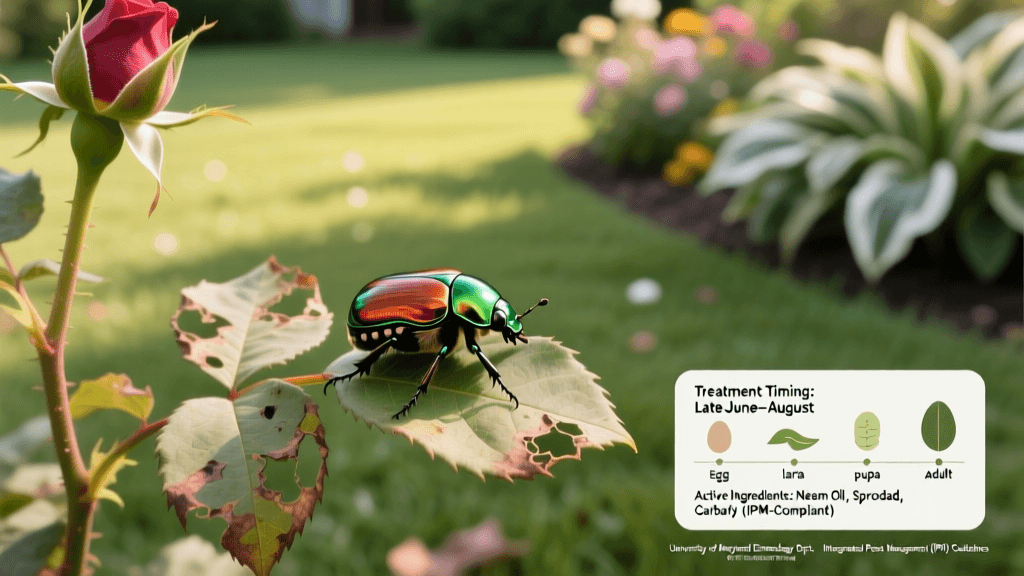
How To Identify And Treat Japanese Beetle Damage
Recognizing Japanese Beetle Damage in Your Garden and Lawn
Japanese beetles (Popillia japonica) are a common pest across the eastern United States, causing around $450 million in damage each year to lawns, garden plants, and crops. They first showed up in New Jersey in 1916 and have since spread to more than 30 states, slowly moving west. Spotting the signs early — and knowing when to step in — can keep a small problem from turning into a serious one.
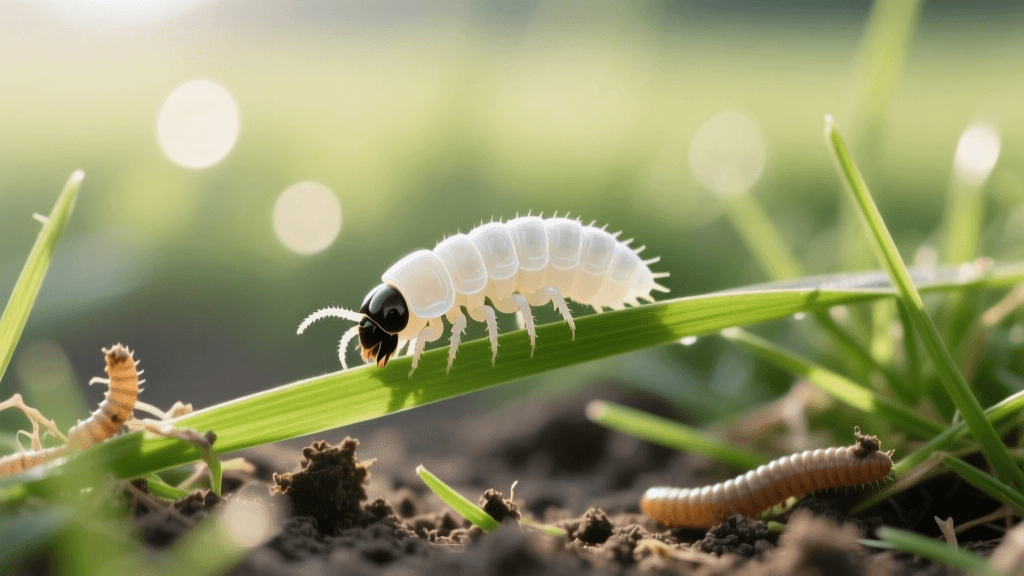
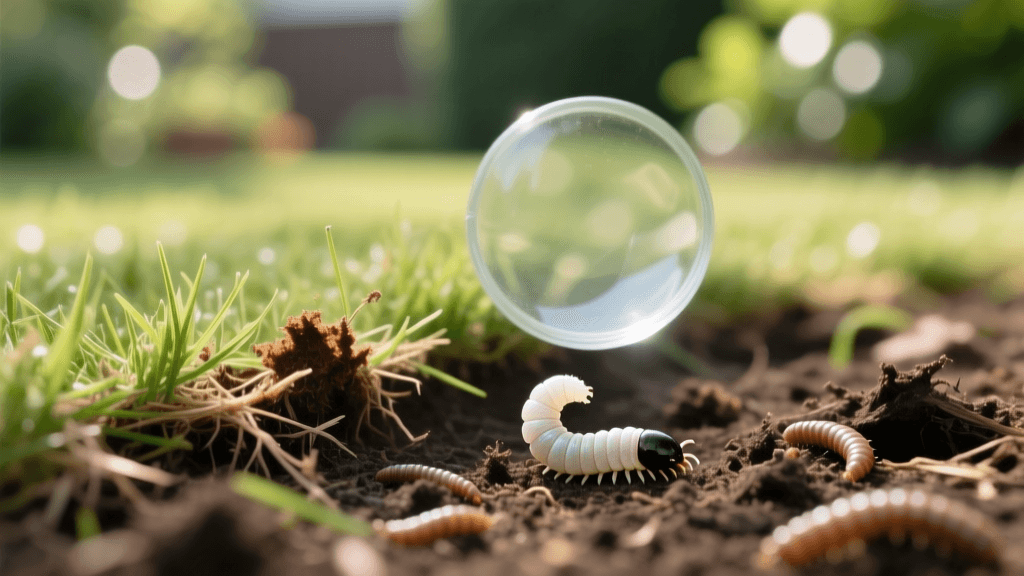
Adult beetles eat the soft parts of leaves, leaving behind a lacy, brown skeleton that dries out and falls off. On roses, they chew right through the petals. On corn, they tear up the silk. The grubs — the beetle’s larval stage — live underground and feed on grass roots. That causes patches of lawn to turn brown and feel spongy, sometimes lifting away from the soil like loose carpet. Because adults and grubs need different approaches, treating just one won’t solve the whole issue.
The Japanese Beetle Life Cycle
Timing matters when you’re dealing with Japanese beetles. Most places see one generation per year, though it can stretch to two years in colder northern areas.
Egg and Grub Stages
Females lay eggs in moist, well-watered turf from late June through August. Each lays about 40–60 eggs over her life, burying them 2–4 inches down. Eggs hatch in roughly two weeks. The tiny first-instar grubs start feeding on organic matter and fine roots near the surface. By late August, they grow larger and move deeper. By October, the third-instar grubs — the ones that do the most root damage — settle 4–8 inches down to wait out winter below the frost line.
In spring, as the soil warms past 50°F (10°C), those grubs head back up and start feeding on grass roots again — usually from March through May. This spring feeding often goes unnoticed, but it can thin out your lawn before the adults even appear.
Adult Emergence and Feeding
Adults start coming up in late June in most mid-Atlantic and Midwest areas, with numbers peaking between July 1 and August 15. They live about 30–45 days and feed mostly on warm, sunny afternoons. They tend to gather in groups — chemicals released by both the beetles and the plants they’re eating draw more beetles in, so a few on a plant can quickly become dozens.
The University of Kentucky Entomology Department says adults feed on more than 300 kinds of plants. They especially like roses, grapes, lindens, Japanese maples, and crabapples. In farm fields, they go after corn, soybeans, and stone fruits too.
Scouting and Damage Thresholds
Instead of spraying on a set schedule, it’s better to check your plants and lawn regularly and only act when needed. For grubs in lawns, Rutgers University Cooperative Extension suggests stepping in if you find 10 or more grubs per square foot in a typical home lawn. If your lawn is high-maintenance or especially valuable, you might consider treatment at 6–8 grubs per square foot.
To check for grubs, cut three sides of a 1-square-foot patch of turf to a depth of 3 inches and fold it back. Look for C-shaped white grubs. Do this in several spots — especially where the grass looks yellow or feels spongy. Average your counts to see if you’ve hit the threshold.
For adults on ornamental plants, look at the damage: if more than 30% of the leaves are skeletonized, or if you’re seeing 5–10 beetles on a single plant (especially on something sensitive like roses), it’s time to take action. Pheromone traps can help confirm beetles are around, but don’t hang them near plants you care about — research from the University of Georgia shows these traps pull in more beetles than they catch, which can make nearby damage worse.
Organic and Biological Control Methods
Beneficial Nematodes
Entomopathogenic nematodes — especially Heterorhabditis bacteriophora — attack Japanese beetle grubs. These tiny worms get inside the grub and release bacteria that kill it within a day or two. Apply them when soil temperatures are between 60°F and 93°F (15–34°C) and the grubs are still small — usually from late August through September. A typical rate is 23 million nematodes per 1,000 square feet. Keep the soil damp for at least two weeks after applying so the nematodes survive.
Milky Spore Disease
Bacillus popilliae, sold as milky spore powder, is a natural soil bacterium that infects and kills Japanese beetle grubs. It works best in the mid-Atlantic, where the beetle has been around longest and soil conditions help the bacteria stick around. The USDA says once established, milky spore can stay active in the soil for 10–20 years. But it takes 2–3 years to build up enough to make a real difference, and it works better when neighbors apply it too — not just on one yard.
Neem-Based Products
Azadirachtin, the active ingredient in neem seed extracts, interferes with insect growth and feeding. Products like Azatin or Neemix, sprayed on leaves, can keep adult beetles from feeding and may reduce egg-laying if they ingest it. You’ll need to reapply every 7–14 days because sunlight breaks it down quickly. It’s approved for organic use and doesn’t harm most beneficial insects — especially if you spray in the evening after bees and other pollinators have settled down.
Chemical Control Options and Active Ingredients
Sometimes organic or cultural methods aren’t enough, and chemical options give quicker results. Which product you choose depends on whether you’re targeting adults or grubs, when you apply it, and how close you are to pollinators or water.
"Integrated Pest Management programs emphasize that insecticides should be the last resort, applied only when pest populations exceed economic or aesthetic thresholds and when other tactics have proven insufficient. Rotating active ingredient classes reduces the risk of resistance development." — Penn State Extension, Integrated Pest Management Program, 2023
Contact insecticides work fast on adult beetles but only protect the parts of the plant you spray — and their effect doesn’t last long. Systemic insecticides move through the plant and offer longer protection, but they can harm pollinators if used on blooming plants.
| Active Ingredient | Target Stage | Residual Activity | Pollinator Risk | Notes |
|---|---|---|---|---|
| Imidacloprid | Grubs (soil) | Up to 12 months | High if applied to blooming plants | Apply June–July for best grub control; avoid flowering turf |
| Chlorantraniliprole | Grubs (soil) | Up to 6 months | Low | Apply April–June; excellent early-season timing |
| Carbaryl (Sevin) | Adults (foliar) | 7–14 days | High | Do not apply to open flowers; toxic to bees |
| Pyrethrins | Adults (foliar) | 1–3 days | Moderate | Fast knockdown; apply in evening; OMRI-listed formulations available |
| Trichlorfon | Grubs (soil) | Short (days) | Low in soil | Curative; use when grubs already present and damaging |
Chlorantraniliprole — sold as Acelepryn for pros or GrubEx Season-Long Grub Killer for homeowners — has become a go-to for grub control in many IPM programs. It’s low-risk for people and pets, doesn’t hurt many beneficial insects, and lasts a long time in the soil. The Midwest Pesticide Action Center lists it as a reduced-risk option when you need a chemical grub killer.
Cultural Practices That Reduce Beetle Pressure
Cultural controls don’t involve sprays or powders, but they can lower beetle numbers over time. Some of them interrupt the beetle’s life cycle or make your yard less appealing to them.
- Reduce irrigation in July and August. Female beetles lay eggs in damp soil. Letting your lawn dry out a bit during peak egg-laying (late June through August) can cut egg survival by half or more, according to Ohio State University Extension.
- Overseed with endophyte-enhanced grasses. Tall fescue and perennial ryegrass varieties that host certain fungi produce compounds that discourage grub feeding. These grasses are easy to find and offer steady, low-effort protection.
- Hand-pick adults in the morning. Beetles move slowly in cool morning air. Knock them into a bucket of soapy water — it’s a bit of work, but it helps on prized plants like roses.
- Avoid planting highly preferred host plants in spots where beetles have always been bad. Swap lindens for ginkgo or sweetgum; try native red maples instead of Japanese maples, since beetles don’t favor them as much.
- Encourage natural predators. Birds like starlings and robins, plus animals like skunks, eat lots of grubs. Letting birds forage in your lawn can help control grubs, though skunks digging for them may leave small holes behind.
Treatment Timing Calendar
Getting the timing right makes a big difference. Spraying a grub control in September, for example, is usually too late — third-instar grubs don’t respond well to most products, and you’ll likely waste money.
- April–May: Check for signs of spring grub feeding. If your grub count is above the threshold, consider a curative product like trichlorfon. Start watching for adult emergence using degree-day models.
- Late June–July: Adults are most active now. Begin foliar treatments on ornamentals if beetle numbers cross your threshold. This is also the best window to apply preventive grub controls (imidacloprid or chlorantraniliprole) to your lawn.
- August: Keep managing adults. Apply nematodes if soil temps are right and grubs are still small. Cut back on watering to make your lawn less inviting for egg-laying.
- September–October: Grubs are growing larger and heading deeper. Curative treatments lose steam. Focus on reseeding bare or damaged spots and getting ready for next season.
- November–March: Grubs are dormant below the frost line. No grub treatments will work now. Use this time to plan next year’s approach and order any biological controls you’ll need.
Degree-day models — offered by state extension services like Michigan State University’s Enviro-weather system — track heat accumulation to predict when adults will emerge. That’s more reliable than guessing by calendar, since spring and summer temperatures vary from year to year. Adults usually start showing up around 1,030 degree-days (base 50°F) from January 1.
Monitoring Tools and Resources
Several university and government resources can help you track and manage Japanese beetles. The USDA Animal and Plant Health Inspection Service (APHIS) posts an updated national map of where the beetles are found each year. State extension offices — especially at Rutgers, Penn State, and the University of Kentucky — publish local guides with region-specific advice, including realistic treatment thresholds and product suggestions.
Pheromone-baited traps are handy for spotting adults and confirming they’ve moved into a new area. The standard lure combines eugenol (a floral scent) with japonilure (a sex pheromone). They’re useful for detection, but place them at least 30 feet away from plants you want to protect — they pull beetles in from all directions and can increase feeding nearby.
If you deal with beetles every year, your local cooperative extension office is a good place to start. They offer soil testing, help with grub scouting, and updates on which products are registered for use in your area. IPM programs at land-grant universities often provide free or low-cost advice and can help tell Japanese beetle grubs apart from other white grub species — which matters, since some treatments only work on certain types.