Tree Care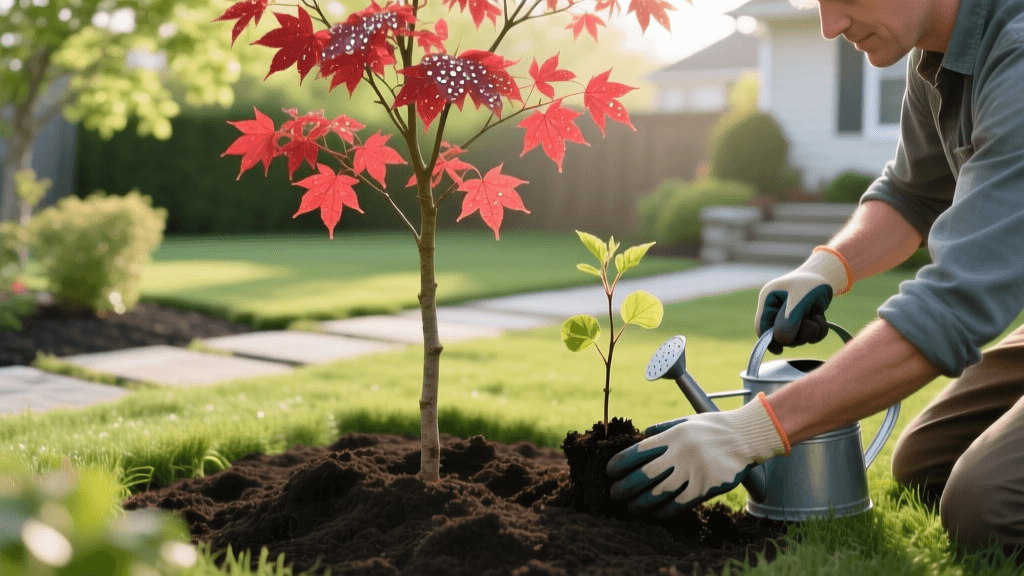
How to Plant and Grow Red Maple Trees: Beginner Guide
Introduction to the Red Maple
Welcome to the rewarding world of tree planting. If you are a beginner looking to add vibrant color, reliable shade, and native ecological value to your landscape, the Red Maple (Acer rubrum) is an outstanding choice. Known for its brilliant crimson fall foliage and adaptable nature, the Red Maple is one of the most popular deciduous trees in North America. According to the USDA Plants Database, this native species thrives across a massive range of hardiness zones, making it a versatile option for both novice and experienced gardeners.
Why Choose a Red Maple for Your Yard?
Red Maples are celebrated for their rapid growth rate, often adding one to two feet of height per year under optimal conditions. Unlike some maples that demand highly specific environments, the Red Maple is remarkably tolerant of various soil types, including wet or poorly drained soils where other trees might struggle. Furthermore, they provide excellent ecological benefits, offering early spring pollen for bees and seeds that feed local bird populations. For a beginner, a tree that forgives minor mistakes and still delivers spectacular autumn color is an invaluable addition to the landscape.
Top Cultivars for Beginners
While the straight species is beautiful, many homeowners prefer named cultivars for more predictable fall color and disease resistance. Here are three excellent choices:
- October Glory: Famous for its late-season, brilliant red-to-purple fall color and dense, oval canopy.
- Red Sunset: Offers slightly earlier, intense orange-red fall foliage and exceptional heat tolerance.
- Autumn Flame: A smaller, faster-growing cultivar that turns bright scarlet earlier in the autumn season.
Quick Reference Growing Chart
| Feature | Specification |
|---|---|
| Hardiness Zones | 3 through 9 |
| Mature Height | 40 to 60 feet |
| Mature Spread | 30 to 50 feet |
| Sunlight Needs | Full sun to partial shade |
| Soil Preference | Moist, slightly acidic (pH 4.5 to 6.5) |
| Growth Rate | Medium to Fast (1-2 feet per year) |
| Estimated Cost (5-gallon) | $60 to $120 |
Step-by-Step Planting Guide
Planting a tree correctly from day one is the single most important factor in its long-term survival. Follow these steps to ensure your Red Maple establishes a robust root system.
1. Choosing the Right Location
Red Maples need ample space to grow. Plant your tree at least 15 to 20 feet away from your home's foundation, driveways, and sidewalks to prevent root damage to hardscaping as the tree matures. Ensure the site receives at least six hours of direct sunlight daily for the most vibrant fall color, though the tree will tolerate partial shade.
2. Preparing the Soil
Red Maples prefer slightly acidic soil. If your soil is highly alkaline (pH above 7.0), the tree may develop chlorosis, a condition where leaves turn yellow due to manganese deficiency. You can test your soil using a basic home kit or send a sample to your local cooperative extension. If the soil is too alkaline, amend it with elemental sulfur or peat moss prior to planting.
3. Digging the Hole
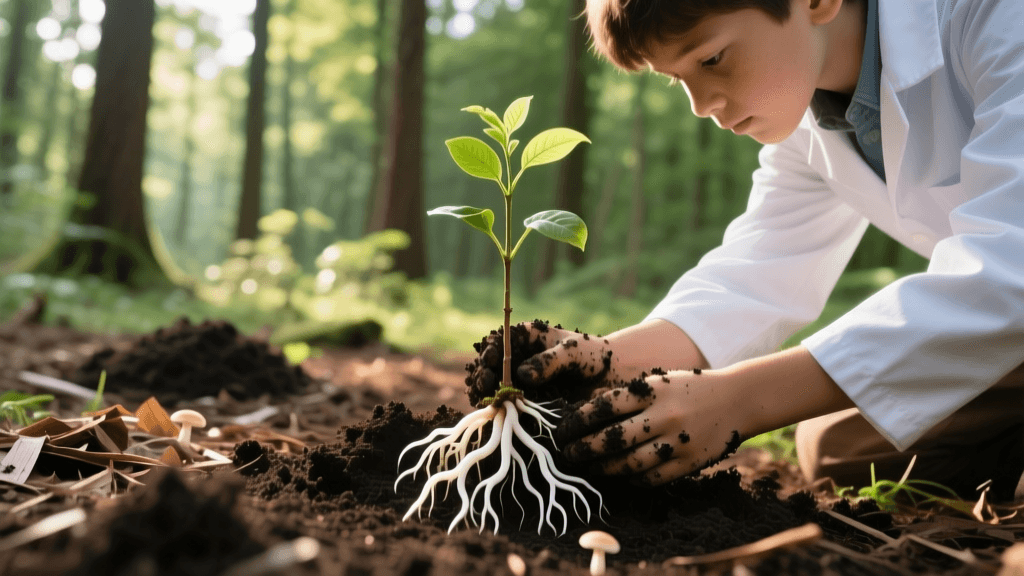
The most common mistake beginners make is digging a hole that is too deep and too narrow. According to the Clemson Cooperative Extension, you should dig a hole that is two to three times wider than the root ball, but only just as deep. The goal is to keep the 'root flare' (the point where the trunk widens at the base and meets the roots) slightly above or exactly level with the surrounding grade. Planting a tree too deep will suffocate the roots and lead to a slow decline.
Pro Tip: Before placing the tree in the hole, locate the root flare by gently brushing away the top layer of nursery soil. Never plant a tree with the root flare buried.
4. Planting and Backfilling
Gently lower the tree into the center of the hole. If it is in a plastic container, cut the pot away rather than pulling the tree out by the trunk. If it is balled-and-burlapped, cut away any synthetic twine or wire baskets. Backfill the hole with the native soil you just dug out. Avoid adding heavy fertilizers or rich compost directly into the planting hole, as this can discourage the roots from expanding into the surrounding native earth. Tamp the soil gently to remove large air pockets, then water deeply.
Essential Care and Maintenance
Watering Schedule
Newly planted Red Maples require consistent moisture during their first two to three growing seasons. A good rule of thumb is to provide 10 gallons of water per week for every inch of the trunk's diameter. Use a soaker hose or a slow-dripping garden hose placed at the base of the tree for 30 to 45 minutes. During periods of drought, increase watering frequency. The soil should be moist but not waterlogged.
Mulching Techniques
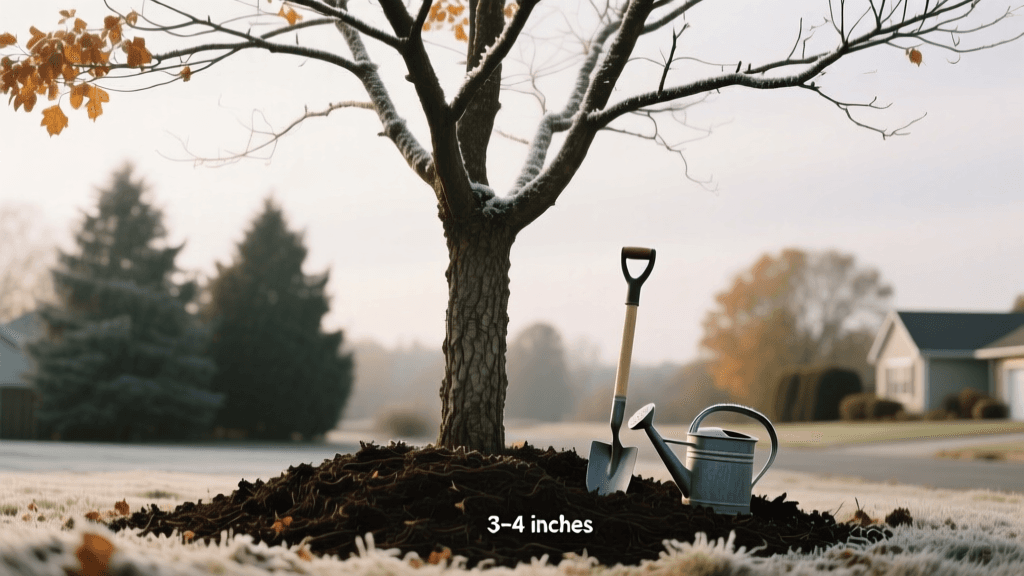
Mulch is a tree's best friend, but only when applied correctly. Apply a 2-to-3-inch layer of organic wood chips or shredded bark in a wide ring around the tree, extending out to the drip line if possible. Crucially, keep the mulch at least 3 inches away from the actual trunk. Piling mulch against the bark (often called 'volcano mulching') traps moisture, invites fungal diseases, and encourages girdling roots, as noted by experts at Penn State Extension.
Fertilizing Needs
Red Maples generally do not require heavy fertilization, especially if planted in a lawn that is already receiving nutrients. If a soil test indicates a deficiency, apply a slow-release, balanced fertilizer (such as a 10-10-10 NPK) in early spring just before the buds break. Never fertilize a drought-stressed tree or apply fertilizer late in the fall, as this can stimulate tender new growth that will be killed by winter freezes.
Pruning and Shaping Your Red Maple
Red Maples naturally develop a strong, central leader and an attractive oval or rounded canopy, meaning they require minimal pruning. When pruning is necessary, always do it during the dormant season in late winter or very early spring. Pruning in late spring or summer can cause the tree to 'bleed' excessive sap, which, while not fatal, is unsightly and can stress the tree.
Focus on removing dead, diseased, or crossing branches. If two branches are rubbing against each other, remove the weaker one to prevent bark damage that could invite pests. Always use sterilized, sharp pruning shears or a pruning saw to make clean cuts just outside the branch collar.
Common Pests and Diseases
While generally hardy, Red Maples can occasionally fall victim to a few issues:
- Tar Spot: A fungal disease that causes unsightly black, tar-like spots on the leaves in late summer. It is mostly cosmetic and rarely harms the overall health of the tree. Raking and destroying fallen leaves in autumn helps prevent reinfection.
- Aphids and Scale: These sap-sucking insects can cause leaf curling and drop a sticky substance called honeydew. A strong blast of water from a hose or the application of horticultural oil in early spring can manage mild infestations.
- Verticillium Wilt: A soil-borne fungus that causes branches to wilt and die back suddenly. There is no cure, so prevention through proper watering and avoiding root injury is the best defense.
Conclusion
Planting a Red Maple is an investment in the future beauty and ecological health of your property. By selecting the right cultivar, planting at the correct depth, and providing consistent water during the establishment years, you will be rewarded with a majestic tree that provides cooling summer shade and a fiery autumn display for decades to come. Grab your shovel, follow these beginner-friendly steps, and enjoy the lifelong benefits of growing your very own Red Maple.