Tree Care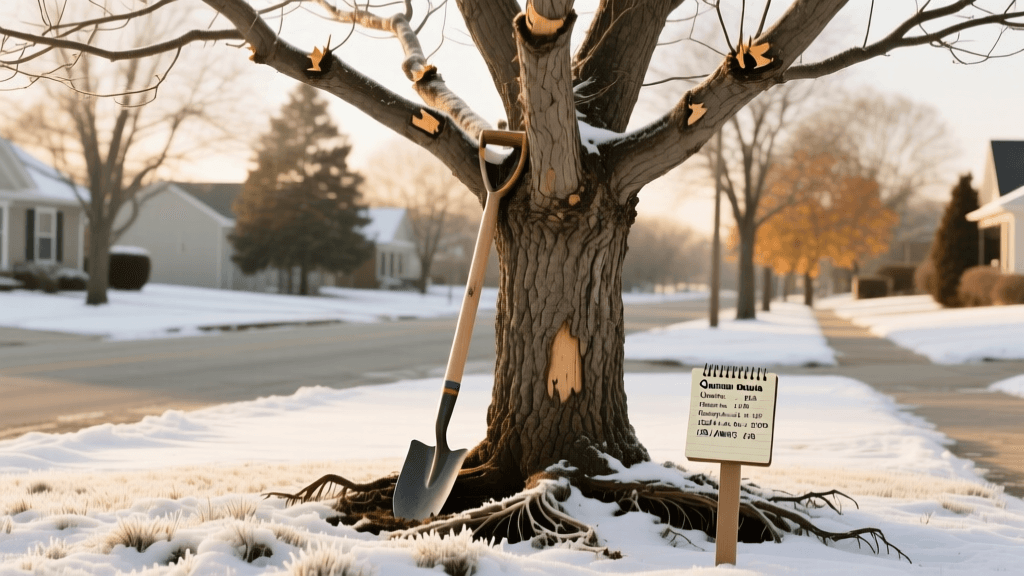
How To Protect Trees From Winter Damage
Understanding Winter Stress in Trees
Winter is tough on trees, especially in USDA Hardiness Zones 3 through 6, where temperatures can drop below -20°F (-29°C) and freeze-thaw cycles happen often. Even cold-hardy species can get hurt by drying winds, heavy ice, or sudden temperature changes.
Trees face several winter problems: frost cracking, drying out of evergreen leaves, root damage from frozen soil, bark splitting from sunscald, and broken branches under snow and ice. According to the International Society of Arboriculture (ISA, 2022), winter damage causes a large share of urban tree death and decline — much of it avoidable with preparation starting in late summer and fall.
Deciduous trees go dormant as days shorten and temperatures cool, but dormancy takes time to set in. Trees that get too much nitrogen late in the season may keep putting out soft new growth into autumn, leaving that tissue exposed to early frosts. The University of Minnesota Extension suggests stopping nitrogen applications by mid-July in Zone 4 so trees have time to harden before the first hard freeze.
Species-Specific Vulnerability and Cold Hardiness
Trees react differently to winter. Cold tolerance depends on species, where the tree came from, and even its own genetics. Choosing a tree suited to your climate zone is the simplest way to protect it.
Deciduous Species Considerations
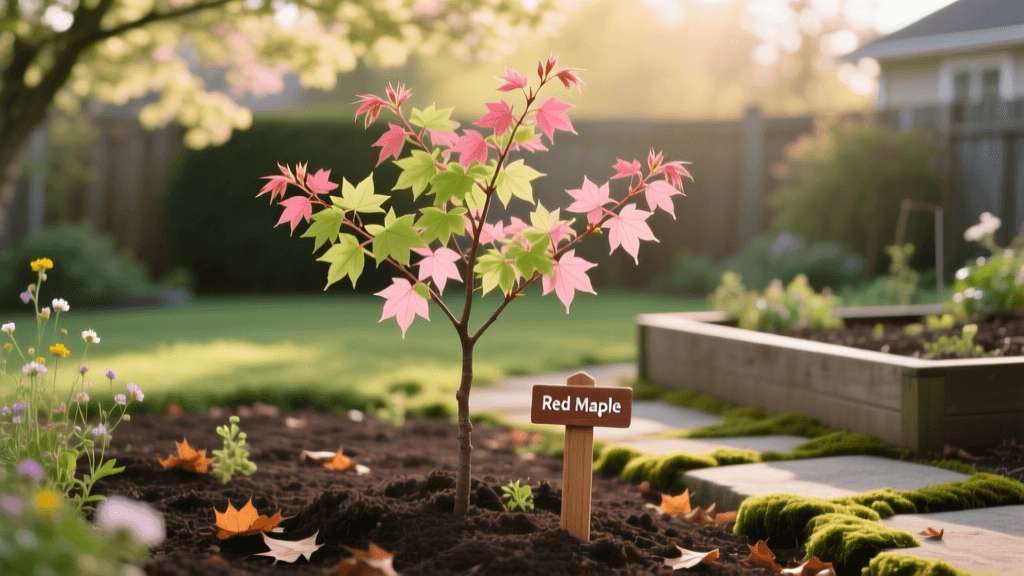
Sugar maple (Acer saccharum) handles Zone 3 winters well (-40°F / -40°C), but its thin bark burns easily in winter sun. Young sugar maples with trunks under 4 inches wide do better with tree wrap from October through April. Red maple (Acer rubrum) doesn’t quite match sugar maple’s cold tolerance, but it grows in more soil types and cracks less often in frost.
Ornamental pears like Pyrus calleryana 'Bradford' have another issue: their tight, upright branch structure holds ice poorly, and branches often split where angles are less than 30 degrees. The Morton Arboretum in Lisle, Illinois, found that Bradford pear branches with included bark can fail under just 0.5 inches of radial ice. Pruning early to build a strong central leader helps prevent this.
Evergreen Species Considerations
Broadleaf evergreens like rhododendrons and hollies lose water through their leaves all winter, but frozen ground keeps roots from replacing it — a problem called winter desiccation or desiccation burn. Needled evergreens such as arborvitae (Thuja occidentalis) and false cypress (Chamaecyparis spp.) often turn brown on the side facing steady winds over 15 mph unless there’s a windbreak.
Eastern white pine (Pinus strobus), one of the fastest-growing conifers in the eastern U.S. at 2 to 3 feet per year, spreads its roots widely — usually about 1.5 times the tree’s height. That makes it sensitive to frost heave in shallow soils. A 3- to 4-inch layer of mulch over the root zone cuts down on soil temperature swings and shields feeder roots.
Newly Planted Trees Require Extra Attention
Trees planted within the past two to three years haven’t built enough roots to handle big temperature shifts. In its first growing season, a newly planted tree usually replaces only 10 to 20 percent of its original root mass (ISA, 2022). With fewer roots, it pulls up less water and nutrients — making it more likely to dry out or suffer frost heave than a mature tree.
Mulching: The Most Effective Single Protective Measure
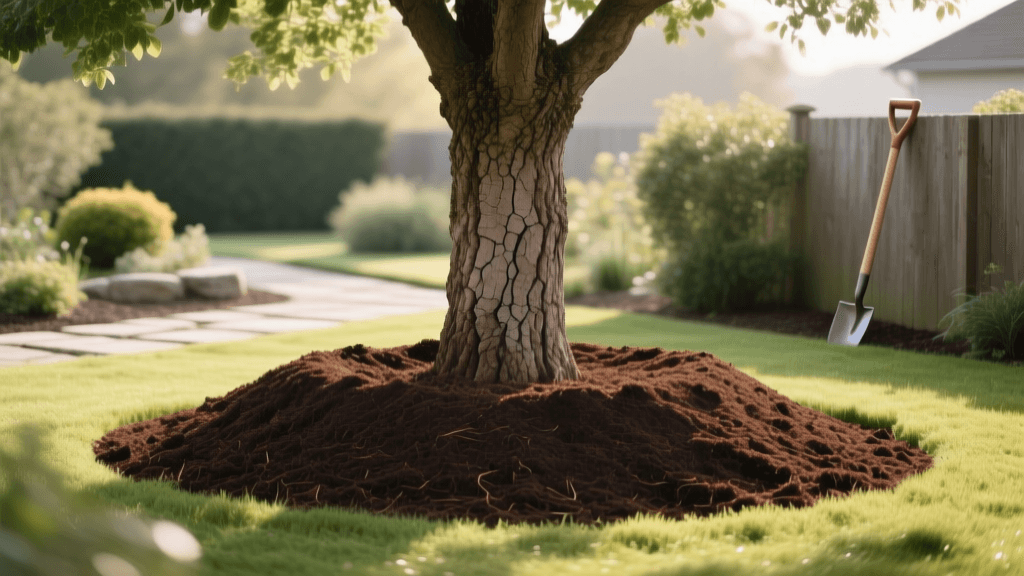
Spreading organic mulch over the root zone is the top winter protection step arborists recommend. Mulch keeps soil temperatures steadier, holds moisture, cuts down on frost heave, and keeps weeds down. The ANSI A300 Part 6 standard for planting and transplanting says mulch should extend to the drip line and be 2 to 4 inches deep.
Avoid “volcano mulching” — piling mulch right up against the trunk. Mulch touching bark holds in moisture, encourages fungus, and can rot the cambium. Leave a 3- to 6-inch gap between the mulch and the trunk flare. Coarse wood chips work better than fine bark because they don’t pack down as easily and let air move through.
"Proper mulching of the root zone is one of the most beneficial things a homeowner can do for a tree. A 2- to 4-inch layer of organic mulch applied over the root zone can reduce soil temperature fluctuations by up to 10°F and retain up to 25% more soil moisture compared to bare soil." — International Society of Arboriculture, Best Management Practices: Tree Planting, 2022
Pruning Practices That Reduce Winter Risk
Pruning before winter lowers the chance of ice and snow buildup and removes weak branches before they break. But timing and technique matter. Late-season pruning on some trees can push out new growth that won’t harden before frost.
The ANSI A300 Part 1 standard for pruning says cuts should sit just outside the branch collar — the swollen area where branch meets trunk. That collar has natural defenses. Cutting flush, right against the trunk, removes it, slowing wound closure and giving decay fungi an easier path in — especially risky when the tree’s defenses are already low in winter.
- Remove dead, dying, and diseased branches in late summer or early fall, before full dormancy kicks in. Dead wood breaks most easily under ice and snow.
- Eliminate co-dominant stems and included bark on young trees through structural pruning. Branches with included bark aren’t truly attached to the trunk and tend to split under winter loads.
- Reduce end weight on long, horizontal branches by cutting back to a lateral branch that’s at least one-third the diameter of the branch you’re shortening, following ANSI A300 Part 1 guidelines.
- Avoid heavy pruning of oaks (Quercus spp.) in fall in areas where oak wilt (Bretziella fagacearum) is present. Fresh cuts attract sap beetles that carry the fungus. Prune oaks only during full winter dormancy or wait until late summer.
- Do not top trees to reduce snow load. Topping leaves big wounds, triggers weak new growth, and violates ISA standards as harmful to tree structure and health.
Physical Protection Methods for Vulnerable Trees
Mulching and pruning help, but some trees need extra physical protection. What works best depends on the species, age, and main winter threat in your area.
Trunk Wraps and Guards
Sunscald happens when winter sun warms bark on the south or southwest side of a trunk, waking up the cambium. When nighttime temps drop, that active tissue dies — leaving sunken, discolored, cracked, or peeling bark. Young trees with smooth, thin bark — like maples, lindens, and fruit trees — are most at risk.
Light-colored tree wrap or commercial trunk guards reflect sunlight and keep bark temperatures steadier. Wrap from the base upward to the first major branch in a spiral, overlapping each layer halfway. Take it off in spring to avoid trapping moisture or sheltering insects. Plastic spiral guards stop rodents from chewing bark, but remove them in spring too — otherwise, they can girdle the trunk as the tree grows.
Anti-Desiccant Sprays for Evergreens
Anti-desiccant (or anti-transpirant) sprays coat evergreen leaves with a thin film that slows water loss through the stomata. Most use pinene-based polymers. Apply when temps are above 40°F (4°C) and foliage is dry — usually once in late November and again in late January or early February in Zone 5 and colder. Rutgers University’s Department of Plant Biology found one application cuts transpiration by about 30 to 50 percent for 6 to 8 weeks.
Burlap Screens and Windbreaks
Burlap screens shield evergreens from drying winds and road salt without holding in heat like plastic wraps. Build a three-sided screen on the windward and road-facing sides, leaving the top open for light and airflow. Set stakes in the ground before it freezes, then attach burlap with staples or twine. Don’t wrap burlap directly around needled evergreens — lack of light can kill branches.
Soil and Root Zone Management Before Freeze-Up
We often forget the root zone when prepping for winter, but frozen soil damages roots and leads to spring decline — especially in new or shallow-rooted trees. Most temperate tree roots start to suffer below 15°F (-9°C), and fine feeder roots die just below freezing.
Water trees deeply before the ground freezes, especially evergreens and newly planted ones. A slow, deep soak to 12 to 18 inches deep in late October or early November gives roots plenty of moisture going into winter. Dry soil freezes faster and deeper than moist soil, raising the risk of root damage.
| Tree Species | Cold Hardiness Zone | Primary Winter Risk | Recommended Protection |
|---|---|---|---|
| Sugar Maple (Acer saccharum) | Zone 3–8 | Sunscald, frost cracking | Trunk wrap, mulch |
| Eastern White Pine (Pinus strobus) | Zone 3–8 | Desiccation, snow load | Anti-desiccant, burlap screen |
| Arborvitae (Thuja occidentalis) | Zone 2–7 | Wind desiccation, deer browse | Burlap screen, deer fencing |
| Bradford Pear (Pyrus calleryana) | Zone 5–9 | Branch splitting under ice | Structural pruning, cabling |
| Rhododendron spp. | Zone 4–8 | Winter desiccation, root freeze | Anti-desiccant, deep mulch |
Hold off on high-nitrogen fertilizers after mid-summer, as mentioned earlier. But a fall dose of slow-release potassium can help trees handle cold better by reinforcing cell walls and supporting internal water balance. Soil testing through a cooperative extension service — like Penn State Extension or the University of Wisconsin-Madison Division of Extension — can spot nutrient gaps before winter arrives.
For trees in compacted urban soils, vertical mulching or air spading the root zone in fall improves drainage and airflow, lowering the chance of ice lenses forming around roots. Ice lenses happen when water pools in tight soil and freezes, pushing apart and tearing fine roots. This hits street trees especially hard in cities where foot traffic and vehicles compress the soil.
Steady care through the growing season — watering properly, fertilizing wisely, pruning on schedule, and managing pests — builds up the tree’s reserves before winter. A tree stressed by drought, disease, or insects in summer goes into winter with fewer stored carbs and less ability to repair cold damage. So the best winter prep starts in spring.