Pest Control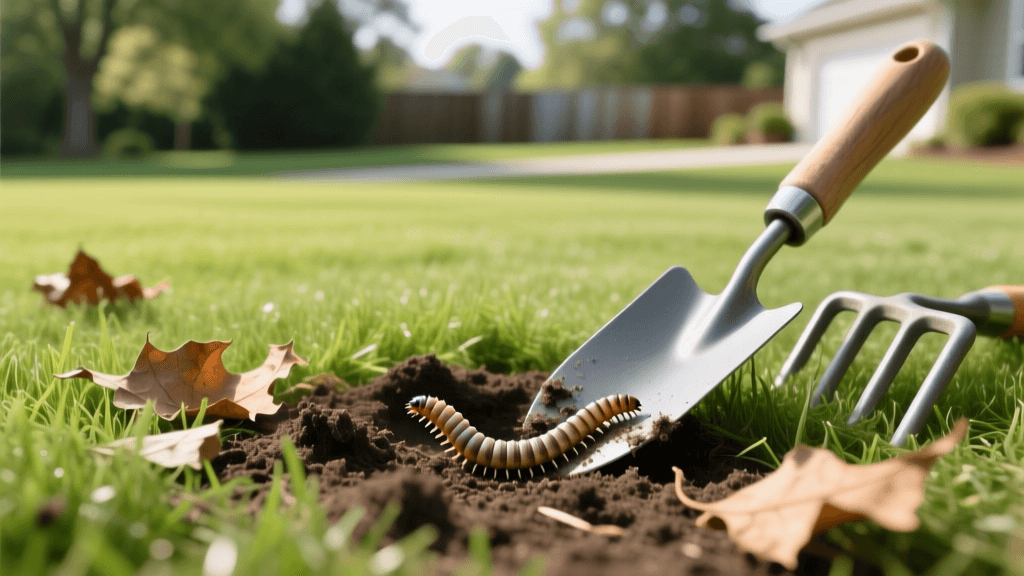
How to Identify and Treat Grub Worms in Your Lawn
Understanding the Enemy: What Are Lawn Grubs?
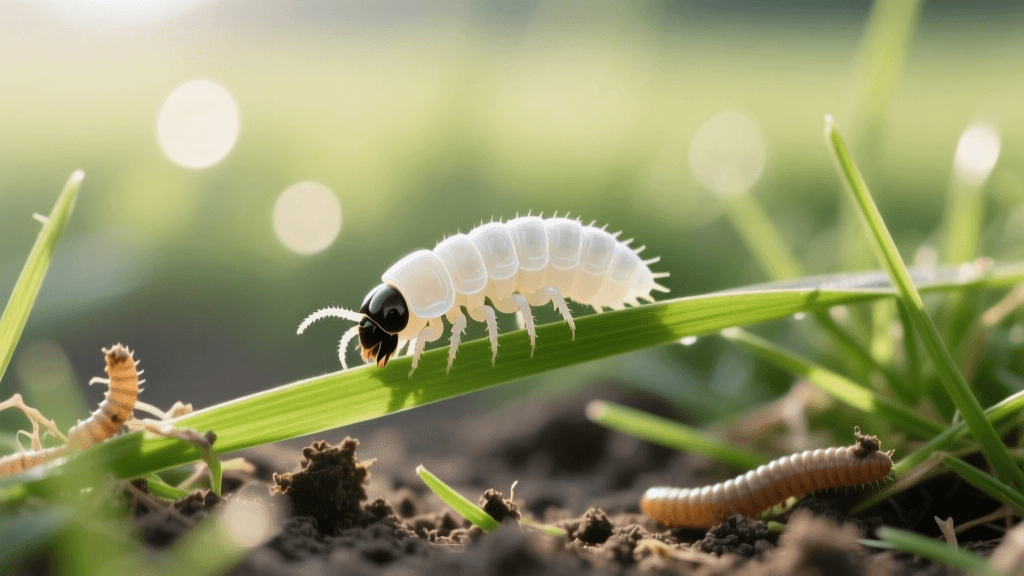
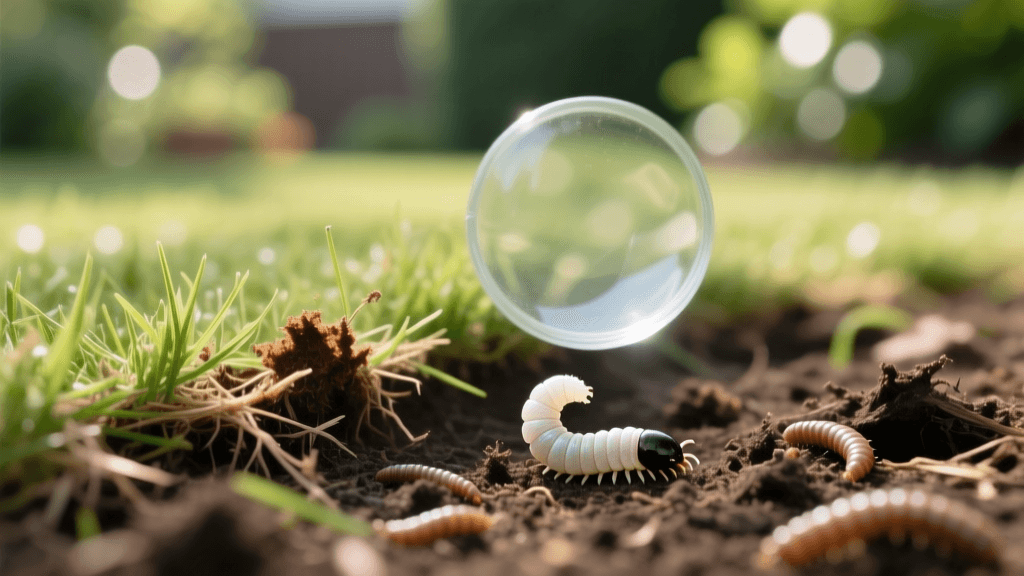
Lawn grubs, often referred to as white grubs, are the larval stage of various scarab beetles, including Japanese beetles, June bugs, and European chafers. These C-shaped, cream-colored pests live just beneath the soil surface and feed aggressively on grassroots. If left unchecked, a severe grub infestation can decimate an otherwise healthy lawn in a matter of weeks, leaving behind large, dead, brown patches that roll back like loose carpet. Integrated Pest Management (IPM) dictates that successful grub control relies on accurate identification, proper timing, and a mix of cultural, biological, and chemical interventions.
Step 1: Identify the Symptoms of Grub Damage
Before purchasing any treatment, you must confirm that grubs are the actual culprits. Many lawn issues, such as drought stress, fungal diseases, or dog urine spots, can mimic grub damage. Look for the following primary indicators:
- Spongy Turf: When you walk on the lawn, it may feel unusually soft or spongy underfoot because the root system has been severed.
- Brown Patches: Irregularly shaped brown patches appear in late summer or early fall, often starting in the sunniest, most exposed areas of the yard.
- Animal Digging: Predators such as skunks, raccoons, armadillos, and flocks of starlings or crows will tear up your lawn to feast on the protein-rich grubs beneath the soil.
- The Tug Test: Grab a handful of brown grass and pull gently. If it detaches from the soil with almost zero resistance and no roots attached, grubs have likely eaten the root system.
Step 2: Perform the 'Dig Test' to Confirm Infestation
Visual symptoms are not enough to justify chemical treatment. You must quantify the grub population using the standard 'Dig Test'. Here is how to do it:
- Choose a transitional area where a brown patch meets healthy, green grass.
- Using a sharp spade or a square shovel, cut three sides of a 1-foot by 1-foot square, about 3 to 4 inches deep.
- Peel back the turf like a hinge to expose the soil and root zone.
- Sift through the top 3 inches of soil and count the number of C-shaped, white grubs you find.
- Replace the turf and water the area to help it recover.
- Repeat this process in three different areas of your lawn to get an accurate average.
Step 3: Evaluate the Damage Using Threshold Guidelines
Not all grubs require immediate eradication. A healthy, vigorously growing lawn can tolerate a surprising number of grubs without showing visible damage. Use the threshold table below, adapted from university extension guidelines, to determine your next steps.
| Turf Health & Maintenance Level | Grub Threshold (per sq. ft.) | Recommended Action |
|---|---|---|
| High-End, Irrigated, High-Traffic Lawn | 5 - 7 grubs | Treatment recommended if thresholds are exceeded. |
| Average Residential Lawn (Moderate Care) | 8 - 10 grubs | Monitor closely; treat only if visible damage occurs. |
| Low-Maintenance, Drought-Prone Lawn | 10 - 15+ grubs | Treatment rarely needed; focus on cultural resilience. |
Step 4: Choose Your Treatment Strategy
If your lawn exceeds the threshold, you must decide between preventative and curative treatments, as well as chemical and organic routes. Timing is the most critical factor in grub control.
Preventative Chemical Controls
Preventatives are applied before grubs hatch and are highly effective at killing young larvae. They do not work on large, mature grubs in the fall.
- Chlorantraniliprole (e.g., Scotts GrubEx, Acelepryn): This is the gold standard for preventative care. It is highly effective, low-toxicity to pollinators, and provides long-lasting residual control. Timing: Apply between April and June. Cost: Roughly $25 to $35 per 5,000 sq. ft.
- Imidacloprid (e.g., Bayer Advanced, Merit): A systemic neonicotinoid that is absorbed by the roots. Timing: Apply in June or early July before eggs hatch. Cost: $20 to $30 per 5,000 sq. ft.
Curative Chemical Controls
If you missed the preventative window and discover active damage in late August or September, you need a fast-acting curative product.
- Trichlorfon (e.g., Dylox): This contact insecticide works rapidly, killing grubs within 24 to 48 hours. However, it breaks down quickly in the soil and has a short residual window. Timing: Apply in late summer or early fall when grubs are actively feeding near the surface. Cost: $25 to $45 per 5,000 sq. ft.
Organic and Biological Controls
For homeowners practicing strict organic lawn care, biological controls offer a sustainable, long-term approach.
- Beneficial Nematodes (Heterorhabditis bacteriophora): These microscopic worms seek out grubs in the soil and release bacteria that kill the host within 48 hours. Application: Apply in late summer when soil temperatures are above 60°F. You must keep the soil consistently moist for 10 days post-application. Cost: $30 to $50 per treatment.
- Milky Spore (Paenibacillus popilliae): A naturally occurring bacterium that targets Japanese beetle grubs specifically. It takes 2 to 3 years to build up in the soil but can provide control for up to 15 years once established. Cost: $40 to $60 for a 10-year lawn inoculation.
Step 5: Application Best Practices and Watering
Applying the product is only half the battle; getting it into the root zone is where most homeowners fail. Grubs live in the soil, not on the grass blades. Follow these rules for application:
- Mow First: Mow your lawn to a height of 2.5 to 3 inches and remove any excessive thatch (over 0.5 inches thick) that might block the product from reaching the soil.
- Water Immediately: Whether using granular or liquid treatments, you must water the lawn with at least 0.25 to 0.5 inches of water immediately after application. This washes the active ingredient off the grass blades and into the top 3 inches of soil where the grubs feed.
- Safety Precautions: Keep children and pets off the lawn until the treated grass is completely dry or the granular product has been fully watered in and absorbed.
Step 6: Lawn Recovery and Cultural Prevention
Once the grub population is controlled, you must repair the damage and strengthen your turf against future outbreaks. Grubs thrive in lawns with shallow root systems caused by frequent, light watering.
- Aeration and Overseeding: Core aerate the damaged areas in the fall to relieve soil compaction. Overseed with a drought-tolerant, deep-rooting grass species like Tall Fescue or Turf-Type Perennial Ryegrass.
- Deep Watering: Train your lawn to grow deep roots by watering deeply and infrequently (1 inch of water per week, applied in one or two sessions).
- Proper Mowing: Never scalp your lawn. Keep the mowing height at 3 to 4 inches during the summer heat to shade the soil, retain moisture, and promote a robust root system that can withstand minor grub feeding.
Expert Insights and IPM Guidelines
Integrated Pest Management emphasizes treating pests only when necessary and utilizing the least toxic methods first. According to entomologists at Purdue University and Penn State Extension, blanket preventative applications of harsh chemicals are often unnecessary for low-maintenance lawns.
'Homeowners should tolerate a few grubs in their lawn. A healthy, vigorously growing turfgrass plant can easily outgrow the feeding damage caused by low to moderate populations of white grubs. Focus on building soil health and deep root systems rather than chasing a zero-pest environment.' - Penn State Extension, Turfgrass IPM Guidelines
By combining the 'Dig Test' to monitor populations, utilizing biological controls like nematodes when possible, and reserving targeted chemical curatives like Trichlorfon only for severe outbreaks, you can maintain a pristine, eco-conscious lawn that naturally resists devastating grub damage.