Gardening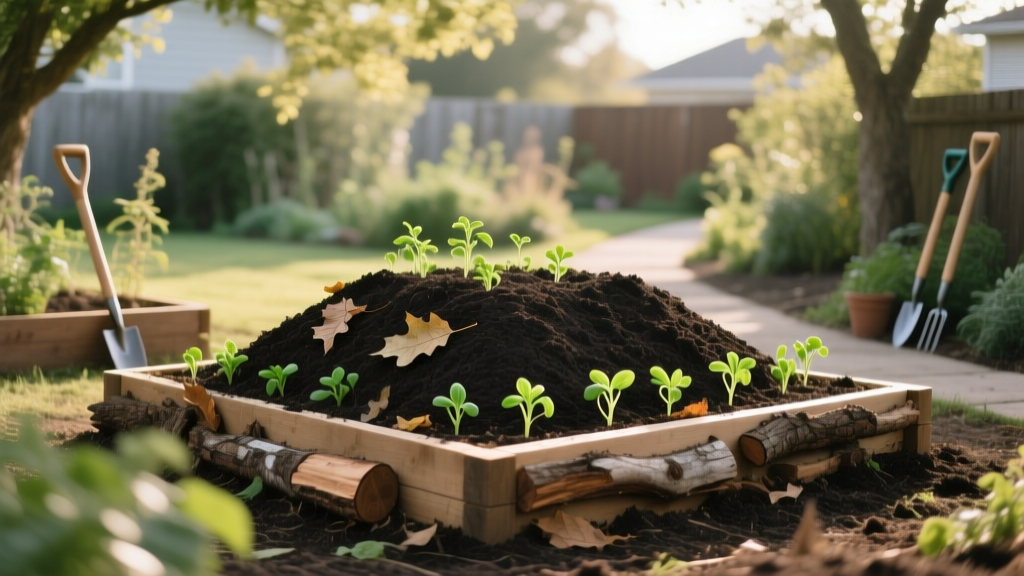
Hügelkultur Raised Beds: Sustainable Soil & Water Savings
Mike RodriguezPublished
The Ancient Art of Hügelkultur: A Modern Eco-Friendly Solution
In the pursuit of sustainable, eco-friendly gardening, few methods rival the efficiency and ecological benefits of hügelkultur. Translated from German as "hill culture," this ancient agricultural technique involves building raised garden beds over a core of decaying wood and organic biomass. Originally practiced in Eastern Europe and popularized globally by Austrian permaculture pioneer Sepp Holzer, hügelkultur mimics the natural decomposition process found on forest floors. By transforming fallen logs, branches, and yard waste into a thriving garden ecosystem, home gardeners can drastically reduce water usage, eliminate the need for synthetic fertilizers, and sequester carbon directly in their backyards.
Unlike traditional raised beds that require annual imports of bagged soil and frequent irrigation, a properly constructed hügelkultur bed acts as a giant biological sponge. As the woody core breaks down, it retains moisture, releases a steady stream of nutrients, and generates gentle bottom-up heat, extending the growing season. This guide will walk you through the science, construction, and planting strategies required to build a highly productive, zero-waste hügelkultur bed.
Why Choose Hügelkultur for Sustainable Gardening?
Transitioning to a hügelkultur system offers profound environmental and practical advantages for the eco-conscious gardener:
- Superior Water Retention: The decaying wood core acts like a sponge, absorbing heavy rains and slowly releasing moisture to plant roots during dry spells. In many climates, established hügelkultur beds require little to no supplemental irrigation.
- Carbon Sequestration: Burying woody biomass locks carbon into the soil profile rather than releasing it into the atmosphere through chipping or burning. According to the USDA Natural Resources Conservation Service, increasing soil organic matter is one of the most effective ways to improve soil structure, enhance biodiversity, and capture atmospheric carbon.
- Zero-Waste Gardening: This method provides an elegant solution for yard waste. Instead of paying for municipal brush pickup or running gas-powered wood chippers, you upcycle fallen branches, pruned limbs, and autumn leaves directly into garden infrastructure.
- Long-Term Nutrient Release: As fungi and bacteria break down the lignin and cellulose in the wood, they release essential micronutrients over a period of 10 to 20 years, eliminating the need for chemical fertilizers.
Traditional Raised Beds vs. Hügelkultur Beds
Understanding the differences between conventional raised beds and hügelkultur mounds can help you allocate your budget and labor more effectively. The Royal Horticultural Society notes that while traditional raised beds offer excellent drainage and ergonomic benefits, they often suffer from rapid moisture loss and require frequent soil amendments. Hügelkultur addresses these flaws through its internal biomass engine.
| Feature | Traditional Raised Bed | Hügelkultur Raised Bed |
|---|---|---|
| Initial Material Cost | $100 - $250 (Lumber, soil, compost) | $0 - $40 (Foraged wood, minimal topsoil) |
| Watering Needs | High (Requires frequent irrigation) | Low (Core retains moisture for weeks) |
| Soil Lifespan | Requires annual compost top-ups | Self-fertilizing for 10+ years |
| Waste Utilization | None (Relies on purchased inputs) | High (Recycles logs, twigs, leaves) |
| Temperature | Ambient soil temperature | Generates mild heat during decomposition |
Step-by-Step Guide to Building a Hügelkultur Bed
Building a hügelkultur bed is labor-intensive upfront but pays dividends for decades. The ideal time to construct your bed is in late autumn (October or November). This allows winter rains to saturate the wood and gives mycorrhizal fungi a head start on decomposition before spring planting.
1. Siting and Dimensions
Choose a location that receives at least 6 to 8 hours of direct sunlight. A standard manageable size is 6 feet long, 3 feet wide, and 3 feet tall. While hügelkultur mounds can be built directly on the ground, you can also dig a trench about 12 inches deep to bury the base layer, which further improves water access and stability.
2. Material Selection: The Right Wood Matters
Not all wood is created equal. Hardwoods are preferred because they decompose slowly and provide long-term structure and nutrients.
- Best Woods: Oak, maple, apple, cherry, birch, and ash.
- Woods to Avoid: Black walnut (contains juglone, a natural herbicide that stunts tomatoes and peppers), cedar, black locust, and redwood (these contain natural rot-resistant oils that delay decomposition and repel beneficial fungi).
3. The Layering Process
Think of your bed as a giant, inverted compost pile. The University of Minnesota Extension emphasizes that balancing carbon-rich "browns" with nitrogen-rich "greens" is vital to prevent nitrogen tie-up, a process where microbes steal nitrogen from the soil to break down carbon.
- The Base (Carbon Core): Lay down large, rotting logs and thick branches. Pack them tightly to minimize large air pockets. This layer should make up about 40-50% of the bed's total volume.
- The Middle (Biomass & Nitrogen): Add a thick layer of smaller twigs, woodchips, dried leaves, and straw. To offset the high carbon content of the wood, intersperse this layer with nitrogen-rich "green" materials like fresh grass clippings, herbivore manure (rabbit, horse, or cow), and kitchen vegetable scraps.
- The Cap (Soil & Compost): Cover the mound with a 6-to-8-inch layer of high-quality topsoil mixed with finished compost. This is your planting medium. Ensure all woody materials are completely buried to prevent them from wicking moisture out of the soil and drying out the bed.
Planting Guide: What to Grow and When
A hügelkultur bed evolves over time, and your planting strategy should adapt to the decomposition stage of the wood core.
Year 1: The Nitrogen Flush
In the first year, the rapid breakdown of green materials and the initial fungal colonization create a nutrient-dense, slightly warm environment. This is the perfect time for heavy feeders and heat-loving crops.
- Best Crops: Tomatoes, peppers, cucumbers, squash, pumpkins, and melons.
- Companion Planting: Interplant with nasturtiums to act as a trap crop for aphids, and borage to attract pollinators and accumulate trace minerals.
Years 2 and 3: The Stabilization Phase
As the initial nitrogen flush settles and the wood begins to break down more slowly, the soil structure becomes incredibly loose and friable. This is ideal for root vegetables that require deep, unobstructed soil penetration.
- Best Crops: Carrots, parsnips, potatoes, beets, and garlic.
- Companion Planting: Pair carrots with alliums (onions, leeks) to deter carrot rust flies. The loose soil will yield exceptionally straight, long root crops.
Years 4 and Beyond: The Perennial Paradise
Once the mound has settled and the wood has transformed into rich, spongy humus, the bed is perfectly suited for low-maintenance perennials and berry bushes.
- Best Crops: Strawberries, raspberries, rhubarb, asparagus, and perennial herbs like rosemary, thyme, and lavender.
"In nature, soil is never left bare, and wood is never removed from the forest floor. Hügelkultur simply brings the wisdom of the forest ecosystem into the home garden, turning waste into abundance." — Permaculture Design Principle
Troubleshooting and Long-Term Maintenance
While hügelkultur beds are remarkably self-sustaining, a few eco-friendly maintenance practices will ensure their longevity:
- Managing Soil Subsidence: As the wood decays, the bed will naturally shrink and settle. Each autumn, top-dress the bed with 2 inches of finished compost, shredded autumn leaves, or grass clippings to maintain the mound's height and replenish surface nutrients.
- Preventing Nitrogen Tie-Up: If your plants show signs of chlorosis (yellowing leaves) in the first year, it indicates the microbes are hoarding nitrogen to break down the wood. Side-dress the plants with an organic nitrogen source like blood meal, alfalfa meal, or composted poultry manure to restore the balance.
- Mulching: Always keep the topsoil layer mulched with straw or leaves to prevent erosion, suppress weeds, and retain surface moisture while the internal wood core does the heavy lifting of deep hydration.
Conclusion: A Legacy of Soil Health
Building a hügelkultur raised bed is more than just a gardening project; it is an investment in long-term ecological resilience. By recycling yard waste, conserving precious water resources, and fostering a thriving subterranean web of mycorrhizal fungi, you create a living soil ecosystem that improves with age. Whether you are looking to grow massive heirloom tomatoes in your first year or establish a perennial berry patch for decades to come, hügelkultur offers a profoundly sustainable, cost-effective, and deeply rewarding path to a flourishing garden.
