Gardening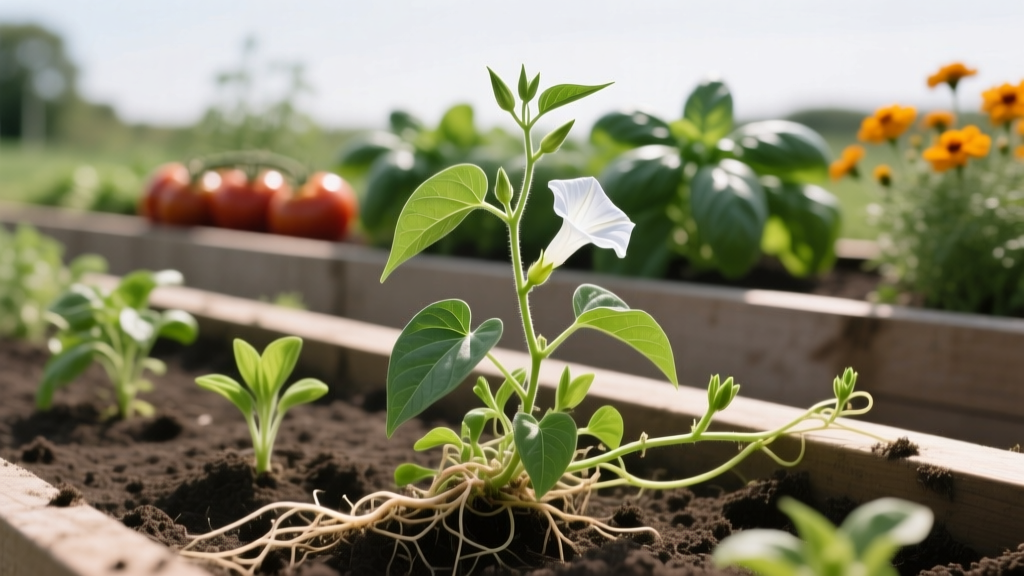
How to Identify and Eliminate Field Bindweed in Garden Beds
Robert HayesPublished
Understanding the Enemy: What is Field Bindweed?
Every seasoned gardener knows the sinking feeling of spotting a familiar, twining vine wrapping around their prized tomato plants or pole beans. While it might look like a delicate morning glory at first glance, this intruder is likely field bindweed (Convolvulus arvensis). According to the USDA Plants Database, this perennial weed is native to Europe and Asia but has become one of the most widespread and destructive agricultural and garden weeds in North America.
Field bindweed is a master of survival. It does not merely compete with your vegetables and flowers for sunlight and nutrients; it actively strangles them, pulling down trellises and smothering entire raised beds. Eradicating it requires patience, precise identification, and a multi-season strategy. In this comprehensive guide, we will break down exactly how to identify this notorious weed and the most effective, actionable methods to remove it from your garden spaces.
Field Bindweed vs. Morning Glory: Identification Guide
Before you declare war, you must ensure you have correctly identified the plant. Many gardeners hesitate to pull bindweed, fearing they are destroying a beneficial or ornamental morning glory. While they belong to the same plant family (Convolvulaceae), their physical characteristics and growth habits are distinctly different.
| Feature | Field Bindweed (Convolvulus arvensis) | Common Morning Glory (Ipomoea purpurea) |
|---|---|---|
| Leaves | Small (1/2 to 2 inches), arrowhead or spade-shaped with pointed lobes at the base. | Large (3 to 6 inches), heart-shaped with a rounded base. |
| Flowers | Small (1 inch wide), trumpet-shaped, usually white or pale pink. Closes by afternoon. | Large (2 to 3 inches wide), vibrant purple, blue, or pink. Stays open longer. |
| Growth Habit | Aggressive ground cover and climber. Stems twine tightly and break easily when pulled. | Upright climber, less aggressive, easily managed on a trellis. |
| Root System | Extensive, deep taproots and lateral rhizomes. Extremely difficult to extract. | Fibrous, relatively shallow root system. Easily pulled as an annual. |
Why Pulling Bindweed Fails: The Root System
The most common mistake gardeners make with bindweed is attempting to pull it out by hand. Penn State Extension notes that field bindweed possesses one of the most resilient root systems in the plant kingdom. A single plant can develop a taproot that plunges 10 to 20 feet deep into the soil. Furthermore, it spreads laterally through an extensive network of rhizomes (underground stems) that can extend 10 feet or more in a single season.
When you yank the vine from the surface, the root snaps. Any fragment of the root left in the soil—even a piece as small as two inches—contains enough stored energy and dormant buds to generate a brand-new, vigorous plant. Worse, using a rototiller to prepare your garden beds will chop these rhizomes into dozens of pieces, effectively planting dozens of new bindweed weeds across your vegetable patch.
Proven Removal Strategies for Raised Garden Beds
Because you cannot simply pull or till bindweed, you must employ strategies that either exhaust the root system or systematically destroy it without harming your surrounding crops.
1. The Starvation Method (Mechanical Control)
The starvation method relies on depleting the energy reserves stored in the bindweed's massive root system. This is the safest method for active raised vegetable beds where chemical herbicides are not an option.
- Snip at the Soil Line: Using a pair of sharp horticultural snips or a stirrup hoe, cut the bindweed vine off exactly at the soil surface. Do not pull it, as pulling can stimulate deeper root branching.
- Repeat Relentlessly: You must repeat this process every 7 to 10 days. Whenever a new shoot emerges and begins to unfurl its first leaf, cut it immediately.
- Duration: The goal is to prevent the plant from ever reaching the photosynthesis stage. Without leaves to produce energy, the root is forced to use its stored reserves to push out new growth. This process typically takes one to two full growing seasons of relentless hoeing to completely starve the root.
2. Targeted Herbicide Application (The "Glove" Technique)
In ornamental flower beds or around the perimeters of your garden, a systemic herbicide containing glyphosate can be highly effective. However, spraying near sensitive vegetables like tomatoes, peppers, and squash is incredibly risky due to herbicide drift.
Pro-Tip: The Sponge Glove Method
Instead of spraying, wear a disposable nitrile glove, and place a cheap cotton work glove over it. Dip the fingers of the cotton glove into a diluted glyphosate solution (such as Roundup Pro), and carefully stroke the leaves of the bindweed. This transfers the chemical directly to the weed without risking drift onto your prized crops. The systemic herbicide will travel down the vine and into the deep taproot, killing it at the source.
3. Solarization and Smothering
If you are building a new raised bed or taking a section of the garden out of production for a season, solarization is a highly effective, chemical-free eradication tool.
- Clear the Area: Mow or cut all existing vegetation down to the soil level.
- Moisten the Soil: Water the area deeply. Damp soil conducts heat much better than dry soil.
- Apply Heavy Plastic: Cover the area with 6-mil clear or black polyethylene plastic. Bury the edges in a trench to create an airtight seal.
- Wait: Leave the plastic in place for a minimum of 6 to 8 weeks during the hottest part of the summer. The trapped heat will cook the roots and seeds in the top layers of the soil.
Note on Cardboard: While sheet mulching with cardboard and wood chips is excellent for suppressing annual weeds like crabgrass or chickweed, it will not stop field bindweed. Bindweed rhizomes will easily pierce through damp cardboard and landscape fabric within a matter of weeks.
Organic and Natural Alternatives
For strictly organic gardeners, chemical herbicides are off the table. Aside from the starvation method mentioned above, you can utilize 20% horticultural vinegar (acetic acid) or d-limonene based organic herbicides (like Avenger Weed Killer).
It is vital to understand that these organic contact herbicides only burn the foliage; they do not translocate to the roots. Therefore, they must be used in conjunction with the starvation method. By repeatedly burning the leaves back with organic acids, you accelerate the depletion of the root's energy reserves. Always apply horticultural vinegar on a hot, sunny day for maximum burn-down effect, and wear protective eyewear and gloves, as 20% acetic acid can cause severe skin and eye irritation.
Preventing Future Infestations
Once you have gained the upper hand, preventing a resurgence is much easier than the initial eradication. According to the University of California Agriculture and Natural Resources (UC ANR) Integrated Pest Management program, maintaining a competitive garden environment is key to long-term weed suppression.
- Drip Irrigation: Bindweed thrives in uncultivated, dry areas but will aggressively invade garden beds that are watered via overhead sprinklers. Switch to targeted drip irrigation to water only your crop roots, leaving the surrounding soil surface dry and less hospitable to weed seeds.
- Dense Planting and Mulching: Maintain a 3-inch layer of arborist wood chips on garden pathways and between wide rows. Plant crops closely together or use living mulches (like clover or creeping thyme) to shade the soil, depriving bindweed seedlings of the sunlight they need to establish.
- Inspect Imported Soil: Many gardeners unknowingly introduce bindweed to their raised beds by purchasing cheap, unverified bulk topsoil or compost. Always source soil from reputable suppliers who hot-compost their materials to kill weed seeds and rhizomes.
- Clean Your Tools: If you have been working in an infested area, thoroughly wash your shovels, hoes, and tiller tines before moving to a clean garden bed to avoid transferring root fragments.
Summary Checklist for Bindweed Eradication
Field bindweed is a formidable opponent, but it is not invincible. By shifting your mindset from "pulling" to "managing and starving," you can reclaim your garden. Keep this quick checklist in mind during your weekly garden maintenance:
- Never pull or till established bindweed.
- Snip new growth at the soil line every 7 to 10 days.
- Use the glove-painting method for targeted herbicide application in safe zones.
- Deploy 6-mil plastic solarization for empty beds or pathways.
- Maintain thick mulch and utilize drip irrigation to prevent seed germination.
With consistent vigilance over one or two seasons, your raised beds and flower borders will be entirely free of this persistent vine, allowing your vegetables and blooms to thrive without competition.
