Pest Control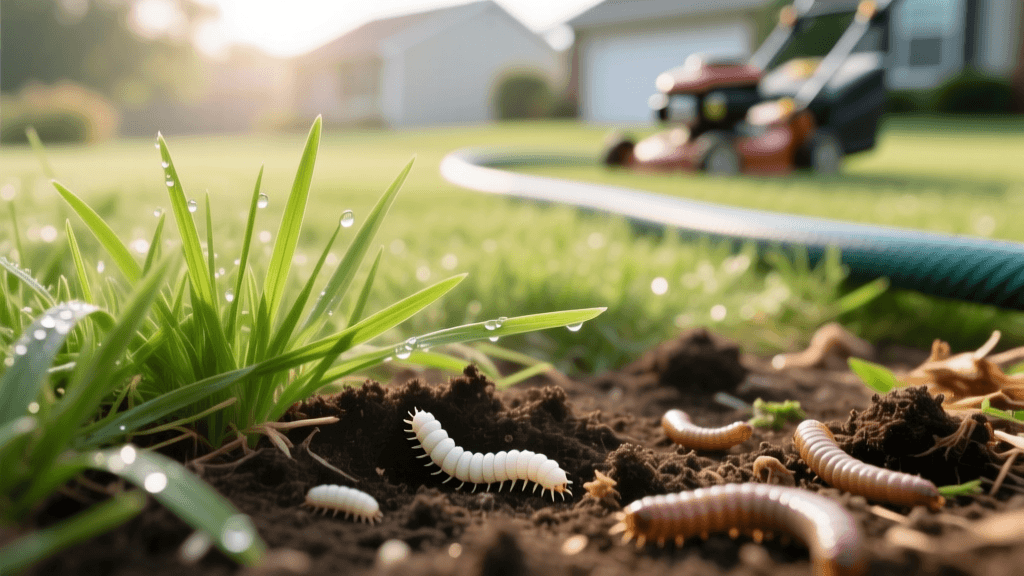
How to Identify and Treat Lawn Grubs: A Complete Guide
Introduction to Lawn Grubs
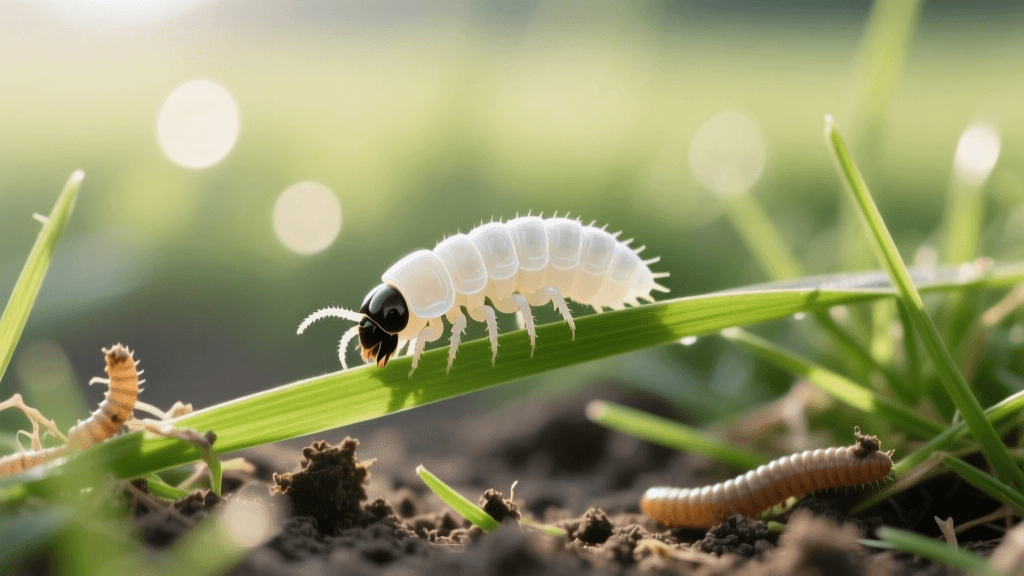
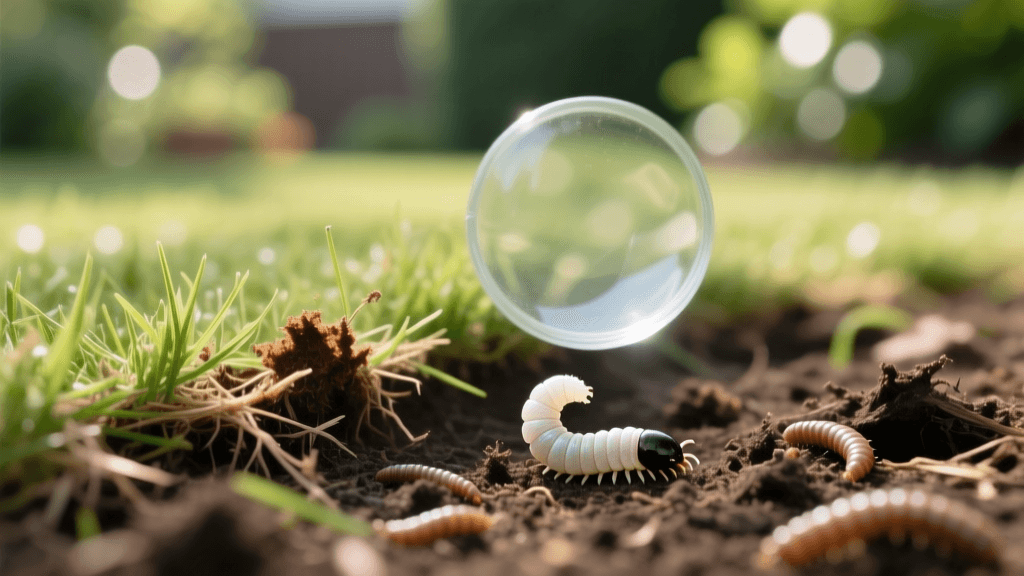
Grubs are the larval stage of scarab beetles, including Japanese beetles, June bugs, and European chafers. These C-shaped, cream-colored pests live just beneath the soil surface and feed aggressively on grassroots. If left unchecked, a severe grub infestation can destroy an otherwise healthy lawn in a matter of weeks, leaving behind brown, dead patches and attracting destructive wildlife like skunks, raccoons, and crows. This practical, step-by-step guide will walk you through identifying a grub problem, testing your lawn's threshold, and selecting the right organic or chemical treatment to save your turf.
Understanding the Grub Life Cycle
To effectively treat grubs, you must understand their life cycle. Adult beetles emerge in early summer to mate and lay eggs in the soil. By late summer and early fall, these eggs hatch into young grubs, which begin feeding voraciously on grassroots to build fat reserves for winter. As temperatures drop, they burrow deep below the frost line to overwinter. In the spring, they return to the surface to feed briefly before pupating and emerging as adult beetles, starting the cycle anew. The most significant damage occurs in late summer and early fall when the grubs are actively feeding and growing.
Step 1: Identifying Grub Damage
Before purchasing any pest control products, confirm that grubs are actually the culprit. Grub damage is often mistaken for drought stress, fungal diseases, or dog urine spots. Look for the following key indicators:
- Brown, Irregular Patches: Turf turns brown and dies off in irregular shapes, usually appearing in late summer or early fall.
- The 'Carpet' Effect: Because the roots have been severed, the dead turf feels spongy and can be rolled back like a loose carpet.
- Animal Digging: Skunks, raccoons, armadillos, and birds will tear up your lawn to feast on the protein-rich grubs beneath the surface.
- Increased Beetle Activity: A high population of adult beetles (like Japanese beetles on your ornamental plants) in early summer is a strong predictor of a grub problem later in the year.
Step 2: The 'Tug Test' and Threshold Sampling
Not all grubs require treatment. A healthy lawn can tolerate a small number of grubs without showing damage. To determine if your infestation has crossed the economic and aesthetic threshold, perform a physical soil sample test.
- Grab a flat-edged spade or a sharp sod cutter.
- Cut a 12-inch by 12-inch square of turf, about 3 to 4 inches deep.
- Peel the sod back and break apart the soil, counting the number of C-shaped, white grubs you find.
- Repeat this process in 3 to 4 different areas of your lawn, especially near the edges of brown patches and in highly visible areas.
- Replace the sod and water it immediately to prevent it from drying out.
Grub Treatment Threshold Chart
Use the data from your sampling to consult the threshold chart below. Remember to calculate the average number of grubs per square foot across all your samples.
| Lawn Health Status | Grub Threshold (Per Sq. Ft.) | Recommended Action |
|---|---|---|
| Healthy, Well-Watered Turf | 10 to 15 grubs | Monitor; treatment usually unnecessary. |
| Moderately Stressed Turf | 5 to 10 grubs | Consider biological controls or spot treatment. |
| Severely Stressed / Drought | 3 to 5 grubs | Immediate curative treatment required. |
| High Wildlife Foraging | Any visible grubs | Treat immediately to prevent animal turf damage. |
Step 3: Choosing Your Treatment Method
Once you have confirmed that your grub population exceeds the threshold, you must choose between organic/biological controls and synthetic chemical controls. Your choice will depend on your environmental preferences, budget, and the current time of year.
Organic and Biological Controls
Biological controls are highly effective, environmentally safe, and do not harm pollinators, pets, or beneficial earthworms.
- Beneficial Nematodes (Heterorhabditis bacteriophora): These microscopic worms actively seek out grubs in the soil, enter their bodies, and release bacteria that kill the host within 48 hours.
- Cost: $30 to $50 per 10,000 square feet.
- Application: Mix with water and apply via a hose-end sprayer in the late afternoon or evening (UV light kills them). The soil must be kept consistently moist for 10 to 14 days post-application.
- Milky Spore (Paenibacillus popilliae): A naturally occurring bacterium that specifically targets Japanese beetle grubs. When ingested, it multiplies inside the grub, eventually killing it and releasing billions of new spores into the soil.
- Cost: $40 to $60 per 2,500 square feet (granular) or 10,000 square feet (powder).
- Application: Apply using a drop spreader or specialized applicator tube. Note that Milky Spore takes 2 to 3 years to fully establish in the soil, making it a long-term preventative strategy rather than a quick fix.
Chemical Controls: Preventative vs. Curative
Synthetic pesticides offer fast, reliable control but must be used carefully to avoid environmental runoff and harm to non-target insects.
- Preventative Chemicals (Chlorantraniliprole): Sold under brand names like Scotts GrubEx or Acelepryn, this active ingredient is highly effective and has a lower toxicity profile for bees and mammals compared to older chemicals.
- Timing: Apply in spring or early summer (April to June) before eggs hatch.
- Cost: $25 to $40 per 5,000 square feet.
- Curative Chemicals (Trichlorfon): Sold under brand names like Dylox or BioAdvanced 24-Hour Grub Killer, this fast-acting contact poison is used when grubs are already large and actively damaging the lawn in late summer or fall.
- Timing: Apply in late summer or early fall (August to October) when grubs are near the surface.
- Cost: $20 to $35 per 5,000 square feet.
- A Note on Neonicotinoids (Imidacloprid): While products containing Imidacloprid (like Merit) were historically the standard for grub control, many university extensions now advise against them due to their severe impact on pollinators and aquatic ecosystems. Avoid using neonicotinoids if your lawn contains blooming clover or weeds.
Step 4: Application Timing and Best Practices
Proper application is just as important as the product you choose. Follow these best practices to ensure the active ingredients reach the root zone where the grubs are feeding.
Treatment Comparison Chart
| Treatment Type | Active Agent | Best Application Window | Speed of Control | Watering Requirement |
|---|---|---|---|---|
| Preventative Chemical | Chlorantraniliprole | April - June | Slow (Weeks) | 1/4 inch immediately |
| Curative Chemical | Trichlorfon | August - October | Fast (24-48 Hours) | 1/2 inch immediately |
| Biological | Hb Nematodes | August - September | Medium (3-7 Days) | Keep moist for 14 days |
| Long-Term Organic | Milky Spore | Spring or Fall | Slow (1-3 Years) | Light watering to settle |
Crucial Application Steps
- Mow First: Mow your lawn to a height of 2 to 2.5 inches before application to reduce product interception by grass blades.
- Wear PPE: When handling chemical granules or concentrated liquids, wear long sleeves, pants, nitrile gloves, and closed-toe shoes.
- Calibrate Your Spreader: Check the product label for the exact spreader settings. Over-applying wastes money and harms the environment; under-applying will fail to control the pest.
- Water It In: This is the most critical step. Grubs live in the soil, not on the grass blades. You must apply 1/4 to 1/2 inch of water immediately after spreading granular chemicals to wash the active ingredient down into the root zone. Use a rain gauge or an empty tuna can to measure the water output.
- Stay Off the Lawn: Keep children and pets off the treated area until the grass is completely dry and the product has been watered into the soil.
Step 5: Lawn Recovery and Prevention
Once the grubs have been eliminated, your lawn will need help to recover from the root loss. Dead patches larger than the size of a dinner plate will not recover on their own and require renovation.
- Core Aeration: Rent a core aerator in the early fall to relieve soil compaction and create channels for water, nutrients, and air to reach the surviving roots.
- Overseeding: Apply a high-quality turfgrass seed blend appropriate for your region (e.g., Tall Fescue or Kentucky Bluegrass) immediately after aeration. Keep the top inch of soil moist daily until the seeds germinate.
- Adjust Watering Habits: Grubs thrive in moist, shallow soil environments. Transition your lawn to deep, infrequent watering (1 to 1.5 inches per week, applied in 1 or 2 sessions). This encourages deep root growth, making the turf more resilient to future pest pressure and drought stress.
- Maintain Proper Mowing Height: Never scalp your lawn. Keep cool-season grasses at 3 to 4 inches. Taller grass shades the soil, making it less inviting for adult female beetles looking for warm, bare soil to lay their eggs.
Expert Insight: According to the University of California Statewide Integrated Pest Management Program (UC IPM), 'Monitoring for grubs is essential before deciding to treat. In many cases, lawns can tolerate low numbers of grubs without sustaining visible damage, and biological controls like nematodes should be prioritized in environmentally sensitive areas or near waterways to prevent chemical runoff.'
Conclusion
Controlling lawn grubs requires a strategic approach that balances immediate turf rescue with long-term environmental health. By properly identifying the damage, conducting a physical threshold test, and selecting the right biological or chemical treatment at the correct time of year, you can protect your lawn from these destructive larvae. Remember that a thick, deeply rooted, and well-maintained lawn is always your best natural defense against future pest invasions.