Lawn Care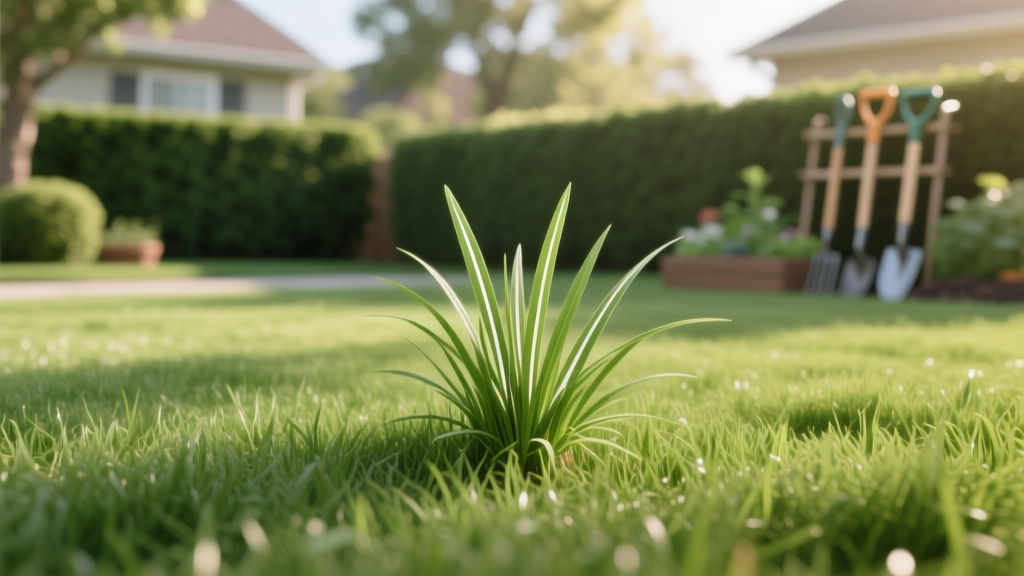
How to Identify and Eradicate Crabgrass in Your Lawn
Robert HayesPublished
Understanding the Enemy: What is Crabgrass?
Crabgrass is one of the most notorious and frustrating weeds that plague home lawns across North America. Scientifically known as Digitaria sanguinalis (large or hairy crabgrass) and Digitaria ischaemum (smooth or small crabgrass), this aggressive summer annual grass can quickly overtake a struggling turf. Unlike your desirable cool-season or warm-season lawn grasses, crabgrass thrives in the blistering heat of mid-summer when your primary turf is often dormant or stressed. According to the University of California Statewide Integrated Pest Management Program, crabgrass is highly opportunistic, exploiting thin turf, bare spots, and compacted soil to establish its extensive root system and drop thousands of seeds for the following year.
Because it is an annual weed, crabgrass completes its entire life cycle in one growing season. It germinates in the spring, grows aggressively through the summer, produces seed, and then dies off in the autumn when temperatures drop. However, the damage it leaves behind—large, unsightly brown patches of dead grass in the fall—creates the perfect seedbed for the next generation. Eradicating crabgrass requires a multi-faceted approach that combines accurate identification, chemical interventions, and rigorous cultural practices.
How to Identify Crabgrass in Your Lawn
Before you can treat crabgrass, you must confirm its presence. Homeowners frequently mistake crabgrass for other coarse grasses like tall fescue or quackgrass. Applying the wrong treatment can waste money and damage your desirable turf. Crabgrass has several distinct visual characteristics depending on its growth stage:
- Seedling Stage: Emerging crabgrass looks remarkably similar to a small piece of corn. The leaves are wider than most turfgrasses and have a slightly purplish tint at the base.
- Mature Stage: As it matures, crabgrass grows outward rather than upward, forming a low, sprawling, star-like clump. The blades are typically a pale, yellowish-green color, which contrasts sharply with the darker green of a healthy lawn.
- Seed Heads: In late summer, crabgrass produces distinct seed heads that look like three to seven finger-like spikes radiating from a single central stem.
Visual Comparison: Crabgrass vs. Look-Alikes
| Feature | Crabgrass (Digitaria) | Tall Fescue (Desirable/Weed) | Quackgrass (Perennial Weed) |
|---|---|---|---|
| Growth Habit | Low, sprawling, star-like clump | Upright, bunching growth | Upright, spreads via rhizomes |
| Leaf Color | Pale, yellowish-green | Dark to medium green | Light to medium green |
| Root System | Shallow, fibrous, easy to pull | Deep, extensive root system | Deep, white underground rhizomes |
| Life Cycle | Summer Annual (dies in fall) | Cool-Season Perennial | Cool-Season Perennial |
The Life Cycle and Germination Triggers
Understanding when crabgrass germinates is the cornerstone of any successful eradication strategy. The old gardening adage suggests applying pre-emergent herbicides when the forsythia bushes bloom. While this is a helpful visual cue, it is not scientifically precise. According to turfgrass researchers at the University of Minnesota Extension, crabgrass germination is strictly dictated by soil temperature, not air temperature or the blooming of ornamental shrubs.
Crabgrass seeds begin to germinate when the soil temperature at a depth of two inches reaches 55°F to 60°F for consecutive days. Peak germination typically occurs when soil temperatures consistently hover between 65°F and 70°F. Because soil temperatures fluctuate based on sunlight exposure, moisture, and soil composition, investing in a simple, inexpensive soil thermometer is one of the best purchases a homeowner can make for lawn care. By monitoring the soil temperature in early spring, you can time your pre-emergent herbicide application perfectly.
Pre-Emergent Control: The Gold Standard for Prevention
The most effective way to kill crabgrass is to stop it before it ever breaks the soil surface. Pre-emergent herbicides create a microscopic chemical barrier in the top inch or two of the soil. When the crabgrass seed germinates and the shoot pushes through this barrier, the herbicide inhibits cell division, killing the seedling before it can establish roots.
Top Pre-Emergent Active Ingredients
- Prodiamine (e.g., Barricade, Scotts Halts): A highly effective, long-lasting pre-emergent that provides season-long control. It is best applied in early spring and can sometimes require a split application for extended protection.
- Dithiopyr (e.g., Dimension): Unique among pre-emergents, Dithiopyr has early post-emergent activity. If you miss your early spring window and crabgrass has just germinated (up to the one-tiller stage), Dimension can still kill the young seedlings while preventing further germination.
Application Best Practices
Timing is everything. Apply your chosen pre-emergent just before the soil reaches 55°F. Once applied, the product must be watered into the soil with approximately 0.5 inches of irrigation or rainfall to activate the chemical barrier. If left on the surface, sunlight (UV radiation) will break down the active ingredients, rendering the treatment useless. Avoid aerating or dethatching your lawn after applying a pre-emergent, as this will break the chemical seal and allow crabgrass seeds to bypass the barrier.
Post-Emergent Control: Killing Active Crabgrass
If you missed the pre-emergent window, or if a summer heatwave caused a late flush of crabgrass, you will need to rely on post-emergent control methods. Killing mature crabgrass is significantly more difficult than preventing it, and it requires targeted herbicides or manual labor.
Selective Post-Emergent Herbicides
Standard broadleaf weed killers (like those containing 2,4-D or Dicamba) will not harm crabgrass, because crabgrass is a grassy weed, not a broadleaf weed. To kill crabgrass without destroying your surrounding lawn, you need a selective grassy weed killer. The most effective active ingredient for homeowners is Quinclorac (found in products like Ortho WeedClear for Lawns Plus Crabgrass Killer or professional-grade Drive XLR8).
Crucial Quinclorac Application Rules:
- Use a Surfactant: Crabgrass leaves have a waxy cuticle that repels water. Adding a non-ionic surfactant to your spray tank helps the herbicide stick to and penetrate the leaf tissue.
- Temperature Restrictions: Do not apply Quinclorac when daytime temperatures exceed 85°F. High heat increases the risk of phytotoxicity, which can severely damage or kill your desirable turfgrass (especially Kentucky Bluegrass and Bermudagrass).
- Multiple Applications: Mature crabgrass is resilient. You will likely need to apply the herbicide twice, spaced 14 to 21 days apart, to achieve complete control.
- Seeding Restrictions: Quinclorac leaves a residual effect in the soil. You must wait at least 14 to 28 days after application before overseeding your lawn with new grass seed, or the new seed will fail to germinate.
Manual Removal
For small, isolated patches of crabgrass, manual removal is highly effective and environmentally friendly. Because crabgrass has a shallow, fibrous root system, it is relatively easy to pull. Use a specialized weeding tool, such as a dandelion digger or a stand-up weed puller, to ensure you extract the entire root crown. If you pull the weed and leave the roots behind, it will quickly regenerate. Always bag and dispose of pulled crabgrass in the trash—never compost it, especially if it has developed seed heads, as home compost piles rarely get hot enough to destroy the seeds.
Cultural Practices: Growing Crabgrass Out of Existence
Herbicides are only a temporary fix. The ultimate defense against crabgrass is a thick, vigorous, and deeply rooted lawn. Crabgrass requires sunlight hitting the soil surface to germinate. If your turf is dense, it will naturally shade the soil and outcompete weeds for water and nutrients.
Mow High and Often
One of the most common mistakes homeowners make is scalping their lawn. Cutting your grass too short exposes the soil to direct sunlight, creating the perfect environment for crabgrass seeds to sprout. Raise your mower deck to cut your grass at a height of 3 to 4 inches. This taller grass shades the soil, keeping it cooler and inhibiting weed seed germination. Furthermore, never remove more than one-third of the grass blade in a single mowing session to avoid stressing the turf.
Deep, Infrequent Watering
Crabgrass thrives on frequent, shallow watering. Because its root system is shallow, it benefits from daily light sprinklings. Conversely, desirable turfgrasses develop deep, drought-tolerant roots when watered deeply and infrequently. Aim to provide your lawn with 1 to 1.5 inches of water per week, applied in one or two heavy sessions. This encourages your lawn's roots to grow deep into the soil profile, leaving the shallow-rooted crabgrass to wither in the topsoil.
Fertilization and Overseeding
Feed your lawn based on a professional soil test. Over-applying nitrogen in the spring can push excessive top growth at the expense of root development, making the lawn vulnerable to summer stress. Focus your heavy fertilization efforts in the early fall when cool-season grasses are actively building root mass. Finally, overseed your lawn every fall. Filling in bare spots and thinning areas with premium grass seed eliminates the physical space where crabgrass would otherwise establish itself the following spring.
Seasonal Crabgrass Management Schedule
| Season | Primary Action | Details & Product Recommendations |
|---|---|---|
| Early Spring | Pre-Emergent Application | Apply Prodiamine or Dithiopyr when soil reaches 50-55°F. Water in with 0.5 inches of irrigation. |
| Late Spring | Spot Treatment | Inspect for breakthrough weeds. Apply Quinclorac to young, actively growing crabgrass. |
| Summer | Mowing & Manual Pulling | Mow at 3-4 inches. Hand-pull mature clumps before they drop seed. Avoid herbicide use in extreme heat. |
| Early Fall | Overseeding & Fertilizing | Aerate, overseed bare patches, and apply fall fertilizer to thicken the turf canopy before winter. |
| Winter | Planning & Soil Testing | Conduct a soil test to plan next year's nutrient program. Order pre-emergent supplies for early spring. |
Conclusion
Eradicating crabgrass is not a one-and-done task; it is a year-round commitment to lawn health. By accurately identifying the weed, timing your pre-emergent applications based on soil temperature rather than the calendar, and fostering a dense, deeply rooted turf through proper mowing and watering, you can permanently break the crabgrass life cycle. Consistency is your greatest weapon—maintain your cultural practices, and your lawn will naturally become a hostile environment for crabgrass and other opportunistic weeds.