
Landscaping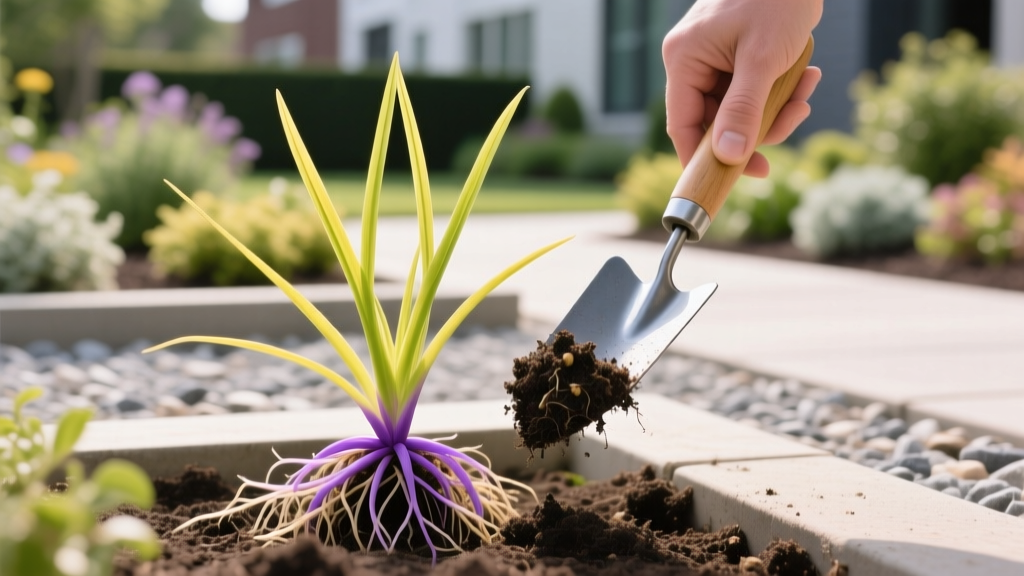
How to Identify and Eradicate Nutgrass in Landscaping Beds
Sarah ChenPublished
The Landscaper’s Nemesis: Understanding Nutgrass
For homeowners and landscape professionals alike, few weeds inspire as much frustration as nutsedge, commonly misidentified as nutgrass. Thriving in moist, poorly drained soils, this aggressive perennial weed can quickly overtake carefully curated garden beds, turf borders, and hardscape edges. Unlike standard broadleaf or grassy weeds, nutsedge belongs to the sedge family (Cyperaceae) and possesses a unique underground survival mechanism that makes it notoriously difficult to eradicate. Whether you are maintaining a residential flower bed or managing a large-scale commercial landscape, understanding the biology of nutsedge is the first step toward reclaiming your outdoor spaces.
How to Accurately Identify Nutsedge
Before reaching for a herbicide, proper identification is crucial. Misidentifying nutsedge as standard crabgrass or fescue will lead to ineffective treatment plans and wasted money. According to Penn State Extension, there are two primary species that plague North American landscapes: Yellow Nutsedge (Cyperus esculentus) and Purple Nutsedge (Cyperus rotundus). Both share similar growth habits but have distinct visual markers.
Visual Characteristics
The easiest way to remember the difference between grasses and sedges is the old botanical rhyme: 'Sedges have edges, rushes are round, grasses are hollow.' If you roll a nutsedge stem between your thumb and index finger, you will distinctly feel a triangular, three-sided shape. Furthermore, nutsedge leaves emerge in groups of three from the base, whereas grass leaves typically emerge in pairs. Nutsedge also grows significantly faster than surrounding landscape plants or turf, often shooting up two to three inches above the canopy within just a few days of mowing or trimming.
The Tuber Problem: Why It Keeps Coming Back
The true danger of nutsedge lies beneath the soil surface. The plant reproduces primarily through small, underground tubers known as 'nutlets.' Purple nutsedge forms these tubers in interconnected chains along its rhizomes, while yellow nutsedge typically forms them at the very ends of its rhizomes. A single purple nutsedge plant can produce hundreds of tubers in one growing season. These tubers can remain dormant in the soil for several years, sprouting only when conditions are favorable or when the parent plant is stressed or removed. This is why simply pulling the visible green shoots is a futile long-term strategy.
Why Standard Weed Killers Fail
Many homeowners make the costly mistake of applying standard glyphosate-based weed killers (like Roundup) to nutsedge infestations. While glyphosate will burn off the visible green foliage, it rarely translocates effectively through the entire rhizome and tuber chain. Within two to three weeks, the dormant tubers will activate, sending up new shoots to replace the ones you killed. Effective eradication requires herbicides specifically formulated to penetrate the sedge's waxy leaf cuticle and travel down into the root system to destroy the nutlets.
Manual vs. Chemical Removal Strategies
When tackling nutsedge in landscaping beds, you must choose between manual extraction and chemical intervention based on the severity of the infestation and the proximity of your desirable plants.
Manual Removal Techniques
Manual removal is only viable for very small, newly established infestations. To be successful, you must remove the entire root system, which often requires digging 8 to 10 inches deep into the soil. Use a narrow trenching shovel or a specialized weeding tool to extract the soil core. Never use a rototiller or garden cultivator in an area infested with nutsedge. Tilling will chop the tuber chains into dozens of individual pieces, effectively planting new weeds and multiplying your problem exponentially. If you must dig, sift the soil carefully to remove all nutlets, which look like small, dark brown or black jellybeans.
Chemical Control Options
For established infestations, targeted post-emergent herbicides are necessary. The Clemson University Home & Garden Information Center recommends products containing halosulfuron-methyl or sulfentrazone for sedge control. Timing is everything: apply post-emergent herbicides in late spring or early summer when the nutsedge is young, actively growing, and has not yet begun forming mature tuber chains. Always include a non-ionic surfactant in your tank mix to help the chemical adhere to the waxy, upright leaves of the sedge.
Herbicide Comparison Chart for Nutsedge
Selecting the right chemical depends on your landscape setup, budget, and whether you are treating a garden bed or a turf border. Below is a comparison of the most effective active ingredients for nutsedge management.
| Active Ingredient | Brand Example | Application Rate | Best Use Case | Est. Cost |
|---|---|---|---|---|
| Halosulfuron-methyl | SedgeHammer | 1/3 oz per gallon of water (per 1,000 sq ft) | Spot treatment in turf and around established ornamentals | $25 - $30 / packet |
| Sulfentrazone | Dismiss NXT | 0.18 - 0.27 fl oz per 1,000 sq ft | Fast burn-down in hardscape borders and non-crop areas | $60 - $75 / bottle |
| Pendimethalin | Pre-M / Pendulum | 2.5 - 3.0 lbs per 1,000 sq ft | Pre-emergent barrier in dormant landscape beds | $45 - $55 / bag |
Note: Always read and follow the manufacturer's label instructions. Some post-emergent herbicides can cause phytotoxicity (leaf burn) to desirable ornamental shrubs and flowers if applied as a broadcast spray rather than a targeted spot treatment.
Preventative Landscaping and Cultural Controls
Eradicating the current crop of nutsedge is only half the battle. Because tubers can survive in the soil for years, you must alter the landscape environment to make it inhospitable to future growth. Nutsedge thrives in compacted, consistently wet soils. Implementing the following cultural controls will drastically reduce your long-term maintenance costs.
- Correct Drainage Issues: If your garden beds are constantly soggy, nutsedge will flourish. Consider installing French drains (averaging $15 to $30 per linear foot) or regrading the soil to direct water away from low-lying planting areas. Amending heavy clay soils with organic compost can also improve percolation.
- Fix Irrigation Leaks: A leaking drip line or a misaligned sprinkler head that constantly floods a specific corner of a garden bed creates a perfect microclimate for nutsedge. Audit your irrigation system monthly during the growing season.
- Implement Sheet Mulching: Standard wood mulch is rarely thick enough to suppress nutsedge; the sharp shoots will easily pierce through 2 inches of bark. Instead, use a 'sheet mulching' technique. Lay down overlapping layers of heavy, uncoated cardboard directly over the soil, then cover it with 3 to 4 inches of premium hardwood mulch. The cardboard blocks the sunlight necessary for the tubers to photosynthesize, eventually starving them.
- Use Woven Landscape Fabric: If cardboard is not a viable long-term solution for your commercial or high-end residential property, invest in heavy-duty, woven geotextile landscape fabric. Avoid solid plastic sheeting, which ruins soil health and prevents water penetration. Woven fabric allows the soil to breathe while providing a physical barrier that dulls the sharp tips of emerging nutsedge shoots.
Conclusion
Managing nutsedge in landscaping beds requires patience, precise identification, and a multi-faceted approach. By abandoning ineffective generic herbicides in favor of targeted sedge-killers like halosulfuron-methyl, and by pairing chemical treatments with aggressive moisture management and physical barriers, you can break the tuber cycle. Consistent monitoring during the late spring and early summer will allow you to catch and eliminate new shoots before they have the opportunity to replenish the underground nutlet reserves, ensuring your landscape beds remain pristine and healthy for seasons to come.

