Lawn Care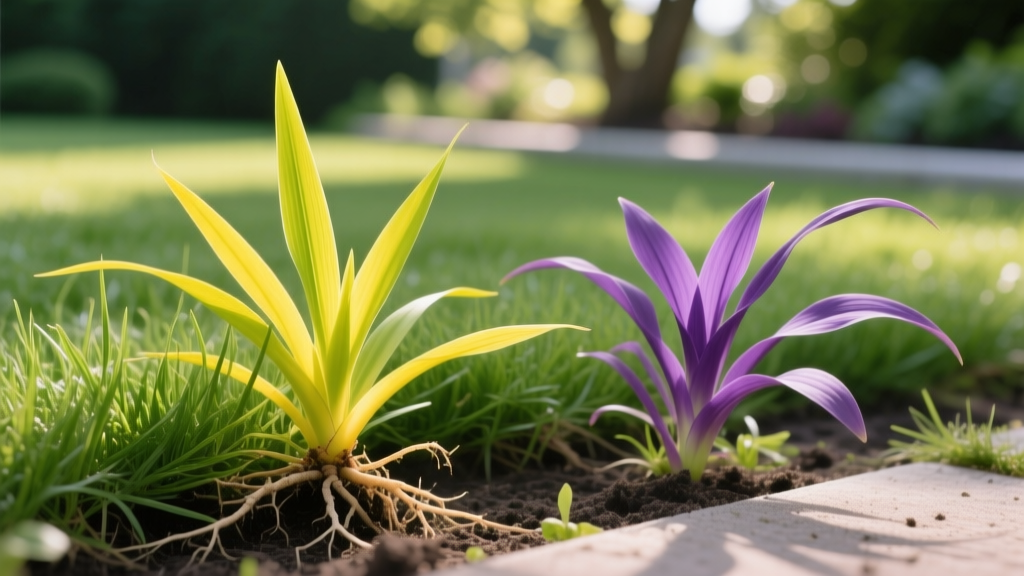
How to Identify and Eradicate Nutsedge in Your Lawn
James MillerPublished
What is Nutsedge? The 'Superweed' of Lawns
If you have noticed light green, fast-growing blades shooting up through your turf just days after mowing, you are likely dealing with nutsedge. Often mistakenly called 'nutgrass,' nutsedge is not a grass at all, nor is it a broadleaf weed. It belongs to the sedge family (Cyperaceae). This distinction is critical because standard lawn weed killers designed for dandelions or crabgrass will have absolutely no effect on it.
Nutsedge is notoriously aggressive. It thrives in wet, poorly drained soils and can easily outcompete your desirable turfgrass for sunlight, water, and nutrients. According to turfgrass experts at Penn State Extension, nutsedge reproduces primarily through underground tubers (often called 'nutlets'), making it incredibly resilient to both environmental stress and improper chemical applications.
The Golden Rule of Sedges: 'Sedges have edges, rushes are round, grasses have nodes from their tips to the ground.' If you roll the stem of the weed between your fingers and feel a distinct triangle, you have found nutsedge.
Yellow Nutsedge vs. Purple Nutsedge: Identification Guide
There are two primary species of nutsedge that invade home lawns: Yellow Nutsedge (Cyperus esculentus) and Purple Nutsedge (Cyperus rotundus). While they look similar at a glance, they have different growth habits and respond slightly differently to herbicides. Identifying which one you have is the first step toward eradication.
| Characteristic | Yellow Nutsedge | Purple Nutsedge |
|---|---|---|
| Leaf Color | Light green to yellowish-green | Dark green, sometimes with a reddish base |
| Leaf Tip | Long, sharply pointed, tapering | Blunt, short, and slightly rounded |
| Seedhead Color d> | Golden / Yellow-Brown | Purplish / Dark Red-Brown |
| Tuber Structure | Single tubers at the end of rhizomes | Chains of tubers connected by rhizomes |
| Height | Grows taller (up to 3 feet if unmowed) | Grows shorter (rarely exceeds 1.5 feet) |
| Hardiness Zone | Found nationwide, highly cold-tolerant | Mostly restricted to the deep South and warm coastal regions |
Why is Nutsedge So Hard to Kill?
The primary reason homeowners struggle to kill nutsedge is its complex underground reproductive system. A single yellow nutsedge plant can produce hundreds of tubers in a single season. These tubers can lay dormant in the soil for years, waiting for the right moisture and temperature conditions to sprout.
When you pull a nutsedge plant by hand, the 'nut' almost always snaps off and remains buried in the soil. In fact, the Clemson University Home & Garden Information Center warns that physically pulling or tilling nutsedge can actually stimulate the dormant tubers to sprout, turning one visible weed into five new ones. Furthermore, the leaves of the nutsedge plant are coated in a thick, waxy cuticle that causes many standard liquid herbicides to bead up and roll off before they can be absorbed into the plant's vascular system.
Best Chemical Treatments for Nutsedge Control
Because pre-emergent herbicides are largely ineffective against established tubers, you must use specialized post-emergent sedge herbicides. These chemicals are systemic, meaning they are absorbed through the leaves and translocated down into the roots and tubers to kill the entire plant.
| Active Ingredient | Popular Brand Name | Speed of Control | Safe For Grass Types |
|---|---|---|---|
| Halosulfuron-methyl | SedgeHammer+ | Slow (2-3 weeks to see yellowing) | Safe for almost all cool and warm-season grasses |
| Sulfentrazone | Dismiss NXT, Blindside | Fast (1-2 days to see browning) | Most grasses, but can stunt some St. Augustine |
| Imazaquin | Image Kills Nutsedge | Slow (3-4 weeks) | Warm-season grasses ONLY (Bermuda, Zoysia, Centipede) |
| Pyrimisulfan | Certainty | Moderate (7-14 days) | Warm-season grasses (highly effective on mature purple nutsedge) |
Product Spotlight: SedgeHammer+ vs. Dismiss
SedgeHammer+ (Halosulfuron-methyl) is widely considered the gold standard for residential nutsedge control. It comes in convenient 0.5 oz packets that treat exactly 1,000 square feet. The '+' indicates it comes with a built-in surfactant, which is crucial for penetrating the waxy leaf cuticle. It is exceptionally safe for delicate cool-season grasses like Kentucky Bluegrass and Tall Fescue.
Dismiss (Sulfentrazone) is favored by lawn care professionals who need faster visual results. It burns the foliage down rapidly, often within 48 hours. However, because it acts so quickly, it sometimes fails to translocate fully into the deepest tubers, requiring a follow-up application 30 days later.
Step-by-Step Nutsedge Application Guide
To achieve maximum kill rates and prevent the tubers from surviving, follow this precise application protocol:
- Timing is Everything: Apply herbicides in late spring or early summer when the nutsedge is actively growing but before it has produced new tubers (usually when the plant has 3 to 8 visible leaves). Avoid spraying during extreme summer heat (above 85°F) to prevent turf stress.
- Prep the Lawn: Do not mow for 2 days before your application. You need maximum leaf surface area for the herbicide to absorb. Ensure the soil is moist; water the lawn lightly the day before if it has been dry.
- Mix the Solution: If using a product like SedgeHammer that does not include a surfactant, you must add a Non-Ionic Surfactant (NIS). Use 1 to 2 teaspoons of NIS per gallon of water. This breaks the surface tension and allows the chemical to stick to the waxy leaves.
- Spot Spray: Use a pump sprayer to target the nutsedge patches directly. Coat the leaves evenly until just before the point of runoff. Drenching the soil is unnecessary and wasteful.
- The Waiting Game: Do not mow, water, or disturb the treated area for at least 48 hours after application. You will notice the leaves turning yellow, then brown, over the next two weeks.
- Follow-Up: A second application is almost always required 4 to 6 weeks later to catch any secondary sprouts emerging from the tuber chain.
Cultural Controls: Starving the Nutsedge
Herbicides will kill the existing plants, but they will not change the environment that invited the nutsedge in the first place. Nutsedge is an indicator weed; its presence screams that your soil is staying too wet for too long. To prevent future outbreaks, implement these cultural practices:
- Fix Drainage Issues: Identify low spots in your yard where water pools after a rainstorm. Regrade these areas or install a French drain to move water away from the turf.
- Core Aeration: Compacted soil prevents water from percolating downward, leaving the top inch of soil soggy—a paradise for nutsedge. Core aerate your lawn annually to relieve compaction and improve deep root drainage.
- Adjust Irrigation: Overwatering is the number one cause of nutsedge outbreaks. Switch your sprinkler system to a 'deep and infrequent' schedule. Water only when the grass shows signs of drought stress (footprinting or a bluish-gray hue).
- Thicken Your Turf: Nutsedge needs sunlight to germinate and grow. By properly fertilizing and overseeding your lawn, you create a dense canopy that shades the soil, naturally suppressing sedge emergence.
Frequently Asked Questions
Does vinegar or boiling water kill nutsedge?
No. Household remedies like horticultural vinegar or boiling water are 'contact' burners. They will scorch the visible leaves of the nutsedge, but they will not penetrate the soil to kill the underground tubers. The plant will simply regrow from the roots within a week.
Should I pull nutsedge by hand?
Hand-pulling is generally discouraged. Because the rhizomes are brittle, the plant snaps off just above the tuber. This leaves the 'nut' in the ground, which will quickly send up new shoots. If you must pull it, use a specialized weeding tool to dig at least 8 to 10 inches deep to extract the entire root system and tuber chain.
How long does it take to completely eradicate nutsedge?
Because tubers can remain dormant in the soil for up to three years, total eradication is a multi-season project. Expect to spot-treat emerging sprouts every spring and early summer for at least two to three consecutive years to fully deplete the tuber bank in your soil.