Lawn Care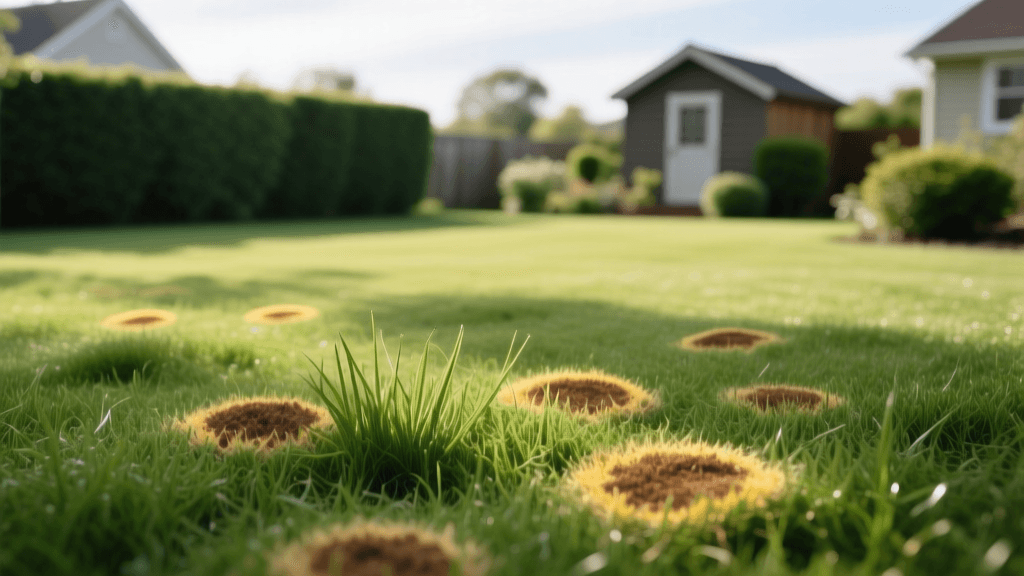
How to Identify and Treat Brown Patch Lawn Disease Fast
What is Brown Patch Disease?
Brown patch, caused by the fungal pathogen Rhizoctonia solani, is arguably the most prevalent and frustrating disease affecting residential lawns across the United States. Unlike some fungi that target specific grass species, brown patch is an opportunistic pathogen that attacks both cool-season grasses (like tall fescue, Kentucky bluegrass, and perennial ryegrass) and warm-season grasses (such as St. Augustine, Bermuda, and Zoysia). When left untreated, this disease can rapidly decimate large sections of your turf, leaving behind unsightly, sunken brown circles that invite weed invasions.
Understanding the life cycle of this fungus is the first step toward effective problem diagnosis. The pathogen survives the winter as sclerotia—small, hardened masses of fungal mycelium—resting in the thatch layer or soil. When environmental conditions align perfectly, these sclerotia germinate, infect the leaf sheaths, and cause the rapid tissue collapse that homeowners notice as 'brown patches.' Because the fungus attacks the base of the leaf blade rather than the root system, the crown of the plant often remains alive, meaning recovery is possible with the right intervention.
Step-by-Step Diagnosis: Is it Brown Patch?
Accurate diagnosis is critical before spending money on fungicides. Many lawn issues, including drought stress, dog urine spots, and grub damage, can mimic the appearance of brown patch. To confirm Rhizoctonia solani is the culprit, you need to look for specific diagnostic markers at the micro and macro levels.
The 'Smoke Ring' and Leaf Lesions
In the early morning, when dew is heavy on the grass, inspect the outer edges of the brown, dying patches. You are looking for a 'smoke ring'—a distinct, dark gray or purplish-black border that separates the dead tissue from the healthy green grass. This ring indicates active fungal mycelium growth. If you do not see a smoke ring, examine individual grass blades at the margin of the patch. Brown patch creates distinct tan or light brown lesions on the leaf blades, often bordered by a dark brown or reddish-purple margin. On wide-bladed grasses like tall fescue, these lesions are easy to spot with the naked eye.
The Pull Test vs. Root Rot
A common mistake in lawn problem diagnosis is confusing brown patch with Pythium root rot or white grub damage. Perform a simple 'pull test.' Grab a handful of grass at the edge of the brown patch and tug gently. If the grass pulls up easily with no roots attached, or if the roots are stunted and blackened, you are likely dealing with grubs or a root-rot disease. In contrast, brown patch primarily rots the leaf sheath at the base of the stem. The grass will break off at the soil line, but the actual root system will remain firmly anchored and relatively healthy. Additionally, you may notice a white, cottony mycelium webbing at the base of the grass blades in the early morning hours.
Environmental Triggers: Why is My Lawn Infected?
Fungal spores are almost always present in the soil, but they only cause disease when the environment favors the pathogen over the plant. Brown patch thrives under a very specific set of climatic conditions. According to turfgrass pathology experts, the disease becomes highly active when nighttime temperatures remain above 68°F (20°C) and daytime temperatures exceed 80°F (26°C).
However, temperature alone is not enough. The most critical trigger is prolonged leaf wetness. If grass blades remain wet for 10 to 12 continuous hours—often due to evening irrigation, heavy summer dew, or poor air circulation—the fungus can germinate and infect the turf. High humidity, compacted soils with poor drainage, and excessive thatch buildup (greater than 0.5 inches) create the perfect microclimate for Rhizoctonia solani to flourish.
Cultural Solutions: Starving the Fungus
Before reaching for chemical treatments, you must address the cultural practices that are enabling the disease. Fungicides will only provide a temporary band-aid if the underlying environmental triggers are not corrected.
Irrigation and Moisture Control
Never water your lawn in the late afternoon or evening. Watering at night extends the leaf wetness period, practically guaranteeing a fungal outbreak. Instead, irrigate deeply and infrequently in the early morning, ideally between 4:00 AM and 6:00 AM. This allows the sun and wind to dry the grass blades quickly while still providing the soil with the 1 to 1.5 inches of water per week it needs. If your lawn suffers from poor drainage, consider core aeration in the fall to alleviate soil compaction and improve water infiltration.
Mowing and Clipping Management
Mowing height plays a massive role in disease susceptibility. Cutting your grass too short stresses the plant and reduces its ability to photosynthesize, making it highly vulnerable to infection. Raise your mower deck to the highest recommended setting for your grass type (e.g., 3.5 to 4 inches for tall fescue). Furthermore, if brown patch is actively spreading, bag your grass clippings. While mulching is normally beneficial, leaving infected clippings on the lawn spreads the fungal mycelium to healthy areas of the turf.
Fertilizer Timing and Nitrogen Levels
Excessive nitrogen fertilization during the late spring and summer months forces rapid, succulent leaf growth. This soft, new tissue is highly susceptible to fungal penetration. Avoid applying high-nitrogen synthetic fertilizers when nighttime temperatures consistently stay above 65°F. If your lawn needs nutrients during the summer, opt for slow-release, organic nitrogen sources or focus on potassium and phosphorus to promote root and cell wall strength rather than top growth.
Chemical Treatments: Fungicide Options and Costs
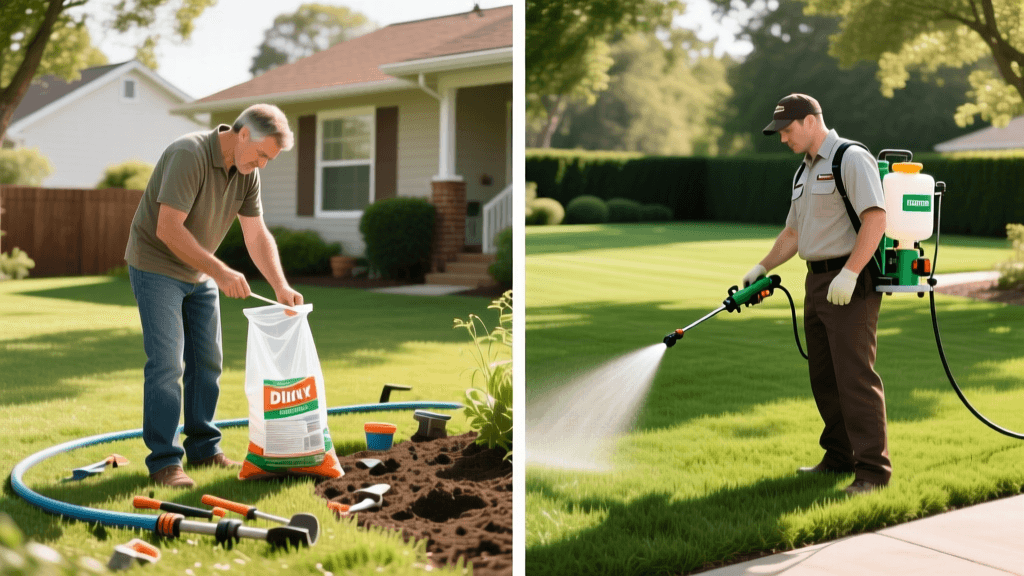
When cultural controls are insufficient and the disease is spreading rapidly, chemical intervention is necessary. Fungicides are most effective when used preventatively, but certain systemic options can halt an active outbreak (curative control). When applying fungicides, always use a hose-end or pump sprayer that provides even coverage, and apply the product in the early evening so it has time to dry on the leaf surface overnight without being burned off by the sun.
| Active Ingredient | Product Example | Application Rate | Control Type | Estimated Cost |
|---|---|---|---|---|
| Azoxystrobin | Heritage G / Scotts DiseaseEX | 2-4 lbs per 1,000 sq ft | Preventative & Curative | $25 - $45 per bag |
| Propiconazole | Banner Maxx / Honor Guard | 1-2 fl oz per 1,000 sq ft | Curative & Preventative | $40 - $60 per bottle |
| Myclobutanil | Spectracide Immunox | 2-3 fl oz per gallon | Curative | $15 - $25 per bottle |
| Fluoxastrobin | BioAdvanced Fungus Control | As directed on label | Preventative | $20 - $30 per bag |
Pro Tip: Fungi can develop resistance to chemical treatments if the same active ingredient is used repeatedly. To prevent this, rotate between different FRAC (Fungicide Resistance Action Committee) codes. For example, alternate between Azoxystrobin (FRAC 11) and Propiconazole (FRAC 3) every 28 days during peak disease season.
Lawn Recovery and Overseeding
Because Rhizoctonia solani primarily attacks the leaf blades and sheaths rather than the roots, the crown of the grass plant usually survives a brown patch outbreak. Once the environmental triggers are mitigated and the fungus is suppressed, the lawn will often recover on its own within two to three weeks as new tillers emerge from the crown.
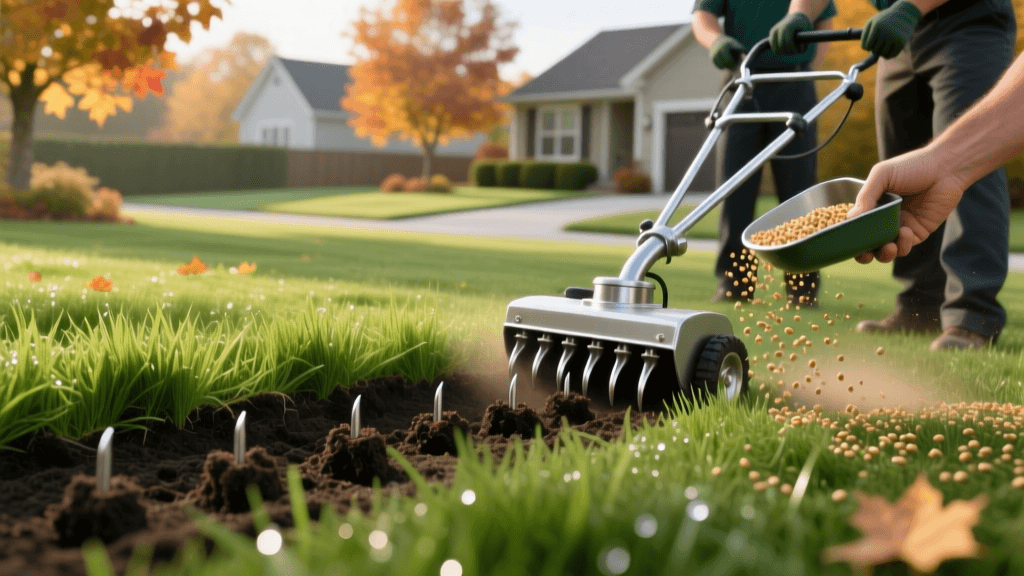
However, if the outbreak was severe and the crown tissue was destroyed, you will be left with bare, circular patches. In this case, overseeding is required. Wait until the disease is fully controlled and environmental conditions are favorable for seed germination (typically early fall for cool-season grasses). Rake the dead areas to expose the soil, apply a starter fertilizer, and sow a disease-resistant grass cultivar. According to the National Turfgrass Evaluation Program (NTEP), selecting tall fescue varieties with proven resistance to brown patch can drastically reduce future outbreaks.
'Brown patch is a disease of the leaves and sheaths. The roots and crown are usually not killed, so the turf can recover if the stress is relieved and the disease is controlled. However, severe outbreaks can thin the turf enough to allow weed invasion.' — NC State University Turfgrass Pathology Program
Diagnosing and treating brown patch requires a combination of keen observation, cultural discipline, and targeted chemical applications. By managing moisture, adjusting your mowing height, and utilizing rotational fungicide strategies, you can protect your lawn from this aggressive pathogen and maintain a thick, vibrant turf throughout the hottest months of the year.