Pest Control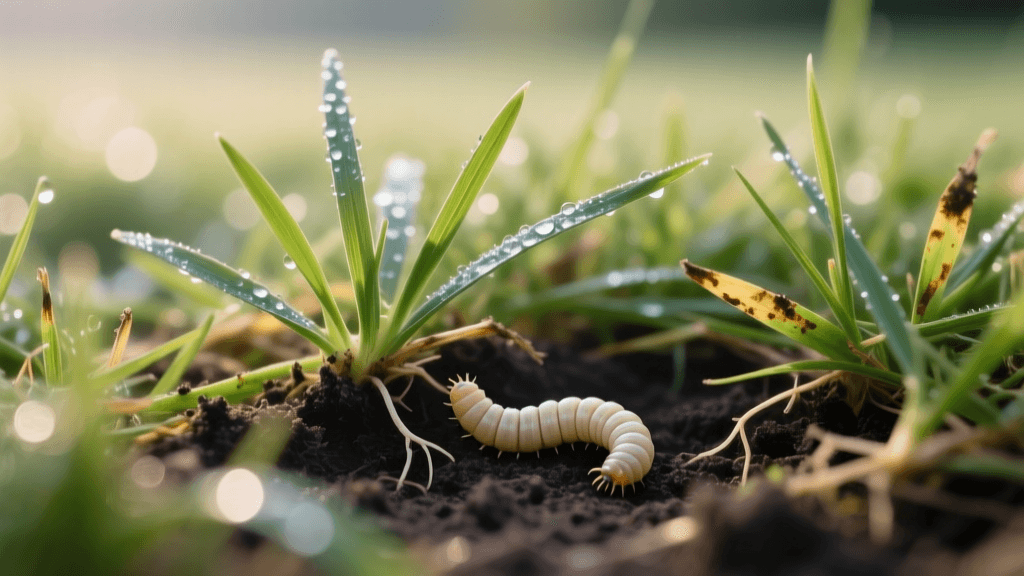
How to Identify and Treat Grub Worms in Cool-Season Lawns
Introduction to Grub Worm Damage in Cool-Season Lawns
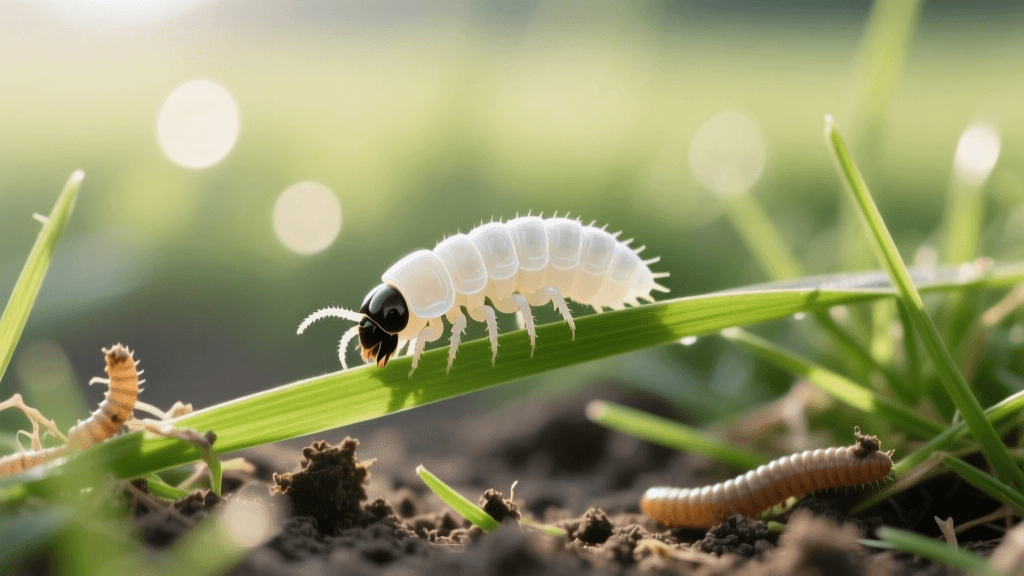
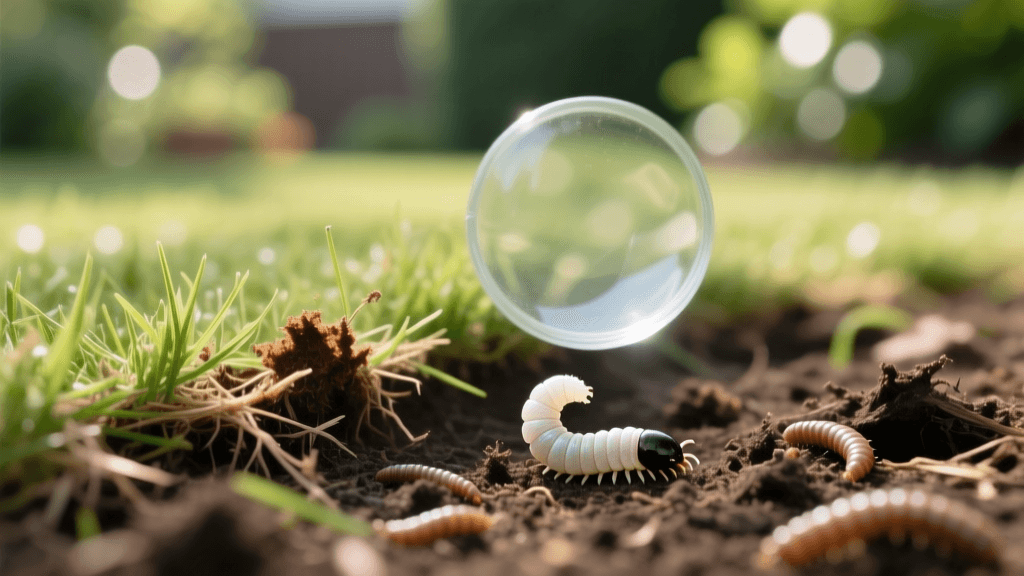
White grubs are the immature, larval stage of scarab beetles, and they represent one of the most destructive below-ground pests for cool-season lawns across North America. Species such as the Japanese beetle, European chafer, and June beetle lay their eggs in your turf during the early summer months. Once hatched, these C-shaped, cream-colored larvae begin voraciously feeding on the root systems of Kentucky bluegrass, tall fescue, and perennial ryegrass. The result is a lawn that quickly loses its ability to uptake water and nutrients, leading to widespread turf decline. However, diagnosing a grub infestation requires more than just spotting brown patches, and solving the problem demands precise timing and the correct selection of either chemical or biological controls. In this comprehensive guide, we will explore how to accurately diagnose grub damage, understand the pest's life cycle, and implement targeted solutions to restore your lawn's health.
Diagnosing the Problem: Is It Grubs or Something Else?
The most common symptom of a grub infestation is the appearance of irregular, spongy brown patches that fail to green up despite adequate irrigation. Because grubs sever the roots just below the soil surface, the turf loses its anchor. Homeowners often report that the damaged grass feels like a freshly laid carpet that can be easily rolled back. Additionally, secondary pest activity is a massive red flag. If you notice skunks, raccoons, armadillos, or flocks of crows and starlings tearing up your lawn, they are likely foraging for the protein-rich grubs hiding just beneath the thatch layer.
To confirm a grub problem, you must perform a physical inspection. The 'Tug Test' is your first step: grasp a handful of brown grass and pull gently. If it lifts away from the soil with zero resistance, root severing has occurred. Next, perform the 'Square Foot Dig Test.' Using a flat-edged spade, cut a one-foot by one-foot square of turf about three inches deep and peel it back. Count the number of grubs wriggling in the topsoil and on the roots. According to Purdue University Extension, a threshold of five to ten grubs per square foot generally warrants treatment, though lawns under drought stress or heavy animal foraging pressure may require intervention at even lower thresholds.
Common Lawn Grub Identification Chart
| Species | Adult Beetle | Grub Size (Mature) | Raster Pattern (Tail End) |
|---|---|---|---|
| Japanese Beetle | Copper/Metallic Green | 1.25 inches | V-shaped, distinct anal slit |
| European Chafer | Tan/Light Brown | 1.0 inch | Y-shaped, zipper-like |
| June Beetle (May Bug) | Dark Brown/Black | 1.5 to 2.0 inches | Parallel rows of fine bristles |
Understanding the Grub Life Cycle
Understanding the life cycle of the scarab beetle is critical because applying the wrong product at the wrong time will yield zero results and waste your money. Most common lawn grubs follow a one-year life cycle. Adult beetles emerge, mate, and lay eggs in the soil from late June through July. These eggs hatch in early to mid-August, releasing tiny, highly active first-instar grubs. These young larvae feed aggressively on grassroots near the surface throughout late summer and early fall. As soil temperatures drop in November, the grubs burrow deep below the frost line to overwinter. They return to the surface briefly in April to feed again before pupating into adults in May. The most vulnerable stage for treatment is late summer when the grubs are small, actively feeding, and close to the soil surface.
Solution 1: Preventative Chemical Controls
Preventative chemical controls are designed to be applied before the eggs hatch or while the newly hatched grubs are extremely small. The gold standard for preventative grub control is the active ingredient Chlorantraniliprole, widely available to consumers under the brand name Scotts GrubEx. This product is highly effective, safe for pollinators once dried, and gentle on beneficial soil organisms. For optimal results, apply Scotts GrubEx at a rate of 3.3 pounds per 1,000 square feet between early April and late May. A standard 10,000 square foot bag costs approximately $30 to $35. After application, you must water the lawn with at least a quarter-inch of irrigation to move the active ingredient into the root zone where the eggs will hatch. Imidacloprid (e.g., Bayer Advanced Grub Control) is another preventative option, but it must be applied slightly later, typically in June or early July, just before peak egg hatch.
Solution 2: Curative Chemical Controls
If you missed the preventative window and discover an active infestation in late August or September, you need a fast-acting curative treatment. Curative products target the larger, actively feeding grubs that are currently destroying your root system. The most effective curative active ingredient available to homeowners is Trichlorfon, commonly sold as Bayer Advanced 24 Hour Grub Killer Plus or Dylox. Trichlorfon works rapidly, often killing grubs within 24 hours of contact. Apply at a rate of 3 pounds per 1,000 square feet. Crucially, Trichlorfon degrades quickly in alkaline soils and sunlight, so it must be watered in immediately after application with a half-inch of water. A 10-pound bag of Dylox typically costs around $45 and covers roughly 3,300 square feet. Note that curative treatments are largely ineffective in the spring, as the mature grubs are preparing to pupate and are no longer feeding heavily.
Solution 3: Organic and Biological Controls
For homeowners practicing Integrated Pest Management (IPM) or seeking organic alternatives, biological controls offer a sustainable, albeit slower, solution. Beneficial nematodes, specifically the Heterorhabditis bacteriophora (Hb) species, are microscopic worms that seek out and infect grub larvae with a lethal bacteria. You can purchase live Hb nematodes online or at specialty garden centers for about $40 per 10 million nematodes, which treats roughly 2,000 square feet. Nematodes must be applied in late summer when soil temperatures are between 60°F and 85°F and the soil is consistently moist. They are highly sensitive to UV light, so apply them in the early evening and water them in immediately. Another organic option is Milky Spore (Paenibacillus popilliae), a bacterium that specifically targets Japanese beetle grubs. While Milky Spore can persist in the soil for over a decade, it takes two to three years to build up sufficient spore counts to provide reliable control, making it a long-term investment rather than a quick fix.
Repairing the Grub Damage
Once the grub population has been neutralized, repairing the damaged lawn is the final step. Begin by raking away all dead, detached turf and debris to expose the bare soil. If the soil is compacted from animal digging or heavy foot traffic, perform a core aeration to relieve compaction and improve seed-to-soil contact. Overseed the bare patches with a resilient cool-season grass blend, such as a mix of turf-type tall fescue and Kentucky bluegrass. Tall fescue is particularly advantageous because its deep, robust root system makes it more tolerant of future minor grub feeding. Apply a high-quality starter fertilizer (e.g., a 10-18-10 NPK ratio) to promote rapid germination and root establishment. Keep the newly seeded areas consistently moist by watering lightly two to three times a day until the new grass reaches a height of two inches.
Expert Insights and Citations
Proper pest management relies on data-driven thresholds rather than calendar-based spraying. According to entomologists at the Purdue University Extension, a healthy lawn can often tolerate up to five grubs per square foot without showing visible damage, provided it receives adequate moisture. However, they caution that secondary damage from foraging wildlife can occur at much lower thresholds, necessitating localized curative treatments or the use of animal deterrents. By combining accurate diagnosis, precise timing, and targeted treatments, you can effectively manage grub populations and maintain a thick, vibrant lawn year after year.