Pest Control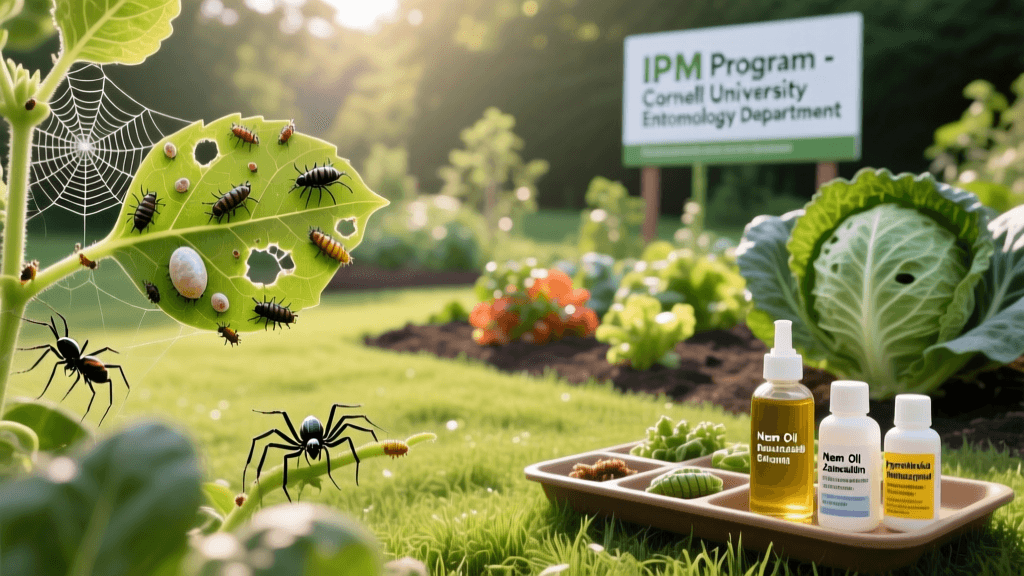
Identifying Common Garden Diseases And Treatments
Recognizing the Early Signs of Garden Disease
Most garden diseases start quietly. A faint yellowing along leaf edges, a dusty white film on squash leaves, or a soft brown spot at the base of a tomato stem — these are early clues that something’s off. Spotting them right away gives you the best chance to act before things get worse. Getting the diagnosis right matters: mistaking a fungal problem for a nutrient shortage (or the other way around) can delay real treatment and sometimes make things worse.
Plant diseases generally fall into four groups: fungal, bacterial, viral, and oomycete (often called water molds, though they’re not true fungi). Each responds differently to treatments — using a fungicide on a bacterial infection won’t help. Before grabbing any spray, look closely at how the symptoms spread — do they start from one spot and move outward? Follow veins? Show up randomly? Also think about recent weather. Many pathogens favor certain temperatures or humidity levels.
Fungal Diseases: Identification and Management
Fungal diseases cause most of the plant problems gardeners see. They spread through spores carried by wind, rain splash, insects, or dirty tools. According to the University of California Cooperative Extension, fungal diseases account for over 70% of plant disease losses in home gardens across the western U.S.
Powdery Mildew
Powdery mildew comes from several related fungi in the order Erysiphales. It’s unusual among fungi because it prefers warm, dry days with moderate humidity — usually between 60°F and 80°F (15°C–27°C) — and doesn’t need wet leaves to take hold. You’ll see white to gray powdery patches on leaf tops, stems, and flower buds. Cucurbits, roses, phlox, and squash tend to catch it easily.
For organic options, potassium bicarbonate (1 tablespoon per gallon of water) has worked well in Cornell University’s Plant Disease Diagnostic Clinic trials — it disrupts the fungus on contact. Neem oil, which contains azadirachtin, helps prevent infection and can slow mild cases when applied every 7 to 14 days. Myclobutanil and trifloxystrobin are chemical options that move inside the plant and last about two weeks. Start either kind as soon as you see the first signs — don’t wait until the whole plant is covered.
Early and Late Blight in Solanaceous Crops
Early blight (Alternaria solani) and late blight (Phytophthora infestans) both hit tomatoes and potatoes, but they’re very different. Early blight shows up as dark brown spots with concentric rings — like a bullseye — usually starting on older, lower leaves. Late blight, caused by an oomycete, starts as water-soaked gray-green patches that quickly turn brown; in humid weather, you might see white fuzz on the underside of leaves. Late blight triggered the Irish Potato Famine in the 1840s and still hits hard during cool, wet seasons.
Copper-based products like copper octanoate or copper hydroxide work against both and are approved for organic use. Apply them preventively every 7 to 10 days when it’s wet, starting when plants reach 12 to 18 inches tall. For late blight specifically, mancozeb (manganese ethylenebisdithiocarbamate) offers strong protection. To avoid resistance, switch it up with chlorothalonil. North Carolina State University Extension advises bagging and throwing out infected plants at season’s end — don’t compost them — to cut down on next year’s risk.
Root Rots and Damping-Off
Root rots caused by Pythium, Rhizoctonia, and Fusarium are especially tricky because above-ground symptoms — wilting, yellowing, stunting — often appear only after roots are already badly damaged. Seedlings collapsing at the soil line (damping-off) usually point to Pythium or Rhizoctonia, especially in soggy, poorly drained soil. Mature plants may have brown, mushy roots and look stressed even with enough water.
Prevention works better than cure. Use well-draining potting mix or garden soil, don’t overwater, and make sure containers have good drainage holes. Biological controls like Trichoderma harzianum have held up well in university tests against Pythium and Rhizoctonia. Rootshield, which contains T. harzianum strain T-22, is labeled for both greenhouse and field use. Mefenoxam is a chemical option that targets Pythium, but it won’t touch true fungi like Fusarium.
Bacterial Diseases and Their Distinct Characteristics
Bacterial pathogens slip into plants through natural openings like stomata or lenticels, or through cuts and wounds from insects, pruning, or hail. They don’t make spores like fungi, but they travel fast — via splashing water, dirty tools, or insect carriers. Bacterial spots often look water-soaked at first, then turn brown or black, and sometimes smell bad — a helpful clue that it’s not fungal.
Fire blight (Erwinia amylovora) is one of the worst bacterial diseases for apple, pear, and crabapple trees. Infected shoot tips wilt, curl, and stay attached, forming a shape like a shepherd’s crook. The bacteria spread fastest during bloom when temps run 65°F to 86°F (18°C–30°C) and humidity is high. Washington State University’s Tree Fruit Research and Extension Center runs a fire blight risk model called Cougarblight — it uses local temperature and wetness data to predict infection windows, helping time copper or streptomycin sprays more precisely.
Bacterial leaf spot, caused by various Xanthomonas and Pseudomonas species, hits peppers, tomatoes, stone fruits, and ornamentals. Look for small, water-soaked spots that develop yellow halos and later drop out, leaving holes in the leaves. Copper sprays remain the main tool, though some Xanthomonas strains have become resistant. Rotating copper with acibenzolar-S-methyl (Actigard) can ease that pressure.
Viral Diseases: Vectors, Symptoms, and Control Limits
Once a plant has a virus, there’s no fixing it. All you can do is try to keep it from spreading: control the insects that carry it, pull infected plants right away, and choose resistant varieties when possible. Mosaic viruses — like Tobacco Mosaic Virus, Cucumber Mosaic Virus, and Zucchini Yellow Mosaic Virus — cause mottled yellow-green patterns on leaves, often with twisting or stunted growth. Tomato Spotted Wilt Virus, spread by thrips, brings bronze coloring, ring spots, and dark streaks on stems.
Aphids move many mosaic viruses and can pass them on in just 30 seconds of feeding — even if they land on a plant they can’t infect. Reflective mulches (silver polyethylene film) cut aphid landings by about half, according to University of Florida IFAS trials, which delays virus spread in vulnerable crops. Insecticides rarely stop virus transmission because they’re too slow — aphids feed and move on before the spray kicks in.
Integrated Pest Management and Treatment Timing
Integrated Pest Management (IPM) combines biological, cultural, mechanical, and chemical methods to manage pests and diseases while limiting harm to people and the environment. The USDA National Institute of Food and Agriculture funds IPM programs in all 50 states, and most land-grant universities offer region-specific guidance through their extension offices.
The heart of IPM is the action threshold — the point where pest or disease levels justify stepping in. In a home vegetable garden, that might mean treating powdery mildew once 10% of the leaf area is affected, rather than spraying at the first speck. This keeps pesticide use in check and slows resistance.
"The goal of IPM is not to eliminate all pests, but to keep pest populations below levels that cause unacceptable damage, using the most economical means and with the least possible hazard to people, property, and the environment." — UC Statewide IPM Program, University of California Agriculture and Natural Resources, 2023
When you spray often matters more than what you spray. Fungicides work best when used before infection sets in — or at the very first sign. Systemic fungicides (those absorbed into the plant) can help a bit after infection — usually within 24 to 72 hours — but contact fungicides only protect surfaces already covered. Checking local weather forecasts and disease models — like Tomcast for early blight or BlightPro for late blight — helps time sprays for when risk is highest, not just on a fixed calendar.
Common Disease-Treatment Reference
| Disease | Pathogen Type | Key Symptoms | Organic Control | Chemical Control (Active Ingredient) |
|---|---|---|---|---|
| Powdery Mildew | Fungal (Erysiphales) | White powdery coating on leaves | Potassium bicarbonate, neem oil | Myclobutanil, trifloxystrobin |
| Early Blight | Fungal (Alternaria solani) | Target-pattern lesions, lower leaves first | Copper octanoate | Chlorothalonil, mancozeb |
| Late Blight | Oomycete (P. infestans) | Water-soaked gray-green lesions, white sporulation | Copper hydroxide | Mancozeb, cymoxanil |
| Fire Blight | Bacterial (E. amylovora) | Shepherd's crook, blighted shoots | Copper sulfate (preventive) | Streptomycin, oxytetracycline |
| Root Rot | Fungal/Oomycete (Pythium, Fusarium) | Wilting, brown water-soaked roots | Trichoderma harzianum | Mefenoxam (Pythium only) |
| Bacterial Leaf Spot | Bacterial (Xanthomonas spp.) | Water-soaked spots with yellow halos | Copper bactericide | Acibenzolar-S-methyl (Actigard) |
Soil Health and Cultural Practices as Disease Prevention
No amount of spraying makes up for poor growing habits. Rotating crops — moving plant families to different beds every 3 to 4 years — breaks the cycle for soil-borne pathogens like Fusarium, Verticillium, and Sclerotinia, which can survive in soil for years. Long-term trials by the Rodale Institute in Kutztown, Pennsylvania show organically managed soils with rich microbial life have far fewer soil-borne diseases than conventionally managed soils with low biological activity.
Spacing plants properly also helps. Crowded plants trap moisture and raise humidity around leaves — ideal conditions for fungi and bacteria. Most vegetables need at least 18 to 24 inches between plants to let air move freely. Drip irrigation delivers water straight to the roots instead of soaking foliage, which cuts down on leaf wetness — a key factor in fungal infections. University of Georgia Cooperative Extension found switching from overhead sprinklers to drip reduced foliar disease in tomatoes by about 35% over two growing seasons.
Clean habits go a long way. Remove old plant debris, disinfect pruning tools between cuts with 70% isopropyl alcohol or a 10% bleach solution, and skip working in the garden when plants are wet. Many fungal and bacterial pathogens spend winter in leftover plant material, so cleaning up thoroughly at season’s end is one of the simplest, most effective steps a home gardener can take.
Selecting Resistant Varieties
Choosing disease-resistant varieties is one of the smartest long-term moves. Modern tomato seeds often list resistance codes: V (Verticillium wilt), F (Fusarium wilt), N (nematodes), T (Tobacco Mosaic Virus), and A (Alternaria stem canker). A variety marked “VFNT” resists all four. These letters appear on seed packets and in catalogs — check them first if you’ve had trouble with specific diseases.
- In hot, dry summers, try powdery mildew-resistant cucumbers like 'Marketmore 76' or 'Spacemaster'.
- For fire blight, apple varieties such as 'Enterprise', 'Liberty', and 'Pristine' offer moderate to strong resistance and usually need fewer sprays.
- After impatiens downy mildew swept through gardens post-2011, many gardeners switched to New Guinea impatiens (Impatiens hawkeri), which isn’t affected by Plasmopara obducens.
- Squash varieties with a semi-bush habit and open canopy stay drier inside the plant, lowering risk for both powdery mildew and vine borers.
Resistance isn’t bulletproof. Under heavy disease pressure or with new pathogen strains, even resistant plants may show some symptoms. Pairing them with good spacing, clean tools, and timely treatments when needed gives the best results.
Reading and Applying Pesticide Labels Correctly
The pesticide label is legally binding. Using a product in any way not described on the label violates federal law under FIFRA (the Federal Insecticide, Fungicide, and Rodenticide Act). Labels list exactly which crops it’s approved for, which pests it controls, how much to use, how long to wait before harvest (the pre-harvest interval, or PHI), and what safety gear to wear. The PHI is especially important for edibles. Mancozeb, for example, requires a 5-day wait before harvesting tomatoes, while copper hydroxide has no wait time on most vegetables.
- Don’t go over the maximum number of applications per season listed on the label — it’s set to limit resistance and residue buildup.
- Switch between fungicide classes (check FRAC codes) to reduce resistance risk. Don’t rely only on strobilurins (FRAC 11) or DMIs (FRAC 3); mix in broad-spectrum options like chlorothalonil (FRAC M5) or mancozeb (FRAC M3).
- Spray early morning or evening to lower the chance of leaf burn and reduce exposure to bees and other pollinators, who are busiest midday.
- Keep all pesticides in their original containers, locked up, in a cool, dry place away from kids and pets.
For help beyond the label, the National Pesticide Information Center (NPIC) — run by Oregon State University and the U.S. EPA — offers free, science-based answers on safety, toxicity, and environmental impact. Their website and toll-free line support both pros and home gardeners sorting through product choices and safety questions.