Gardening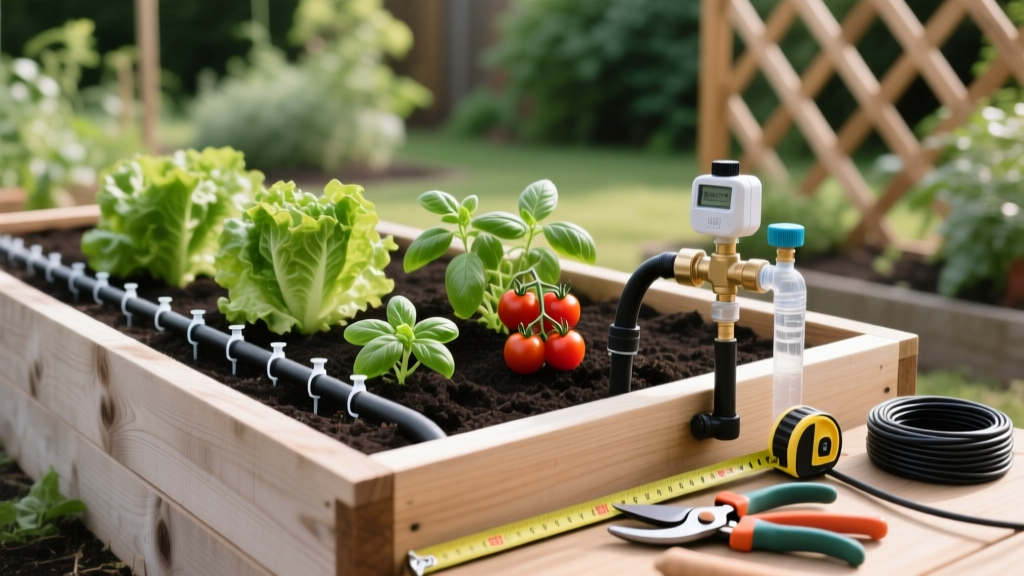
How to Install a Drip Irrigation System for Raised Beds
Mike RodriguezPublished
Why Upgrade to Drip Irrigation for Raised Beds?
Water is the lifeblood of any productive vegetable garden, but how you deliver it is just as important as how much you use. Overhead watering with sprinklers or hand-watering with a wand often leads to wet foliage, which creates a breeding ground for fungal diseases like powdery mildew and early blight. Furthermore, a significant amount of water is lost to evaporation before it ever reaches the root zone. Drip irrigation solves these problems by delivering water slowly and directly to the base of the plant.
According to the EPA WaterSense program, outdoor water use accounts for nearly 30% of household water consumption, and inefficient watering methods waste millions of gallons annually. By switching to a targeted drip system, you not only conserve a vital resource but also promote deeper, healthier root growth in your raised beds. Research from Oregon State University Extension highlights that drip systems can reduce water usage by 30% to 50% compared to overhead sprinklers while simultaneously increasing crop yields due to consistent soil moisture levels.
In this practical, step-by-step guide, we will walk you through exactly how to design, purchase, and install a professional-grade drip irrigation system for a standard 4x8-foot raised garden bed. We will cover the essential components, estimated costs, layout strategies, and long-term maintenance.
Understanding the Head Assembly Components
The most common mistake beginners make when installing a drip system is connecting the tubing directly to the faucet. Municipal water systems operate at high pressure (often 50 to 80 PSI) and contain microscopic sediment. Drip emitters are designed for low pressure (15 to 25 PSI) and have tiny internal pathways that clog easily. To prevent blown fittings and clogged lines, you must build a proper 'head assembly' at the faucet. The order of these components is critical:
- 1. Digital Faucet Timer: Automates your watering schedule so you never forget.
- 2. Backflow Preventer (Vacuum Breaker): Stops contaminated garden water from siphoning back into your home's drinking water supply.
- 3. 200-Mesh Filter: Traps sand, rust, and debris that would otherwise clog your drip emitters.
- 4. 25 PSI Pressure Regulator: Reduces the high household water pressure to a safe level for the drip tubing.
- 5. Tubing Adapter: Connects the 3/4-inch hose threads to your 1/2-inch polyethylene mainline tubing.
Materials List and Estimated Costs
Below is a comprehensive shopping list for setting up a complete drip system for one standard 4x8-foot raised bed. Prices are approximate and based on standard hardware store and online irrigation supplier averages.
| Component | Specification | Estimated Cost |
|---|---|---|
| Digital Water Timer | 2-Zone, battery-operated | $25.00 - $40.00 |
| Backflow Preventer | 3/4 in. Hose Thread (FHT) | $10.00 |
| Filter | 3/4 in. FHT, 200-mesh screen | $12.00 |
| Pressure Regulator | 3/4 in. FHT, 25 PSI output | $10.00 |
| Mainline Tubing | 1/2 in. Blank Polyethylene (50 ft) | $15.00 |
| Drip Tape / Soaker Line | 1/4 in. Porous or emitter line (100 ft) | $25.00 |
| End Caps | 1/2 in. and 1/4 in. compression caps | $5.00 |
| Tools & Fittings | Hole punch, goof plugs, barbed tees | $12.00 |
| Total Estimated Cost | $114.00 - $129.00 |
Step-by-Step Installation Guide
Step 1: Assemble the Head Unit
Thread the components onto your outdoor faucet in the exact order listed above. Hand-tighten them firmly, but avoid using wrenches or pliers, as overtightening can crack the plastic threads. Ensure the rubber washers are seated properly inside each connection to prevent leaks at the faucet. Once assembled, turn on the water manually to check for leaks at the joints. If a joint leaks, tighten it slightly or replace the rubber washer.
Step 2: Lay the 1/2-Inch Mainline Tubing
The 1/2-inch polyethylene tubing acts as the 'highway' that carries water from the faucet to your raised bed. Unroll the tubing and let it sit in the sun for about 30 minutes; the heat will soften the plastic, making it much easier to uncoil and lay flat. Run the mainline along the exterior of the raised bed, or staple it to the inside top edge of the wooden frame using landscape tubing staples. Attach the mainline to the head assembly using the tubing adapter.
Step 3: Plan Your Drip Line Layout
For a 4x8-foot raised bed, you have two primary layout options depending on what you are growing:
- The Grid Layout (Best for dense crops): Run 1/4-inch drip lines back and forth across the 4-foot width, spaced 12 inches apart. This provides uniform coverage for root vegetables, leafy greens, and broadcast-seeded crops.
- The Perimeter / Targeted Layout (Best for large plants): Run lines only where specific plants are located. For example, if you are growing four tomato plants, run a dedicated 1/4-inch line to the base of each plant and create a small spiral ring around the root zone.
Step 4: Punch Holes and Connect Drip Lines
Using a specialized drip irrigation hole punch tool, puncture the 1/2-inch mainline wherever you need a branch line to enter the raised bed. Insert a barbed connector or a 1/4-inch barbed tee into the hole. Push the 1/4-inch drip tape or soaker hose onto the barbed fitting. Pro Tip: If the 1/4-inch tubing is stiff, dip the end in a cup of hot water for 10 seconds to soften it before pushing it onto the barb. Always keep a few 'goof plugs' on hand to seal any holes you accidentally punch in the wrong spot.
Step 5: Flush the System and Cap the Ends
Before capping the ends of your tubing, you must flush the system. When you cut tubing and punch holes, tiny plastic shavings get inside the lines. If you cap the system before flushing, these shavings will travel to the end of the drip tape and permanently clog the emitters. Turn on the water and let it run freely out of the open ends of the mainline and drip tapes for 30 seconds. Once the water runs clear, turn off the faucet and attach the compression end caps to all open tubing.
Emitter Spacing and Crop Requirements
Not all vegetables have the same water requirements or root structures. As noted by experts at the USDA Natural Resources Conservation Service (NRCS), efficient irrigation not only conserves water but also prevents soil erosion and nutrient leaching. Matching your emitter spacing to your crop type ensures optimal water distribution without waste.
| Crop Type | Examples | Recommended Drip Line Spacing | Emitter Spacing |
|---|---|---|---|
| Large Fruiting Plants | Tomatoes, Peppers, Eggplant, Squash | 18 - 24 inches apart | 12 inches (or targeted rings) |
| Leafy Greens & Brassicas | Lettuce, Spinach, Kale, Cabbage | 8 - 12 inches apart | 6 - 12 inches |
| Root Vegetables | Carrots, Radishes, Beets, Onions | 6 - 8 inches apart | 6 inches (continuous soaker) |
| Climbing Vines | Pole Beans, Peas, Cucumbers | 12 inches apart (along trellis) | 12 inches |
Programming Your Watering Schedule
Drip irrigation requires a different watering philosophy than sprinklers. Because water is applied slowly, you need to run the system for longer durations, but less frequently. The goal is to encourage deep root growth by soaking the entire root zone and then allowing the top inch of soil to dry out slightly before the next watering.
- Sandy Soils: Drain quickly. Water for 30-45 minutes, 3 to 4 times a week during peak summer.
- Loamy Soils: Retain moisture well. Water for 60 minutes, 2 to 3 times a week.
- Clay-Heavy Soils: Absorb water slowly. Water for 90 minutes, 1 to 2 times a week to prevent surface runoff.
Set your digital timer to water in the early morning (between 4:00 AM and 6:00 AM). This allows the soil to absorb the moisture before the heat of the day causes evaporation, and ensures the surface of the soil isn't sitting wet overnight, which deters slugs and fungal pathogens.
Seasonal Maintenance and Winterizing
To ensure your drip irrigation system lasts for multiple seasons, proper maintenance is required. Throughout the growing season, periodically unscrew the 200-mesh filter and rinse the screen under a hose to remove accumulated sediment. If you notice a section of your raised bed drying out faster than the rest, check the emitters in that zone for calcium buildup; soaking clogged emitters in white vinegar for an hour often dissolves the mineral deposits.
When the growing season ends and freezing temperatures approach, you must winterize the system to prevent ice from expanding and cracking your plastic fittings. Remove the digital timer, backflow preventer, filter, and pressure regulator, and store them indoors. Turn on the faucet and open the end caps of the mainline and drip tapes to let all residual water drain out. If possible, use an air compressor at a very low PSI (under 15 PSI) to blow out the remaining water from the lines before capping them for the winter. Leave the mainline and drip tapes in the raised bed, covered by a layer of winter mulch or compost to protect them from UV degradation.
Conclusion
Installing a drip irrigation system in your raised garden beds is one of the highest-return investments you can make as a home gardener. While the initial setup requires a few hours of labor and an upfront cost of roughly $120, the long-term benefits are undeniable. You will drastically reduce your water bill, eliminate the daily chore of hand-watering, minimize weed growth by keeping the pathways dry, and ultimately harvest healthier, more abundant vegetables. By following this structured approach and respecting the specific needs of your crops, your raised beds will thrive season after season.
