Tree Care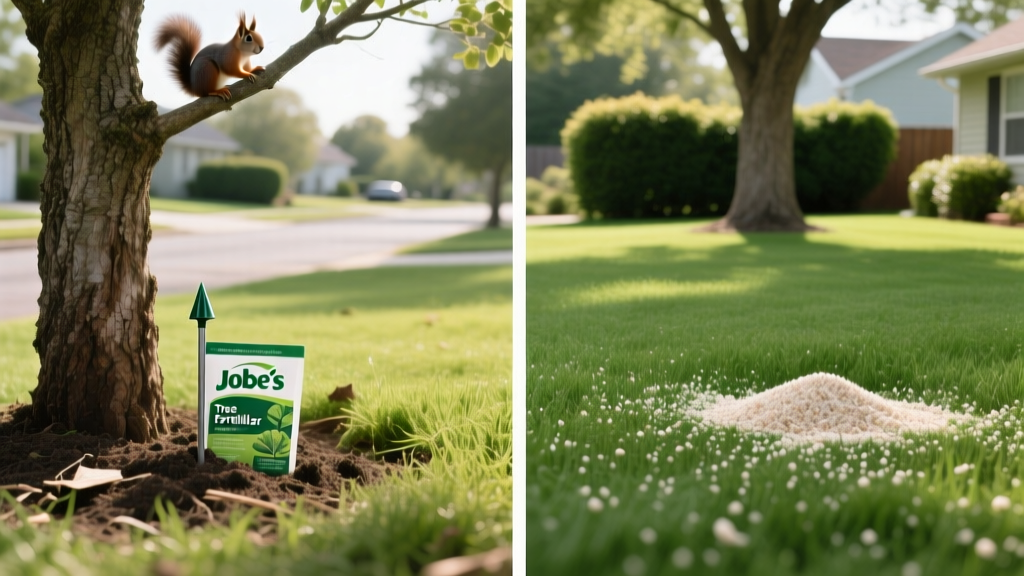
Jobe's Tree Spikes vs Granular Fertilizer: Wildlife Safety 2026
Robert HayesPublished
Introduction to Wildlife-Safe Tree Fertilization in 2026
As homeowners increasingly prioritize ecological landscaping and backyard biodiversity, the way we maintain our trees has come under intense scrutiny. Trees are the foundational pillars of any yard ecosystem, providing canopy cover, nesting sites, and foraging grounds for countless species. However, keeping these trees healthy requires proper nutrition, and the method of fertilizer delivery can have a profound impact on local wildlife. In 2026, the debate between using Jobe's tree fertilizer spikes and traditional granular applications is no longer just about plant health or convenience; it is fundamentally about wildlife and yard animal management.
When you introduce concentrated nutrients into your soil, you are altering the chemical landscape of your yard. Surface-applied granular fertilizers interact directly with ground-foraging birds, scavenging mammals, and domestic pets. Conversely, subsurface delivery methods like Jobe's spikes bypass the surface ecosystem entirely. This comprehensive guide explores the ecological footprint of both methods, helping you make an informed, wildlife-friendly decision for your trees this season.
The Ecological Footprint of Granular Fertilizers
Granular fertilizers, whether synthetic blends or organic options like Milorganite and Espoma Tree-tone, are broadcast across the soil surface. While this method ensures broad coverage of the tree's root zone, it leaves the active ingredients exposed to the local fauna until they are fully watered in and broken down by soil microbes.
Surface Foraging and Avian Risks
Ground-foraging birds, such as robins, towhees, and sparrows, are constantly scanning the soil surface for seeds, insects, and grit. The small, uniform pellets of granular fertilizer can easily be mistaken for food sources. Ingestion of synthetic urea or high-nitrogen compounds can cause severe gastrointestinal distress, renal failure, and neurological issues in small avian species. Even organic granular fertilizers, which often contain bone meal or blood meal, emit strong odors that disrupt natural foraging behaviors and draw wildlife into areas where they may be vulnerable to predators or traffic.
Mammal Attraction and Pet Toxicity
Squirrels, raccoons, and skunks are opportunistic foragers. The salts and minerals present in many granular fertilizers act as an attractant, particularly in early spring when natural mineral licks are scarce. Domestic dogs are at an even higher risk. Bone-meal-based granular fertilizers are notoriously attractive to canines. Ingestion can lead to life-threatening gastrointestinal blockages, pancreatitis, and toxic reactions. According to the National Wildlife Federation, maintaining a safe habitat requires minimizing the presence of toxic or highly attractive synthetic and organic compounds on the soil surface where pets and native mammals roam.
Aquatic and Amphibian Runoff
One of the most significant threats posed by granular fertilizers is surface runoff. Heavy spring rains can wash unabsorbed surface granules into birdbaths, puddles, and nearby storm drains. Amphibians, such as frogs and salamanders, have highly permeable skin that readily absorbs environmental toxins. Nutrient pollution in these micro-habitats can lead to lethal ammonia spikes and algal blooms that deplete oxygen. The Environmental Protection Agency (EPA) continuously highlights nutrient runoff as a primary driver of local waterway degradation, emphasizing that suburban surface applications play a massive role in disrupting aquatic food webs.
Jobe's Tree Fertilizer Spikes: A Subsurface Alternative
Jobe's tree fertilizer spikes offer a radically different approach to arboreal nutrition. These compressed, solid spikes are driven directly into the soil using a mallet or a specialized spike driver, placing the nutrients precisely where they are needed: within the active root zone at the tree's drip line.
How Subsurface Delivery Protects Wildlife
By delivering nutrients 6 to 8 inches below the soil surface, Jobe's spikes effectively remove the fertilizer from the wildlife interaction zone. Ground-foraging birds cannot peck at them, and the compressed nature of the spike prevents the scent from broadcasting across the yard, significantly reducing the attraction for raccoons, squirrels, and deer. For households with curious dogs that like to dig, the spikes are generally placed far enough down and capped with soil, making them inaccessible and uninteresting compared to surface-scattered bone meal.
The 2026 Jobe's Formulation Updates
In 2026, Jobe's has refined its spike formulations to include slower-release nitrogen matrices and enhanced microbial inoculants in their organic lines. This slow-release mechanism not only prevents root burn but also ensures that if a spike is accidentally unearthed by a burrowing animal, the concentrated salt load is lower than it was in older, fast-acting synthetic spikes. Experts at Penn State Extension note that subsurface fertilization mimics natural nutrient cycling, where decomposing organic matter is incorporated into the soil profile by earthworms and microbial action, rather than sitting artificially on the surface.
2026 Head-to-Head Comparison: Spikes vs. Granular
To help you weigh the options for your specific yard ecosystem, we have compiled a comparison chart detailing the wildlife management implications of both methods based on 2026 product standards and pricing.
| Feature | Jobe's Tree Spikes (2026) | Granular Fertilizer (Surface) | Wildlife & Pet Impact Verdict |
|---|---|---|---|
| Ingestion Risk | Very Low | High | Granular mimics seeds and grit; spikes are buried and inaccessible. |
| Scent & Attraction | Minimal (Subsurface) | High (Especially organics) | Bone meal granulars draw digging dogs and scavenging mammals. |
| Runoff Potential | Negligible | Moderate to High | Surface granules wash into amphibian habitats and birdbaths. |
| Application Effort | Moderate (Requires driving) | Low (Broadcast spreader) | Spikes require physical labor but eliminate the need to water-in immediately to protect surface fauna. |
| 2026 Average Cost | $18 - $22 per 15 spikes | $28 - $35 per 36lb bag | Spikes cost more per tree but reduce ecological and veterinary risks. |
Best Practices for Wildlife-Friendly Application in 2026
If you are managing a yard that doubles as a wildlife habitat, how you apply your chosen fertilizer is just as important as the product itself. Follow these actionable steps to ensure maximum tree health and minimum ecological disruption.
- Timing is Everything: Apply fertilizers in late fall after deciduous trees have dropped their leaves and gone dormant, or in early spring before the major bird nesting and foraging seasons begin. This reduces the chance of wildlife interacting with your application process.
- Proper Spike Placement: When using Jobe's spikes, never place them near the trunk. Drive them in a circle around the tree's drip line (the outer edge of the canopy). This is where the feeder roots are located, and it keeps the spikes away from the base where small mammals and rabbits frequently nest and forage.
- Watering In Granulars: If you must use granular fertilizer due to soil compaction issues that prevent spike driving, apply it right before a steady, moderate rainstorm, or water it in deeply immediately after application. This washes the granules off the surface and into the soil profile, removing them from the reach of birds and pets.
- Cap Your Spikes: After driving a Jobe's spike into the ground, ensure the top is flush with or slightly below the soil surface. Cover the hole with a handful of native soil or mulch. This prevents water from pooling in the hole (which can attract mosquitoes) and hides the spike from curious squirrels.
- Avoid Broad-Spectrum Synthetics: Whether using spikes or granular, opt for 2026 formulations that prioritize slow-release nitrogen and include beneficial mycorrhizal fungi. These support the soil food web rather than disrupting it with sudden chemical salt spikes.
Conclusion
Managing tree health in a vibrant, wildlife-friendly yard requires a holistic approach. While granular fertilizers offer a quick and inexpensive way to cover large areas, their presence on the soil surface poses undeniable risks to foraging birds, scavenging mammals, amphibians, and domestic pets. Jobe's tree fertilizer spikes provide a superior, subsurface delivery system that feeds the tree's root zone while keeping the surface ecosystem safe and undisturbed. By choosing subsurface application methods and following mindful timing strategies, you can ensure your trees thrive in 2026 without compromising the health and safety of the animals that call your yard home.
