Pest Control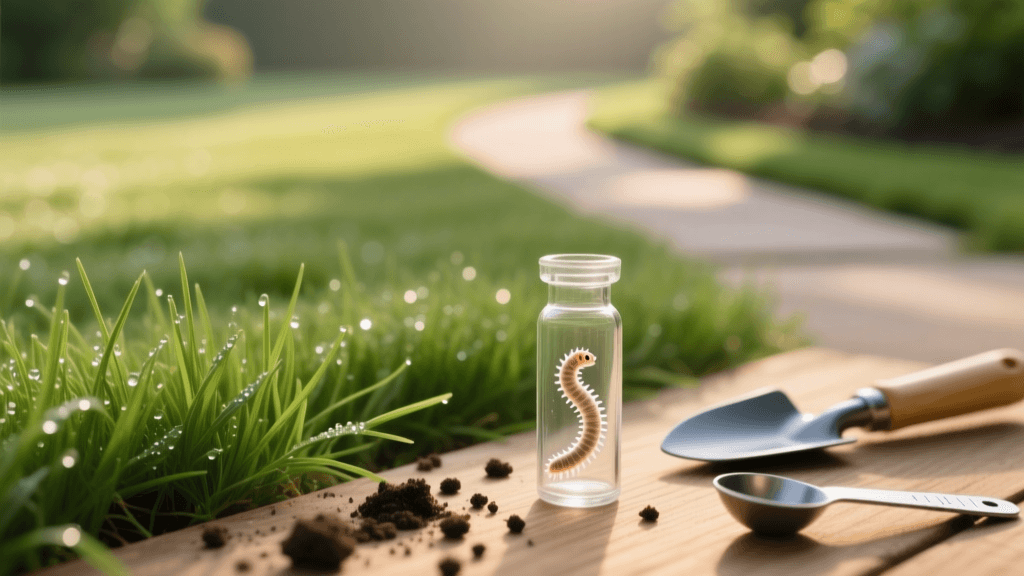
How to Eliminate Lawn Grubs Using Beneficial Nematodes
Why Choose Beneficial Nematodes for Grub Control?
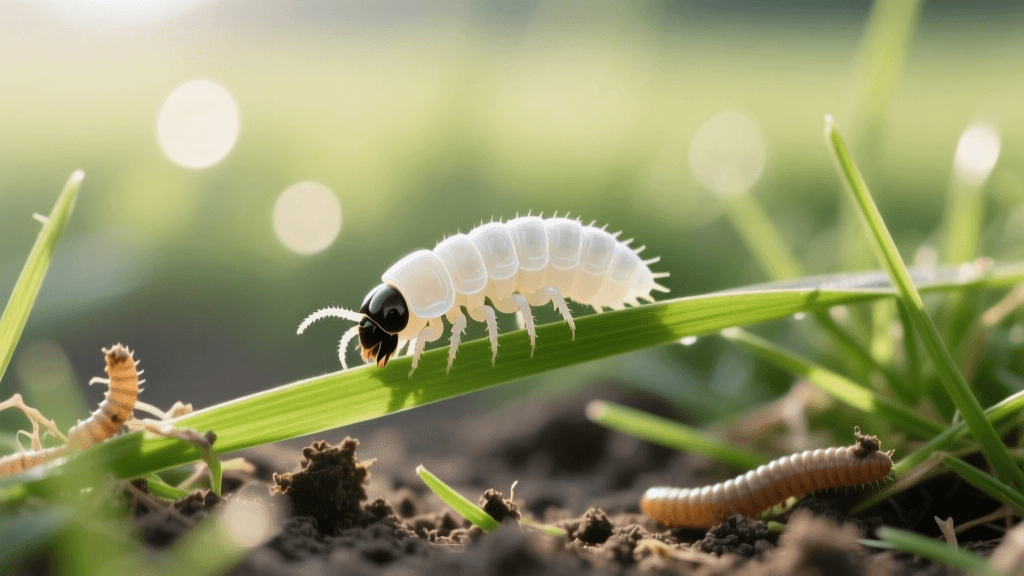
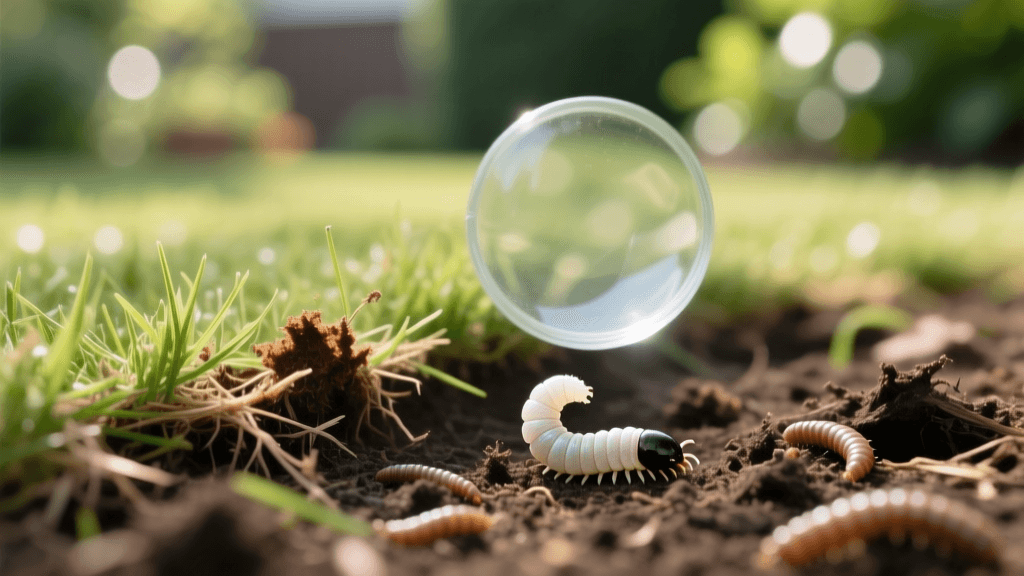
White grubs, the larval stage of scarab beetles such as Japanese beetles, June bugs, and European chafers, are among the most destructive pests in home lawns. They feed voraciously on turfgrass roots, causing large, irregular brown patches that can be rolled back like a carpet. While chemical insecticides like imidacloprid and chlorantraniliprole have traditionally been the go-to solutions, modern Integrated Pest Management (IPM) heavily favors biological controls to protect pollinators, pets, and local watersheds. Enter entomopathogenic nematodes: microscopic, soil-dwelling roundworms that act as lethal parasites to grubs without harming your lawn, your family, or beneficial earthworms.
Using beneficial nematodes is a highly effective, organic approach to grub control. When applied correctly, these microscopic hunters can achieve mortality rates of 80% to 95% in grub populations. However, because they are living organisms, their success relies entirely on proper timing, soil preparation, and application techniques. This comprehensive, step-by-step guide will teach you exactly how to select, mix, and apply beneficial nematodes to reclaim your lawn from grub damage naturally.
Understanding the Biology of Nematodes
Beneficial nematodes are unsegmented, microscopic worms that occur naturally in soils worldwide. The species used for pest control are specifically entomopathogenic, meaning they are pathogenic only to insects. The infective juvenile stage of the nematode actively seeks out grub larvae in the soil. Once a grub is located, the nematode enters the host through natural openings such as the mouth, anus, or spiracles.
Inside the grub, the nematode releases a symbiotic bacterium (either Xenorhabdus or Photorhabdus species). This bacteria multiplies rapidly, causing septicemia and killing the grub within 24 to 48 hours. The nematodes then feed on the developing bacteria and decaying host tissue, reproducing rapidly. Within 10 to 14 days, thousands of new infective juveniles emerge from the dead grub carcass to hunt for new prey. This self-sustaining cycle is what makes nematodes such a powerful tool in long-term organic lawn care.
Selecting the Right Nematode Species
Not all nematodes hunt the same way, and choosing the wrong species will result in poor grub control. The two most common genera used in turfgrass management are Heterorhabditis and Steinernema. For deep-feeding white grubs, you must select a 'cruiser' species rather than an 'ambusher' species.
| Feature | Heterorhabditis bacteriophora (Hb) | Steinernema carpocapsae (Sc) |
|---|---|---|
| Best Target Pests | Japanese Beetle Grubs, June Bugs, European Chafers | Sod Webworms, Cutworms, Fleas, Armyworms |
| Hunting Strategy | Cruiser (actively migrates deep into soil to find prey) | Ambusher (waits near the soil surface for passing hosts) |
| Optimal Soil Temp | 60°F to 85°F (15°C - 29°C) | 55°F to 80°F (12°C - 26°C) |
| Soil Moisture Need | Requires consistent, high soil moisture | Tolerates slightly drier surface conditions |
| Recommended For Grubs? | Yes (Highly Recommended) | No (Ineffective against deep-soil grubs) |
As the table illustrates, Heterorhabditis bacteriophora (often abbreviated as Hb) is the undisputed champion for grub control. Products like BioLogic's Ecomask or Arbico Organics NemaSeek Hb are industry standards for this specific application.
Critical Timing: When to Apply
Timing is the single most important factor in nematode success. Grubs have a distinct life cycle, and nematodes are only effective when the grubs are small, actively feeding, and located in the upper few inches of the soil profile.
The Late Summer / Early Fall Window
The absolute best time to apply nematodes for grub control is between mid-August and late September. During this window, beetle eggs have hatched, and the young grubs are small (first and second instars). Because they are small, they are highly susceptible to nematode infection. Furthermore, they are feeding aggressively near the surface to build fat reserves for winter, making them easy targets for Hb nematodes.
The Spring Window
Applying nematodes in the spring (April to May) is generally not recommended. By spring, grubs have matured into their third instar. Their larger size and thicker exoskeletons make them significantly more resistant to nematode penetration. Additionally, spring grubs are preparing to pupate into adult beetles and feed very little, reducing the chances of a nematode encounter. Save your budget and focus your efforts on the late summer application.
Step-by-Step Application Guide
Because nematodes are living creatures, they are highly sensitive to environmental stressors like UV light, chlorine, and desiccation. Follow this exact protocol to ensure maximum survival and efficacy.
Step 1: Prepare the Lawn
Mow your lawn slightly shorter than usual to allow the nematode solution to reach the soil surface easily. If your lawn has a thick thatch layer (greater than 0.5 inches), you must dethatch or perform core aeration prior to application. Thatch acts as a physical barrier, trapping nematodes on the surface where they will quickly die from UV exposure and drying out.
Step 2: Pre-Water the Soil
Nematodes require a film of water to swim through soil pores. One day before application, water your lawn thoroughly, applying about 1/4 to 1/2 inch of water. The soil should be moist but not waterlogged. If the soil is dry and dusty upon application, the nematodes will immobilize and die within minutes.
Step 3: Mix the Solution Safely
Most consumer nematode products come in a sponge, gel, or granular formulation containing millions of juveniles. Crucial Warning: Municipal tap water contains chlorine or chloramines, which are lethal to nematodes. You must use distilled water, rainwater, or tap water that has been left sitting in an open bucket for at least 24 hours to allow the chlorine to off-gas. Mix the nematodes into a bucket of non-chlorinated water according to the package directions, stirring gently to avoid crushing the organisms.
Step 4: Apply at Dusk or on a Cloudy Day
UV radiation from direct sunlight will kill exposed nematodes in less than 30 minutes. Always apply your nematode solution in the early morning, late evening, or during heavy overcast conditions. Use a hose-end sprayer designed for biologicals (which lacks a fine mesh screen that can crush the worms) or a watering can for smaller lawns. Agitate the sprayer tank frequently to keep the nematodes suspended in the water column.
Step 5: Water-In Immediately
Once the solution is sprayed over the lawn, you must immediately water the area with a sprinkler for 15 to 20 minutes. This 'watering-in' process washes the nematodes off the grass blades and pushes them down into the thatch and upper soil profile, protecting them from the sun and placing them directly in the grub's feeding zone.
Cost Breakdown and Product Recommendations
Transitioning to organic pest control requires an understanding of the economic investment. While chemical preventatives are cheaper upfront, they carry hidden ecological costs. Here is a practical cost comparison for treating a standard 5,000-square-foot lawn.
- Chemical Preventative (Imidacloprid): Costs approximately $15 to $25 per 5,000 sq ft. Requires a single application in early summer. Highly toxic to aquatic invertebrates and can harm pollinators if applied to flowering weeds.
- Chemical Curative (Trichlorfon): Costs approximately $20 to $30 per 5,000 sq ft. Used for active fall infestations. Fast-acting but has a short residual lifespan and high environmental toxicity.
- Beneficial Nematodes (Hb Species): Costs approximately $45 to $75 per 5,000 sq ft (requiring roughly 25 million to 50 million nematodes for moderate to heavy infestations). Zero toxicity to humans, pets, or pollinators. Provides long-term soil inoculation.
While nematodes represent a higher initial material cost, they actively breed in the soil, potentially providing multi-year suppression of grub populations without the need for annual chemical applications.
Expert Insights and Common Mistakes
Even experienced gardeners can fail with nematodes if they ignore the biological requirements of the organism. According to the Cornell University College of Agriculture and Life Sciences (CALS) Turfgrass IPM guidelines, environmental conditions dictate the success of biological controls.
'Entomopathogenic nematodes require a continuous film of water to move through soil pores and locate their hosts. Applications made to dry soil, or those subjected to high UV radiation and rapid desiccation, will result in near-total mortality of the infective juveniles before they can penetrate the thatch layer and reach the grub host.' - Cornell University CALS, Integrated Pest Management for Turfgrass
To avoid the most common mistakes, remember the 'Nematode Trinity': Moisture, Darkness, and Temperature. Never let the sprayer tank sit in the hot sun while you work. Never apply to bone-dry soil. Never use chlorinated water straight from the hose. By respecting the biological needs of Heterorhabditis bacteriophora, you can effectively eradicate white grubs and restore your lawn to a lush, healthy state using the power of natural, integrated pest management.