
Landscaping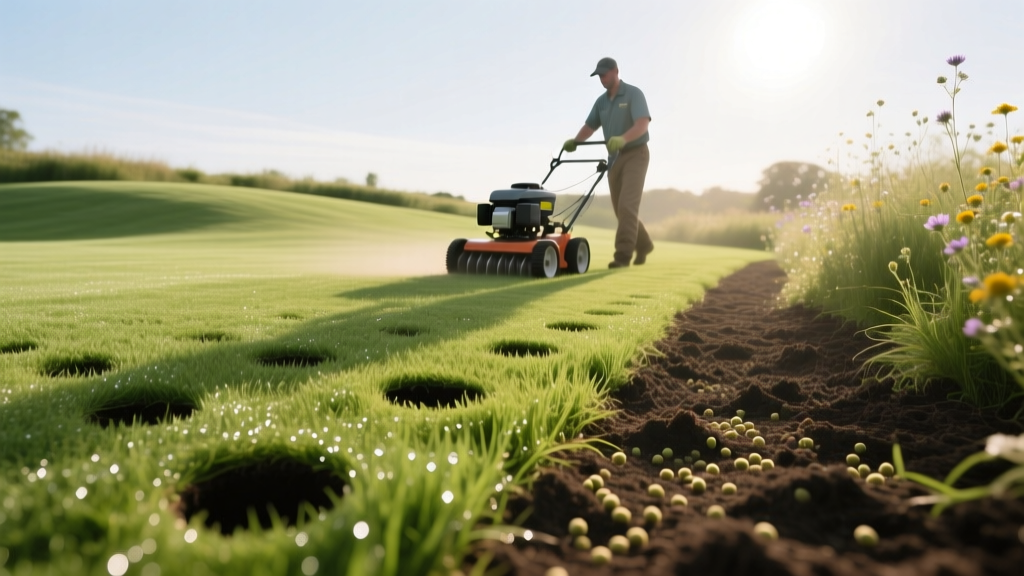
Landscape Renovation: Core Aeration and Overseeding Techniques
Emily WatsonPublished
Integrating Turf Restoration into Landscape Design
Landscape design encompasses far more than the strategic placement of hardscaping, garden beds, retaining walls, and outdoor living spaces. The turfgrass itself serves as the foundational canvas that ties all landscape elements together, providing visual relief, reducing ambient heat, and preventing soil erosion. However, even the most meticulously planned landscape architecture will lose its curb appeal if the lawn is thin, weedy, and struggling to survive. Integrating core aeration and overseeding techniques into your annual landscape maintenance schedule is essential for restoring tired turf, improving soil ecology, and ensuring your outdoor spaces remain vibrant and functional.
The Hidden Enemy: Soil Compaction in Landscaped Yards
Soil compaction is the silent destroyer of landscape aesthetics and turf health. During the initial phases of landscape construction, heavy equipment such as skid steers, tractors, and excavators compress the soil profile. Even after construction, routine foot traffic, children playing, and the use of heavy commercial mowers contribute to increased soil bulk density. When soil becomes compacted, the vital pore spaces that allow for oxygen, water, and nutrient movement are crushed. Roots become shallow, drought tolerance plummets, and the lawn becomes highly susceptible to disease and weed invasion. Addressing this subterranean issue is the first step in any successful landscape renovation.
Core Aeration Techniques: Breaking the Barrier
Core aeration involves the mechanical removal of small soil plugs, typically 0.5 to 0.75 inches in diameter and 2 to 3 inches deep, from the lawn. This process physically fractures the compacted soil layer, creating channels for air, water, and fertilizer to reach the root zone. For residential landscapes, walk-behind aerators (such as the Ryan Ren-O-Thin or Exmark stand-on models) are preferred over tow-behind tractor attachments because they offer superior maneuverability around delicate garden beds, stone pathways, and irrigation heads.
According to the University of Minnesota Extension's lawncare guidelines, core aeration is vastly superior to simple spiking or slicing. Spiking merely compresses the surrounding soil further, exacerbating the compaction issue. For heavily compacted clay soils commonly found in new landscape developments, making two perpendicular passes with the aerator is highly recommended to ensure adequate hole density, aiming for 15 to 20 holes per square foot.
Overseeding Strategies for Maximum Germination
Overseeding is the process of introducing new, vigorous grass cultivars into an existing lawn to improve density, color, and disease resistance. Modern turf-type tall fescues (TTTF) and rhizomatous tall fescues (RTF) are exceptional choices for sustainable landscapes due to their deep root systems and drought tolerance. The Penn State Center for Turfgrass Science emphasizes that seed-to-soil contact is the single most critical factor in overseeding success. Broadcast seeding over an aerated lawn yields moderate results, but pairing aeration with slit-seeding or utilizing a drag mat to work seed into the aeration holes dramatically increases germination rates.
Data Table: Seed Selection and Application Rates
| Grass Species | Overseeding Rate (per 1,000 sq ft) | Germination Time | Best Landscape Application |
|---|---|---|---|
| Turf-Type Tall Fescue (TTTF) | 5.0 - 6.0 lbs | 7 - 14 days | High traffic areas, transition zones, full sun |
| Kentucky Bluegrass (KBG) | 1.0 - 2.0 lbs | 14 - 21 days | Northern landscapes, rhizomatous spread for repair |
| Perennial Ryegrass | 4.0 - 5.0 lbs | 5 - 10 days | Rapid erosion control, winter color in warm-season turf |
| Fine Fescue Blend | 3.0 - 4.0 lbs | 10 - 14 days | Shaded garden beds, low-maintenance naturalized areas |
Enhancing Results with Compost Topdressing
To elevate your landscape renovation from a basic lawn care task to a comprehensive soil restoration project, incorporate compost topdressing immediately after aeration and seeding. Applying a 1/4-inch layer of screened, high-quality organic compost (roughly 1 cubic yard per 1,000 square feet) provides a sterile, nutrient-rich germination bed for the new seed. The compost holds moisture, protects the seed from birds and wind, and introduces beneficial microbes that help break down thatch and improve long-term soil structure. Dragging the compost across the lawn with a piece of chain-link fence or a specialized leveling drag ensures the material settles deeply into the aeration cores.
Sustainable Landscaping and Water Conservation
A core tenet of modern landscape design is sustainability, which includes minimizing water usage and reducing chemical runoff. Compacted soils shed water, leading to wasteful runoff that carries fertilizers and pollutants into local watersheds. By alleviating compaction and establishing deep-rooted turf through overseeding, you drastically improve the soil's water infiltration capacity. The EPA WaterSense landscaping guidelines highlight that improving soil health and utilizing drought-tolerant turfgrass cultivars are primary strategies for reducing outdoor water consumption. A healthy, aerated lawn acts as a natural sponge, capturing rainfall and reducing the reliance on automated irrigation systems during peak summer months.
Cost Analysis and Landscape ROI
Investing in aeration and overseeding yields a high return on investment by preventing the need for complete lawn renovations, which can cost thousands of dollars in sod and labor. Below is a comparative cost analysis for a standard 5,000 square foot landscape turf area.
Data Table: Aeration and Overseeding Cost Breakdown (5,000 sq ft)
| Service / Material | DIY Cost Estimate | Professional Contractor Cost |
|---|---|---|
| Core Aeration (Machine Rental vs. Labor) | $85 - $120 (Daily Rental) | $150 - $225 |
| Premium Seed (TTTF Blend) | $75 - $100 (25 lbs) | Included in Service |
| Compost Topdressing (Material & Delivery) | $150 - $250 (5 cubic yards) | $400 - $600 |
| Starter Fertilizer & Soil Amendments | $40 - $60 | $75 - $100 |
| Total Estimated Project Cost | $350 - $530 | $625 - $925 |
Step-by-Step Execution Plan
For optimal results, timing is everything. Cool-season grasses should be aerated and overseeded in late summer to early fall (late August through early October), when soil temperatures are warm enough for rapid germination but air temperatures are cooling, reducing weed competition. Warm-season grasses are best treated in late spring to early summer.
- Step 1: Mow Low and Rake. Lower your mower deck to 1.5 inches and bag the clippings. This exposes the soil surface and prevents thatch from blocking the aeration tines.
- Step 2: Mark Utilities and Irrigation. Always call 811 to mark underground utilities. Use brightly colored landscape flags to mark all shallow irrigation heads, valve boxes, and low-voltage lighting wires to prevent catastrophic damage from the aerator tines.
- Step 3: Core Aerate. Make one pass in a single direction, and a second pass perpendicular to the first. Leave the extracted soil plugs on the lawn; they will break down naturally and redistribute beneficial microbes over the next few weeks.
- Step 4: Apply Amendments and Seed. Broadcast a high-phosphorus starter fertilizer, followed by your selected grass seed at the appropriate rate. If topdressing, apply the screened compost now and drag it into the cores.
- Step 5: Strategic Irrigation. Water the lawn lightly 2 to 3 times daily for the first 14 to 21 days to keep the top inch of soil consistently moist. Once the new grass reaches 2 inches, transition to deeper, less frequent watering to encourage root depth.
- Step 6: Delay Herbicides. Avoid applying broadleaf weed control or pre-emergent crabgrass preventers for at least 60 days after overseeding, as these chemicals will inhibit the germination of your new turf.
Conclusion
A thriving lawn is the hallmark of a well-executed landscape design. By understanding the mechanics of soil compaction and utilizing professional-grade core aeration and overseeding techniques, homeowners and landscape contractors can transform thin, exhausted turf into a dense, resilient, and sustainable green space. Combining these mechanical processes with organic compost topdressing and drought-tolerant seed varieties not only elevates the immediate curb appeal of the property but also aligns with long-term environmental stewardship, ensuring your landscape remains beautiful and ecologically sound for years to come.

