Pest Control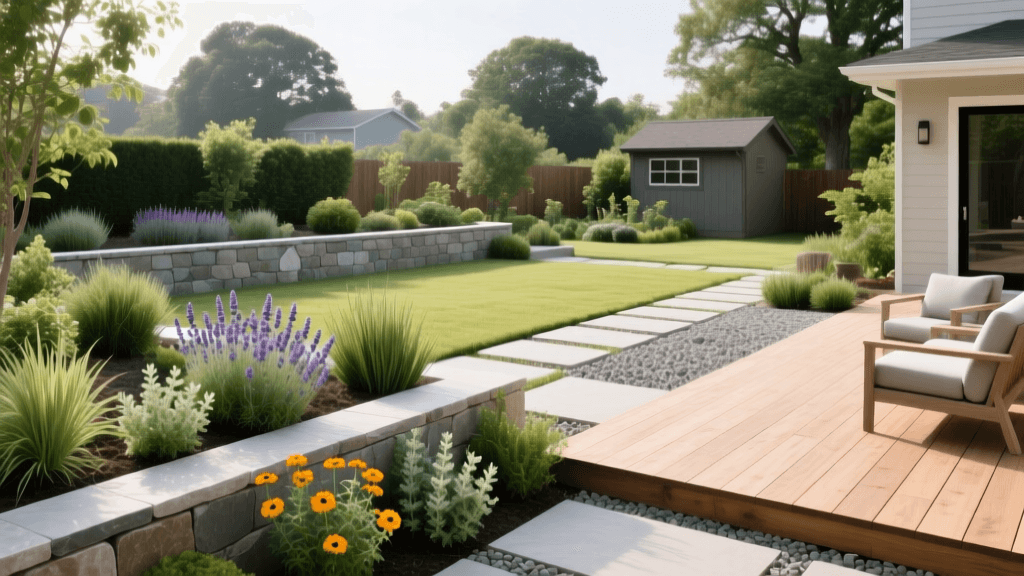
Landscape Design Strategies for Tick and Mosquito Control
The Philosophy of Defensive Landscaping
When most homeowners think of pest control, they immediately picture chemical sprays, granular treatments, and reactive extermination. However, the most effective and sustainable approach to managing outdoor pests begins long before a single drop of pesticide is applied. It starts with the drawing board. Defensive landscaping is a core tenet of Integrated Pest Management (IPM) that focuses on altering the physical environment to make your yard inherently hostile to pests like ticks and mosquitoes, while remaining inviting for humans and beneficial pollinators.
By strategically planning your hardscaping, managing water flow, and selecting the right plant palettes, you can drastically reduce the carrying capacity of your landscape for disease-carrying insects. According to the Centers for Disease Control and Prevention (CDC), environmental management and landscape modification are the first and most crucial lines of defense against tick-borne illnesses such as Lyme disease, as well as mosquito-borne pathogens like West Nile Virus. This guide will walk you through the actionable design strategies, material costs, and spatial planning required to build a naturally pest-resistant outdoor living space.
Creating the 3-Foot Perimeter Barrier
Ticks are notoriously poor travelers. They do not fly or jump; instead, they rely on a behavior called 'questing,' where they wait on the tips of tall grasses or shrubs to latch onto passing hosts. They thrive in the damp, shaded transition zones where your manicured lawn meets the untamed woods or overgrown property lines. To combat this, landscape designers utilize the 3-Foot Perimeter Rule.
Material Selection and Installation
The goal of the perimeter barrier is to create a dry, sun-baked strip of land that ticks cannot survive crossing. You have two primary material choices for this design element:
- Wood Chips or Bark Mulch: Cedar mulch is highly recommended due to its natural oils, which possess mild insect-repelling properties. A 3-inch deep layer of cedar mulch costs approximately $4.50 to $6.00 per 2-cubic-foot bag. While effective at retaining soil moisture for plants, mulch can occasionally harbor moisture if placed in deep shade.
- Crushed Stone or Pea Gravel: For maximum efficacy, use 3/8-inch crushed stone or pea gravel. Gravel does not retain moisture, creating an arid microclimate that is lethal to ticks. The cost ranges from $50 to $80 per ton, making it a more expensive upfront investment but a virtually maintenance-free long-term solution.
Design Action: Measure the perimeter of your property where the lawn meets wooded areas, stone walls, or dense brush. Trench a shallow 2-inch border, lay down a permeable geotextile landscape fabric to prevent weed growth, and top it with your chosen 3-foot wide barrier material. This physical boundary reduces tick migration into recreational lawn areas by up to 70%.
Hardscaping for Sun Exposure and Airflow
Mosquitoes are weak fliers and highly sensitive to wind and direct sunlight. They breed in stagnant water and rest in dense, humid shrubbery during the heat of the day. Your hardscape design—patios, decks, and walkways—should be planned to maximize solar exposure and cross-breezes.
Strategic Patio Placement
When planning a new patio or outdoor kitchen, avoid placing these high-traffic areas directly beneath the dense canopies of mature trees or adjacent to thick privacy hedges. Instead, position hardscapes in open, south-facing or west-facing areas of the yard where afternoon sun can naturally dry out any morning dew or light rainfall. If shade is a necessity, opt for structural solutions like a louvered pergola or large cantilever umbrellas rather than relying on dense, moisture-trapping tree canopies. These structures allow for airflow and can be fitted with outdoor ceiling fans, which disrupt mosquito flight patterns and disperse the carbon dioxide plumes that attract them to human hosts.
Water Management and Drainage Solutions
Standing water is the primary catalyst for mosquito breeding. A female mosquito can lay up to 300 eggs in a single bottle cap filled with water. Therefore, grading and drainage must be central to your landscape plan.
Correcting Negative Grading
During the site analysis phase of your design, identify any low spots where water pools for more than 24 hours after a rainstorm. Correct these issues by regrading the soil to ensure a minimum 2% slope away from your home and toward designated drainage areas. For severe drainage issues, plan for the installation of a French drain system. Expect to pay between $20 and $30 per linear foot for professional French drain installation, which utilizes perforated PVC pipe surrounded by washed gravel to whisk water away from the root zones of your plants and eliminate surface pooling.
Biological Controls for Water Features
If your landscape design includes a pond, birdbath, or rain garden, you must plan for biological pest control. Incorporate Bacillus thuringiensis israelensis (Bti) into your maintenance schedule. Products like Summit Mosquito Dunks (costing roughly $12 for a pack of six) release this naturally occurring soil bacterium into the water, targeting mosquito and black fly larvae without harming fish, birds, or beneficial insects. Plan to replace these dunks every 30 days during the growing season.
Strategic Plant Selection: Deterrents vs. High-Risk Flora
The plants you choose dictate the humidity levels and structural hiding spots available to pests. Dense, creeping groundcovers act as a haven for ticks, while highly fragrant, oil-rich herbs can act as mild deterrents for mosquitoes. Below is a comparison chart to guide your planting plan.
| Plant Category | High-Risk (Avoid) | Low-Risk / Deterrent (Include) | Design Action |
|---|---|---|---|
| Groundcovers | English Ivy, Pachysandra, Vinca Minor | Creeping Thyme, Sedum, Liriope | Remove thick ivy mats near pathways; use low-growing, sun-loving succulents instead. |
| Shrubs & Hedges | Dense Yew, Overgrown Boxwood, Barberry | Spirea, Hydrangea, Rosemary | Prune shrubs to allow 12 inches of airflow between the soil and the lowest branches. |
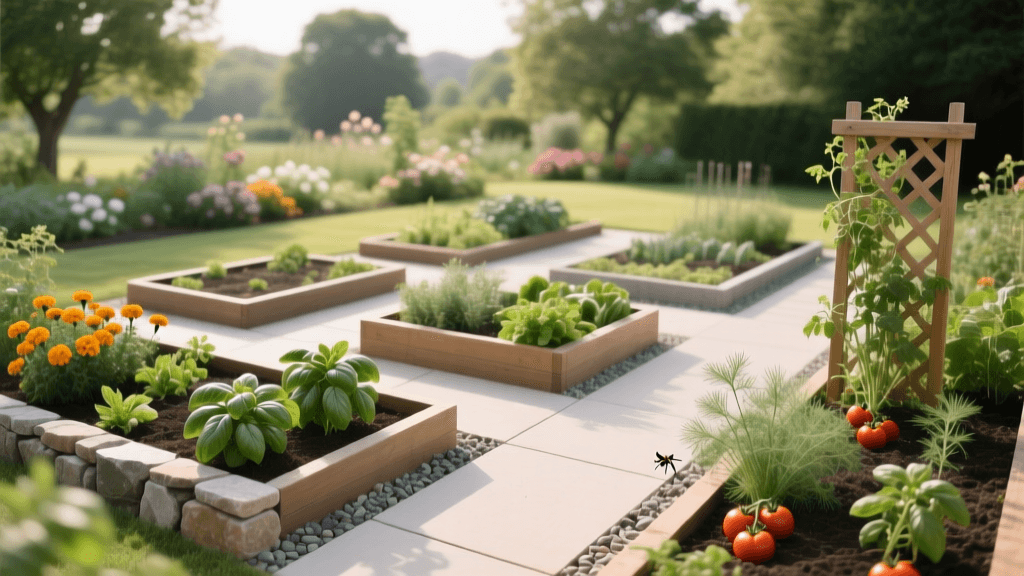
| Aromatic Herbs | N/A | Lavender, Lemongrass, Mint, Marigolds | Plant in high-traffic patio borders. Crush leaves occasionally to release essential oils. |
| Lawn Turf | Tall Fescue left uncut, Weedy Clover | Kentucky Bluegrass, Bermudagrass | Maintain a strict 3-inch mowing height to expose soil to UV light and dry out tick habitats. |
The Importance of Canopy Thinning
While trees are vital for a beautiful landscape, overhanging branches that touch the ground or intertwine to block all sunlight create perfect tick sanctuaries. Plan for an annual arborist visit to perform 'crown thinning' and 'limbing up.' Limbing up involves removing the lower branches of trees to a height of at least 6 to 8 feet, allowing sunlight to penetrate the soil below, thereby drying out the leaf litter where ticks lay their eggs.
Integrating Biological Controls into the Design
A well-planned landscape also makes room for the natural predators of pests. While bats and birds consume thousands of mosquitoes nightly, they require specific habitat features to thrive in your yard. Incorporate a bat house into your garden design, mounting it on a 15-foot pole in a south-facing location that receives at least 6 to 8 hours of direct sunlight. A single little brown bat can eat up to 1,000 mosquito-sized insects in a single hour.
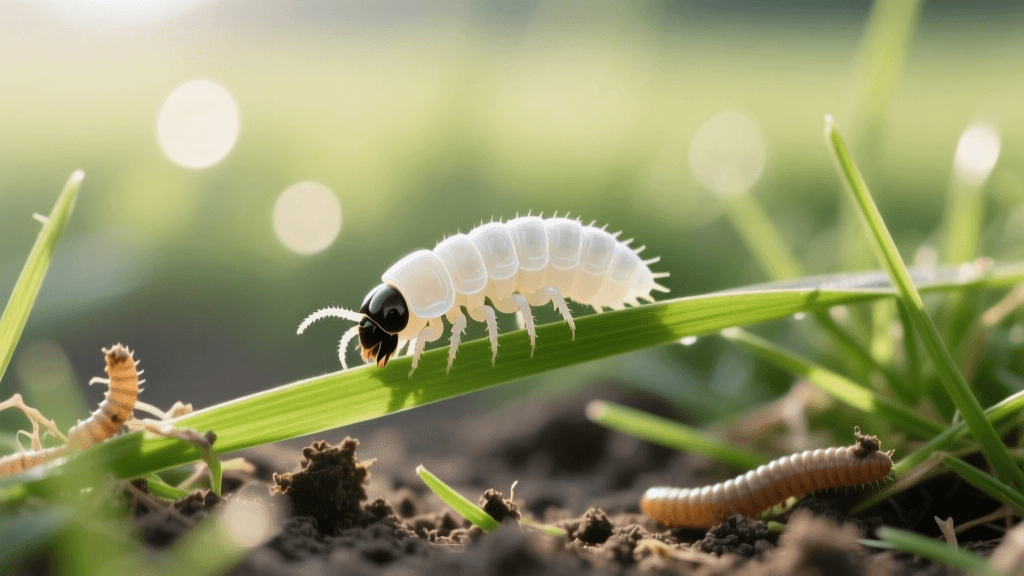
Additionally, plan for the application of beneficial nematodes (specifically Steinernema feltiae) in your lawn and garden beds during the early spring and late fall. These microscopic worms naturally occur in healthy soil and actively hunt the larvae of pests like grubs, fleas, and ticks. They are applied via a hose-end sprayer and require the soil to be kept moist for the first two weeks post-application, making them a perfect integration into your spring irrigation planning.
Expert Guidelines and Citations
The strategies outlined above are heavily supported by leading entomological and public health organizations. The Centers for Disease Control and Prevention (CDC) explicitly advises homeowners to 'create a tick-safe zone' by using wood chips or gravel to separate lawns from wooded areas and by keeping playground equipment in sunny, dry areas away from yard edges.
Furthermore, Cornell University’s Integrated Pest Management program emphasizes that landscape modification is the most sustainable long-term solution for tick control, noting that maintaining a dry, sunny lawn edge and removing leaf litter are far more effective over time than relying solely on broadcast acaricide treatments. By aligning your landscape architecture with these university-backed guidelines, you ensure a safer, more enjoyable outdoor environment.
Conclusion
Designing a pest-resistant landscape is an investment in the health and usability of your outdoor space. By implementing the 3-foot perimeter barrier, optimizing your hardscaping for sun and wind, managing drainage, and selecting low-risk plant palettes, you fundamentally alter the ecology of your yard. You shift the balance away from disease-carrying pests and toward a vibrant, breathable, and safe outdoor sanctuary. Start your defensive design planning today, and enjoy a naturally protected lawn for seasons to come.