Landscaping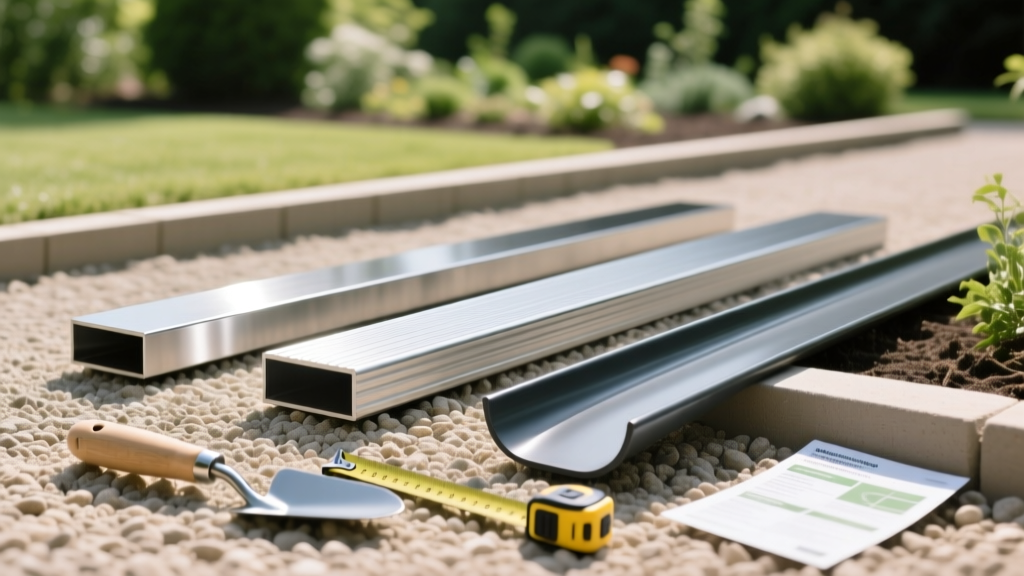
Best Landscape Edging: Steel vs Aluminum vs Plastic Compared
David ParkPublished
The Ultimate Guide to Landscape Edging Materials
When designing outdoor living spaces, planning garden beds, or executing complex hardscaping projects, the transition zones between different landscape elements are just as important as the elements themselves. Landscape edging serves as the vital border that separates turfgrass from mulch, defines patio perimeters, and keeps decorative gravel contained. Choosing the right edging material is a critical decision that impacts your landscape design principles, long-term maintenance requirements, and overall curb appeal. In this comprehensive product review and comparison, we will evaluate the three most popular landscape edging materials on the market: plastic, aluminum, and steel. We will break down their costs, durability, installation requirements, and best use cases to help you make an informed decision for your next landscaping project.
Why Proper Edging Matters for Landscape Design
Before diving into specific product comparisons, it is essential to understand the functional role of landscape edging. A properly installed edge serves three primary purposes. First, it acts as a physical barrier that prevents aggressive turfgrasses and weeds from invading ornamental garden beds. Second, it retains mulch, soil, and gravel, preventing these materials from washing onto the lawn during heavy rainfall or migrating outward due to foot traffic. Third, it provides a clean, architectural line that elevates the visual appeal of your property, signaling a well-maintained and thoughtfully designed landscape. Without a robust edge, even the most expensive hardscaping and meticulously planned garden beds will quickly look overgrown and unkempt.
Plastic Landscape Edging: The Budget-Friendly Choice
Plastic edging, often constructed from recycled high-density polyethylene (HDPE) or PVC, remains the most common choice for DIY landscapers and budget-conscious homeowners. Products like Vigoro and Dimex dominate the big-box store shelves, typically sold in 20-foot to 60-foot coils. The primary advantage of plastic edging is its low cost, averaging between $1.00 and $2.50 per linear foot, including basic plastic stakes. It is highly flexible, allowing homeowners to easily create tight circles around tree rings or winding, organic pathways through garden beds.
However, plastic has significant drawbacks that must be considered. It is highly susceptible to UV degradation, becoming brittle and cracking after three to five years of direct sunlight exposure. Furthermore, the lightweight plastic stakes provided in most kits often fail to hold the edge securely in regions with heavy frost heave or clay-heavy soils. To maximize the lifespan of plastic edging, it must be buried so that only a half-inch lip is visible above the mulch line, shielding the bulk of the material from UV rays while still preventing mulch from spilling onto the lawn.
Aluminum Landscape Edging: The Flexible Contender
Aluminum landscape edging represents the middle ground between the affordability of plastic and the brute strength of steel. Weighing roughly a third of steel, aluminum is remarkably easy to transport, cut, and bend on-site. It will not rust, making it an ideal choice for coastal landscapes, humid climates, or garden beds that receive heavy, automated irrigation. Brands like PermaLoc and Col-Met offer aluminum edging in various depths, with 4-inch and 6-inch profiles being the most popular for residential hardscaping.
Cost-wise, aluminum edging ranges from $3.50 to $6.00 per linear foot. While more expensive than plastic, it offers a significantly longer lifespan, often lasting 15 to 20 years without degrading. Aluminum can be cut easily with standard hacksaws or aviation snips, and it bends smoothly to create sweeping, elegant curves that complement modern landscape design principles. The main limitation of aluminum is its softness; it can dent or kink if struck forcefully by a commercial string trimmer or a heavy wheelbarrow. Therefore, it is best utilized in low-traffic garden beds or as a separator between mulch and decorative gravel, rather than as a heavy-duty retaining barrier.
Steel Landscape Edging: The Professional Standard
For high-end curb appeal, commercial properties, and homeowners seeking a permanent hardscaping solution, steel landscape edging is the undisputed professional standard. Available in both galvanized steel and weathering steel (often known by the trademarked name Corten), this material offers unparalleled durability. Galvanized steel resists corrosion through a protective zinc coating, while Corten steel is designed to develop a stable, rust-like appearance when exposed to the weather, creating a stunning, earthy aesthetic that blends beautifully with natural garden bed plantings.
Steel edging typically costs between $6.00 and $12.00 per linear foot, factoring in the heavier material and the specialized steel stakes required for installation. Because steel is rigid, it excels at creating crisp, perfectly straight lines that define modern outdoor living spaces and geometric patio layouts. While it can be bent to form large, sweeping curves, it requires specialized bending tools or significant manual leverage. Cutting steel edging necessitates an angle grinder with a metal cutoff wheel or a reciprocating saw with a bimetallic blade. Despite the higher upfront cost and more labor-intensive installation, steel edging is a lifetime investment that will easily outlast the surrounding hardscape and plants, surviving frost heave, heavy foot traffic, and aggressive string trimming without flinching.
Head-to-Head Comparison Chart
| Feature | Plastic (HDPE/PVC) | Aluminum | Steel (Galvanized/Corten) |
|---|---|---|---|
| Cost per Linear Foot | $1.00 - $2.50 | $3.50 - $6.00 | $6.00 - $12.00 |
| Expected Lifespan | 3 - 7 Years | 15 - 20 Years | 30+ Years (Lifetime) |
| Flexibility | High (Tight Curves) | Medium (Sweeping Curves) | Low (Straight Lines/Large Arcs) |
| Installation Difficulty | Easy | Moderate | Difficult (Requires Power Tools) |
| Corrosion Resistance | Immune (but UV degrades) | Excellent (Rust-Proof) | Good (Galvanized) / Intentional (Corten) |
| Best Application | DIY Tree Rings, Temp Beds | Curved Garden Beds, Gravel | Modern Hardscapes, Commercial |
Step-by-Step Installation Guide and Best Practices
Proper installation is critical regardless of the material chosen. A poorly installed premium steel edge will fail just as quickly as a cheap plastic one. Begin by marking your desired edge line using a garden hose or specialized landscaping spray paint. Next, dig a trenching channel using a flat trenching spade. For standard 4-inch edging, dig a trench 3 inches deep and 2 inches wide; for 6-inch edging, dig 4.5 inches deep. This ensures the top of the edging sits roughly 1 inch below the top of the turfgrass canopy, allowing mower blades to pass over freely without striking the hardscape barrier.
Place the edging into the trench, ensuring sections overlap by at least 6 inches at the joints to prevent gaps where weeds can penetrate. Drive the provided stakes into the ground at a 45-degree angle, angling them away from the garden bed to leverage the soil weight against the tension of the edging. For steel and aluminum, place stakes every 4 feet; for plastic, place them every 2 feet to prevent bowing under the weight of heavy mulch. Finally, backfill the trench with native soil, tamping it down firmly with a hand tamper to eliminate air pockets and secure the barrier. For added stability in high-traffic areas, consider backfilling the lawn side with a thin layer of crushed gravel before adding the topsoil.
Expert Insights and Sustainable Landscaping Practices
Beyond aesthetics, edging plays a vital role in sustainable landscaping practices and soil health management. According to the Clemson University Cooperative Extension, installing a physical, below-ground barrier edge is one of the most effective methods to prevent aggressive turfgrasses, such as Bermuda and Zoysia, from invading ornamental garden beds. By stopping rhizomatous grasses at the border, homeowners drastically reduce the need for post-emergent chemical herbicides and manual weeding, fostering a more eco-friendly landscape.
Furthermore, a secure edge retains organic mulch within the garden bed. Mulch is essential for regulating soil temperature, retaining moisture, and suppressing weeds. Without a sturdy steel or aluminum barrier, heavy rains and wind easily wash mulch onto the lawn, leading to wasted resources and nutrient runoff into local waterways. Investing in durable edging ensures that your mulch stays exactly where it belongs, protecting the soil ecosystem and reducing the annual cost of replacing displaced ground cover.
Final Verdict: Which Edging is Right for You?
Choosing the right landscape edging ultimately depends on your budget, design vision, and willingness to perform maintenance. Plastic edging serves its purpose for temporary setups and low-budget DIY projects, but it will inevitably require replacement and ongoing upkeep. Aluminum offers a fantastic balance of flexibility, rust resistance, and longevity, making it the premier choice for organic, curved garden beds and gravel pathways. However, for those seeking a permanent, architectural finish that elevates curb appeal and withstands the test of time, steel edging is the ultimate investment. By carefully evaluating your landscape design principles and selecting the appropriate material, you can create crisp, defined borders that enhance the beauty and functionality of your outdoor living spaces for decades to come.
