Landscaping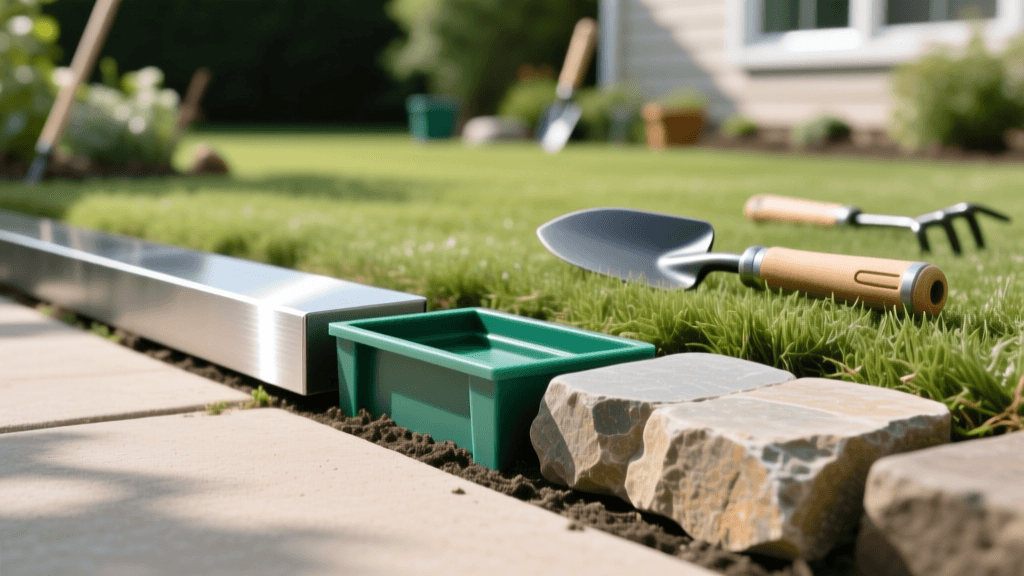
Best Landscape Edging: Metal vs Plastic vs Stone Reviews
The Critical Role of Landscape Edging in Garden Design
When planning a new garden bed or upgrading your existing hardscaping, the boundary between your turfgrass and your mulch or soil is one of the most important aesthetic and functional elements in your yard. Landscape edging serves as a physical barrier that prevents aggressive lawn grasses, such as Bermuda or Kentucky Bluegrass, from invading your carefully planned flower beds. Furthermore, it retains mulch, gravel, and soil during heavy rains, protecting your lawn from debris and reducing the time you spend maintaining your property. But with dozens of products on the market, which material actually delivers the best long-term results? In this comprehensive product review and comparison, we evaluate the three primary categories of landscape edging: metal, plastic, and stone. We will break down specific product lines, installation costs, durability, and expert recommendations to help you make an informed decision for your outdoor living space.
Metal Landscape Edging: The Professional Standard
Metal edging, typically manufactured from galvanized steel, Corten steel, or aluminum, is the preferred choice of professional landscape architects. It provides a nearly invisible barrier when installed correctly, allowing the beauty of your garden beds to take center stage while offering superior resistance to grass rhizomes.
Product Review: Col-Met Corten Steel Edging
Col-Met is a legacy brand in commercial landscaping. Their Corten steel edging is highly regarded for its exceptional durability and unique aesthetic. Corten steel is designed to develop a protective layer of rust over time, which prevents further corrosion and blends beautifully into naturalistic or rustic garden designs. Available in 4-inch and 6-inch depths, the 6-inch variant is highly recommended for lawns with deep-rooted, aggressive grasses.
- Cost: $5.00 to $8.00 per linear foot.
- Lifespan: 40 to 100+ years.
- Pros: Extremely durable, stops all grass rhizomes, creates perfectly smooth curves, invisible top edge.
- Cons: Requires heavy-duty snips or a grinder to cut, sharp edges can be hazardous during installation, higher upfront cost.
Product Review: Dimex EasyFlex Aluminum
For DIYers who want the clean lines of metal without the heavy lifting and cutting requirements of steel, Dimex EasyFlex Aluminum is a top-tier alternative. It is lightweight, rust-proof, and can be easily cut with standard tin snips. However, aluminum is softer than steel and can dent if struck by a heavy string trimmer or lawn mower deck.
Plastic and Poly Edging: The Budget-Friendly Contender
Plastic or polyethylene edging is the most common product found in big-box home improvement stores. It is marketed as an affordable, easy-to-install solution for amateur gardeners. While it has improved in quality over the last decade, it still suffers from structural vulnerabilities related to weather and UV exposure.
Product Review: ProFlex No-Dig Landscape Edging
ProFlex offers a no-dig poly edging system that utilizes heavy-duty spikes driven directly into the soil. This eliminates the need for trenching, saving hours of back-breaking labor. The material is flexible enough to create tight radii around tree rings and curved garden beds. However, because it relies on surface spikes rather than a deep subterranean trench, aggressive grasses can eventually grow underneath the barrier.
- Cost: $1.50 to $3.00 per linear foot.
- Lifespan: 5 to 10 years.
- Pros: Very affordable, extremely easy to install, flexible for tight curves, lightweight.
- Cons: Prone to frost heave in freezing climates, UV degradation makes it brittle over time, visible plastic lip detracts from high-end aesthetics.
Product Review: Dimex EasyFlex Poly
Dimex also manufactures a traditional trench-in poly edging. This product features a reinforced top edge that resists cracking when hit by weed whackers. While it is a massive step up from the flimsy, unbranded plastic rolls sold at discount stores, it still requires annual maintenance to push down sections that have heaved upward during winter freeze-thaw cycles.
Stone and Masonry Edging: The Premium Aesthetic
For homeowners looking to elevate their curb appeal and integrate their garden beds with existing hardscaping, stone and masonry edging is the ultimate choice. This category includes concrete pavers, natural flagstone, and brick. Stone edging acts as both a visual border and a physical retaining wall for elevated garden beds.
Product Review: Belgard Concrete Pavers
Belgard offers a variety of tumbled and smooth concrete pavers specifically designed for landscape borders. Products like the Belgard Holland Stone provide a classic, cobblestone look that pairs perfectly with traditional and cottage-style gardens. When installed over a compacted gravel base with polymeric sand in the joints, these pavers create a permanent, weed-resistant border.
- Cost: $8.00 to $15.00+ per linear foot (including base materials).
- Lifespan: 25 to 50+ years.
- Pros: Stunning visual appeal, adds property value, provides a mowing strip that protects tree trunks, highly customizable.
- Cons: Most labor-intensive installation, requires excavation and a gravel base, weeds can grow in joints if polymeric sand fails.
Head-to-Head Landscape Edging Comparison Chart
To help you visualize the differences between these materials, we have compiled a structured comparison chart based on field testing, cost analysis, and long-term durability metrics.
| Material Type | Avg. Cost (per linear ft) | Expected Lifespan | Installation Difficulty | Best Use Case |
|---|---|---|---|---|
| Corten Steel | $5.00 - $8.00 | 40+ Years | High | Modern designs, aggressive grasses |
| Aluminum | $4.00 - $6.00 | 20+ Years | Medium | Curved beds, DIY metal edging |
| Poly / Plastic | $1.50 - $3.00 | 5 - 10 Years | Low | Temporary beds, tight budgets |
| Stone / Pavers | $8.00 - $15.00+ | 25 - 50+ Years | Very High | Curb appeal, retaining walls, mowing strips |
Installation Best Practices and Measurements
Regardless of the product you choose, proper installation is the difference between a landscape edge that lasts a decade and one that fails after a single winter. For trench-in metal and plastic edging, you must dig a narrow trench along the perimeter of your garden bed. The trench should be exactly one inch narrower than the edging material to ensure a tight, friction-held fit against the soil.
When setting the height of your edging, the golden rule is to leave exactly one-half inch to one inch of the material exposed above the soil line. This prevents mulch from spilling over the top while allowing your lawn mower deck to pass over the edge without striking the metal or plastic. If you install the edging too high, it becomes an eyesore and a tripping hazard; if you install it too low, turfgrass stolons will easily creep over the top and invade your bed.
For stone and masonry edging, never place pavers directly on bare dirt. Soil expansion during freeze-thaw cycles will cause severe frost heave, resulting in a wavy, uneven border. You must excavate a trench at least 6 inches deep, fill it with 4 inches of compacted crushed gravel, and lay your stones on a 1-inch bed of leveling sand. This drainage layer ensures that water escapes freely, keeping your hardscaping perfectly level year after year.
Expert Insights and Authoritative Guidelines
When evaluating the necessity and maintenance of landscape beds, agricultural extensions provide vital, science-backed guidance. According to the Penn State Extension, maintaining a clear, defined edge is one of the most effective cultural practices for reducing weed pressure and protecting turf health. Their guidelines emphasize that physical barriers, combined with a proper 2-to-3-inch layer of organic mulch, significantly reduce the need for chemical herbicides in garden beds.
A well-defined edge not only enhances the aesthetic appeal of the landscape but also serves a critical functional role in preventing the commingling of turfgrass and ornamental bed species, thereby reducing maintenance time and resource inputs. - Penn State Extension, Landscape Maintenance Guidelines.
This authoritative perspective reinforces the idea that investing in a high-quality, impermeable barrier like steel or deeply set stone is not just an aesthetic choice, but a sustainable landscaping practice that reduces long-term labor and chemical reliance.
Final Verdict: Which Edging Should You Choose?
If you are looking for a permanent, low-maintenance solution that provides a clean, modern look and completely eradicates grass encroachment, Corten steel edging is the undisputed champion. The higher upfront cost and challenging installation are easily offset by its multi-generational lifespan and zero-maintenance requirements.
For homeowners on a strict budget or those who frequently redesign their garden layouts, poly plastic edging offers a functional, albeit temporary, fix. Just be prepared to replace it every few years and monitor it for frost heave.
Finally, if your primary goal is to boost curb appeal, create a mowing strip, or build a slightly raised garden bed, stone and masonry pavers are the premier choice. The labor-intensive installation is a labor of love that yields a stunning, traditional landscape feature that will elevate the entire exterior of your home.