
Landscaping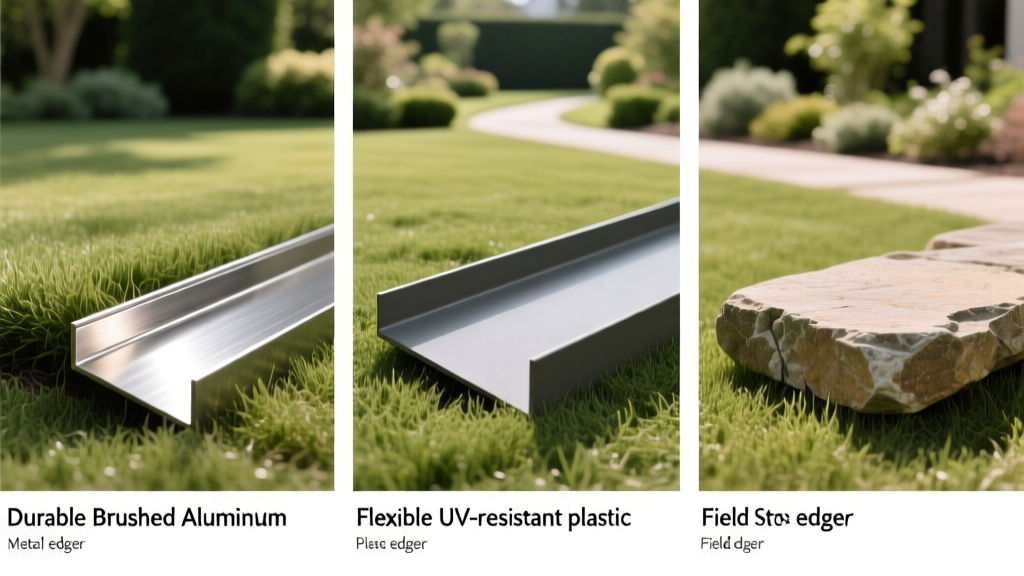
Landscape Edging Reviewed: Metal, Plastic, and Stone
Mike RodriguezPublished
Why Landscape Edging Matters for Garden Beds
Landscape edging is the unsung hero of curb appeal and garden bed maintenance. It serves a dual purpose: aesthetically, it creates a crisp, defined line that separates your lush turfgrass from your mulched planting beds; practically, it prevents mulch from spilling onto the lawn and stops aggressive grass rhizomes from invading your garden soil. Choosing the right edging material can save you hours of manual trimming and string-weed whacking every month. In this comprehensive product review and comparison, we evaluate the three most popular landscape edging materials on the market—metal, plastic, and stone—breaking down specific product lines, costs per linear foot, installation requirements, and long-term durability to help you make the best investment for your outdoor living space.
Metal Landscape Edging: The Professional Choice
Metal edging is widely considered the gold standard among landscape architects and professional contractors. It offers a nearly invisible profile that allows the plants and hardscaping to take center stage, while providing an impenetrable barrier against grass roots.
Top Product Picks: EverEdge Steel and Dimex Aluminum
EverEdge Steel Lawn Edging is a premium, flexible steel edging that comes in pre-cut strips. It is incredibly durable and can handle tight curves without buckling. Because it is made from galvanized steel, it resists rust and can last for decades. However, it requires careful handling during installation, as the top edge, while rolled, can still be sharp. Expect to pay between $7.00 and $9.00 per linear foot.
Dimex EasyFlex Aluminum Edging is a lightweight, rust-proof alternative. Aluminum is easier to cut with standard hacksaws and bends effortlessly around circular garden beds. It is slightly less rigid than steel, meaning it can occasionally warp under extreme soil pressure or heavy frost heave if not staked properly. Costs average around $5.00 to $7.00 per linear foot.
Pros and Cons of Metal Edging
- Pros: Extremely long lifespan (20+ years); creates a clean, modern, invisible look; effectively blocks deep-rooted grasses like Bermuda and Zoysia; allows for seamless mowing edges.
- Pros: Withstands extreme temperature fluctuations without becoming brittle.
- Cons: Highest upfront material cost; requires more physical labor to drive stakes into hard soil; metal can conduct heat, potentially stressing shallow roots directly against the border in peak summer.
Plastic Landscape Edging: The Budget-Friendly Option
Plastic edging is the most common choice for DIY homeowners due to its low cost and widespread availability at big-box hardware stores. It is typically sold in long, coiled rolls and relies on a series of plastic or metal stakes driven into the ground to hold its shape.
Top Product Picks: Vigoro No-Dig and Dimex EasyFlex Plastic
Vigoro No-Dig Landscape Edging has revolutionized the DIY space by eliminating the need for a continuous trench. Instead, you lay the edging on the ground and drive heavy-duty steel stakes through integrated tabs directly into the soil. While it saves time on digging, it leaves a visible plastic lip above ground, which can be easily nicked by string trimmers. It costs roughly $1.50 to $2.50 per linear foot.
Dimex EasyFlex Plastic Coil is a traditional trench-in edging. It features a rigid top lip and a flexible body. While it is very cheap (around $1.00 to $1.50 per linear foot), it is prone to UV degradation over time. After 3 to 5 years of direct sun exposure, the plastic often becomes brittle and cracks, requiring replacement.
Pros and Cons of Plastic Edging
- Pros: Very inexpensive; lightweight and easy to transport; No-Dig varieties save hours of trenching labor; highly flexible for tight radii.
- Cons: Short lifespan (3 to 7 years); prone to frost heave in northern climates; visible plastic lip detracts from high-end landscape designs; easily damaged by weed whackers.
Stone and Concrete Edging: The Classic Hardscape
For those looking to integrate their garden beds with existing patios, retaining walls, or walkways, stone and concrete edging provides a substantial, decorative border. This category includes poured concrete curbs, pre-cast concrete edgers, and natural stone.
Top Product Picks: Belgard Concrete Edgers and Natural Stone
Belgard Pre-Cast Concrete Edgers offer a uniform, classic look. They are heavy, interlocking or abutting pieces that sit partially buried in a trench. They provide excellent mass to hold back heavy mulch and soil. Because they are individual pieces, replacing a damaged section is easy. Costs range from $3.00 to $5.00 per linear foot, depending on the style and finish.
Natural Stone (e.g., Fieldstone or Bluestone) provides an organic, rustic appeal. Sourced from local quarries, natural stone requires custom fitting and often mortar or a compacted gravel base for stability. It is the most expensive option, often exceeding $10.00 to $15.00 per linear foot when factoring in material and specialized labor.
Pros and Cons of Stone and Concrete
- Pros: Beautiful, traditional aesthetic; adds permanent structural value to the landscape; extremely durable against physical impacts; does not degrade from UV rays.
- Cons: Very heavy and difficult to transport; requires extensive trenching and base preparation (gravel/sand); weeds can grow in the joints between pieces; difficult to alter the bed shape later.
Head-to-Head Comparison Chart
| Material Type | Top Product Example | Avg. Cost / Linear Ft. | Expected Lifespan | Installation Difficulty | Best Application |
|---|---|---|---|---|---|
| Steel Metal | EverEdge Steel | $7.00 - $9.00 | 20+ Years | Moderate to Hard | Modern designs, aggressive grasses |
| Aluminum Metal | Dimex Aluminum | $5.00 - $7.00 | 15 - 20 Years | Moderate | Curved beds, coastal areas |
| No-Dig Plastic | Vigoro No-Dig | $1.50 - $2.50 | 3 - 5 Years | Very Easy | Quick DIY fixes, temporary beds |
| Trench Plastic | Dimex Plastic Coil | $1.00 - $1.50 | 5 - 7 Years | Moderate | Budget-conscious large areas |
| Pre-Cast Concrete | Belgard Edgers | $3.00 - $5.00 | 15+ Years | Hard (Heavy lifting) | Traditional gardens, patio borders |
| Natural Stone | Local Bluestone | $10.00 - $15.00+ | Lifetime | Expert Required | High-end, rustic, or formal estates |
Step-by-Step Installation Best Practices
Regardless of the material you choose, proper installation is the difference between a landscape border that lasts a decade and one that fails after the first winter freeze. Follow these actionable steps for trench-in edging (Metal and Traditional Plastic):
- Mark the Boundary: Use a garden hose to lay out the curve of your bed. Avoid sharp, jagged angles; sweeping curves are easier to mow and look more natural.
- Dig the Trench: Use a half-moon edger or a mechanical trencher to dig a trench 4 to 6 inches deep and 3 inches wide. The depth is critical. According to turfgrass management guidelines, the barrier must extend at least 4 inches below the soil surface to block the lateral rhizomes of warm-season grasses like Bermuda.
- Set the Edging: Place the edging material into the trench. For metal, ensure the top edge sits exactly 0.5 inches below the soil grade so your lawnmower blades can pass over it safely without striking the metal.
- Stake and Backfill: Drive landscape spikes at a 45-degree angle through the edging loops into the undisturbed soil on the lawn side. Backfill the trench with native soil and tamp it down firmly to eliminate air pockets.
Expert Insights on Soil and Mulch Retention
Edging does not just keep grass out; it keeps mulch in. Proper mulching is vital for soil moisture retention and temperature regulation. The Clemson University Extension emphasizes the importance of maintaining a proper mulch depth of 2 to 3 inches in landscape beds to suppress weeds and conserve water. However, without a rigid physical barrier, this mulch will wash into the lawn during heavy rains or be kicked out by foot traffic.
'Edging prevents turfgrass from encroaching into landscape beds and keeps mulch from spilling onto the lawn. A vertical edge, created by a spade or mechanical edger, combined with a physical barrier like metal or heavy plastic, provides the most effective long-term separation for sustainable landscape management.' - Clemson University Extension, Home & Garden Information Center.
When pairing your edging with mulch, ensure the mulch does not pile up against the base of trees or shrubs (a practice known as 'volcano mulching'), as this invites rot and rodent damage. The edging should contain the mulch at a consistent 2-inch depth, stopping a few inches away from plant trunks.
Drainage Considerations for Hardscape Edging
One often-overlooked aspect of landscape edging is its impact on surface drainage. If you are installing continuous concrete or stone edging along a slope, you risk creating a dam that traps water in your garden beds, leading to root rot. To mitigate this, you must incorporate weep holes or leave strategic gaps in stone edging every 4 to 6 feet to allow excess stormwater to escape. Metal and plastic edging are generally less problematic for drainage, as water can easily flow over or through the small gaps at the stake joints, but it is always wise to map your yard's natural water flow before laying down any impermeable hardscape borders.
Final Verdict: Which Edging Should You Buy?
If you are looking for a permanent, low-maintenance solution that provides a high-end, invisible finish, metal edging (specifically galvanized steel like EverEdge) is the undisputed winner. While the initial cost and labor are higher, the 20-year lifespan makes it the most cost-effective choice over time. For homeowners on a strict budget or those renting their property, No-Dig plastic edging (like Vigoro) offers an excellent weekend-friendly alternative that requires no heavy digging. Finally, if your landscape design features heavy hardscaping, brick pathways, or traditional architecture, pre-cast concrete edgers (like Belgard) will provide the structural weight and aesthetic harmony your garden beds demand.

