
Landscaping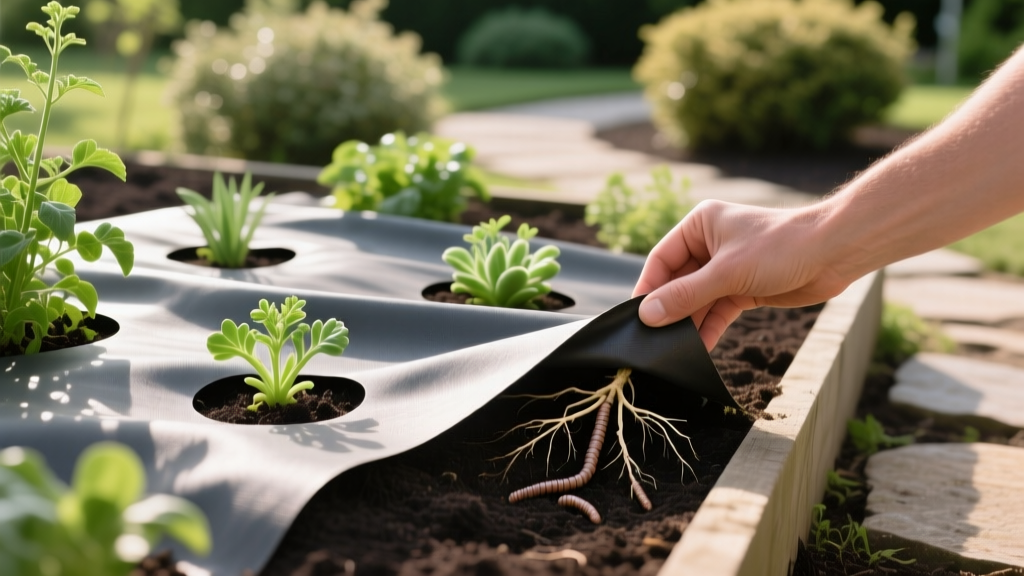
Landscape Fabric Myths: Fact vs Fiction for Garden Beds
Anna KowalskiPublished
The Allure of the Weed Barrier
Walk into any big-box home improvement store in early spring, and you will inevitably see towering rolls of black, woven polypropylene landscape fabric. The marketing promise is incredibly enticing: lay down this geotextile barrier, cut an 'X' where you want to plant, cover it with mulch, and say goodbye to weeding forever. For the weekend warrior looking to save time, it sounds like a miracle product. However, ask any professional landscaper or master gardener about landscape fabric, and you will likely get a heavy sigh followed by a stern warning. Over the last two decades, extensive horticultural research has revealed that weed barriers often cause more long-term harm than good. In this comprehensive myth-busting guide, we separate fact from fiction, explore the hidden costs of landscape fabric, and provide actionable, science-backed alternatives for your garden beds.
Myth 1: Landscape Fabric Permanently Stops Weeds
The Myth: Installing a high-quality, commercial-grade weed barrier will permanently prevent weeds from growing in your garden beds.
The Fact: Landscape fabric does not stop weeds permanently; in many cases, it actually makes weed removal significantly more difficult. While the fabric may block existing weed seeds in the soil from reaching sunlight, it does nothing to stop new, wind-blown seeds from landing on top of your mulch layer. When these airborne seeds germinate, their roots easily penetrate the porous fabric to reach the soil below. As the weeds mature, their root systems become inextricably tangled in the woven matrix of the fabric. When you attempt to pull the weed, the fabric tears, or the weed snaps off at the root, leaving the base to regenerate.
Furthermore, the fabric itself is not permanent. Even expensive woven fabrics (costing $0.40 to $0.60 per square foot) suffer from UV degradation. Within 3 to 5 years, the edges exposed to sunlight become brittle and shatter into microplastics. When it comes time to renovate the bed or remove the degraded fabric, homeowners are often shocked to learn that professional removal costs between $2.00 and $4.00 per square foot due to the intense labor required to untangle the fabric from established plant roots and hardscaping.
Myth 2: Weed Barrier is Good for Soil Health and Moisture
The Myth: Because landscape fabric is porous, it allows water and air to reach the soil while protecting the soil ecosystem from harsh sun.
The Fact: Soil is not just dirt; it is a complex, living ecosystem that relies on a continuous exchange of gases, water, and organic matter. According to horticultural experts at the Washington State University Extension, landscape fabric severely restricts the vital gas exchange between the soil and the atmosphere. Plant roots and beneficial soil microbes require oxygen and must off-gas carbon dioxide. A physical barrier traps CO2 and starves the soil of O2, leading to a compacted, lifeless dirt layer beneath the fabric.
Additionally, healthy soil requires a constant influx of decomposing organic matter. In a natural environment, falling leaves and decomposing mulch are pulled into the soil by earthworms and beneficial insects, creating nutrient-rich humus. Landscape fabric completely severs this biological cycle. Over time, the soil beneath the fabric becomes hydrophobic (water-repellent) and nutrient-deficient. While the fabric may initially reduce surface evaporation, the long-term degradation of soil structure ultimately harms the deep root systems of your expensive ornamental shrubs and trees.
Myth 3: You Should Always Use Fabric Under Gravel or River Rock
The Myth: Laying fabric under gravel paths or decorative river rock beds prevents the stones from sinking into the mud and keeps the gravel looking clean.
The Fact: While it seems logical for hardscaping, using flexible fabric under heavy, shifting gravel is a recipe for disaster. Over time, the freeze-thaw cycle and foot traffic cause the gravel to push the fabric down into the subsoil, while dirt and organic debris accumulate on top of the fabric. Within a few seasons, the gravel effectively 'sinks' below the level of the fabric, and the fabric rises to the surface. You are then left with an unsightly, tangled web of black plastic peeking through your expensive river rock, which is nearly impossible to rake or clean without shredding the barrier.
Fact vs. Fiction: Quick Comparison Chart
| Landscaping Practice | The Common Myth | The Scientific Fact |
|---|---|---|
| Weed Control Longevity | Fabric stops weeds for 10+ years. | Degrades in 3-5 years; weeds root through it. |
| Soil Biology Impact | Protects soil while letting water in. | Blocks earthworms, gas exchange, and organic matter integration. |
| Use Under Gravel | Keeps stones clean and prevents sinking. | Gravel sinks, fabric rises, creating a tangled mess. |
| Plant Health | Retains moisture for plant roots. | Causes soil compaction and hydrophobic conditions over time. |
Actionable Alternatives: What to Use Instead
If landscape fabric is out, what should you use to suppress weeds and retain moisture? Here are three highly effective, professional-grade alternatives that improve your soil rather than suffocate it.
1. Sheet Mulching with Corrugated Cardboard
Also known as 'lasagna gardening,' sheet mulching is a fantastic, eco-friendly way to smother existing grass or weeds when starting a new bed. Instead of plastic fabric, use plain, uncoated corrugated cardboard (remove all tape and staples). Lay the cardboard directly over the soil or grass, ensuring you overlap the edges by at least 6 inches to prevent weeds from finding a gap. Wet the cardboard thoroughly with a garden hose so it conforms to the soil and begins to break down. Earthworms love cardboard, and it will naturally decompose into the soil within 6 to 12 months, adding carbon to the ecosystem. Cost: Often free from local appliance stores or roughly $15 for a heavy-duty roll online.
2. Deep Organic Mulch Layers
The single best weed barrier is a thick layer of organic mulch applied directly to the soil. According to the Arbor Day Foundation, a proper mulch ring regulates soil temperature, retains moisture, and suppresses weed seed germination by blocking sunlight. For optimal results, apply 3 to 4 inches of coarse arborist wood chips or shredded hardwood bark. The coarse texture allows water and air to penetrate freely while preventing weed seeds from reaching the soil. Be sure to keep the mulch 3 inches away from the base of tree trunks and shrub stems to prevent 'volcano mulching,' which can cause trunk rot. Cost: $30 to $50 per cubic yard, which covers approximately 100 square feet at a 3-inch depth.
3. Pre-Emergent Herbicides for Persistent Weeds
If you have a severe weed problem and rely on inorganic mulch like gravel, a pre-emergent herbicide is a far better choice than fabric. Products containing trifluralin (such as Preen Garden Weed Preventer) or organic alternatives like Corn Gluten Meal work by creating a microscopic barrier at the soil surface that stops weed seeds from germinating. Timing is everything: you must apply pre-emergents in early spring when the soil temperature consistently reaches 55°F at a 2-inch depth, which is when crabgrass and many broadleaf weeds begin to sprout. Reapply every 9 to 12 weeks depending on the product label. For detailed application rates and ornamental plant safety, consult resources like the Penn State Extension.
Conclusion
The landscaping industry is full of products that promise quick fixes, but nature rarely takes shortcuts. Landscape fabric is a prime example of a short-term solution that creates long-term ecological and financial headaches. By ditching the woven plastic and embracing biologically active alternatives like cardboard sheet mulching, deep organic wood chips, and properly timed pre-emergents, you will spend less money, save hours of frustrating labor, and cultivate a vibrant, thriving landscape that looks beautiful for decades to come.

