
Landscaping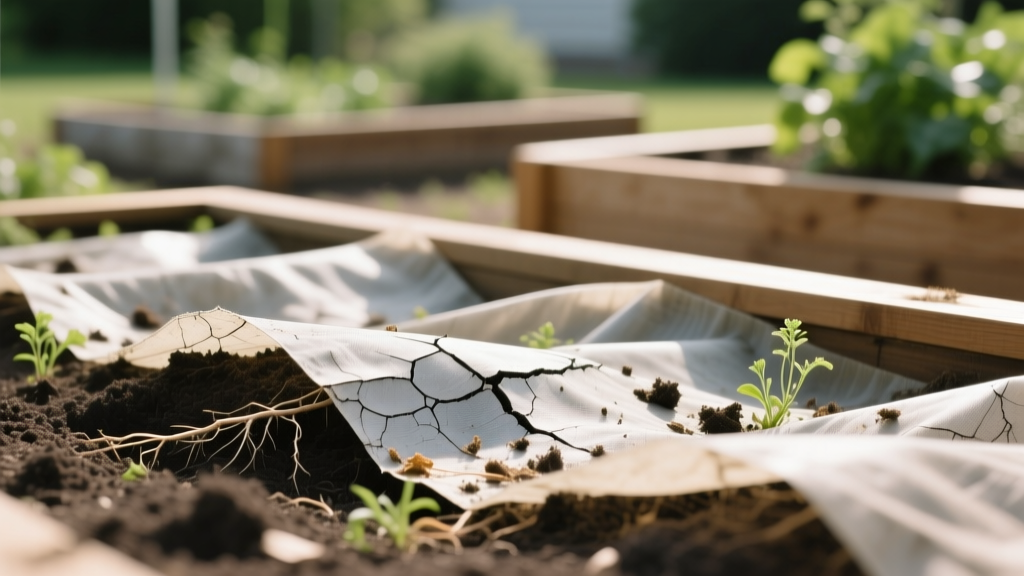
Landscape Fabric Myths: Fact vs Fiction for Garden Beds
James MillerPublished
The Allure of the 'Zero Maintenance' Garden
Walk into any big-box garden center in early spring, and you will inevitably see rolls of black, woven polypropylene landscape fabric prominently displayed. Marketed as the ultimate 'weed barrier,' this geotextile material has become a staple in modern landscaping. The promise is incredibly seductive: lay it down, cut a few holes for your plants, cover it with mulch, and never pull a weed again. Unfortunately, this promise is largely a marketing fiction. As a senior landscaping writer for LawnsGuide, I frequently see homeowners and amateur landscapers fall victim to the myths surrounding landscape fabric. The reality of long-term garden bed management is far more complex, and relying on synthetic weed barriers often leads to degraded soil, struggling plants, and a massive headache a few years down the road. Let us separate fact from fiction and explore the science of what actually keeps your garden beds healthy and weed-free.
Myth 1: Landscape Fabric Permanently Stops Weeds
The Fiction: Once installed, landscape fabric creates an impenetrable shield that stops weeds from germinating and growing in your garden beds forever.
The Fact: Landscape fabric does not stop weeds permanently; it merely delays them and changes how they grow. According to horticultural experts at Wisconsin Horticulture, weed seeds blow in from the wind, are dropped by birds, or wash in with rain. These seeds settle on top of the fabric, nestled within the layer of mulch you placed over it. The mulch eventually breaks down into a rich layer of topsoil, providing the perfect medium for weed seeds to germinate. Once the taproots of these weeds hit the fabric, they either spread horizontally or push their way through the microscopic pores of the woven material. Furthermore, aggressive perennial weeds like bindweed, bermudagrass, and nutsedge will easily puncture the fabric from below, using the tiny holes you cut for your desirable plants as an entry point.
Myth 2: Weed Barriers Are Good for Soil Health
The Fiction: Because landscape fabric is porous and allows water to pass through, it maintains a healthy, breathable soil environment while keeping the dirt clean.
The Fact: This is perhaps the most damaging myth in modern landscaping. Healthy soil is a living ecosystem that relies on the constant exchange of gases (oxygen and carbon dioxide), the infiltration of organic matter, and the movement of beneficial organisms like earthworms. As noted by the plant scientists at The Garden Professors, landscape fabric severely disrupts this ecosystem. Over time, the pores in the fabric become clogged with fine soil particles and decomposing mulch, rendering the material impermeable to water and air. This leads to soil compaction, water runoff, and a sterile, dead zone beneath the fabric. Without organic matter reaching the soil surface, the natural nitrogen cycle is broken, and your soil structure degrades into hard, lifeless dirt.
Myth 3: Landscape Fabric Saves Money Over Time
The Fiction: The upfront cost of landscape fabric is an investment that pays for itself by eliminating the need to buy mulch and spend hours weeding every season.
The Fact: While it might save a few hours of weeding in year one, the long-term financial and labor costs are staggering. Eventually, the fabric will become tangled with weed roots and exposed to UV light (which degrades the plastic). When it is time to renovate the bed or plant new shrubs, you are faced with the grueling task of removing the fabric. It rarely pulls up in clean sheets; instead, it shreds into thousands of plastic fragments that must be picked out of the soil by hand. You will also likely need to amend the dead soil beneath it with compost, adding to your total cost of ownership.
Cost & Effort Comparison: Fabric vs. Organic Methods
| Method | Initial Cost (per 100 sq ft) | Maintenance Level | Soil Health Impact | Lifespan |
|---|---|---|---|---|
| Landscape Fabric + Mulch | $85 - $120 (Fabric, pins, mulch) | Low (Year 1), High (Year 3+) | Negative (Blocks organics, compacts) | 3 - 5 Years |
| Cardboard Sheet Mulching | $35 - $50 (Free cardboard, mulch) | Low to Moderate | Highly Positive (Adds carbon, feeds worms) | 1 - 2 Years (Reapply mulch) |
| Deep Organic Mulch Only | $40 - $60 (3-4 inches of bark) | Moderate (Annual top-dressing) | Positive (Regulates temp, feeds soil) | 1 Year (Reapply annually) |
Myth 4: Plants Thrive When Planted Through Fabric
The Fiction: Cutting an 'X' in the fabric and planting a shrub through it allows the plant to grow normally while protecting its base from weeds.
The Fact: Trees and shrubs have root systems that expand outward and upward as they mature. Many vital feeder roots and the crucial root flare (where the trunk meets the roots) need to be at or slightly above the soil surface to access oxygen and prevent rot. Landscape fabric girdles the base of the plant as the trunk widens, restricting vascular flow. Furthermore, the restricted hole prevents natural leaf litter and organic matter from entering the root zone, essentially starving the plant of the nutrients it would naturally receive in an unobstructed environment. Penn State Extension's guidelines on proper mulching techniques explicitly warn against piling mulch or placing synthetic barriers against the trunks of trees and shrubs, as this invites fungal diseases and rodent damage.
The Fact-Based Alternatives: What to Use Instead
If landscape fabric is a landscaping myth, what is the factual, science-backed solution for weed control and soil health? Here are three actionable, highly effective alternatives.
1. Cardboard Sheet Mulching (Lasagna Gardening)
Instead of synthetic polypropylene, use plain, uncoated corrugated cardboard. This method, often called sheet mulching, mimics the natural leaf litter of a forest floor.
- Preparation: Mow down existing weeds or grass in the bed area as short as possible.
- Application: Lay down sheets of cardboard, overlapping the edges by at least 6 inches to prevent weeds from finding a gap. Remove any plastic tape or staples from the boxes first.
- Watering: Thoroughly soak the cardboard with a garden hose so it conforms to the soil and begins the decomposition process.
- Covering: Immediately cover the cardboard with 3 to 4 inches of organic mulch (like shredded hardwood bark or pine straw). The cardboard will suppress weeds for 6 to 12 months while it decomposes, feeding the soil and attracting earthworms.
2. Deep Organic Mulching
If you are maintaining an established bed, you do not need a barrier at all if you use mulch correctly. The secret is depth and consistency.
- Depth: Apply a uniform layer of 3 to 4 inches of organic mulch. Anything less than 3 inches will allow light to penetrate and trigger weed seed germination. Anything more than 4 inches can suffocate plant roots and create hydrophobic (water-repelling) layers.
- Material: Use aged shredded hardwood bark, arborist wood chips, or pine needles. Avoid dyed mulches or rubber mulch, which offer no nutritional value to the soil.
- Timing: Apply or refresh your mulch in mid-to-late spring after the soil has warmed up and you have pulled any early seasonal weeds.
3. Targeted Pre-Emergent Herbicides
For stubborn weed issues in ornamental beds, chemistry is a better temporary tool than plastic. Pre-emergent herbicides create a microscopic barrier in the top half-inch of soil that stops weed seeds from developing roots after they germinate.
- Active Ingredients: Look for products containing trifluralin (e.g., Preen Garden Weed Preventer) or prodiamine for professional-grade control. These are safe to use around established ornamental plants when applied according to the label.
- Timing is Critical: Pre-emergents must be applied before weed seeds germinate. For summer annual weeds like crabgrass and spurge, apply when soil temperatures consistently reach 50°F to 55°F in early spring. For winter annuals like henbit and poa annua, apply in early autumn.
- Activation: These products must be watered in with about a half-inch of irrigation or rainfall within 48 hours of application to activate the chemical barrier in the soil.
Final Verdict: Ditch the Fabric, Feed the Soil
The myth of the 'zero maintenance' landscape fabric is just that—a myth. True landscaping success relies on working with nature, not trying to pave over it with plastic. By abandoning synthetic weed barriers and embracing deep organic mulching, cardboard sheet mulching, and targeted pre-emergents, you will spend less money, save yourself from the nightmare of fabric removal, and cultivate a vibrant, living soil ecosystem that helps your plants thrive for decades. Remember: a garden is only as healthy as the soil beneath it, and great soil cannot be manufactured under a layer of woven plastic.

