Gardening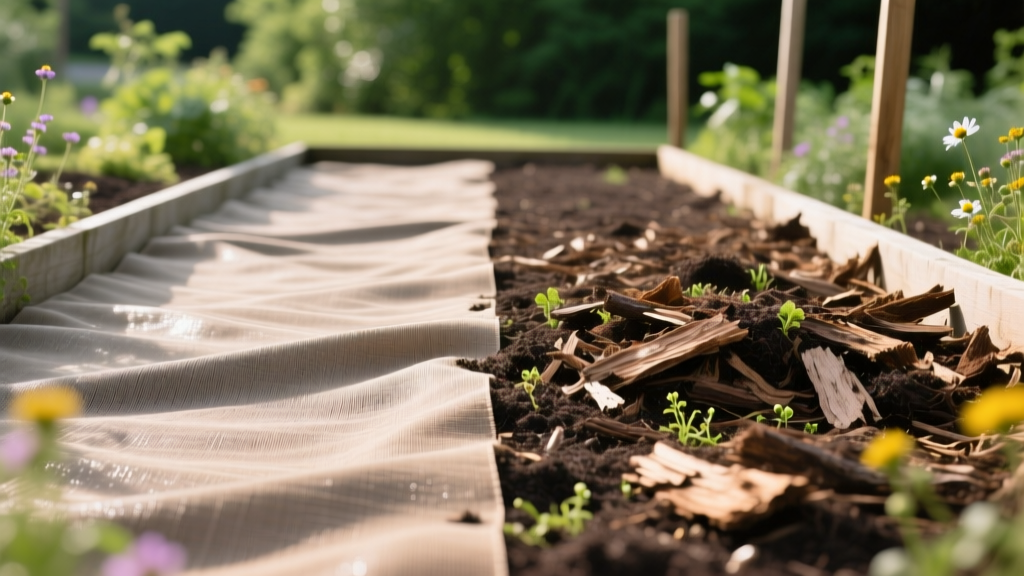
Landscape Fabric vs. Organic Mulch: Which Weed Barrier Wins
Emily WatsonPublished
The Great Weed Control Debate: Synthetic vs. Organic
Every gardener knows the frustration of spending a beautiful Saturday morning pulling weeds instead of enjoying the harvest. When preparing a new vegetable garden, flower bed, or raised bed, choosing the right weed barrier is one of the most critical decisions you will make. For decades, the default solution sold at big-box hardware stores has been synthetic woven landscape fabric. However, a massive shift toward regenerative gardening and soil science has brought organic sheet mulching—specifically using cardboard and arborist wood chips—into the spotlight.
In this comprehensive product comparison, we are pitting Product A (Woven Polypropylene Landscape Fabric) against Product B (Organic Sheet Mulch). We will break down the costs, installation efforts, long-term soil health impacts, and ultimate weed suppression capabilities to help you decide which method deserves a place in your garden.
Contender 1: Woven Polypropylene Landscape Fabric
Woven landscape fabric is a synthetic textile made from polypropylene. It is designed to allow water and air to pass through while blocking sunlight from reaching the soil surface, thereby preventing weed seeds from germinating.
The Pros
- Immediate Suppression: Provides an instant physical barrier against existing weeds.
- Gravel Retention: Excellent for keeping decorative gravel or river rock from sinking into the native clay or topsoil.
- Pathway Stability: Ideal for high-traffic garden pathways where organic matter would quickly break down.
The Cons
- Soil Degradation: Over time, it prevents organic matter from entering the soil, starving the microbial food web.
- The 'Dust' Problem: Windblown dust and debris accumulate on top of the fabric, creating a perfect seedbed for new weeds whose roots will tangle into the fabric.
- Microplastic Shedding: UV exposure eventually breaks the plastic down into microplastics that contaminate the garden soil.
Contender 2: Organic Sheet Mulch (Cardboard & Wood Chips)
Sheet mulching, often called 'lasagna gardening,' involves layering plain brown corrugated cardboard directly over the soil or existing weeds, followed by a thick layer (3 to 4 inches) of organic mulch, such as arborist wood chips or shredded leaves.
The Pros
- Soil Building: As the cardboard and wood chips break down, they feed earthworms and beneficial fungi, drastically improving soil structure.
- Moisture Retention: Organic mulch acts like a sponge, reducing water evaporation and keeping plant roots cool during summer heatwaves.
- Cost-Effective: Cardboard can be sourced for free from local retailers, and arborist wood chips are often available for free via local tree-trimming services.
The Cons
- Nitrogen Tie-Up: If wood chips are tilled into the soil rather than left on the surface, they can temporarily tie up soil nitrogen.
- Annual Top-Ups: Organic matter decomposes, requiring a fresh 1-to-2-inch layer of mulch every year or two.
- Pest Habitat: Thick, moist layers of mulch can occasionally harbor slugs or sowbugs, which may damage tender seedlings.
Head-to-Head Comparison Chart
| Feature | Woven Landscape Fabric | Organic Sheet Mulch |
|---|---|---|
| Upfront Cost (per 100 sq ft) | $40 - $80 | $0 - $15 |
| Installation Time | Moderate (requires staples/pins) | Fast (lay and cover) |
| Weed Suppression (Year 1) | Excellent | Excellent |
| Weed Suppression (Year 5) | Poor (weeds root into fabric) | Good (requires thin top-up layer) |
| Soil Health Impact | Negative (blocks organic integration) | Highly Positive (builds humus) |
| Water Permeability | Decreases over time as pores clog | Increases as soil structure improves |
Deep Dive: Soil Health and Microbial Biology
The most significant differentiator between these two products is their impact on the soil microbiome. Healthy garden soil is a living ecosystem relying on the constant exchange of gases (oxygen in, carbon dioxide out) and the incorporation of decaying organic matter. According to Washington State University's horticultural research, synthetic landscape fabrics severely restrict this gas exchange and prevent the natural cycling of nutrients. When leaves and organic debris land on landscape fabric, they are often blown away or raked up, effectively putting the soil beneath it on a starvation diet.
Conversely, organic sheet mulch mimics the natural forest floor. As the cardboard breaks down (usually within 3 to 6 months), earthworms pull the organic carbon deep into the soil profile. The wood chips above provide a slow-release food source for mycorrhizal fungi, which form symbiotic relationships with your vegetable and flower roots, helping them uptake phosphorus and water more efficiently.
The Myth of 'Permanent' Weed Control
Many gardeners buy landscape fabric under the assumption that it is a 'buy it once, weed forever' solution. Unfortunately, this is a gardening myth. While the fabric blocks weeds from below, it does nothing to stop weed seeds blowing in from above. Within a single season, a thin layer of dirt, pollen, and organic dust accumulates on the surface of the fabric. Weed seeds land in this dust, germinate, and send their roots directly through the woven pores of the fabric.
By year three, attempting to pull these weeds becomes a nightmare, as the roots are firmly anchored in the synthetic mesh. Furthermore, the University of Minnesota Extension notes that organic mulches, when maintained at a proper depth of 3 to 4 inches, are highly effective at smothering weed seeds by blocking light and physically impeding their growth, without the long-term removal headache of tangled plastic fabric.
Environmental Impact and IPM Principles
Modern gardening increasingly aligns with Integrated Pest Management (IPM), a strategy that emphasizes ecological balance over chemical or synthetic interventions. The EPA's Integrated Pest Management principles encourage cultural and physical controls that do not harm the broader ecosystem. Landscape fabric, being a petroleum-based product, eventually degrades into microplastics. When it is time to replace the fabric or change the layout of your garden beds, you are left with the labor-intensive task of digging out shredded plastic remnants that have tangled around perennial roots.
Organic sheet mulch, on the other hand, sequesters carbon, diverts cardboard from landfills, and utilizes a byproduct of the tree-care industry (wood chips) that would otherwise be burned or dumped. It is a closed-loop system that leaves zero toxic legacy in your garden.
Cost Analysis: Upfront vs. Long-Term
Let us look at the math for a standard 10x10 foot garden bed (100 square feet).
Landscape Fabric Setup
- Commercial-grade woven fabric (3x100 ft roll): ~$60
- Landscape staple pins (box of 50): ~$15
- Decorative mulch to cover fabric (optional but recommended for UV protection): ~$40
- Total Year 1 Cost: $115
- Year 5 Cost: $115 + labor to rip out tangled weeds and replace degraded fabric.
Organic Sheet Mulch Setup
- Corrugated cardboard (sourced from appliance stores or recycling): $0
- Arborist wood chips (sourced via ChipDrop or local arborists): $0 to $20 delivery fee
- Compost top-dressing (optional for immediate planting): ~$15
- Total Year 1 Cost: $0 - $35
- Year 5 Cost: $20 for a fresh layer of wood chips.
Step-by-Step Installation Guide for Sheet Mulching
If you choose the organic route, proper installation is key to preventing weed breakthroughs.
- Mow or Chop: Cut existing weeds or grass as short as possible. Leave the clippings in place to add nitrogen.
- Water Heavily: Soak the area thoroughly to kickstart the decomposition process.
- Lay Cardboard: Use plain brown corrugated cardboard. Remove all tape and staples. Overlap every edge by at least 6 inches to prevent weeds from finding a gap.
- Wet the Cardboard: Soak the cardboard layers until they are soggy and conform to the soil contours.
- Apply Mulch: Pile 3 to 4 inches of arborist wood chips or shredded leaves on top. Keep the mulch a few inches away from the stems of existing trees or shrubs to prevent rot.
Expert Planting Tip: If you need to plant transplants immediately into a newly sheet-mulched bed, simply use a trowel to cut an 'X' into the wet cardboard, dig your planting hole, and backfill with compost. The surrounding cardboard will continue to suppress weeds while your new plant establishes.
The Final Verdict: When to Use Which
Neither product is entirely without merit, but their applications are vastly different. Woven Landscape Fabric should be strictly reserved for non-planting areas. If you are installing a permanent gravel pathway, a dry creek bed, or laying down heavy decorative river rock under a bench, landscape fabric is the correct tool to keep the stone from sinking into the mud.
However, for any area where you intend to grow vegetables, flowers, shrubs, or trees, Organic Sheet Mulch is the undisputed winner. It builds soil fertility, retains moisture, supports beneficial insects, and ultimately provides a more sustainable, cost-effective, and ecologically sound method of weed control. By feeding the soil rather than covering it with plastic, you set the stage for a thriving, resilient garden that will only get better with age.
