
Landscaping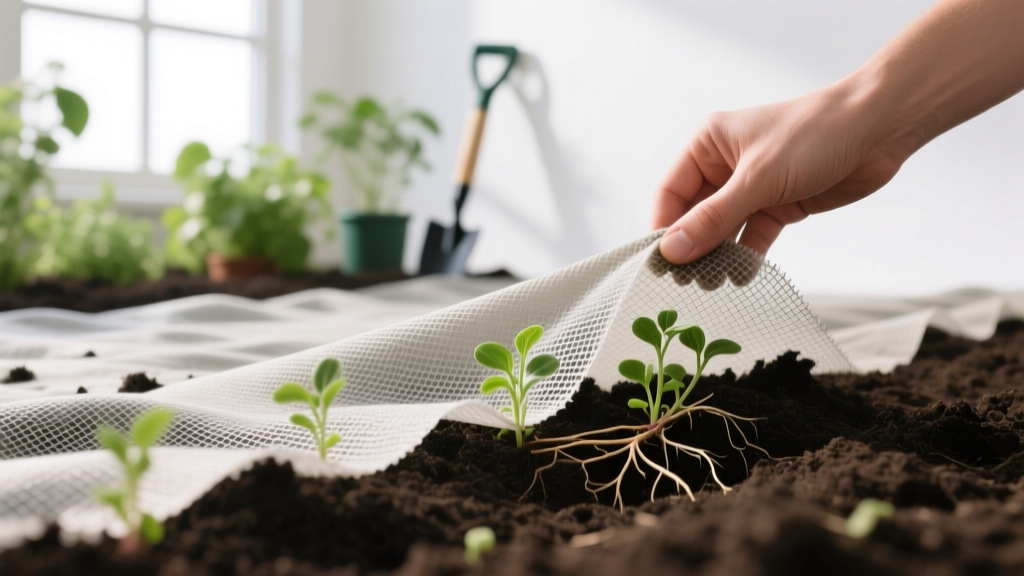
Landscape Fabric Myths: The Truth About Weed Barriers
James MillerPublished
The Great Landscaping Debate: Is Weed Barrier Worth It?
Walk through any big-box garden center in early spring, and you will inevitably see pallets of landscape fabric towering over the mulch aisle. Marketed as the ultimate solution for weed-free garden beds, this woven or non-woven geotextile material has become a default installation step for both amateur gardeners and professional landscapers. The promise is alluring: lay it down once, cover it with mulch, and never pull a weed again. But as any seasoned horticulturist will tell you, the reality of landscape fabric is far more complicated—and often much more damaging—than the marketing suggests.
At lawnsguide.com, we believe in sustainable, science-backed landscaping practices. Today, we are separating fact from fiction. We will debunk the most pervasive myths surrounding landscape fabric, examine the hidden costs to your soil ecosystem, and provide actionable, proven alternatives that actually work.
Myth 1: Landscape Fabric Permanently Stops Weeds
The Fiction: Installing a weed barrier creates an impenetrable shield that stops weeds from ever entering your garden beds.
The Fact: Landscape fabric only delays the inevitable, and in many cases, it creates a worse weed problem over time. While it may block existing weed seeds in the soil from germinating upward, it does nothing to stop new weed seeds from blowing in from the wind, dropping from birds, or washing in with runoff. These seeds settle on top of the fabric, nestled in the layer of mulch or dust that accumulates there. Because the fabric prevents roots from penetrating deeply into the soil, these surface weeds develop shallow, fibrous root mats that are incredibly difficult to pull without tearing the fabric.
Furthermore, aggressive perennial weeds like bindweed, Bermudagrass, and nutsedge possess sharp rhizomes that will easily pierce through the fabric from below. Once they do, the fabric acts as a shield, protecting the weed's deep root system from being fully extracted when you try to pull it from the top.
Myth 2: Weed Barrier Allows Water and Air to Flow Freely
The Fiction: The porous nature of woven landscape fabric ensures that rain and oxygen reach the soil below while keeping weeds out.
The Fact: While brand-new fabric is indeed permeable, it does not stay that way. Within a single season, the microscopic pores in the fabric become clogged with soil particles, organic matter, and microbial slime. According to extensive research published by Dr. Linda Chalker-Scott at Washington State University Extension, this clogging effectively turns the fabric into an impermeable plastic sheet. When heavy rains hit, water sheets off the surface rather than penetrating the root zone, leading to increased runoff, soil erosion, and drought-stressed plants. Similarly, the exchange of vital gases like oxygen and carbon dioxide is severely restricted, suffocating the root systems of your prized ornamentals and trees.
Myth 3: Landscape Fabric is Good for Soil Health
The Fiction: Because it reduces the need for chemical herbicides, landscape fabric is an eco-friendly choice that maintains a healthy garden bed.
The Fact: Healthy soil is a living ecosystem teeming with earthworms, beneficial nematodes, and mycorrhizal fungi. This microbiome relies on a constant cycle of organic matter breaking down on the soil surface and being pulled downward by earthworms. Landscape fabric completely severs this biological conveyor belt. As the University of Minnesota Extension notes, organic mulches must be in direct contact with the soil to decompose and replenish vital nutrients. When separated by a synthetic barrier, the soil beneath slowly becomes dead, compacted dirt, devoid of the biological activity necessary to support long-term plant health.
The Real Cost of Landscape Fabric: A Data Comparison
Many homeowners choose landscape fabric thinking it saves money on mulch and maintenance. However, when you factor in the lifespan, soil remediation, and eventual removal, the economics shift dramatically. Below is a comparison of landscape fabric versus the most effective natural alternative: deep organic sheet mulching.
| Material / Method | Initial Cost (per sq. ft.) | Expected Lifespan | Weed Suppression (Year 1) | Weed Suppression (Year 5) | Soil Health Impact |
|---|---|---|---|---|---|
| Woven Landscape Fabric + 2 in. Mulch | $0.65 - $1.20 | 3 - 5 Years | Excellent | Poor (Surface weeds) | Negative (Suffocates soil) |
| Cardboard Sheet Mulch + 4 in. Arborist Chips | $0.15 - $0.35 | Annual Top-dressing | Very Good | Good (With maintenance) | Highly Positive (Builds soil) |
*Note: Removing old, torn landscape fabric costs an average of $2.00 to $4.00 per square foot in manual labor due to roots tangling in the mesh and the need to separate the dirty plastic from recyclable materials.
The Best Alternative: How to Sheet Mulch (Lasagna Gardening)
If landscape fabric is out, what should you use? The gold standard for sustainable weed suppression and soil building is sheet mulching using cardboard and organic wood chips. This method mimics the natural leaf litter of a forest floor. Here is your step-by-step actionable guide to doing it right:
- Prep the Area: Mow or string-trim existing weeds down to the soil surface. Do not use a chemical herbicide; simply scalp the vegetation.
- Hydrate: Water the area deeply. Moisture jumpstarts the decomposition process of the cardboard and the underlying weeds.
- Lay the Cardboard: Use plain, uncoated brown corrugated cardboard (remove all plastic tape and glossy labels). Lay it directly over the weeds, overlapping each piece by at least 6 inches to prevent weeds from finding the seams.
- Wet the Cardboard: Soak the cardboard with a hose until it is completely saturated and conforms to the soil contours.
- Apply Organic Mulch: Cover the cardboard with 3 to 4 inches of arborist wood chips, shredded bark, or compost. According to the University of Missouri Extension, a thick layer of organic mulch blocks sunlight from reaching weed seeds while regulating soil temperature and retaining moisture.
- Planting: You can plant immediately by cutting an 'X' into the cardboard, folding back the flaps, and digging your hole. The cardboard will naturally decompose within 6 to 12 months, leaving behind rich, weed-free topsoil.
How to Remove Existing Landscape Fabric
If you have inherited a garden bed choked with old, failing weed barrier, you must remove it to restore your soil. Do not simply pile new mulch on top of it; this only creates a perched water table and exacerbates drainage issues.
- Tools Needed: A sharp flat spade, a heavy-duty landscaping rake, and a utility knife.
- The Process: Use the utility knife to cut the fabric into manageable 2-foot wide strips. Use the flat spade to sever the roots that have grown through the mesh. Roll the strips up tightly. Unfortunately, because the fabric is heavily contaminated with soil and organic debris, it is rarely accepted by recycling facilities and must be disposed of in standard landfill waste.
- Remediation: Once removed, the soil will likely be compacted and hydrophobic. Broadfork the area to aerate it, apply a 1-inch layer of compost, and top with 3 inches of natural wood mulch to revive the microbial life.
When Should You Actually Use Landscape Fabric?
Despite its flaws in planted garden beds, landscape fabric does have a specific, highly effective use case in hardscaping. It is excellent beneath inorganic, non-planted areas such as gravel pathways, river rock dry creek beds, French drains, and under heavy stone patios. In these scenarios, soil biology and water penetration are secondary concerns, and the primary goal is to prevent the gravel from sinking into the native clay or topsoil over time. For structural hardscaping support, a heavy-duty, woven geotextile fabric is the correct tool for the job.
Conclusion
The myth of the permanent, eco-friendly weed barrier has cost homeowners countless hours of frustration and thousands of dollars in soil remediation. By ditching landscape fabric in your planted beds and embracing deep organic sheet mulching, you will not only suppress weeds effectively but also build a vibrant, resilient soil ecosystem that makes your landscaping thrive year after year.

