
Landscaping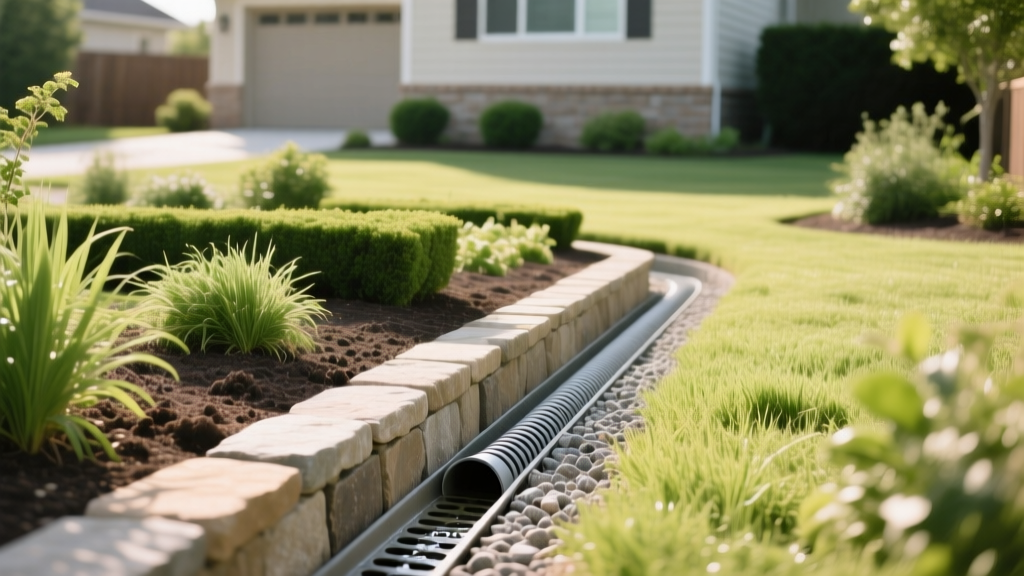
Landscaping Drainage Myths Busted: Fact vs Fiction Guide
Anna KowalskiPublished
The High Cost of Landscaping Drainage Myths
Water is the single most destructive force acting against your home and landscape. Poor drainage can lead to flooded basements, cracked foundations, rotting fascia boards, and dead turfgrass. According to home repair industry data, foundation water damage repairs can cost homeowners anywhere from $10,000 to over $25,000. Despite these high stakes, the landscaping industry is plagued by outdated folklore, well-meaning but misguided advice, and downright harmful myths regarding soil grading, container planting, and yard drainage.
In this comprehensive myth-busting guide, we separate fact from fiction. We will explore the physics of water movement in soil, examine the true building codes for foundation grading, and provide actionable, science-backed solutions to keep your landscape thriving and your foundation dry.
Myth 1: Adding Gravel to the Bottom of Pots Improves Drainage
The Fiction: For decades, gardening books and hobbyists have advised placing a layer of gravel, pebbles, or broken pottery shards at the bottom of container plantings to 'ensure good drainage' and prevent root rot.
The Fact: This practice actually increases the risk of root rot by creating a 'perched water table.' Water does not move easily from a fine-textured medium (potting soil) into a coarse-textured medium (gravel) due to the differences in capillary action and matric potential. Instead of draining out of the hole, the water pools in the soil layer immediately above the gravel. The soil must become completely saturated before gravity forces water across the textural boundary into the gravel below. This means the plant's roots sit in a shallow, waterlogged zone.
Actionable Advice:
- Use Uniform Media: Fill the entire container with a high-quality, well-draining potting mix containing perlite, pine bark, and peat or coco coir.
- Elevate the Pot: Use terracotta pot feet or risers to lift the container slightly off the ground. This allows gravity to pull water entirely through the drainage hole without surface tension holding it back.
- Amend the Mix: If you are growing succulents or plants requiring extreme drainage, mix into the soil uniformly using products like pumice, calcined clay (Turface), or expanded shale, rather than layering them at the bottom.
For a deep dive into the physics of this phenomenon, The Garden Professors (a network of university extension horticulturists) provide extensive peer-reviewed data debunking the gravel layer myth.
Myth 2: Mixing Sand into Clay Soil Fixes Drainage Issues
The Fiction: If you have heavy, poorly draining clay soil, tilling in mason sand or play sand will open up the soil structure and create a loamy, well-draining garden bed.
The Fact: Adding sand to clay without adding massive amounts of organic matter creates a substance remarkably similar to concrete. Clay particles are microscopic, flat, and plate-like, while sand particles are large and spherical. When mixed, the tiny clay particles fill the macro-pore spaces between the sand grains, locking them together into a dense, impenetrable matrix. Your drainage problem will worsen, and your shovel will bounce right off the surface.
Actionable Advice:
- Use Expanded Shale: Products like PermaTill or TexTrude expanded shale are porous, lightweight, and permanently fracture clay compaction without creating concrete.
- Add Organic Matter: Top-dress with 2 to 3 inches of finished compost or leaf mold annually. Organic matter binds clay particles into 'aggregates,' creating stable pore spaces for water to infiltrate.
- Apply Gypsum: For sodic clays (clays high in sodium), applying calcium sulfate (gypsum) at a rate of 40 lbs per 1,000 square feet can help flocculate (clump) clay particles, improving water penetration.
The Colorado State University Extension explicitly warns against using sand alone to amend clay soils, recommending organic compost and mechanical aeration instead.
Myth 3: A 1% Slope Away From the Foundation is Sufficient
The Fiction: As long as the ground slopes slightly away from your house (a 1% grade), water will naturally flow away from your foundation.
The Fact: A 1% slope (a 1-inch drop over 10 feet) is vastly inadequate for managing heavy rainfall and snowmelt. Surface tension, soil absorption, and minor landscaping irregularities will easily overwhelm a 1% grade, allowing water to pool against your foundation and exert hydrostatic pressure on your basement walls.
Actionable Advice:
- Follow the IRC Code: The International Residential Code (IRC) and most structural engineers require a minimum 5% slope for the first 10 feet away from the foundation. This equates to a 6-inch drop over the first 10 feet.
- Measure Accurately: Do not eyeball it. Use a string line, a line level (like the Johnson Level 40-6910), and a measuring tape. Stake a string at the foundation, pull it taut 10 feet out, level it, and measure down 6 inches from the string to the soil grade.
- Use the Right Fill: When regrading, use highly compactable fill dirt or clay-rich topsoil near the foundation, not fluffy garden soil or mulch, which will absorb water and hold it against the concrete.
Myth 4: A French Drain is the Cure-All for Yard Flooding
The Fiction: If you have a wet, boggy yard, digging a trench and burying a perforated pipe (a French drain) will magically solve your standing water issues.
The Fact: A French drain is a subsurface water collection system, not a water disappearance system. It only works if two conditions are met: the surrounding soil is permeable enough to let water enter the trench, and the pipe has a designated, lower-elevation outlet (daylighting) or a massive underground storage tank (dry well). If you bury a French drain in heavy clay with no outlet, you are simply building an underground bathtub that will flood your yard faster.
Actionable Advice:
- Wrap the Pipe: Always wrap your perforated corrugated pipe in a non-woven geotextile fabric (such as Mirafi 500X). This prevents fine silt and clay from migrating into the pipe and clogging the system over time.
- Consider Surface Alternatives: If your issue is surface runoff from heavy rain or impervious surfaces (like driveways), a French drain won't catch it fast enough. Instead, install surface-level NDS Pro-Series Catch Basins connected to solid PVC pipe, or grade a shallow grassy swale to move water to the street.
- Explore Rain Gardens: For areas with poor percolation, the University of Minnesota Extension highly recommends rain gardens and dry creek beds as sustainable, aesthetically pleasing alternatives to hidden piping.
Comparison Chart: Landscape Drainage Solutions
Choosing the right drainage solution depends on the source of the water, your soil type, and your budget. Below is a structured comparison of the most common landscaping drainage interventions.
| Solution Type | Best Use Case | Estimated Cost | Maintenance Level |
|---|---|---|---|
| Grassy Swale | Surface runoff from roofs and driveways; moving water across a slope. | $1 - $4 per sq. ft. | Low (requires mowing and occasional re-seeding) |
| French Drain | Subsurface water; relieving hydrostatic pressure behind retaining walls. | $20 - $50 per linear ft. | Medium (must ensure fabric isn't clogged with silt) |
| Dry Well | Collecting roof downspout water in flat yards with sandy/loamy soils. | $300 - $800 total | High (requires periodic vacuuming of sediment) |
| Catch Basin | Low spots on patios, driveways, or walkways where water pools rapidly. | $150 - $450 total | High (grates must be cleared of autumn leaves weekly) |
| Rain Garden | Eco-friendly stormwater management; filtering pollutants in clay soils. | $5 - $15 per sq. ft. | Medium (requires weeding and pruning native plants) |
Final Thoughts: Test Before You Invest
The most critical step in any landscaping drainage project is understanding your soil's percolation rate and your property's topography. Before spending thousands of dollars on trenching and piping, perform a simple percolation test: dig a hole 12 inches deep and 12 inches wide, fill it with water, and measure how many inches it drops per hour. If it drops less than 1 inch per hour, you have heavy clay and must rely on surface grading, swales, and catch basins rather than subsurface French drains. By abandoning outdated myths and relying on soil science and building codes, you can design a landscape that protects your home and thrives in any weather.

