Tree Care
Late Fall Tree Health Assessment and Winterization Guide
Why Late Fall Tree Care is Critical for Long-Term Health
As the vibrant colors of autumn fade and temperatures begin their steady descent, many homeowners mistakenly believe that their landscape requires less attention. However, the late fall period is arguably the most critical window for tree health assessment and winterization. Trees are not simply going to sleep; they are actively transitioning into dormancy, storing carbohydrates in their root systems, and hardening off their cellular structures to survive freezing temperatures. Neglecting your trees during this transitional phase can lead to severe winter dieback, structural failure during ice storms, and devastating pest infestations the following spring. This comprehensive guide will walk you through a professional-grade late fall health assessment and provide actionable, cost-effective winterization strategies to ensure your trees thrive year-round.
Step 1: The Comprehensive Late Fall Health Assessment
Before the ground freezes and snow obscures the base of your trees, conduct a thorough visual inspection. This assessment helps you identify underlying vulnerabilities that could be exacerbated by heavy snow loads and freezing winds.
Canopy and Branch Inspection
With the leaves gone from deciduous trees, the branch architecture is fully visible. Look for the three Ds: dead, damaged, and diseased wood. Pay close attention to branch unions, which are the areas where branches meet the trunk. Weak, V-shaped unions with included bark are highly susceptible to splitting under the weight of winter ice and snow. If you spot large deadwood greater than two inches in diameter, it should be marked for dormant pruning. Additionally, scan for fungal conks or brackets growing on the branches, which are primary indicators of internal decay and structural compromise.
Trunk and Bark Evaluation
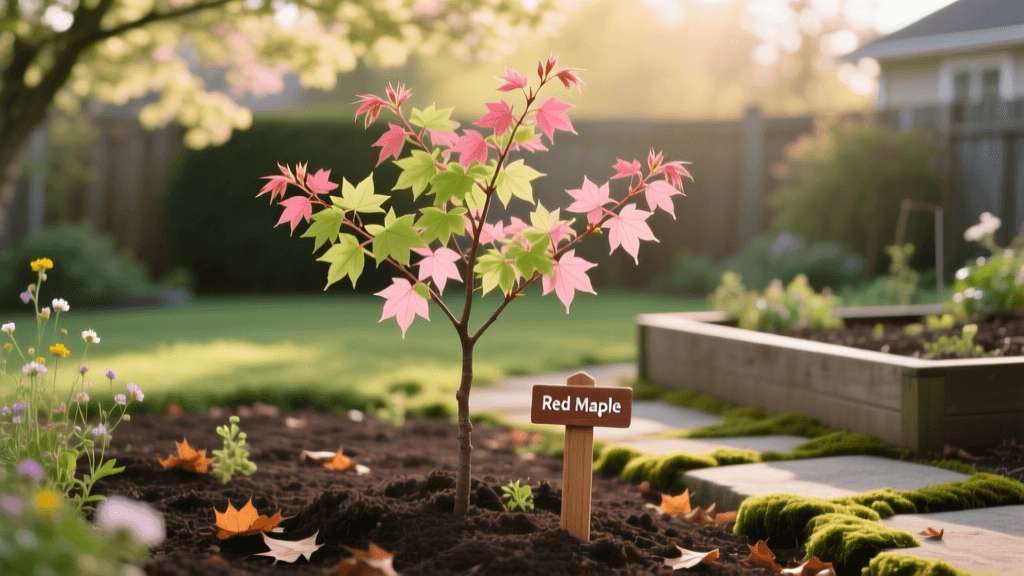
Inspect the main trunk for signs of mechanical damage from string trimmers or lawnmowers, as these wounds serve as entry points for overwintering pathogens. Look closely for D-shaped exit holes, which are the telltale sign of the destructive Emerald Ash Borer. Check for bark sloughing, oozing sap, or sunken cankers, which may indicate diseases like Cytospora canker or Fire Blight. For young trees with thin bark, such as Red Maples, Honeylocusts, and Crabapples, examine the lower trunk for existing frost cracks or sunscald damage from previous winters.
Root Zone and Soil Analysis
The health of a tree canopy is a direct reflection of its root system. Examine the soil within the tree dripline. Are there mushrooms or fungal fruiting bodies growing near the root flare? Species like Armillaria mellea, commonly known as honey fungus, indicate advanced root rot, severely weakening the tree anchorage. Ensure that the root flare, the area where the trunk expands at the base, is visible. If the tree looks like a telephone pole planted directly into the ground, it is suffering from improper planting depth or excessive mulch buildup, which suffocates roots and invites girdling root growth.
Step 2: Essential Winterization Techniques
Once the assessment is complete, it is time to implement proactive winterization measures. These steps mitigate environmental stress and protect the tree vital systems.
Deep Hydration Before the Freeze
Winter desiccation is a leading cause of tree mortality, particularly for evergreens and newly planted specimens. When the ground freezes, roots can no longer uptake water, but the canopy continues to lose moisture through transpiration on windy, sunny winter days. To prevent this, deeply water your trees until the ground freezes solid. The general rule of thumb is to apply 10 gallons of water per inch of trunk diameter measured at knee height. Use a soaker hose or a slow-release watering bag, such as the Treegator, to ensure the water penetrates deeply into the top 12 inches of soil where the absorbing roots reside.
Proper Mulching for Thermal Regulation
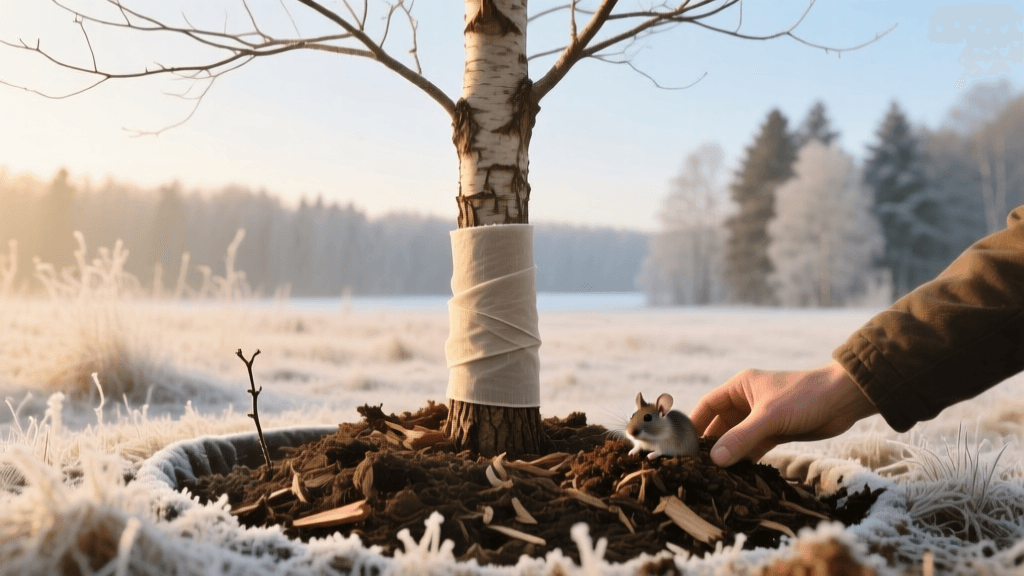
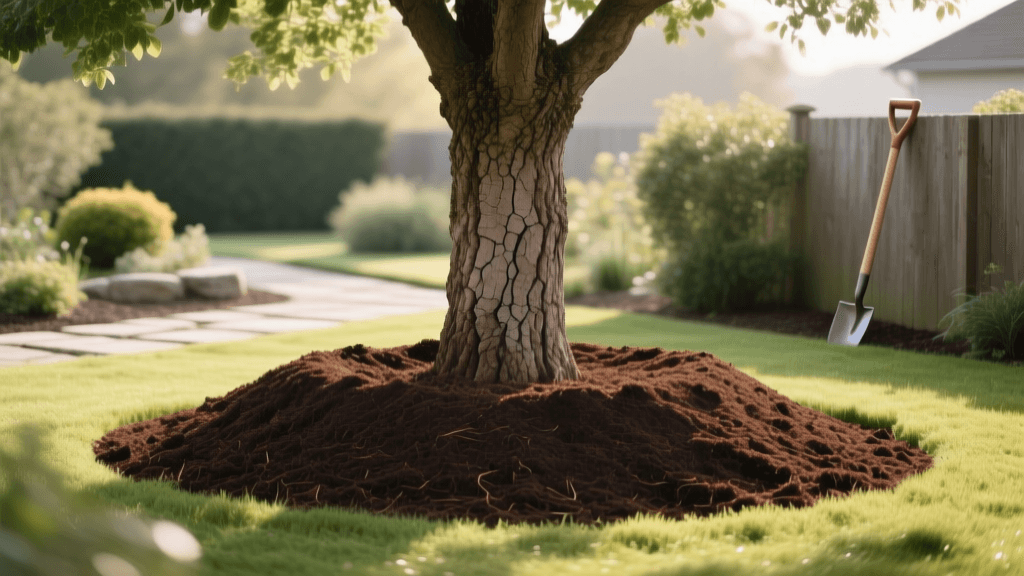
Mulch acts as an insulating blanket, moderating soil temperature fluctuations and retaining crucial moisture. However, improper mulching can be fatal. Never practice volcano mulching, which involves piling mulch against the trunk. This traps moisture against the bark, promoting rot and providing a warm habitat for bark-gnawing rodents. Instead, apply a 2 to 4-inch layer of coarse arborist wood chips or shredded hardwood bark. Keep the mulch at least 3 to 5 inches away from the base of the trunk, exposing the root flare. Extend the mulch ring out to the dripline if possible, or at least a 3-foot radius for younger trees.
Trunk Wrapping to Prevent Sunscald
Sunscald occurs when the winter sun warms the bark of thin-skinned trees on cold days, stimulating cellular activity. When the sun sets and temperatures plummet, the active cells freeze and rupture, causing vertical bark splitting. To prevent this, wrap the trunks of vulnerable young trees with a commercial, breathable tree wrap, such as Dalen ProTect or standard crepe-paper arborist wrap. Start wrapping at the base and overlap the layers as you move up to the first scaffold branch. Remove the wrap in early spring to prevent girdling and pest harborage.
Step 3: Protecting Trees from Winter Pests and Wildlife
Winter drives hungry wildlife toward your landscape. Voles, rabbits, and deer can strip bark and girdle young trees, effectively killing them. To protect against rodents, install a cylinder of 1/4-inch galvanized hardware cloth around the base of the trunk. Bury the bottom edge 2 inches into the soil and ensure the top extends at least 18 inches above the anticipated snow line. For deer browsing, apply a high-quality, weather-resistant repellent like Liquid Fence or Plantskydd in late fall before the first heavy snow. Additionally, applying a dormant horticultural oil, such as Bonide All Seasons Horticultural Oil, to the branches will smother overwintering eggs of aphids, scale insects, and spider mites. Apply the oil when temperatures are above 40 degrees Fahrenheit and no rain or freezing conditions are expected for at least 24 hours.
Late Fall Tree Maintenance Schedule and Cost Chart
Planning your budget and schedule is essential for effective landscape management. The following table outlines common late fall tree care tasks, their optimal timing, and estimated costs for both DIY enthusiasts and those hiring certified arborists.
| Maintenance Task | Optimal Timing | Estimated DIY Cost | Professional Service Cost |
|---|---|---|---|
| Deep Root Watering | Late Oct to Nov (Before freeze) | $10 to $20 (Water bill) | $50 to $100 per tree |
| Mulch Refresh and Root Flare Excavation | November | $30 to $60 (Materials) | $150 to $300 per tree |
| Dormant Structural Pruning | Dec to Feb (Full dormancy) | $50 to $150 (Tools) | $250 to $800+ per tree |
| Trunk Wrapping and Rodent Guard Install | November | $15 to $30 (Materials) | $75 to $125 per tree |
| Dormant Horticultural Oil Application | Late Feb to Early March | $20 to $40 (Oil and Sprayer) | $100 to $250 per tree |
Expert Insights and Authoritative Citations
Proper tree care relies on scientifically backed methodologies rather than landscaping myths. According to the University of Minnesota Extension, fall watering is crucial, especially for evergreens and newly planted trees, as it ensures the plant enters winter with adequate moisture reserves to prevent desiccation. They emphasize that watering should continue until the soil freezes, which typically occurs in late November or early December in northern climates.
Furthermore, the International Society of Arboriculture (ISA) strongly advocates for the donut mulching method over the volcano method. Their consumer guidelines state that excessive mulch against the trunk can lead to stem girdling roots, which eventually strangle the tree vascular system. By maintaining a 3-inch gap between the mulch and the trunk, homeowners can drastically improve the long-term health and stability of their landscape trees.
By dedicating a single weekend in late fall to these assessment and winterization protocols, you safeguard your investment, prevent costly emergency storm damage removals, and set the stage for a vibrant, vigorous flush of spring growth.