Lawn Care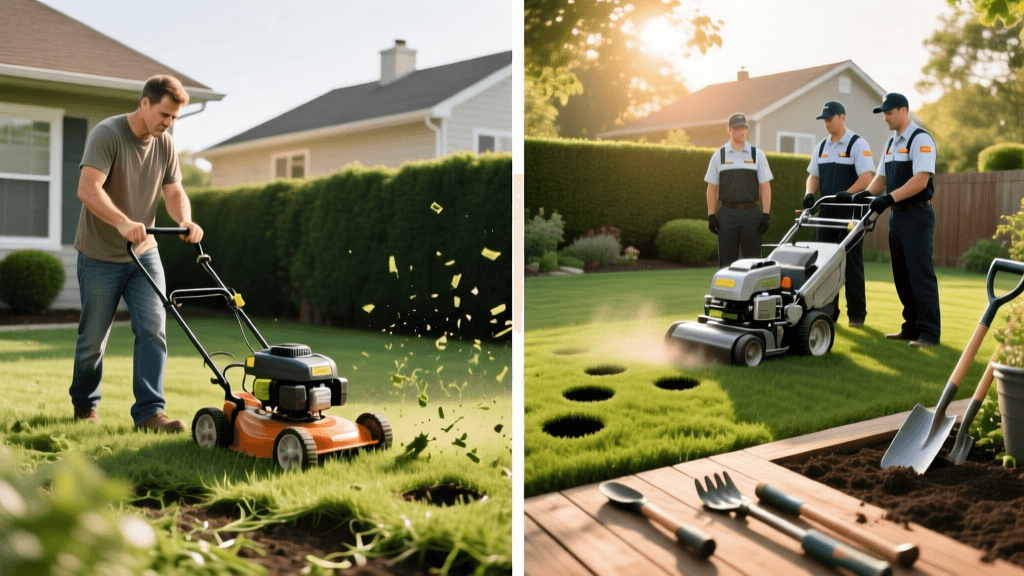
Lawn Aeration Cost Guide: DIY vs Professional Pricing
Introduction: The True Value of Lawn Aeration
Over time, foot traffic, heavy mowing equipment, and natural settling cause soil beneath your lawn to become densely compacted. This compaction suffocates grassroots, prevents water infiltration, and creates a hostile environment for essential soil microbes. Lawn aeration—the process of perforating the soil with small holes to allow air, water, and nutrients to penetrate the root zone—is the ultimate remedy. But when it comes time to schedule this vital maintenance, homeowners are faced with a common dilemma: should you rent a machine and tackle it yourself, or hire a professional landscaping service?
Understanding the true cost of lawn aeration requires looking beyond the sticker price. While a DIY approach might seem cheaper on paper, hidden expenses like equipment transport, fuel, and the immense physical labor involved can quickly erode your savings. Conversely, professional services offer convenience and commercial-grade results, but at a premium hourly or per-square-foot rate. In this comprehensive pricing guide, we will break down the exact costs of both routes, analyze the hidden fees, and help you determine which option provides the best return on investment for your specific yard.
The Breakdown: Professional Lawn Aeration Costs
Hiring a professional lawn care company to aerate your yard is the most popular choice for homeowners, primarily due to the heavy, cumbersome nature of the equipment required. Professionals use commercial-grade core aerators that pull deep, uniform plugs of soil from the ground, effectively relieving compaction without damaging the turf structure.
National Averages and Per-Square-Foot Pricing
On a national scale, the average cost to hire a professional for lawn aeration ranges from $150 to $300 for a standard suburban lot (roughly 1/4 to 1/2 an acre). Most companies price their services based on the total square footage of the turf area. You can expect to pay between $0.05 and $0.15 per square foot. However, many companies enforce a minimum call-out fee, usually around $75 to $100, meaning even very small yards will hit a baseline price threshold.
- Small Yards (Under 5,000 sq. ft.): $75 - $120 (Often subject to minimum service fees)
- Medium Yards (5,000 - 10,000 sq. ft.): $120 - $200
- Large Yards (10,000 - 20,000 sq. ft.): $200 - $350
- Estate Properties (1+ Acres): $350 - $600+
The DIY Route: Equipment Rental and Hidden Costs
If you are physically fit, have access to a pickup truck, and enjoy weekend projects, renting a core aerator from a local hardware store or equipment rental yard is a viable option. However, the advertised rental rate is rarely the final price you pay.
The True Cost of Renting an Aerator
A standard walk-behind core aerator rental typically costs between $70 and $100 for a half-day (4 hours), or $100 to $150 for a full day. While this appears significantly cheaper than a $250 professional quote, you must factor in the logistical hurdles. Core aerators weigh between 250 and 400 pounds. You cannot fit one in the trunk of a sedan; you will need a pickup truck or a trailer. If you do not own one, renting a utility trailer or a small pickup truck can add $50 to $150 to your total bill.
Furthermore, you must account for fuel (these machines are gas-guzzlers), the cost of a helper (loading and unloading a 300-pound vibrating machine is a two-person job), and the physical toll. According to turfgrass experts at the University of California Agriculture and Natural Resources, proper core aeration requires the soil to be adequately moist but not muddy. This means you must deeply water your lawn 24 to 48 hours before renting the machine, adding a minor cost to your water bill and requiring precise timing.
Beware of the 'Spike Aerator' Trap
When researching DIY options, you will inevitably find manual spike aerators, aerator shoes, and tow-behind spike rollers priced between $20 and $60. Avoid these. Spike aerators simply poke holes into the ground, which actually pushes the surrounding soil outward and worsens lateral compaction. True relief from soil compaction requires core aeration, which physically removes a plug of soil. The money saved on a cheap spike aerator is entirely wasted, as it provides zero agronomic benefit to your lawn.
Cost Comparison: DIY vs. Professional Aeration
To visualize the financial differences, review the comparison table below. This chart assumes a medium-density suburban soil profile and factors in the hidden logistical costs of the DIY route.
| Yard Size (Turf Area) | DIY Rental Cost (Machine + Gas + Transport) | Professional Service Cost | Time & Labor Investment |
|---|---|---|---|
| 1/4 Acre (~10,000 sq ft) | $90 - $140 | $150 - $200 | DIY: 4-6 Hours / Pro: 1 Hour |
| 1/2 Acre (~20,000 sq ft) | $120 - $180 | $250 - $350 | DIY: 6-9 Hours / Pro: 2 Hours |
| 1 Acre (~43,000 sq ft) | $180 - $250 (Multi-day rental) | $450 - $650 | DIY: 2 Full Days / Pro: 4 Hours |
Factors That Influence Your Final Aeration Bill
Whether you choose to DIY or hire a pro, several variables can push your costs toward the higher end of the spectrum.
Soil Compaction and Terrain
Lawns with heavy clay soil or severe compaction may require a double-pass aeration. This involves running the aerator over the lawn once in a horizontal pattern and a second time in a vertical pattern. Professionals typically charge an additional 40% to 50% for a double pass due to the extra time and machine wear. Similarly, steep slopes or yards with numerous obstacles (trees, garden beds, hardscaping) slow down the process and may incur a terrain surcharge.
Bundling with Overseeding and Fertilization
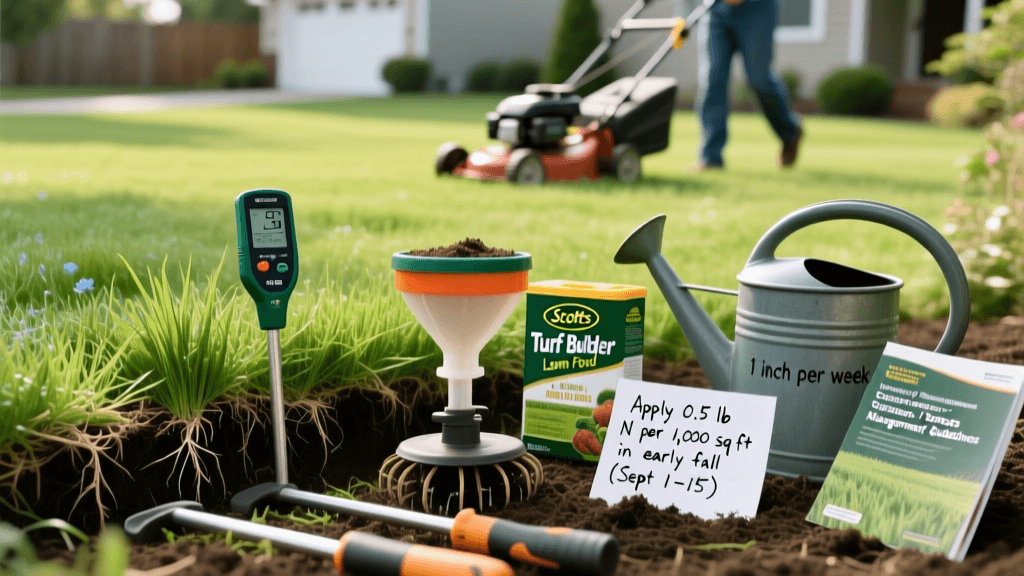
Aeration is rarely performed in isolation. It is the perfect precursor to overseeding and fertilizing, as the open holes provide direct seed-to-soil contact and allow nutrients to reach the root zone immediately. If you bundle aeration with overseeding, expect to add $150 to $400 to your professional bill, depending on the square footage and the quality of the grass seed used. For DIYers, a 50lb bag of premium tall fescue or Kentucky bluegrass seed will cost between $150 and $250, plus the cost of a starter fertilizer.
Sprinkler Head and Utility Marking
Aeration machines are heavy and feature metal tines that plunge 3 to 4 inches into the earth. Hitting a shallow irrigation line or a sprinkler head can result in hundreds of dollars in repair costs. Professionals will usually flag visible heads, but it is the homeowner's responsibility to call the national 'Call Before You Dig' hotline (811) to have public utility lines marked for free. Failing to do so can turn a $200 aeration job into a $2,000 plumbing disaster.
Is the Investment Worth It? The ROI of Aeration
When evaluating the cost of lawn aeration, it is crucial to consider the long-term return on investment. Compacted soil repels water, leading to massive runoff and wasted utility bills. By relieving compaction, you drastically improve your soil's water infiltration rate. The Environmental Protection Agency (EPA) WaterSense program notes that efficient water absorption is critical for reducing outdoor water waste, which accounts for nearly a third of all residential water use in the United States. An aerated lawn requires less frequent, deeper watering, saving you money on your monthly water bill throughout the summer.
Additionally, aeration maximizes the efficacy of your fertilizers. Instead of washing away over the surface of compacted dirt, granular and liquid fertilizers are drawn directly into the aeration holes, feeding the roots where it matters most. This leads to a thicker, more vigorous turf that naturally chokes out weeds, reducing your need for expensive chemical herbicides in the following seasons.
Final Verdict: Which Route Should You Choose?
Choose the DIY Route if: You have a relatively flat, small-to-medium yard, own a pickup truck, have a strong back, and can recruit a friend to help you load and unload a 300-pound machine. The financial savings are real, provided you already have the necessary transport and physical capability.
Hire a Professional if: You have a large property, severe slopes, heavy clay soil requiring a double-pass, or if you simply value your weekend time. The convenience of having a commercial-grade machine operated by an insured technician—often completed in under an hour—makes the $150 to $300 premium entirely worthwhile for the majority of homeowners. Furthermore, bundling the service with professional overseeding ensures your lawn receives a comprehensive, scientifically timed renovation that will pay dividends in curb appeal and turf health for years to come.