Lawn Care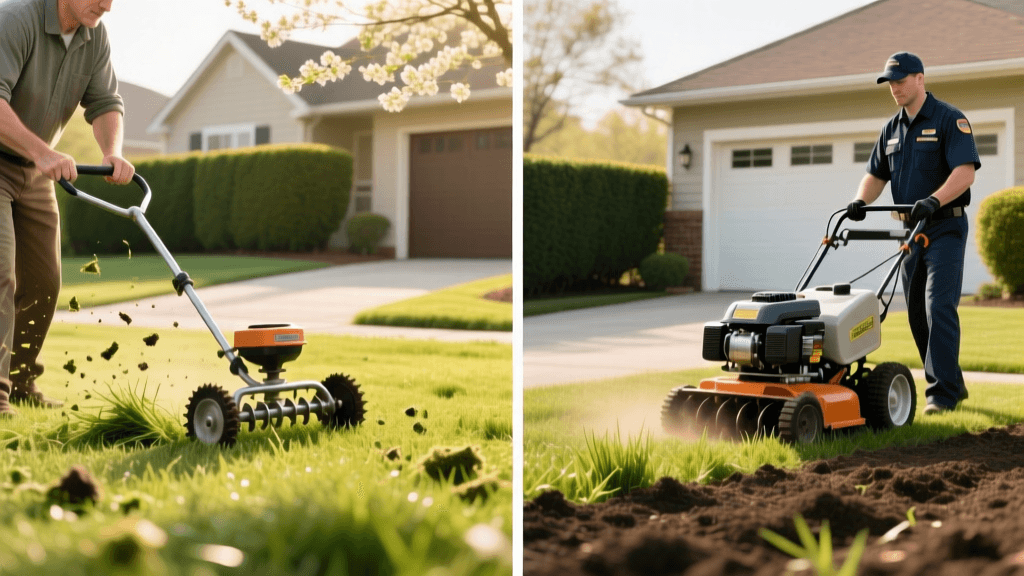
Lawn Aeration Cost Guide: DIY vs Professional Pricing
The Hidden Value of Lawn Aeration
Every homeowner wants a lush, vibrant, and resilient lawn, but achieving that picture-perfect landscape requires more than just regular mowing and watering. Over time, soil becomes compacted due to foot traffic, heavy equipment, and natural settling. This compaction chokes grassroots, preventing essential oxygen, water, and nutrients from penetrating the soil profile. Lawn aeration is the proven solution to this common problem, but when it comes to budgeting for this crucial maintenance task, homeowners are often faced with a dilemma: should you rent an aerator and do it yourself, or hire a professional landscaping service?
Understanding the true cost of lawn aeration requires looking beyond the sticker price. According to Penn State Extension, core aeration is essential for relieving soil compaction and managing thatch buildup, ultimately leading to a deeper, more drought-resistant root system. However, the financial investment varies wildly based on your lawn size, regional labor rates, and the hidden costs associated with DIY equipment rental. In this comprehensive pricing guide, we will break down the exact costs of professional lawn aeration versus the DIY route, helping you make the most cost-effective decision for your specific yard.
Professional Lawn Aeration Costs Breakdown
Hiring a professional lawn care company to aerate your yard is the most convenient and physically effortless option. Professionals use commercial-grade, walk-behind core aerators that are significantly heavier and more effective than the consumer-grade models available at local hardware stores. The added weight ensures the tines penetrate deeply into compacted soil, pulling out substantial plugs that break down thatch and improve soil structure.
On average, professional lawn aeration costs between $0.10 and $0.35 per square foot. However, most companies do not price strictly by the square foot; instead, they use tiered pricing based on overall lot size or charge a minimum service fee (often called a 'trip charge') to cover the cost of mobilizing their crew and heavy equipment.
Average Professional Aeration Costs by Lawn Size
| Lawn Size (Acres) | Estimated Square Footage | Average Professional Cost |
|---|---|---|
| 1/8 Acre | ~5,400 sq ft | $125 - $175 |
| 1/4 Acre | ~10,800 sq ft | $150 - $225 |
| 1/2 Acre | ~21,700 sq ft | $225 - $350 |
| 1 Acre | ~43,500 sq ft | $350 - $600+ |
Factors That Influence Professional Pricing
- Regional Labor Rates: Landscaping services in the Northeast and West Coast typically charge 20% to 30% more than those in the Midwest or South due to higher operational costs.
- Terrain and Obstacles: Yards with steep slopes, numerous garden beds, or tight gates that prevent easy access for commercial aerators may incur additional manual labor fees.
- Soil Condition: Extremely hard, clay-heavy soils may require double-pass aeration, which can increase the total quote by 30% to 50%.
The True Cost of DIY Lawn Aeration
At first glance, the DIY route appears to be the clear winner for budget-conscious homeowners. Renting a core aerator from a local home improvement store typically costs between $70 and $100 for a four-hour window, or $125 to $160 for a full day. However, the rental fee is only a fraction of the true cost of DIY aeration. To accurately compare DIY to professional services, you must factor in the hidden logistical and physical expenses.
Hidden DIY Expenses to Budget For
1. Transportation and Vehicle Rental: Commercial aerators weigh between 200 and 300 pounds. They will not fit in a standard sedan or small SUV. If you do not own a pickup truck or a suitable trailer, you will need to rent one. A standard pickup truck rental from a hardware store or moving company can add $50 to $100 to your total bill, plus the cost of tie-down straps and ramps.
2. Fuel Costs: Rental aerators are gas-powered and notoriously thirsty. Expect to spend $15 to $25 on premium unleaded fuel to keep the machine running throughout the day, as rental companies often require you to return the tank full.
3. The Physical Toll and Time: Maneuvering a 250-pound vibrating machine across an uneven lawn is exhausting. What a professional crew can accomplish in 45 minutes might take an amateur an entire weekend of grueling labor, including loading, unloading, marking sprinkler heads, and the actual aeration process.
DIY vs. Professional Cost Comparison
| Cost Factor | DIY Aeration (1/4 Acre) | Professional Service (1/4 Acre) |
|---|---|---|
| Equipment / Service Fee | $130 (Daily Rental) | $185 (Average Quote) |
| Transportation / Truck Rental | $75 (If truck rental needed) | $0 (Included in service) |
| Fuel | $20 | $0 |
| Physical Labor / Time | 4-6 Hours (High Exertion) | 45 Minutes (Zero Exertion) |
| Total Estimated Cost | $225 | $185 |
As the table illustrates, DIY aeration is not always cheaper than hiring a professional, especially if you lack the proper transportation equipment. The DIY route only yields significant financial savings if you already own a pickup truck, have a neighbor who can help you load the heavy machine, and possess the physical stamina to operate it safely.
Essential Add-Ons: Overseeding and Fertilization
When budgeting for aeration, it is a critical mistake to view the service in isolation. The University of Minnesota Extension strongly recommends pairing core aeration with overseeding and fertilization. The holes created by the aerator provide the perfect micro-environment for grass seed to make direct soil contact, drastically improving germination rates compared to broadcasting seed over an existing lawn.
Overseeding Costs: High-quality, weed-free grass seed costs between $6 and $12 per pound. A standard 1/4 acre lawn undergoing aeration and overseeding will require approximately 20 to 30 pounds of seed, adding $120 to $360 to your project budget. Whether you DIY or hire a pro, this seed cost remains relatively constant, though professionals may charge an additional labor fee of $100 to $200 for the application.
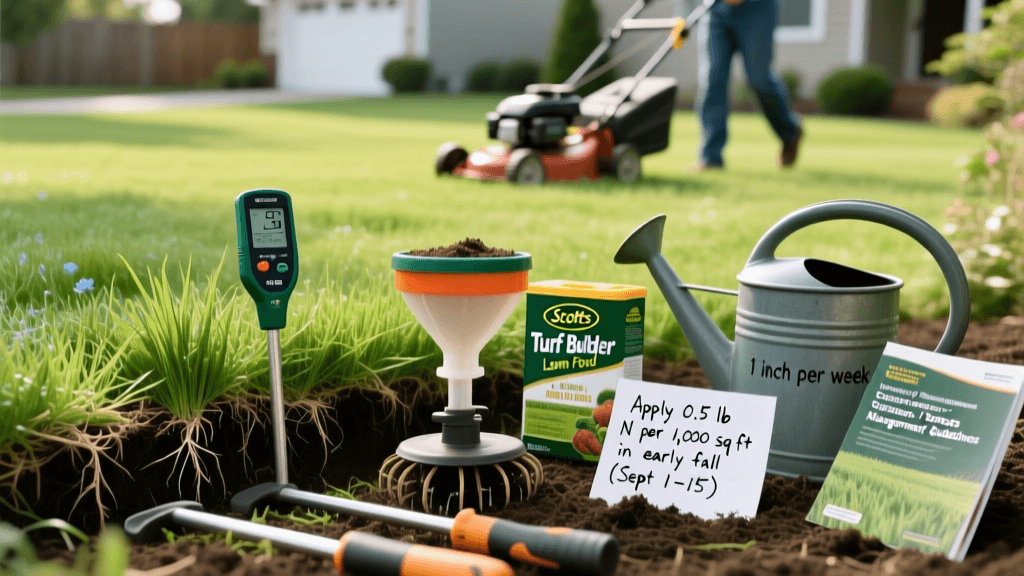
Starter Fertilizer: Applying a high-phosphorus starter fertilizer immediately after aeration and seeding promotes rapid root development. Budget an additional $40 to $80 for a premium starter fertilizer suitable for your lawn's square footage.
Spike vs. Core Aeration: A Cost-Effective Warning
When shopping for aeration tools or services, you will encounter 'spike aeration' as a cheaper alternative. Spike aerators simply poke holes into the ground using solid tines. While you can buy a manual spike aerator shoe attachment for under $30, or a tow-behind spike roller for $60, turfgrass scientists universally advise against them for severely compacted lawns. Spike aeration actually worsens lateral soil compaction by pushing the surrounding dirt tighter together. Core aeration, which physically removes a plug of soil, is the only method that genuinely relieves compaction. Do not waste money on spike aeration if your goal is long-term soil health; the short-term savings will cost you dearly in poor grass performance and wasted seed.
Expert Tips for Maximizing Your Aeration Budget
Whether you decide to tackle the project yourself or hire a local landscaping crew, there are several proven strategies to stretch your lawn care budget:
- Neighborhood Group Discounts: Professional aeration companies incur massive mobilization costs moving heavy aerators from house to house. If you coordinate with three or four neighbors to have your lawns aerated on the same day, most companies will offer a 15% to 20% neighborhood discount since they eliminate travel time and fuel costs.
- Optimal Timing: Cool-season grasses (like Kentucky Bluegrass and Fescue) should be aerated in early fall, while warm-season grasses (like Bermuda and Zoysia) require aeration in late spring. Booking during the exact right agronomic window ensures your investment yields maximum biological returns.
- Water Heavily 24 Hours Prior: Core aerators cannot penetrate bone-dry, sun-baked soil. If the ground is too hard, the machine will simply bounce off the surface, rendering your rental fee or professional payment useless. Water your lawn deeply the day before aeration to soften the soil, ensuring the tines can extract deep, 3-inch plugs.
- Leave the Plugs: Do not pay for or spend time raking up the soil plugs left on your lawn. They contain valuable microorganisms and will break down naturally within a few weeks, returning topsoil and nutrients back into the thatch layer.
The Final Verdict: Which Route Should You Take?
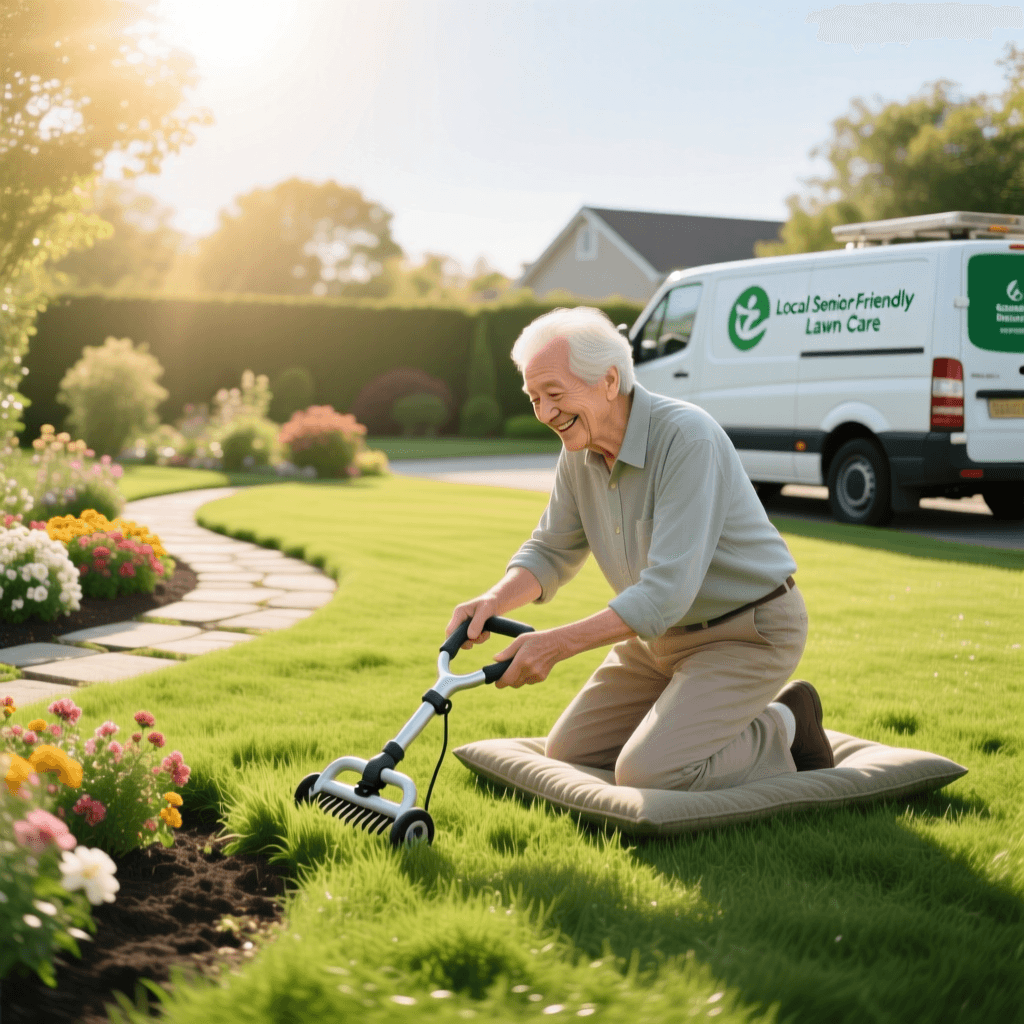
Ultimately, the decision between DIY and professional lawn aeration hinges on your physical capability, access to transportation, and the size of your property. For small, flat urban lots under 5,000 square feet, renting an aerator and enlisting a friend to help load it into a borrowed truck is a highly cost-effective weekend project. However, for suburban lots exceeding 1/4 acre, properties with sloping terrain, or homeowners lacking heavy-duty vehicles, hiring a licensed professional is often surprisingly competitive in price and vastly superior in execution. By understanding the complete financial picture, you can confidently invest in the aeration method that will deliver a thicker, greener, and healthier lawn for years to come.