Lawn Care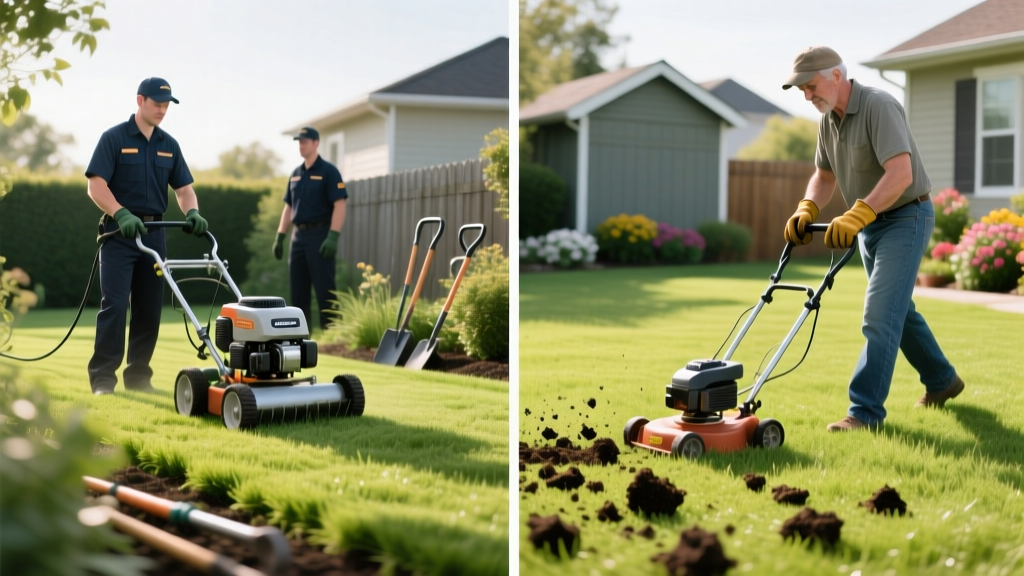
Lawn Aeration Cost Guide: Professional vs DIY Rental
Sarah ChenPublished
Understanding the Value of Lawn Aeration
Every homeowner desires a lush, carpet-like lawn, but achieving that pristine look requires more than just regular mowing and watering. Over time, foot traffic, heavy equipment, and natural settling cause soil particles to compress, creating a dense layer that chokes grassroots. This is where lawn aeration becomes essential. According to the University of Minnesota Extension, core aeration is the most effective way to relieve soil compaction and manage thatch buildup, allowing vital oxygen, water, and nutrients to penetrate the root zone.
Furthermore, the Environmental Protection Agency (EPA) highlights that aerated soil significantly improves water infiltration, reducing wasteful runoff and promoting deeper, more drought-resistant root growth. But when it comes time to schedule this crucial maintenance, homeowners are faced with a common dilemma: should you hire a professional landscaping service or rent a machine and tackle it yourself? This comprehensive pricing guide breaks down the true costs, hidden fees, and labor investments of both professional and DIY lawn aeration.
Professional Lawn Aeration Pricing Breakdown
Hiring a professional lawn care company to aerate your yard is the most convenient and reliable option. Professionals use commercial-grade, stand-on or heavy-duty walk-behind core aerators that extract deep, consistent soil plugs. Most companies price their services based on the total square footage of your lawn, though many enforce a minimum trip charge to cover fuel, equipment transport, and labor.
On a national level, professional core aeration typically costs between $0.04 and $0.08 per square foot. However, regional labor rates, the accessibility of your yard, and the current condition of your soil can cause these prices to fluctuate. Below is a general pricing tier for professional standalone aeration services:
- Small Lawns (Under 2,000 sq ft): $75 to $150 (Often subject to a minimum service fee of $100+)
- Medium Lawns (2,000 to 5,000 sq ft): $125 to $250
- Large Lawns (5,000 to 10,000 sq ft): $200 to $400
- Estate Lawns (10,000+ sq ft): $350 to $600+
It is important to note that these prices generally cover the aeration process only. The crew will arrive, run the machine over your turf in a cross-hatch pattern for maximum coverage, and leave the extracted soil plugs on the lawn to decompose naturally.
The Real Cost of DIY Aerator Rentals
Many homeowners look at the professional quote and immediately head to their local hardware store to rent a machine, assuming they will save hundreds of dollars. While the base rental rate might seem like a bargain, the true cost of DIY aeration involves several hidden expenses that quickly add up.
The average daily rental rate for a walk-behind core aerator from a big-box home improvement store or a local equipment rental yard ranges from $70 to $120 for a four-hour or half-day window. However, you must also factor in the logistics of moving a machine that weighs between 200 and 300 pounds. If you do not own a heavy-duty pickup truck and loading ramps, you will need to rent a vehicle or pay for delivery, which can add $50 to $150 to your total bill.
Additionally, rental machines require gasoline, and you will likely spend $15 to $25 filling the tank. You must also account for the physical toll. Operating a heavy, vibrating, self-propelled aerator requires immense upper body strength, especially when turning around at the end of a pass or navigating sloped terrain. What seems like a simple afternoon chore often turns into a grueling, multi-hour physical ordeal.
Head-to-Head Cost and Value Comparison
To help you visualize the financial and practical differences between the two routes, review the comparison table below based on an average 5,000-square-foot lawn:
| Feature | Professional Service | DIY Rental |
|---|---|---|
| Base Equipment Cost | $200 - $250 (Included in service) | $70 - $120 (Half-day rental) |
| Transport & Fuel | $0 (Covered by company) | $20 - $75 (Gas + truck rental/ramps) |
| Total Estimated Cost | $200 - $250 | $90 - $195 |
| Equipment Quality | Commercial-grade, deep 3-inch tines | Consumer-grade, varying maintenance |
| Time Investment | 1 hour (Supervision only) | 4 - 6 hours (Transport, labor, cleanup) |
| Physical Effort | None | Extremely High (Wrestling 250lb machine) |
| Risk of Property Damage | Low (Insured professionals) | High (Unmarked sprinklers, driveway damage) |
Crucial Add-On Services to Consider
Aeration is rarely a standalone treatment. In the lawn care industry, aeration is viewed as a preparatory step that opens the soil profile for maximum nutrient and seed absorption. Whether you hire a pro or do it yourself, you should budget for the following highly recommended add-ons:
- Overseeding ($100 - $300 extra): Dropping grass seed immediately after aeration allows seeds to fall into the aeration holes, creating direct seed-to-soil contact. Professionals charge a premium for high-quality, weed-free seed blends and the labor to spread them evenly.
- Starter Fertilizer ($50 - $120 extra): Applying a phosphorus-rich starter fertilizer right after aeration and overseeding gives new and existing grass the nutrients required to establish deep roots before winter dormancy or summer heat stress.
- Topdressing ($200 - $500+ extra): Some premium lawn care services offer topdressing with compost or fine sand immediately after aeration to further improve soil structure and level out minor yard imperfections.
The Hidden Labor: Preparation and Cleanup
The price tag on a rental agreement does not include the mandatory preparation required to safely aerate a lawn. Before any machine touches the grass, you must meticulously flag every sprinkler head, shallow valve box, and invisible dog fence wire. Hitting a single sprinkler head with a 250-pound aerator can result in $50 to $150 in plumbing repair costs, instantly wiping out any money you saved by choosing the DIY route.
Furthermore, the soil must be properly hydrated. You will need to water your lawn deeply 24 to 48 hours before aeration so the tines can penetrate the soil and extract clean plugs. If the ground is too dry, the machine will simply bounce off the surface; if it is too wet, the tines will clog with mud, forcing you to stop and clean them out manually every few feet.
After the job is done, you are left with thousands of dirt plugs scattered across your yard. While professionals advise leaving them to decompose, DIYers often feel compelled to rake and bag them, adding another two hours of backbreaking labor to the weekend.
Pro Tip: Never use a 'spike' aerator or aerator sandals on your lawn. Spike aeration simply pokes holes in the ground, which actually increases soil compaction along the sides of the holes. Always opt for 'core' or 'plug' aeration, which physically removes soil from the ground to relieve pressure.
Making the Right Choice for Your Lawn
Deciding between professional and DIY aeration ultimately comes down to your budget, physical capability, and available time. If you have a small, flat, easily accessible yard under 3,000 square feet, and you already own a pickup truck and loading ramps, renting a machine can save you roughly $100. It is a viable weekend project for those who enjoy hands-on yard work and are prepared for a strenuous workout.
However, if your lawn is larger than 5,000 square feet, features steep slopes, or contains complex irrigation systems, hiring a professional is overwhelmingly the smarter financial and practical choice. The marginal savings of DIY are quickly eclipsed by the risk of equipment damage, personal injury, and the sheer exhaustion of operating heavy machinery. By hiring an insured professional, you guarantee that the job is done efficiently with commercial-grade equipment, leaving you free to enjoy a healthier, thicker lawn for years to come.