Lawn Care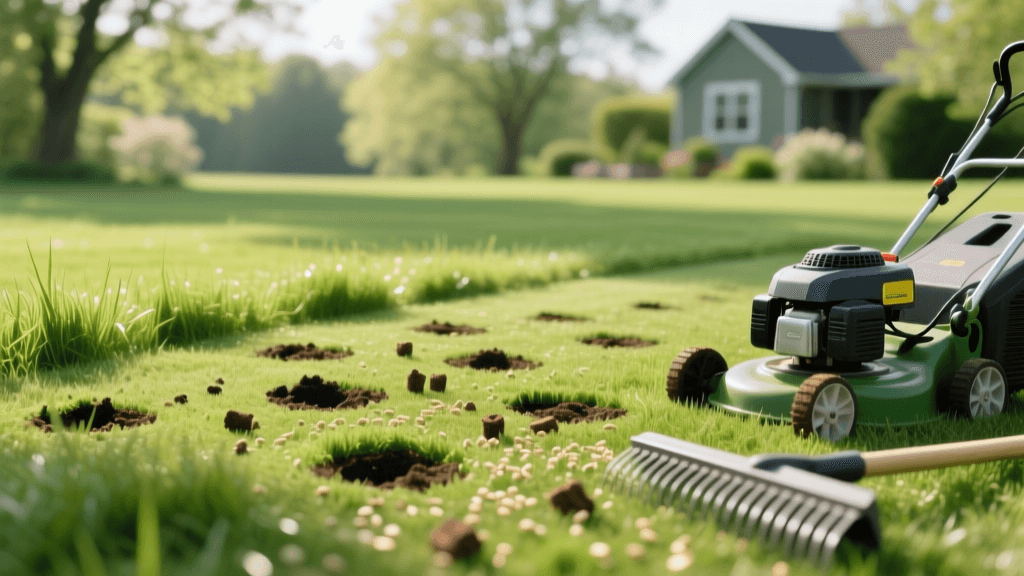
Expert Guide to Lawn Aeration and Overseeding Success
The Science Behind Core Aeration and Overseeding
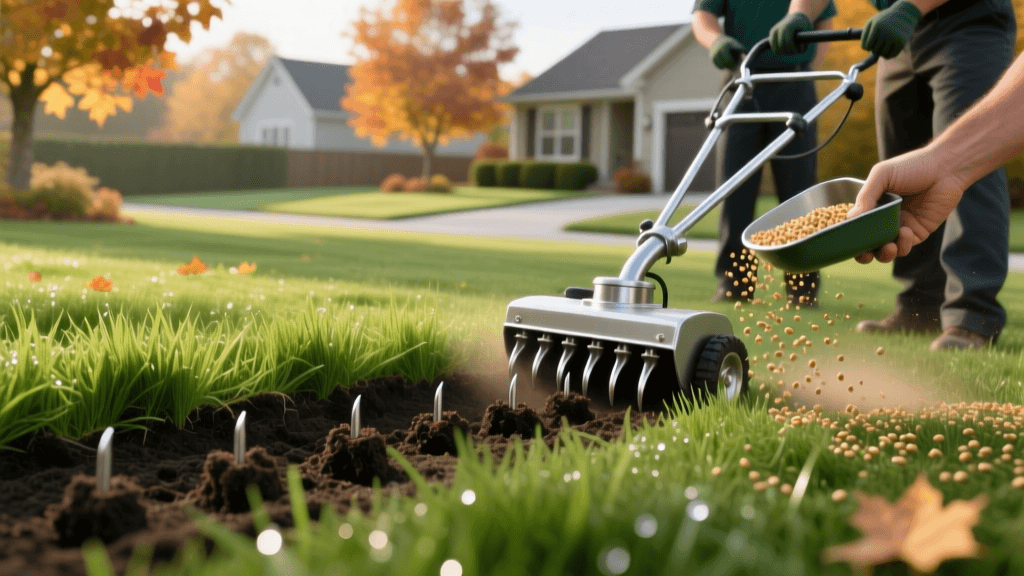
Achieving a dense, vibrant, and weed-resistant cool-season lawn requires more than just regular mowing and watering. Over time, foot traffic, heavy equipment, and natural settling cause soil compaction, which restricts the flow of oxygen, water, and essential nutrients to the root zone. Core aeration is the mechanical process of removing small plugs of soil and thatch from the lawn, effectively alleviating this compaction and creating micro-environments for root expansion.
Overseeding, when paired with aeration, is the ultimate best practice for turf renovation. By introducing new, improved grass cultivars directly into the aeration holes and existing turf canopy, homeowners can crowd out weeds, improve drought tolerance, and repair summer damage. According to turfgrass scientists, the combination of these two practices is the single most effective way to rejuvenate an aging or thinning lawn without resorting to a complete and costly tear-out and re-sodding.
Optimal Timing for Cool-Season Grasses
Timing is the most critical variable in the aeration and overseeding process. For cool-season grasses such as Kentucky Bluegrass, Tall Fescue, and Perennial Ryegrass, the absolute best time to perform these tasks is in the late summer to early fall. Specifically, the window between August 15 and September 15 is ideal for most northern and transition zones.
During this period, soil temperatures are still warm enough (around 70°F to 75°F) to promote rapid seed germination, while the cooling air temperatures reduce heat stress on young seedlings. Furthermore, fall's natural rainfall patterns and reduced competition from aggressive summer annual weeds like crabgrass give new turf the best chance to establish a deep root system before winter dormancy.
| Grass Type | Overseeding Rate (lbs/1,000 sq ft) | Best Aeration Window | Germination Time (Days) |
|---|---|---|---|
| Tall Fescue | 6.0 - 8.0 | Aug 15 - Sept 15 | 7 - 12 |
| Kentucky Bluegrass | 2.0 - 3.0 | Aug 15 - Sept 10 | 14 - 21 |
| Perennial Ryegrass | 4.0 - 6.0 | Aug 20 - Sept 15 | 5 - 10 |
Step-by-Step Expert Best Practices
Step 1: Soil Testing and Site Preparation
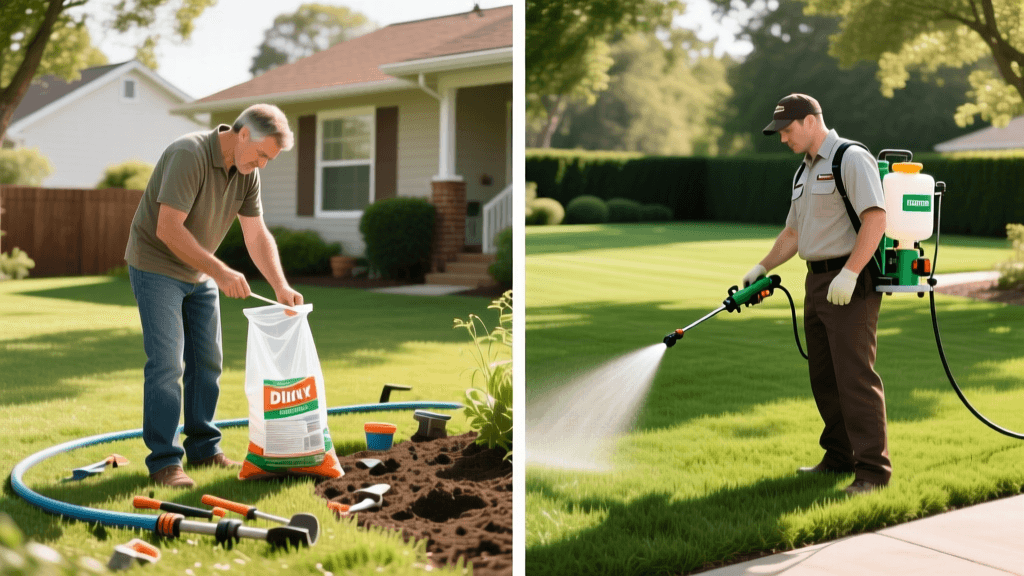
Before renting equipment, order a comprehensive soil test from a reputable lab like Logan Labs or your local university extension. This $15 to $30 investment will reveal your soil's pH and phosphorus levels, which are critical for seedling establishment. If your pH is below 6.0, apply pelletized lime at the recommended rate. To prepare the physical site, mow your existing lawn slightly shorter than usual, aiming for a height of 1.5 to 2 inches. This reduces the canopy barrier, allowing seeds to reach the soil surface. Crucially, flag all shallow sprinkler heads, invisible dog fences, and cable lines with high-visibility paint or flags to prevent catastrophic damage during aeration.
Step 2: Executing the Core Aeration
Water your lawn deeply 24 hours before aerating. The soil should be moist but not muddy; this ensures the aerator tines can penetrate deeply and pull intact cores. Rent a heavy-duty, walk-behind core aerator (brands like Billy Goat or Ryan) from a local equipment rental yard, which typically costs between $80 and $110 per day. Avoid spike aerators or aerator shoes, as these merely punch holes and can actually increase compaction along the hole walls.
Make at least two passes over the entire lawn. The first pass should be in one direction, and the second pass should be perpendicular (in a cross-hatch pattern). Your goal is to pull cores that are 2 to 3 inches deep and spaced about 2 to 3 inches apart. Leave the extracted soil plugs on the lawn; they will break down naturally over the next two to three weeks, returning beneficial microbes and topsoil to the thatch layer.
Step 3: Precision Overseeding
Select a high-quality seed blend that is certified weed-free and suited to your specific light conditions (e.g., a sun/shade mix). Look for cultivars rated highly by the National Turfgrass Evaluation Program (NTEP) for disease resistance. Using a broadcast spreader, apply the seed at the rates outlined in the table above. To ensure even coverage, split your seed application in half: spread the first half walking in horizontal lines, and the second half walking in vertical lines. After spreading, drag a piece of chain-link fence or a stiff rake lightly over the area to work the seed into the aeration holes and ensure vital seed-to-soil contact.
Step 4: Starter Fertilizer and Irrigation Protocols
New seedlings require high levels of phosphorus for rapid root development. Apply a specialized starter fertilizer, such as Scotts Turf Builder Starter Food for New Grass (24-25-4), immediately after seeding. Follow the label rates precisely, typically applying about 3.5 pounds per 1,000 square feet. Do not use standard weed-and-feed products or pre-emergent crabgrass preventers, as these will inhibit the germination of your new grass seed.
Watering is where most DIYers fail. For the first 14 to 21 days, the seedbed must remain consistently moist but not waterlogged. Set your irrigation system to water lightly for 10 to 15 minutes, two to three times per day (early morning, midday, and early afternoon). Once the seedlings reach 2 inches in height, gradually reduce the frequency of watering while increasing the duration to encourage deep root growth.
Post-Germination Care and Mowing
Patience is required when mowing a newly overseeded lawn. Wait until the new grass reaches approximately 3.5 to 4 inches in height before the first mowing. Ensure your mower blades are freshly sharpened to prevent tearing the delicate young grass blades. Follow the one-third rule: never remove more than one-third of the grass blade in a single mowing session. Continue to return clippings to the lawn to provide natural nitrogen, unless the clippings are excessively heavy and smothering the new seedlings.
Estimated Cost Breakdown for 5,000 Sq Ft Lawn
- Equipment Rental (Walk-behind Core Aerator): $90.00
- Premium Tall Fescue Seed (40 lbs): $120.00
- Starter Fertilizer (15 lbs): $35.00
- Soil Test & Amendments (if needed): $25.00
- Total Estimated DIY Cost: $270.00 (approx. $0.054 per sq ft)
Comparatively, hiring a professional lawn care service to perform aeration and overseeding typically costs between $0.10 and $0.15 per square foot, making the DIY route highly cost-effective for those willing to put in the physical labor.
Expert Insights and Authoritative Citations
"Core aeration should remove plugs of soil 2 to 3 inches deep and 0.5 to 0.75 inches in diameter to effectively alleviate compaction and allow oxygen to reach the root zone. Following aeration with overseeding takes advantage of the open holes, providing excellent seed-to-soil contact which is critical for germination and seedling survival."
— University of Minnesota Extension, Turfgrass Management Guidelines
This expert guidance underscores why simply scattering seed over a compacted, thatchy lawn results in poor germination rates and wasted money. The physical alteration of the soil profile via core aeration is the catalyst that makes overseeding successful.
Common Mistakes to Avoid
- Aerating Dry Soil: If the ground is too hard, the aerator tines will bounce off the surface, pulling shallow, ineffective plugs. Always water deeply beforehand.
- Burying the Seed: Grass seed needs sunlight and soil contact to germinate. Covering it with more than 1/4 inch of topsoil or compost will suffocate the seedlings.
- Ignoring the Weather Forecast: Avoid overseeding if a massive heatwave or heavy torrential rain is forecasted for the following week, as this will either scorch the seedlings or wash the seed away into storm drains.
- Applying Herbicides Too Soon: Wait until you have mowed the new grass at least three times before applying any broadleaf weed killers or selective herbicides, as young turf is highly susceptible to chemical damage.
By adhering to these expert best practices, homeowners can transform a tired, sparse lawn into a thick, resilient, and visually stunning turf that will endure the rigors of seasonal weather changes and heavy foot traffic for years to come.