Lawn Care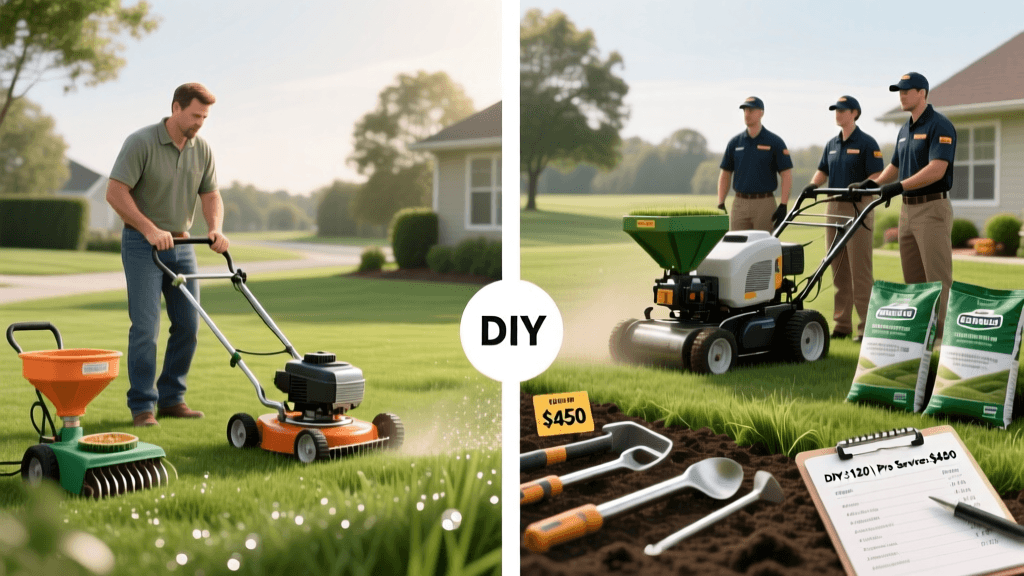
Annual Cost of Lawn Aeration and Overseeding: DIY vs Pro Guide
The True Cost of a Thicker, Healthier Lawn
Every homeowner dreams of a lush, carpet-like lawn, but achieving that pristine look requires more than just regular mowing and watering. Over time, soil becomes compacted, thatch builds up, and grass naturally thins out due to foot traffic, drought stress, and disease. The ultimate remedy for these common turf issues is the combination of core aeration and overseeding. However, when planning your annual lawn care budget, you are inevitably faced with a major financial decision: should you rent the equipment and do it yourself, or hire a professional landscaping service?
Budgeting for lawn maintenance requires a clear understanding of material costs, equipment rentals, and the value of your own time. In this comprehensive cost and budgeting guide, we will break down the exact expenses associated with DIY lawn aeration and overseeding versus hiring a professional crew. Whether you are maintaining a small urban yard or a sprawling suburban estate, this guide will help you allocate your landscaping dollars wisely.
Why Aeration and Overseeding Are Non-Negotiable
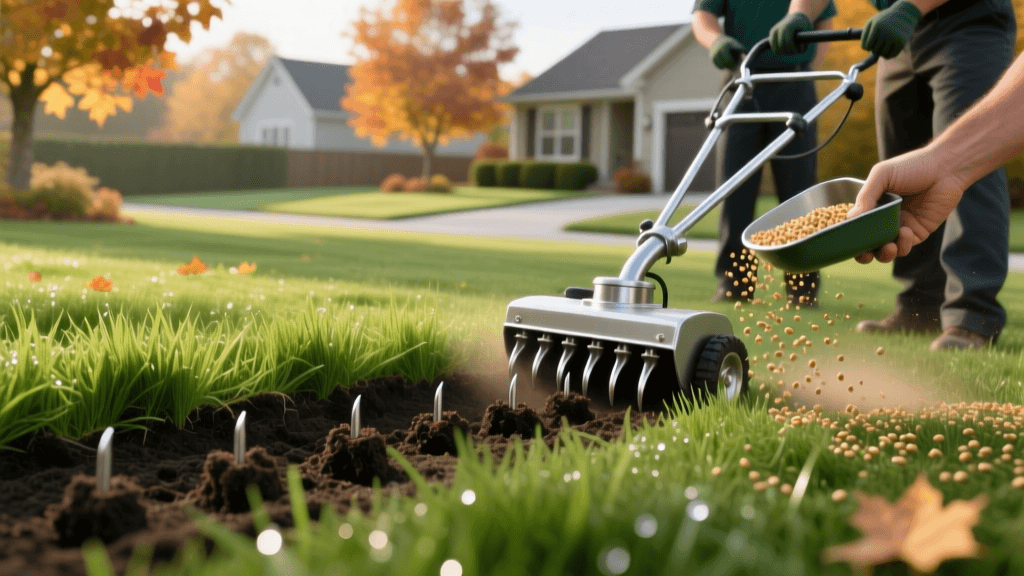
Before diving into the numbers, it is crucial to understand what you are paying for. Core aeration involves using a machine to extract small plugs of soil and thatch from your lawn. This process alleviates soil compaction, improves water infiltration, and allows oxygen to reach the root zone. Overseeding is the process of sowing new grass seed directly into the existing turf, filling in bare spots, and introducing newer, more disease-resistant grass varieties.
When performed together, the aeration holes provide the perfect, protected environment for new seeds to make soil contact and germinate. Skipping this annual or bi-annual service can lead to a lawn that is highly susceptible to weed invasion, drought damage, and thinning. For cool-season grasses like Tall Fescue and Kentucky Bluegrass, early fall is the optimal time. For warm-season grasses like Bermudagrass and Zoysia, late spring to early summer is ideal.
The DIY Route: Budgeting for Rental and Materials
Taking the DIY approach can save you money on labor, but it requires a significant investment of time, physical effort, and logistical planning. To accurately budget for a DIY aeration and overseeding project, you must account for three main categories: equipment rental, materials, and hidden logistical costs.
Equipment Rental Costs
You cannot effectively aerate a lawn with manual spike shoes; you need a gas-powered core aerator. Most local hardware stores and equipment rental centers offer these machines. The average cost to rent a walk-behind core aerator is between $80 and $120 for a four-hour window, or $150 to $250 for a full day. Because these machines are incredibly heavy (often weighing over 250 pounds) and require physical strength to maneuver, budgeting for a full day is highly recommended to avoid feeling rushed.
Seed and Material Costs
The cost of grass seed varies wildly depending on the turf type and quality. For a standard 5,000-square-foot lawn, you will need to purchase the following materials:
- Grass Seed: Tall Fescue typically costs $5 to $8 per pound, and you will need about 5 to 10 pounds per 1,000 square feet for overseeding. Kentucky Bluegrass costs $8 to $12 per pound but requires only 1 to 2 pounds per 1,000 square feet. Budget $60 to $120 for high-quality seed.
- Starter Fertilizer: New seed requires a fertilizer high in phosphorus to promote root growth (e.g., a 10-18-10 NPK ratio). A bag of Scotts Turf Builder Starter Food or a similar brand covering 5,000 square feet will cost around $40 to $55.
- Soil Amendments: If your soil test indicates a need for pH adjustment, budget $20 to $40 for fast-acting lime or elemental sulfur.
The Hidden Costs of DIY
Many homeowners forget to factor in the logistics of moving a 250-pound aerator. If you do not own a truck or a trailer, you will need to rent a utility trailer or a pickup truck from a hardware store, which can add $40 to $75 to your budget. Additionally, you must budget $15 to $25 for gasoline to run the aerator, and perhaps $20 for a heavy-duty tarp to protect your vehicle's interior from muddy soil plugs.
The Professional Route: What You Are Paying For
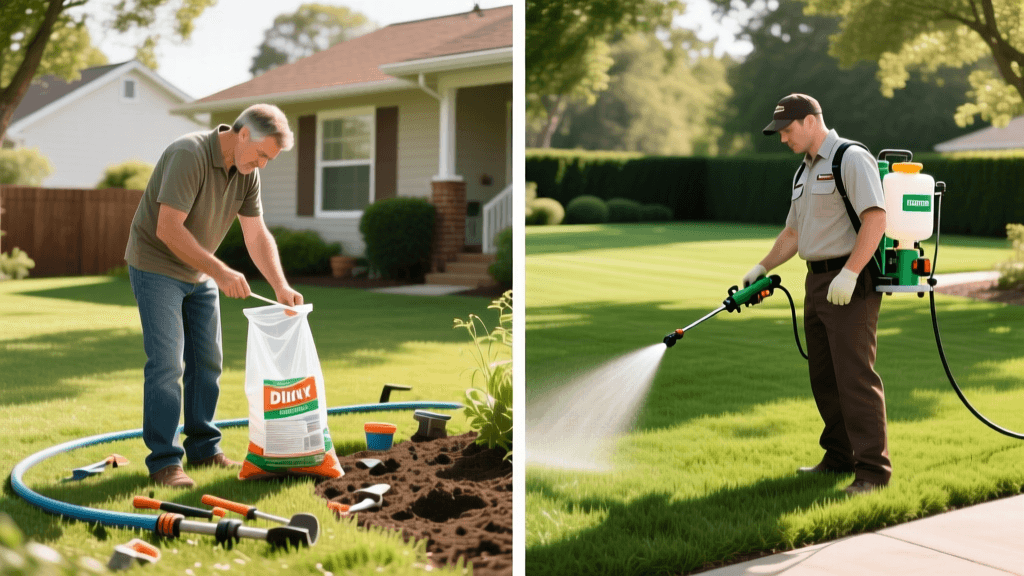
Hiring a professional lawn care company shifts the burden of labor, equipment transport, and material sourcing onto the experts. When you request a quote for aeration and overseeding, you are paying for commercial-grade efficiency and premium materials.
Professionals use heavy-duty, commercial stand-on aerators that pull deeper, more consistent soil cores than residential rental units. Furthermore, reputable companies use professional-grade, coated seeds that often include fungicides and moisture-retaining polymers, which drastically improve germination rates. The national average cost for professional aeration and overseeding ranges from $0.07 to $0.12 per square foot. For a 5,000-square-foot lawn, this translates to a total cost of $350 to $600, depending on your geographic location and the specific seed blend requested.
Cost Comparison Table: 5,000 Square Foot Lawn
To visualize the financial differences, review the budget breakdown below for an average 5,000-square-foot cool-season lawn.
| Expense Category | DIY Estimated Cost | Professional Estimated Cost |
|---|---|---|
| Aeration Equipment | $100 - $150 (Rental) | Included in Service |
| Premium Grass Seed | $60 - $120 | Included in Service |
| Starter Fertilizer | $40 - $55 | Included in Service |
| Transport & Fuel | $40 - $80 | Included in Service |
| Labor & Expertise | $0 (Your Sweat Equity) | $150 - $250 |
| Total Estimated Cost | $240 - $405 | $350 - $600 |
Note: DIY costs can easily exceed professional costs if you make mistakes with seed application rates, damage underground irrigation systems, or fail to properly prep the soil.
How to Decide: DIY vs. Professional
Choosing between DIY and professional services comes down to three factors: lawn size, physical capability, and budget flexibility.
- Choose DIY if: Your lawn is under 3,000 square feet, you have access to a truck, you are physically fit enough to wrestle a heavy machine, and you have a free weekend to dedicate to the project.
- Choose a Professional if: Your lawn is larger than 5,000 square feet, you have sloped terrain, you possess an underground sprinkler system (pros know how to avoid damaging lines), or you simply value your weekend free time over saving $100.
Expert Tips to Maximize Your Investment
Whether you spend $300 doing it yourself or $600 hiring a pro, you must follow agronomic best practices to ensure your financial investment yields a thick lawn.
Expert Insight: According to the Penn State Extension, core aeration should remove plugs of soil 2 to 3 inches deep and spaced 2 to 6 inches apart to effectively alleviate compaction and allow water and nutrients to reach the root zone. Shallow aeration provides minimal long-term benefit.
Additionally, always base your seed and amendment purchases on a recent soil test. The University of Georgia (UGA) Extension emphasizes that applying seed to soil with an improper pH (below 6.0 or above 7.5) will result in poor nutrient uptake and wasted money. A basic mail-in soil test from a university extension office or a private lab costs only $15 to $30 and should be the very first line item in your annual lawn care budget.
Final Budgeting Thoughts
Lawn aeration and overseeding are vital investments in the long-term health and curb appeal of your property. While the DIY route offers a slight financial advantage on paper, the hidden costs of equipment transport, fuel, and physical exhaustion can quickly erode those savings. By carefully evaluating the size of your lawn and your personal bandwidth, you can choose the budgeting path that delivers the best return on investment, ensuring your grass remains thick, green, and resilient for years to come.