Lawn Care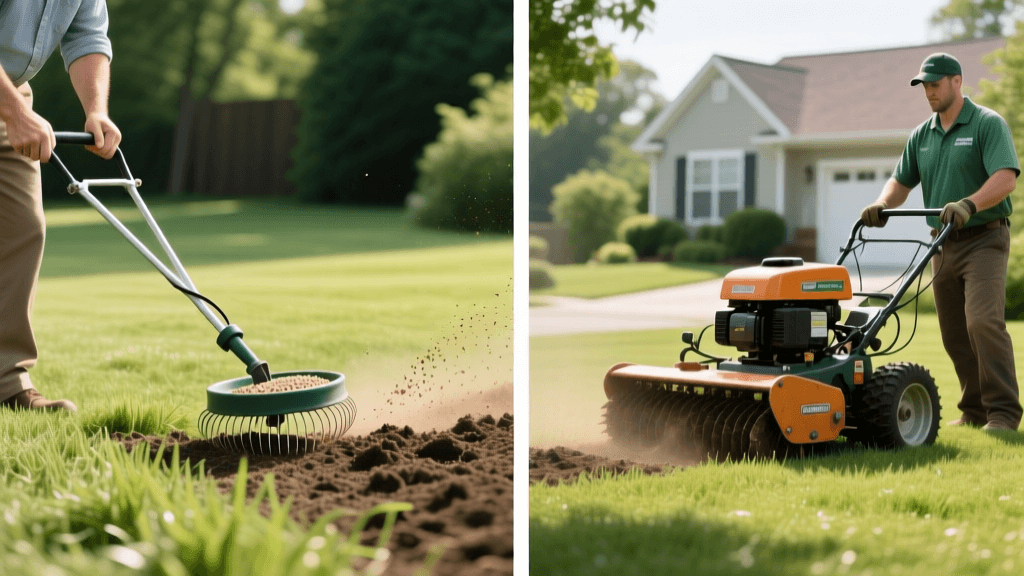
Lawn Aeration and Overseeding Costs: DIY vs Professional
Introduction to Aeration and Overseeding Costs
A lush, thick lawn is the pride of any homeowner, but achieving that golf-course look requires more than just regular mowing and watering. Over time, soil becomes compacted from foot traffic, mowing, and heavy rains. Simultaneously, thatch builds up, choking grassroots and preventing essential nutrients, water, and oxygen from reaching the soil. This is where core aeration and overseeding come into play as the ultimate lawn rejuvenation duo.
However, when budgeting for these essential seasonal treatments, homeowners are often faced with a critical dilemma: should you rent the heavy equipment and tackle the project yourself, or hire a professional landscaping service? This comprehensive pricing guide breaks down the true costs of lawn aeration and overseeding, comparing DIY expenses with professional quotes to help you make the most financially sound decision for your yard.
Why Aerate and Overseed? The Return on Investment
Before diving into the numbers, it is crucial to understand the long-term value of these treatments. Core aeration involves pulling small plugs of soil (typically 2 to 3 inches deep) from your lawn to alleviate compaction. According to turfgrass experts at the University of Minnesota Extension, aeration dramatically improves air exchange between the soil and atmosphere, enhances soil water uptake, and reduces water runoff and puddling.
Overseeding immediately after aeration introduces new, resilient grass varieties directly into the freshly opened soil holes. This fills in bare spots, improves turf density, and naturally crowds out weeds. Together, these treatments can increase your property value and save you money on future water and fertilizer bills by creating a deeper, more efficient root system.
Timing and Seasonality: When to Spend Your Money
The timing of your investment dictates its success. Cool-season grasses (like Tall Fescue, Kentucky Bluegrass, and Perennial Ryegrass) should be aerated and overseeded in the early fall, typically between late August and mid-October. Warm-season grasses (like Bermuda, Zoysia, and Centipede) require treatment in late spring to early summer, from May through June. Scheduling outside these windows can result in poor seed germination, effectively wasting your entire budget.
Professional Lawn Aeration and Overseeding Costs
Hiring a professional lawn care company offers convenience, expertise, and commercial-grade results. Professionals use heavy-duty, stand-on or ride-on core aerators that penetrate deeply into the soil, far superior to the lightweight walk-behind models available at local hardware stores.
National Averages and Pricing Tiers
On average, professional lawn aeration costs between $15 to $17 per 1,000 square feet. Overseeding is typically priced as an add-on service, ranging from $10 to $15 per 1,000 square feet, which includes the cost of premium commercial seed.
- Small Lawns (under 5,000 sq ft): Many companies enforce a minimum service fee or trip charge, often ranging from $75 to $125. Expect to pay between $150 and $250 for a combined aeration and overseeding package.
- Medium Lawns (5,000 to 10,000 sq ft): This is the most common residential lawn size. Professional packages typically range from $225 to $400.
- Large Lawns (10,000+ sq ft): For larger estates, the price per square foot often drops due to economies of scale. Expect to pay $400 to $700 or more.
What You Are Paying For
When you hire a pro, you are paying for skilled labor, fuel, commercial equipment maintenance, premium seed blends tailored to your specific microclimate, and liability insurance. As noted by industry pricing aggregators like Angi, professional services also guarantee the work, often offering free re-seeding if germination rates fall below a certain threshold due to equipment failure or improper technique.
DIY Lawn Aeration and Overseeding Costs
For the hands-on homeowner, the DIY route can seem significantly cheaper on paper. However, the costs go far beyond just the daily rental fee.
Equipment Rental
You will need to rent a core aerator from a local hardware store or equipment rental center. Walk-behind aerators typically cost between $75 and $100 per day, or $130 to $180 for a weekend. Warning: These machines are notoriously heavy (often weighing 200 to 300 pounds) and difficult to maneuver, especially on slopes or around tight landscaping beds.
Seed and Fertilizer Costs
High-quality grass seed is a major expense. A 50-pound bag of premium tall fescue or Kentucky bluegrass blend (such as Jonathan Green Black Beauty or Scotts Turf Builder) will cost between $160 and $220. For overseeding, you generally need 3 to 5 pounds of seed per 1,000 square feet. Additionally, to ensure the new seed germinates, you will need a high-phosphorus starter fertilizer (e.g., a 10-18-10 NPK ratio). A 40-pound bag of quality starter fertilizer costs around $40 to $55.
Hidden DIY Costs
Do not forget the cost of transporting the rental equipment. If you do not have a heavy-duty pickup truck or a trailer, you will need to pay a delivery fee (often $50 to $100) or rent a utility trailer. Furthermore, the physical toll of operating a bouncing, heavy aerator for four hours is a "hidden cost" that leads many DIYers to abandon the project halfway through, resulting in a patchy, uneven lawn.
Cost Comparison Table: DIY vs. Professional
To provide a clear financial picture, the table below compares the estimated out-of-pocket costs for a 5,000 square foot lawn versus a 10,000 square foot lawn. This assumes the use of premium seed and fertilizer for both scenarios.
| Expense Category | DIY (5,000 sq ft) | Pro (5,000 sq ft) | DIY (10,000 sq ft) | Pro (10,000 sq ft) |
|---|---|---|---|---|
| Equipment / Labor | $90 (1-Day Rental) | Included | $160 (Weekend Rental) | Included |
| Premium Grass Seed | $65 (15 lbs) | Included | $130 (30 lbs) | Included |
| Starter Fertilizer | $25 (Half Bag) | Included | $50 (Full Bag) | Included |
| Transport / Misc | $50 (Trailer/Gas) | $0 | $50 (Trailer/Gas) | $0 |
| Total Estimated Cost | $230 | $200 - $275 | $390 | $350 - $450 |
Note: Professional prices vary by region and local market competition. DIY prices assume you already own a broadcast spreader and basic landscaping tools.
Hidden Costs and Variables to Consider
Whether you choose the DIY or professional route, several variables can impact your final budget:
- Soil Testing: Before spending hundreds of dollars on seed and fertilizer, a soil test ($15 to $30) is vital. It tells you exactly what pH adjustments (like lime or sulfur) your soil needs to support new seedlings.
- Irrigation Requirements: New seed requires frequent, light watering (2 to 3 times a day for the first two weeks). If your sprinkler system has broken heads or poor coverage, fixing it could add $150 to $500 to your project.
- Weed Control Restrictions: You cannot apply standard pre-emergent crabgrass preventers in the spring if you plan to overseed, as they will stop grass seed from germinating. You may need to purchase specialized, more expensive post-emergent herbicides later in the season to manage weeds.
- Topdressing: For severely uneven lawns, professionals may recommend topdressing with compost after aeration. This adds $50 to $100 per 1,000 square feet to the total bill.
Pro Tip: According to landscaping guidelines featured in Better Homes & Gardens, you should always water your lawn deeply 24 to 48 hours before aerating. The aerator tines need soft, moist soil to pull deep, effective cores. If the ground is too hard and dry, both DIY rental machines and professional equipment will fail to penetrate the soil properly, wasting your time and money.
How to Decide Which Route to Take
Choose the DIY Route If:
- You have a relatively flat, small lawn (under 4,000 square feet).
- You own a pickup truck or have a reliable way to transport heavy equipment.
- You are physically fit and capable of wrestling a 300-pound vibrating machine.
- You have a full, free weekend to dedicate to prep, aeration, seeding, and cleanup.
Choose the Professional Route If:
- Your lawn is larger than 5,000 square feet (the cost gap narrows significantly due to bulk seed discounts pros receive).
- Your yard features steep slopes, tight gates, or intricate landscaping beds that are difficult to navigate with a walk-behind aerator.
- You lack the physical stamina or time required for heavy manual labor.
- You want the peace of mind that comes with a germination guarantee and commercial-grade seed blends.
Conclusion
When comparing the true costs of lawn aeration and overseeding, the DIY route is not always the massive money-saver it appears to be on the surface. Once you factor in equipment rental, premium seed, starter fertilizer, and transportation, the out-of-pocket expenses for a DIY project often rival the minimum service fees of professional lawn care companies. For small, easily accessible lawns, DIY can be a rewarding weekend project. However, for medium to large lawns, hiring a professional provides superior soil penetration, higher-quality seed, and a guaranteed result, making it the most cost-effective and time-efficient choice for the majority of homeowners.