Lawn Care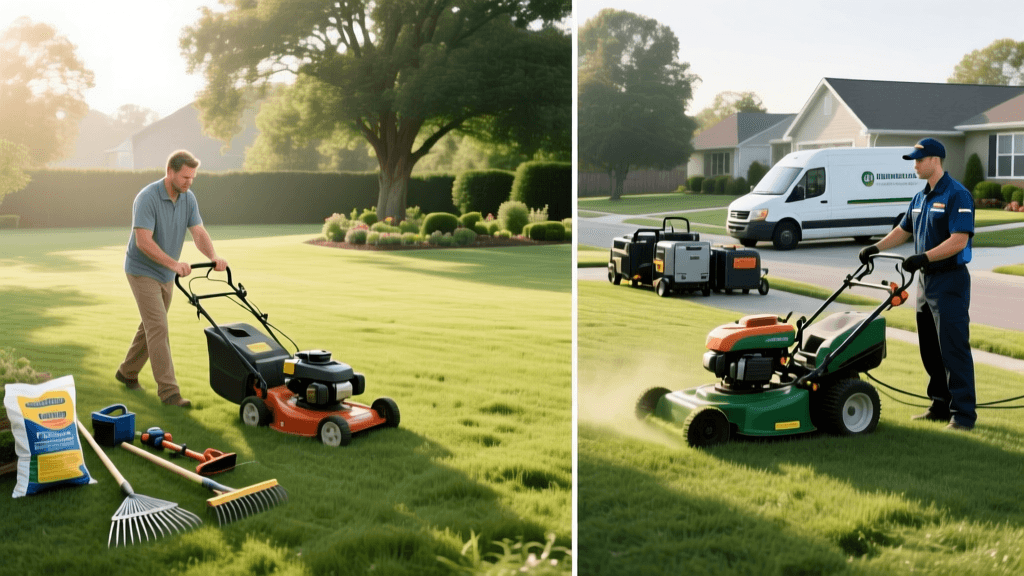
The Ultimate Lawn Care Budget: DIY vs Professional Costs
Introduction to Lawn Care Budgeting
Maintaining a lush, vibrant lawn is a point of pride for many homeowners, but it is also a significant line item in your annual home maintenance budget. Whether you are battling stubborn crabgrass, trying to recover from summer drought stress, or simply aiming for that perfect golf-course green, understanding the financial commitment is crucial. For the average homeowner with a 5,000 square foot lawn, annual lawn care costs can range anywhere from $150 for a bare-bones do-it-yourself (DIY) approach to over $1,500 for premium, full-service professional landscaping. This comprehensive cost and budgeting guide will break down the exact expenses associated with both routes, helping you make an informed decision that aligns with your financial goals and weekend availability.
Establishing Your Baseline: The Soil Test
Before spending a single dollar on fertilizer or amendments, every lawn care budget must begin with a soil test. Applying blind fertilizers is not only a waste of money but can also harm local waterways through nutrient runoff. According to Purdue University Extension, a soil test is the most cost-effective first step in any turfgrass management program, as it eliminates the guesswork and prevents the over-application of expensive nutrients.
- DIY Soil Test Kits: Basic N-P-K (Nitrogen, Phosphorus, Potassium) testing kits from hardware stores cost around $10 to $15, but they lack precision and actionable amendment advice.
- University Extension Labs: Sending a soil sample to a university lab (such as the UMass Soil and Plant Tissue Testing Laboratory or Penn State Agricultural Analytical Services) typically costs between $15 and $30. This provides a highly detailed report, including pH levels, organic matter percentage, and exact lime or sulfur requirements.
- Professional Service: Many lawn care companies include a basic soil test in their initial spring assessment, though it is often bundled into an annual contract ranging from $50 to $100 as a standalone fee.
The DIY Lawn Care Budget: Itemized Costs
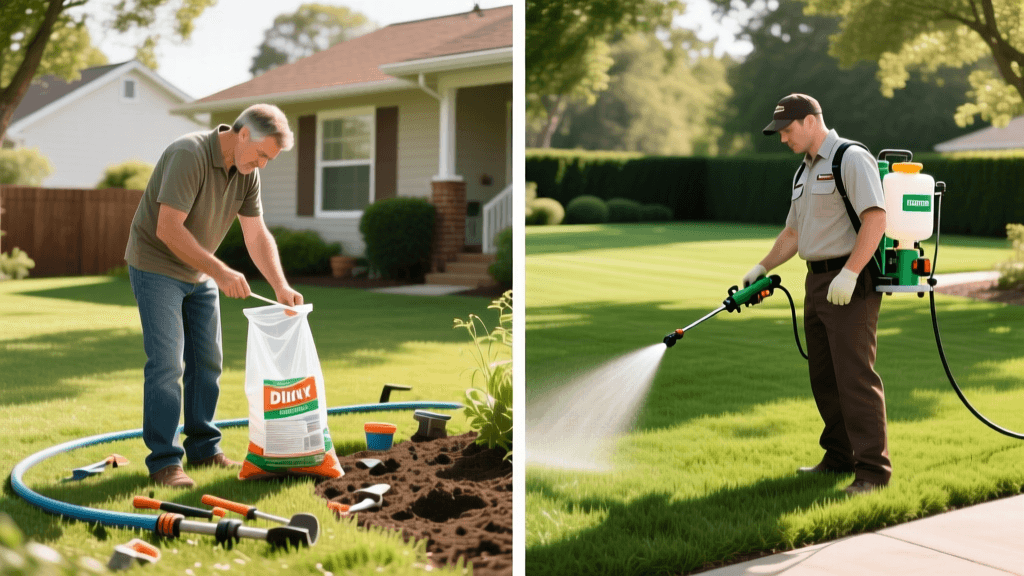
Choosing the DIY route requires an upfront investment in equipment and a commitment to a strict seasonal schedule. Below is a detailed breakdown of the costs for maintaining a 5,000 square foot cool-season lawn (such as Tall Fescue or Kentucky Bluegrass) over a single year.
1. Fertilization and Weed Control
A standard DIY fertilization program involves four applications per year: early spring pre-emergent, late spring weed and feed, late summer grub control, and a fall winterizer.
- Spring Pre-Emergent: Products like Scotts Halts or Lesco Pre-M cost approximately $35 to $45 per bag, covering 5,000 sq ft. Active ingredients like Prodiamine offer longer-lasting crabgrass prevention.
- Weed and Feed: Broadleaf weed killers combined with fertilizer (e.g., Scotts Turf Builder Weed & Feed) cost around $40 per application. Alternatively, liquid herbicides like Ortho WeedClear or Lesco Three-Way cost about $25 for a concentrate that covers the entire yard multiple times.
- Fall Fertilizer: High-nitrogen winterizers or organic options like Milorganite (which costs about $30 for a 36 lb bag covering 2,500 sq ft, requiring two bags for $60) are essential for root development before winter dormancy.
Estimated Annual DIY Fertilizer & Weed Cost: $140 - $180
2. Aeration and Overseeding
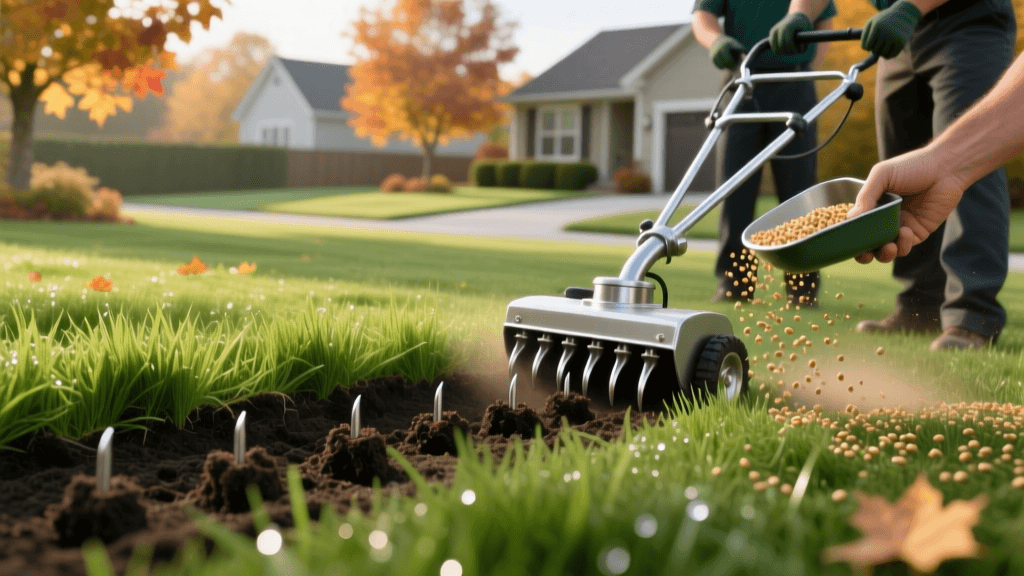
Core aeration relieves soil compaction, allowing water and nutrients to reach the root zone. Overseeding fills in bare spots and introduces disease-resistant grass varieties.
- Equipment Rental: Renting a walk-behind core aerator from a local hardware store or equipment rental center typically costs $80 to $120 for a half-day.
- Grass Seed: High-quality seed blends, such as Jonathan Green Black Beauty or Scotts Turf Builder Tall Fescue Mix, cost between $40 and $70 for the 10-15 lbs needed to overseed a 5,000 sq ft lawn.
- Starter Fertilizer: A specialized starter fertilizer high in phosphorus (e.g., Scotts Starter Fertilizer) costs about $35.
Estimated Annual DIY Aeration & Seed Cost: $155 - $225
3. Equipment and Tools
If you are starting from scratch, you will need a broadcast spreader ($40-$60), a pump or hose-end sprayer ($20-$30), and basic protective gear. Assuming you already own a lawnmower, the initial tool investment is roughly $80, with minimal annual maintenance costs.
Professional Lawn Care Services: What to Expect
Hiring a professional lawn care service shifts the burden of chemical storage, equipment maintenance, and scheduling to the experts. Pricing models generally fall into two categories: national franchises and local boutique operators.
National Franchises vs. Local Operators
National companies (like TruGreen or Weed Man) often utilize standardized, high-volume chemical applications. Their pricing is highly competitive for basic weed and feed programs, usually ranging from $45 to $75 per visit. For a standard 6-visit annual program, expect to pay between $350 and $500.
Local, independent landscape professionals often provide more customized care, including manual weed pulling, tailored aeration, and precise soil amendments. Because their overhead and labor models differ, local pros typically charge between $60 and $120 per visit, pushing the annual contract for a 5,000 sq ft lawn to $600 - $1,000+.
Hidden Costs in Professional Contracts
When budgeting for a professional service, read the fine print. Many base quotes exclude essential services such as:
- Core Aeration and Overseeding: Usually billed as an add-on service in the fall, costing an additional $150 to $300.
- Grub Control: Preventative grub treatments (using active ingredients like Imidacloprid or Chlorantraniliprole) are frequently an optional $50 to $80 upgrade in late spring.
- Disease and Insect Management: Curative treatments for summer brown patch or chinch bugs are rarely included in standard programs and can cost $100+ per application.
Cost Comparison: DIY vs. Professional (5,000 Sq Ft Lawn)
The following table illustrates the estimated first-year costs for a 5,000 square foot lawn, comparing a dedicated DIY approach against a standard professional subscription and a premium professional service.
| Service Category | DIY Approach | Standard Pro (Franchise) | Premium Pro (Local) |
|---|---|---|---|
| Soil Testing | $20 | Included / $50 | Included |
| Fertilizer & Weed Control (6 Apps) | $160 | $420 | $750 |
| Grub Prevention | $35 | $65 (Add-on) | Included |
| Fall Aeration & Overseeding | $190 (Rental + Seed) | $250 (Add-on) | $350 (Included) |
| Equipment / Spreaders | $60 (One-time) | $0 | $0 |
| Total Estimated Annual Cost | $465 | $785 | $1,100 |
The Hidden Cost: Valuing Your Time
Financial budgeting only tells half the story; time budgeting is equally critical. A comprehensive DIY lawn care program requires approximately 15 to 25 hours of labor annually. This includes researching products, driving to the garden center, calibrating spreaders, applying treatments, hauling rental equipment, and cleaning up.
If you value your weekend leisure time at $30 per hour, those 20 hours represent a hidden cost of $600. When you add the $465 in hard DIY costs, your true 'cost' is $1,065—nearly identical to hiring a premium local professional. Conversely, if you view yard work as a relaxing hobby and a form of exercise, the DIY route offers immense personal value and tangible financial savings.
Expert Strategies to Maximize Your Lawn Care ROI
Whether you choose to DIY or hire a pro, there are proven strategies to stretch your lawn care budget further without sacrificing turf health.
'The most common mistake homeowners make is over-fertilizing in an attempt to fix a lawn that is actually suffering from soil compaction or improper watering. Addressing the root cause through aeration and smart irrigation is vastly more cost-effective than repeatedly applying expensive synthetic nitrogen.' - Adapted from turfgrass management guidelines by university extension programs.
1. Buy Professional-Grade Products in Bulk
If you are committed to DIY, stop buying small bags of fertilizer from big-box stores. Visit a local landscape supply store (like SiteOne or Ewing Irrigation) and purchase commercial-grade products. A 50 lb bag of professional-grade fertilizer containing active ingredients like Prodiamine or Mesotrione might cost $60, but it can cover 10,000 to 15,000 square feet, dropping your cost per 1,000 sq ft from $8.00 down to roughly $2.50.
2. Practice Grasscycling (Mulching)
Leave your grass clippings on the lawn. According to the EPA and various turfgrass scientists, grasscycling can return up to 25% of the lawn's required nitrogen back to the soil naturally. This allows you to skip one synthetic fertilizer application per year, saving you $35 to $50 annually while improving soil organic matter.
3. Optimize Your Irrigation
Watering is a massive, often overlooked, lawn care expense. An inefficient sprinkler system can waste hundreds of dollars in municipal water fees each summer. Invest $100 in a smart Wi-Fi irrigation controller (like Rachio or B-hyve) that adjusts watering schedules based on local weather forecasts. This single investment typically pays for itself in water savings within the first two seasons while preventing costly fungal diseases caused by overwatering.
Conclusion
Budgeting for lawn care requires balancing your financial resources with your available time. The DIY route offers substantial hard-cost savings, typically hovering around $400 to $500 annually for a standard-sized yard, provided you are willing to invest the sweat equity and learn the science of turfgrass management. Professional services, while costing between $700 and $1,200+, offer convenience, commercial-grade results, and liability protection regarding chemical handling. By understanding the itemized costs, leveraging soil science, and avoiding common marketing traps, you can cultivate a stunning, resilient lawn that maximizes every dollar of your landscaping budget.