Lawn Care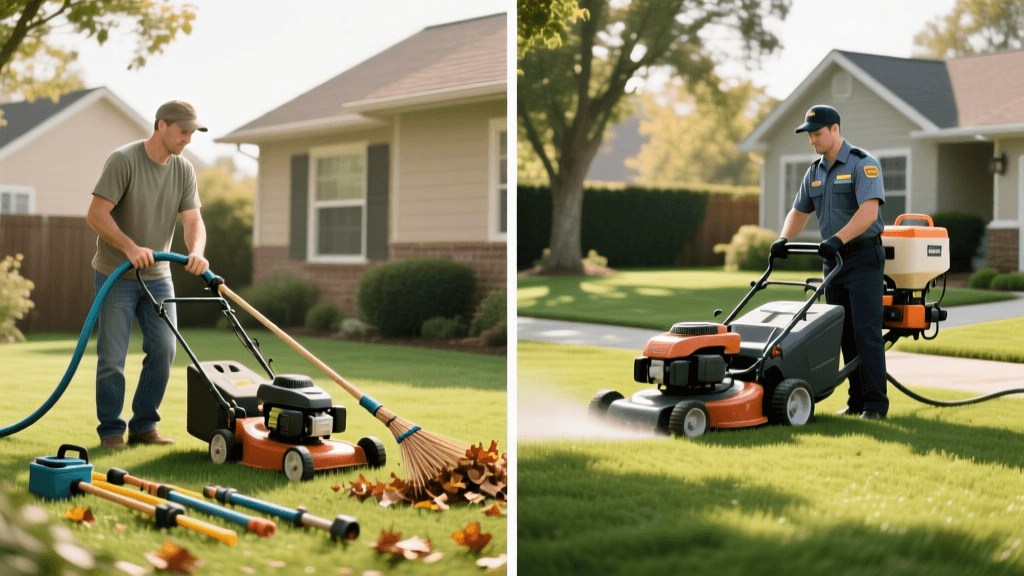
Lawn Care Cost Guide: DIY Versus Professional Services
The True Cost of a Perfect Lawn: Budgeting for Turfgrass Care
Maintaining a lush, green lawn is a point of pride for many homeowners, but it is also a significant financial commitment. Whether you are managing a cool-season Kentucky Bluegrass lawn in the Midwest or a warm-season Bermuda grass yard in the South, understanding the economics of turfgrass management is essential. The debate between taking the do-it-yourself (DIY) route and hiring professional lawn care services is not just about time; it is fundamentally about budget allocation, equipment depreciation, and long-term soil health.
In this comprehensive cost and budgeting guide, we will break down the exact expenses associated with annual lawn maintenance. We will analyze capital expenditures (equipment), operating expenses (materials and water), and the premium you pay for professional expertise. By the end of this guide, you will have a clear framework to build your annual lawn care budget.
Establishing the Baseline: Lawn Size and Regional Variables
Before calculating costs, we must establish a baseline. According to the U.S. Department of Agriculture, the average American lawn is roughly one-fifth of an acre, or about 8,700 square feet. For the sake of this budgeting guide, we will use a standard 10,000-square-foot lawn (approximately a quarter-acre) as our benchmark. Costs will naturally scale up or down based on your exact property size.
Regional variables also play a massive role in your budget. Homeowners in the Sun Belt will spend significantly more on summer irrigation due to high evaporation rates, while those in the Northeast and Midwest will spend more on fall aeration, overseeding, and winterizer fertilizers.
DIY Lawn Care: Upfront and Ongoing Costs
Capital Expenditures (Equipment)
If you are starting from scratch, the initial investment in DIY lawn care equipment can be steep. However, these are one-time costs that depreciate over several years.
- Lawn Mower: A high-quality, self-propelled gas or battery-powered mower (such as the Toro Recycler or EGO Power+ 21-inch) will cost between $400 and $800. Expect a lifespan of 8 to 10 years with proper maintenance.
- String Trimmer and Edger: Essential for clean borders along driveways and flower beds. A reliable battery-operated combo kit (like the Ryobi 18V ONE+ system) costs around $150 to $250.
- Fertilizer Spreader: A broadcast spreader is critical for even application of seed and fertilizer. The Scotts EdgeGuard Mini Broadcast Spreader is an industry standard for residential use, costing roughly $60.
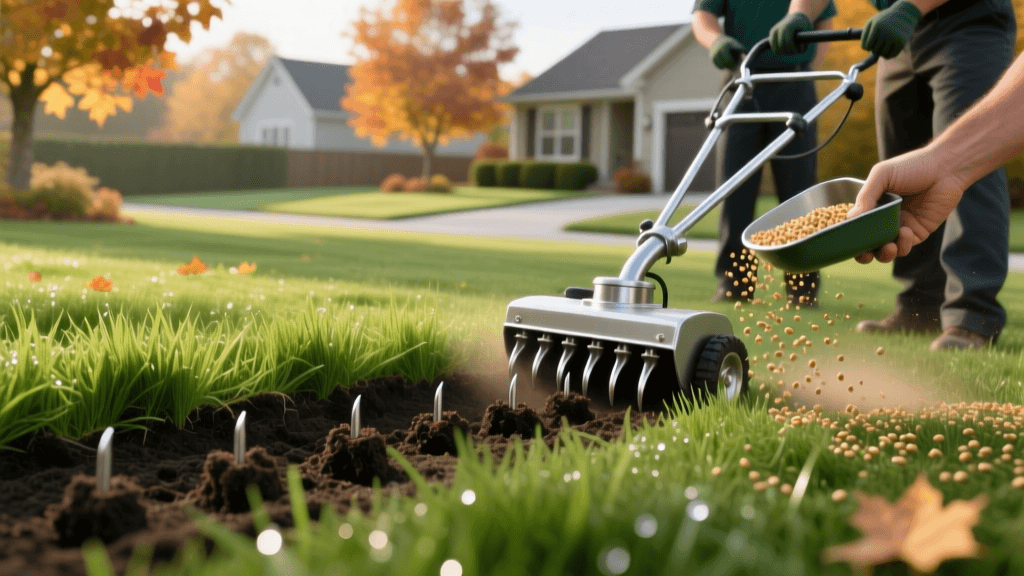
- Aeration Equipment: While most DIYers rent aerators, purchasing a manual core aerator or liquid aerator attachment costs between $30 and $80.
Estimated First-Year Equipment Cost: $640 to $1,190
Operating Expenditures (Materials and Consumables)
Once you have the tools, you must purchase the materials to feed and protect your turf. For a 10,000-square-foot lawn, here is what you can expect to spend annually:
- Fertilizer: A standard four-application synthetic fertilizer program (like Scotts Turf Builder) costs about $120 to $160 per year. If you prefer organic options like Milorganite, expect to spend closer to $200 annually due to the higher volume required to meet nitrogen requirements.
- Weed Control: Pre-emergent herbicides (like Prodiamine) and post-emergent spot treatments (like Ortho WeedClear) will cost between $60 and $100 per year.
- Grass Seed: Overseeding a quarter-acre lawn every fall requires roughly 5 to 10 pounds of seed. Premium blends like Jonathan Green Black Beauty Ultra cost about $50 to $80 per year.
- Equipment Maintenance: Mower blade sharpening, oil changes, spark plugs, and replacement trimmer line will add $50 to $80 annually.
Estimated Annual DIY Materials Cost: $280 to $420
Professional Lawn Care: What to Expect
Hiring a professional lawn care company shifts the burden of labor, equipment maintenance, and chemical storage to the experts. Pricing models generally fall into two categories: basic mowing services and comprehensive turf management programs.
Basic Mowing and Maintenance
Local landscaping crews typically charge per visit based on lawn size and terrain. For a 10,000-square-foot lawn, expect to pay $45 to $75 per visit. Assuming a 30-week mowing season, your annual budget for mowing, edging, and blowing will range from $1,350 to $2,250.
Comprehensive Fertilization and Weed Control
National franchises (such as TruGreen or Lawn Doctor) and specialized local turf agronomists offer subscription-based fertilization and weed control programs. These usually consist of 6 to 8 visits per year. For a quarter-acre lot, these programs typically cost between $400 and $700 annually. This price often includes free service calls if weeds pop up between scheduled treatments.
Specialty Services: Aeration and Overseeding
Most professionals charge a premium for fall aeration and overseeding because it is highly labor-intensive and requires specialized commercial equipment. Expect to pay $200 to $350 for a single, comprehensive fall renovation service on a 10,000-square-foot lawn.
Annual Cost Comparison Chart: DIY vs. Professional
The following table provides a side-by-side comparison of annual costs for a standard 10,000-square-foot lawn. Note that the DIY Year 1 cost includes equipment purchases, while Year 2+ reflects only materials and maintenance.
| Service Category | DIY Cost (Year 1) | DIY Cost (Year 2+) | Professional Cost (Annual) |
|---|---|---|---|
| Mowing, Edging, and Blowing | $50 - $80 (Fuel/Maint.) | $50 - $80 (Fuel/Maint.) | $1,350 - $2,250 |
| Fertilization (4-8 Apps) | $120 - $200 | $120 - $200 | $400 - $700 |
| Weed and Pest Control | $60 - $100 | $60 - $100 | Included in Fertilization |
| Fall Aeration and Overseeding | $130 - $180 (Rental+Seed) | $130 - $180 (Rental+Seed) | $200 - $350 |
| Equipment Purchase (CapEx) | $640 - $1,190 | $0 | $0 |
| Total Estimated Annual Cost | $1,000 - $1,750 | $360 - $560 | $1,950 - $3,300 |
Hidden Costs to Watch Out For
When building your lawn care budget, it is easy to overlook the hidden expenses that can derail your financial planning.
1. Water and Irrigation Bills
Turfgrass generally requires 1 to 1.5 inches of water per week during the active growing season. If you are relying on municipal water rather than a private well, running a sprinkler system can add $50 to $150 to your monthly utility bill during the peak summer months. Investing in a smart irrigation controller (like the Rachio 3, costing around $230) can reduce water waste and lower your utility bills by up to 30%.
2. Chemical Burn and Lawn Recovery
DIYers who miscalculate fertilizer application rates or apply weed killers during high-heat periods risk chemically burning their turf. The cost of replacing dead sod or buying emergency rescue seed and topsoil can easily add $100 to $300 to your annual budget. Always follow the label instructions regarding square footage coverage.
3. Soil Remediation
If your soil pH is severely imbalanced, your expensive fertilizers will be locked out and unavailable to the grassroots. Correcting acidic soil with pelletized lime or alkaline soil with elemental sulfur is an additional material cost of $40 to $80 per year that many beginners fail to budget for.
Expert Insights and Authoritative Citations
One of the most effective ways to save money on your lawn care budget is to stop guessing and start testing. Applying fertilizer without knowing your soil's current nutrient profile is a common financial mistake.
According to the Penn State Extension Department of Plant Science, routine soil testing is the cornerstone of economical and environmentally responsible turfgrass management. Their research emphasizes that applying phosphorus or potassium to soils that already have adequate levels is not only a waste of the homeowner's budget but can also lead to nutrient runoff into local watersheds. Penn State recommends submitting a soil sample to an accredited laboratory every three years, a service that typically costs less than $15, yet can save homeowners hundreds of dollars in unnecessary fertilizer purchases over the lifespan of the lawn.
By utilizing university extension soil testing services, you can transition from a generic, expensive four-step fertilizer program to a targeted, budget-friendly custom nutrient plan.
Final Budgeting Advice: Finding the Right Balance
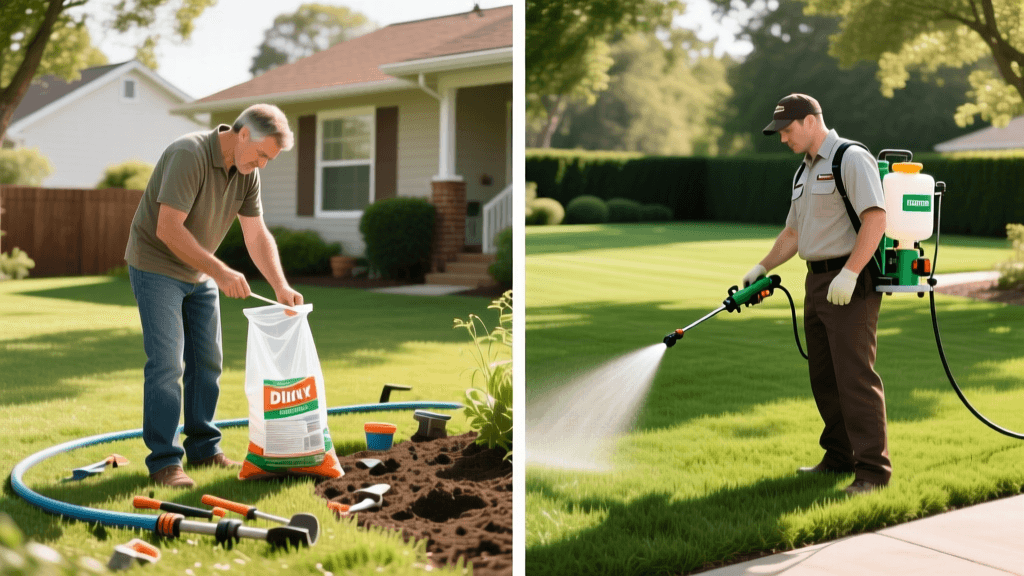
The most cost-effective approach for many homeowners is a hybrid model. You might choose to handle the weekly mowing, edging, and basic organic fertilization yourself to save thousands of dollars in labor costs over a decade. Simultaneously, you can hire a licensed professional for the highly technical and heavily regulated tasks, such as applying restricted-use pre-emergent herbicides or performing deep core aeration with commercial-grade machinery.
Ultimately, a well-maintained lawn is an investment in your property's curb appeal and real estate value. By tracking your capital expenditures, monitoring your material costs per 1,000 square feet, and leveraging soil science to eliminate waste, you can achieve a golf-course-quality lawn without breaking your annual household budget.