Gardening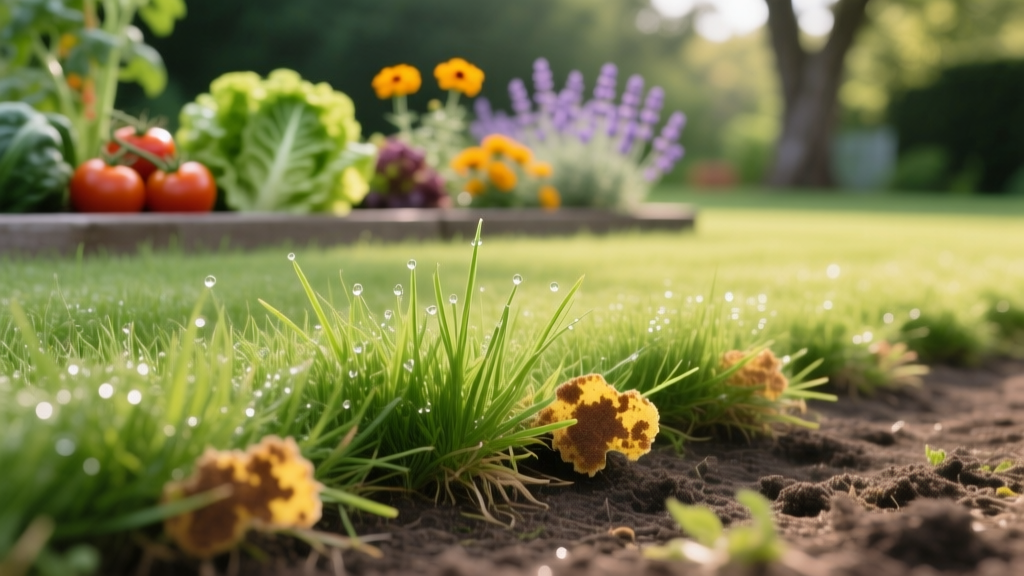
Identifying Lawn Diseases To Protect Adjacent Gardens
Lisa ThompsonPublished
The Hidden Threat: How Lawn Diseases Invade Garden Beds
Gardening enthusiasts often pour their hearts into raised vegetable beds, vibrant flower borders, and meticulously composted soil. However, the turfgrass pathways and borders surrounding these garden sanctuaries can harbor a hidden threat: lawn diseases. Fungal pathogens that plague your lawn do not respect the boundaries of your raised beds or container gardens. Through wind dispersal, water splash, and contaminated mowing equipment, turfgrass diseases can easily migrate into your garden, threatening both ornamental plants and edible crops.
Understanding lawn disease identification and treatment is not just about maintaining a pristine carpet of green; it is a critical component of holistic garden ecosystem management. When turfgrass becomes a reservoir for fungal spores, your nearby tomatoes, peppers, and delicate ornamentals are at risk of cross-contamination. In this comprehensive guide, we will explore the most common turfgrass pathogens, how they threaten adjacent garden beds, and actionable treatment protocols to keep your entire landscape thriving safely.
The Mechanisms of Cross-Contamination
Before diving into specific diseases, it is essential to understand how pathogens travel from your lawn to your garden beds. Fungal spores are microscopic and highly mobile. They spread through three primary vectors:
- Water Splash and Runoff: Overwatering your lawn or heavy rainfall can cause soil and fungal spores to splash directly into low-lying garden beds or container plants.
- Wind Dispersal: Dry, powdery spores can be carried by the breeze from infected turfgrass directly onto the foliage of your vegetable and flower plants.
- Mechanical Transmission: Mower blades, string trimmers, and gardening boots can pick up infected grass clippings and deposit them into your garden beds.
By identifying the disease early and treating the lawn, you create a protective buffer zone around your valuable garden crops.
Top Lawn Diseases That Threaten Garden Landscapes
Brown Patch (Rhizoctonia solani)
Brown patch is one of the most destructive turfgrass diseases, particularly in warm, humid climates. It manifests as circular, brownish-yellow patches ranging from a few inches to several feet in diameter. In the early morning dew, you may notice a distinct 'smoke ring'—a dark, water-soaked border at the edge of the patch.
According to the Clemson University Home & Garden Information Center, Rhizoctonia solani thrives when nighttime temperatures remain above 68°F (20°C) combined with high humidity and prolonged leaf wetness. While Brown Patch primarily targets cool-season grasses like tall fescue and perennial ryegrass, the pathogen can survive in the soil and potentially infect susceptible garden plants, including beans and certain ornamentals, causing root and stem rot.
Dollar Spot (Clarireedia jacksonii)
Dollar spot appears as small, sunken, circular patches roughly the size of a silver dollar. When these patches coalesce, they can form large, irregular dead zones in the lawn. A key identifier is the presence of white, cobweb-like mycelium on the grass blades during dewy mornings.
As noted by Clemson University Extension, this disease is most active between 60°F and 85°F (15°C - 29°C) and is heavily exacerbated by drought stress and low nitrogen levels in the soil. While Dollar Spot is highly specific to turfgrass, the environmental conditions that favor it—such as poor air circulation and excessive thatch—also create a microclimate that invites fungal issues into adjacent shaded garden beds.
Fairy Ring (Basidiomycetes)
Fairy rings are easily identifiable by their distinct circular patterns in the lawn. They can manifest as rings of dark green, fast-growing grass, rings of dead, brown grass, or even a circle of mushrooms. The fungus responsible for fairy rings creates a dense, hydrophobic (water-repelling) mat of mycelium beneath the soil surface.
The University of California Statewide IPM Program highlights that this hydrophobic layer prevents water from reaching the root zone. If a fairy ring expands toward a raised garden bed or a ground-level flower border, it can severely disrupt soil moisture dynamics, starving your garden plants of water and nutrients, even if the fungus itself does not directly infect the garden crops.
Disease Identification and Garden Risk Chart
Use the following comparison chart to quickly identify the threat level your lawn disease poses to your adjacent garden beds.
| Disease | Primary Symptoms | Optimal Temp Range | Risk to Adjacent Garden Beds |
|---|---|---|---|
| Brown Patch | Large circular patches, smoke rings, leaf blight | 68°F - 85°F+ | High: Pathogen can infect some vegetable crops and ornamentals via soil splash. |
| Dollar Spot | Silver-dollar sized spots, white cobweb mycelium | 60°F - 85°F | Low: Highly turf-specific, but indicates poor air flow that harms gardens. |
| Fairy Ring | >Green or brown rings, mushrooms, hydrophobic soil65°F - 75°F | Medium: Hydrophobic soil mat can starve nearby garden beds of water. |
Safe Treatment Protocols for Garden-Adjacent Turf
Treating lawn diseases near edible gardens requires a careful balance between eradicating the pathogen and protecting your food supply. Chemical drift and soil runoff must be strictly managed.
Cultural Controls and Soil Preparation
The first line of defense is always cultural. Modifying the environment to make it hostile to fungi will protect both your lawn and your garden.
- Aeration and Dethatching: Core aerate your lawn in the fall or spring to relieve soil compaction. Remove thatch layers thicker than 0.5 inches. This improves drainage and prevents water from pooling and splashing into garden beds.
- Precision Watering: Water your lawn deeply but infrequently, aiming for 1 to 1.5 inches per week. Always water in the early morning (between 4:00 AM and 8:00 AM) so the grass blades dry quickly in the sun, depriving fungi of the prolonged moisture they need to germinate.
- Nitrogen Management: Avoid high-nitrogen, quick-release fertilizers during peak summer heat, as this promotes lush, succulent growth that is highly susceptible to Brown Patch. Use slow-release organic fertilizers instead.
Fungicide Selection and Buffer Zones
When cultural controls fail, fungicides become necessary. However, when treating turf near vegetable gardens, you must establish a buffer zone. Never apply chemical fungicides within 3 to 5 feet of edible crops to prevent root uptake and foliar drift.
- Azoxystrobin (e.g., Scotts DiseaseEx, Heritage SC): A broad-spectrum strobilurin fungicide highly effective against Brown Patch and Dollar Spot. Granular applications are preferred near gardens as they eliminate the risk of liquid drift. Cost: $20 - $30 per 5,000 sq. ft. Apply preventatively when nighttime temperatures consistently hit 65°F.
- Propiconazole (e.g., BioAdvanced Fungus Control): A systemic triazole fungicide that stops fungal growth. It is excellent for curative treatment but should be used with extreme caution near edible garden beds due to its systemic nature. Cost: $25 - $40 per 5,000 sq. ft.
- Biological Controls (e.g., Bacillus amyloliquefaciens): For gardeners who want zero chemical risk near their vegetables, biological fungicides like Revitalize or Serenade Garden are safe to use right up to the edge of the raised bed. They introduce beneficial bacteria that outcompete fungal pathogens.
Preventing Cross-Contamination Between Turf and Garden
Even with a healthy lawn, mechanical transmission can introduce pathogens to your garden. Implementing strict sanitation protocols is vital for the serious gardener.
Expert Sanitation Tip: Always mow the healthy sections of your lawn first, and the diseased sections last. After mowing infected areas, wash your mower deck and boots with a 10% bleach solution (1 part household bleach to 9 parts water) or a commercial quaternary ammonium disinfectant before stepping into your garden beds. This simple step destroys Rhizoctonia and other spores clinging to your equipment.
Furthermore, never use grass clippings from a diseased lawn as mulch in your vegetable or flower beds. While composting can kill some pathogens, home compost piles rarely reach the sustained 140°F (60°C) required to destroy resilient fungal sclerotia. Bag and dispose of infected clippings in the municipal waste stream, or leave them on the lawn if you are actively treating the turf with a targeted fungicide.
Conclusion
Your lawn and your garden are part of a single, interconnected ecosystem. By mastering lawn disease identification and applying targeted, safe treatments, you do more than just improve your curb appeal—you actively protect your harvest and your ornamental investments. Monitor your turfgrass borders closely during humid summer months, maintain strict equipment sanitation, and utilize buffer zones when applying treatments. With these proactive strategies, your lawn will serve as a beautiful, healthy frame for your thriving garden, rather than a vector for destruction.
