Lawn Care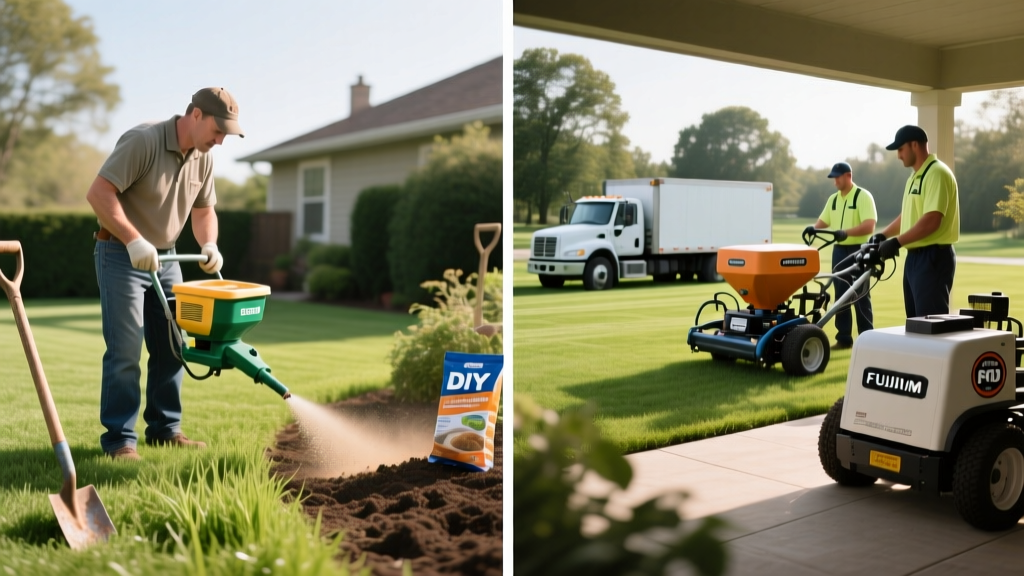
Lawn Fertilization Cost Guide: DIY vs Professional Pricing
James MillerPublished
The True Cost of a Green Lawn: DIY vs. Professional Fertilization
Achieving a lush, emerald-green lawn is the pride of many homeowners, but maintaining that perfect turf requires a strategic approach to nutrition. Fertilization is arguably the most critical component of any lawn care regimen, directly impacting grass density, color, and resistance to drought and disease. However, when it comes to feeding your lawn, a common dilemma arises: should you tackle the job yourself, or hire a professional lawn care service?
Understanding the financial implications of both routes is essential for making an informed decision that aligns with your budget, schedule, and lawn care goals. In this comprehensive pricing guide, we will break down the exact costs of DIY lawn fertilization versus hiring professional turf managers, explore hidden fees, and help you determine which option delivers the best return on investment for your specific yard.
Breaking Down Professional Lawn Fertilization Costs
Hiring a professional lawn care company offers convenience and expertise, but it comes at a premium. Most professional services do not sell single fertilizer applications; instead, they require you to sign up for an annual lawn care program consisting of 5 to 7 visits spaced throughout the growing season.
Average Pricing by Lawn Size
Professional fertilization costs are typically calculated based on the total square footage of your turf. On average, homeowners can expect to pay between $0.05 and $0.15 per square foot per application. Here is what that looks like for an annual program (typically 6 applications):
- Small Lawns (Under 5,000 sq. ft.): $300 to $450 annually.
- Medium Lawns (5,000 to 10,000 sq. ft.): $450 to $750 annually.
- Large Lawns (10,000 to 15,000+ sq. ft.): $750 to $1,200+ annually.
These base prices usually cover standard granular or liquid synthetic fertilizers. If you opt for premium organic treatments, specialized soil amendments, or bundled services like aeration and grub control, your annual bill can easily increase by 30% to 50%.
The Economics of DIY Lawn Fertilization
For the hands-on homeowner, DIY fertilization can yield massive financial savings. The primary costs involve purchasing the fertilizer itself and the necessary application equipment. When executed correctly, DIY fertilization costs roughly $0.02 to $0.05 per square foot per application.
Fertilizer Product Costs
The cost of fertilizer varies wildly depending on whether you choose synthetic or organic options, as well as the brand and nutrient ratio (N-P-K).
- Standard Synthetic Granular (e.g., Scotts Turf Builder): A 40 lb. bag covering 10,000 sq. ft. typically costs between $35 and $45. This breaks down to roughly $0.004 per square foot.
- Organic Granular (e.g., Milorganite or Espoma): Organic options are generally more expensive. A 36 lb. bag of Milorganite covering 2,500 sq. ft. costs around $15 to $18, translating to about $0.006 to $0.007 per square foot.
- Liquid Fertilizers: Hose-end liquid fertilizers (like Sunday or Simple Lawn Solutions) cost about $20 to $30 per bottle, covering roughly 3,000 to 5,000 sq. ft., making them slightly more expensive per square foot than bulk granular options.
Equipment Investments
If you are just starting out, you must factor in the cost of application equipment. A high-quality walk-behind broadcast spreader (such as the Scotts Turf Builder EdgeGuard) costs between $60 and $120. While this is a one-time upfront cost, it must be amortized over the years you use it. Handheld spreaders are cheaper ($20 to $30) but are only practical for very small lawns or patch-repair work.
Annual Cost Comparison: DIY vs. Professional
To visualize the financial difference, let us compare the estimated annual costs for a standard 10,000 square foot lawn requiring 5 applications per year.
| Expense Category | DIY Fertilization (10,000 sq. ft.) | Professional Service (10,000 sq. ft.) |
|---|---|---|
| Fertilizer / Application Cost | $175 - $250 (5 bags/applications) | $500 - $750 (Annual Program) |
| Equipment (Spreader/Sprayer) | $80 (One-time purchase) | $0 (Included in service) |
| Labor / Time Value | 5-8 hours annually | 0 hours (Managed by Pros) |
| Total First-Year Cost | $255 - $330 | $500 - $750 |
As the table illustrates, DIY fertilization can save you upwards of $400 a year on a medium-sized lawn. However, the trade-off is the physical labor, time commitment, and the learning curve required to apply nutrients evenly.
Hidden Costs and Environmental Considerations
When budgeting for lawn nutrition, it is vital to look beyond the sticker price of a bag of fertilizer or a service contract. Hidden costs can quickly erode your savings if you are not careful.
The Crucial Role of Soil Testing
Applying fertilizer without knowing your soil's current nutrient profile is a common and costly mistake. Over-fertilizing not only wastes money but can lead to fertilizer burn, excessive thatch buildup, and environmental runoff. According to the University of Minnesota Extension, applying the correct amount of nitrogen at the right time is crucial for turf health and environmental protection. A standard mail-in soil test from a university extension office or private lab costs between $15 and $30. This minor investment tells you exactly what your lawn needs, preventing you from wasting money on unnecessary phosphorus or potassium.
Fertilizer Burn and Remediation
One of the biggest risks of DIY fertilization is 'fertilizer burn'—brown, dead patches caused by applying too much product or overlapping spreader passes. Fixing these mistakes requires purchasing grass seed, topsoil, and dedicating hours to lawn repair. As highlighted by Texas A&M AgriLife Extension, proper calibration of your spreader and understanding your turfgrass species' specific nutrient requirements are essential steps to avoid costly turf damage and nutrient leaching.
Weed Control Add-Ons
Standard DIY fertilizers rarely contain broadleaf weed killers. If your lawn is prone to dandelions or clover, you will need to purchase a separate selective herbicide (like a liquid 2,4-D mix) and a pump sprayer ($30 to $50), adding to your overall DIY budget. Professional services often include spot-treatments for weeds in their base fertilization packages.
Which Route Should You Choose?
Deciding between DIY and professional fertilization ultimately comes down to your budget, available time, and the current health of your soil.
Choose DIY Fertilization If:
- You have a strict budget and want to maximize financial savings.
- You enjoy spending time outdoors and view lawn care as a relaxing hobby rather than a chore.
- Your lawn is relatively small (under 7,500 sq. ft.) and easy to navigate with a push spreader.
- You are willing to invest the time to calibrate your equipment and study seasonal application schedules.
Choose a Professional Service If:
- You have a large, complex property with steep hills or narrow gates that make pushing a heavy spreader difficult.
- Your lawn is suffering from severe nutrient deficiencies, soil compaction, or aggressive weed infestations that require commercial-grade products.
- You travel frequently or work long hours and cannot guarantee you will be home during the optimal, narrow weather windows required for fertilizer application and watering.
- You value the peace of mind that comes with a service guarantee, where the company will return to fix any issues or burns at no extra charge.
Final Thoughts on Lawn Care Budgeting
Whether you choose to push the spreader yourself or hire a licensed turf professional, consistent fertilization is non-negotiable for a healthy lawn. DIY fertilization offers undeniable financial advantages, often costing less than half of a professional annual contract. However, those savings require an investment of your time, a willingness to learn proper application techniques, and the discipline to perform regular soil tests.
If you decide to go the DIY route, start by investing in a quality broadcast spreader and a soil test kit. Build a seasonal calendar based on your specific grass type—cool-season grasses like Kentucky Bluegrass need heavy feeding in the fall, while warm-season grasses like Bermudagrass thrive with summer applications. By understanding the true costs and hidden variables of lawn nutrition, you can cultivate a stunning, resilient lawn without breaking the bank.