Pest Control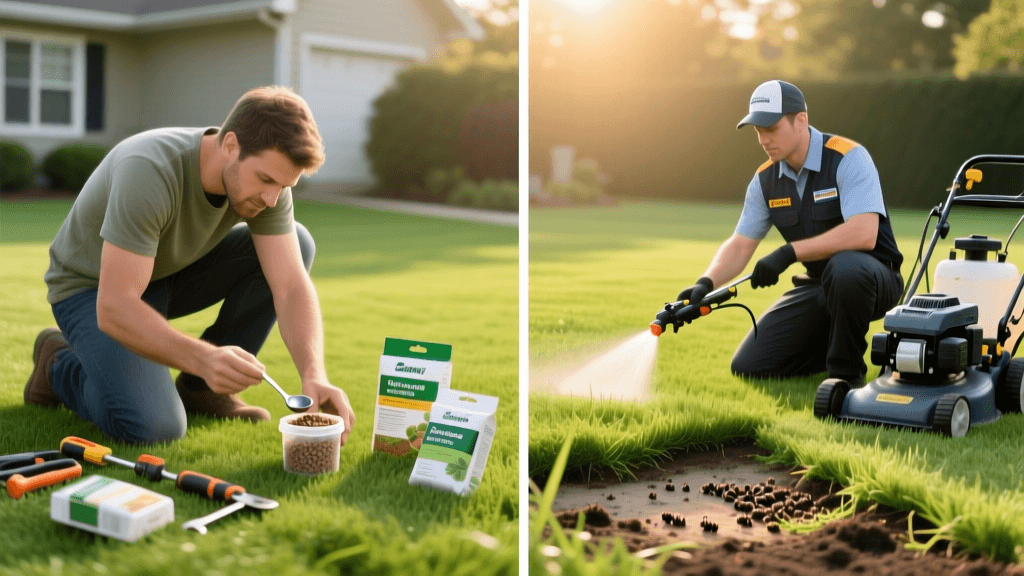
Budgeting for Lawn Grub Control: DIY vs Pro Costs
The True Cost of Grub Damage
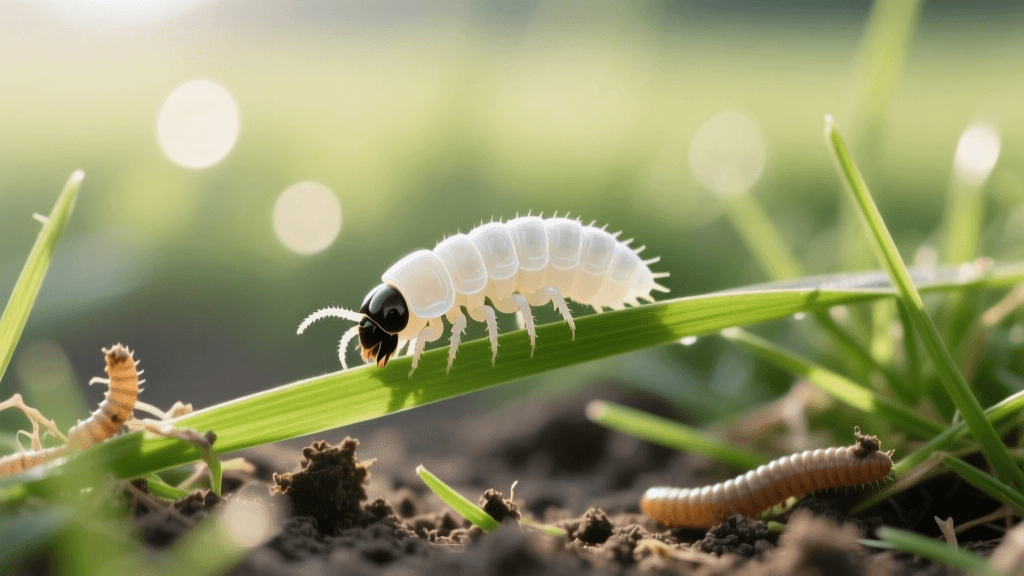
When budgeting for lawn care, pest control often takes a backseat to fertilization and mowing. However, ignoring the threat of white grubs can lead to catastrophic turf loss and expensive renovation costs. White grubs—the larval stage of Japanese beetles, June bugs, and European chafers—feed aggressively on grassroots. A severe infestation can destroy a 5,000-square-foot lawn in a matter of weeks, turning your vibrant turf into a spongy, brown carpet that peels back easily from the soil.
Furthermore, grub damage often triggers secondary pest problems. Animals like skunks, raccoons, and crows will tear up your lawn to feast on the grubs, causing thousands of dollars in collateral damage. Understanding the costs associated with both DIY and professional grub control is essential for homeowners looking to protect their landscaping investment without overspending.
Understanding the Timeline: Preventative vs. Curative
Before allocating your pest control budget, you must understand the two primary approaches to grub management. Timing dictates not only the effectiveness of the treatment but also the cost.
Preventative Treatments
Preventative grub control is applied in late spring to early summer (typically May through June, depending on your hardiness zone). These products contain slow-acting active ingredients that remain in the soil and kill young grubs as they hatch and begin feeding in mid-to-late summer. Preventative treatments are highly effective, generally offering 90% to 100% control, and are the most cost-effective way to protect your lawn.
Curative Treatments
Curative treatments are applied in late summer or early fall (August through October) when grubs are actively feeding and damage is already visible. These fast-acting insecticides kill mature grubs on contact but degrade quickly in the soil. Because curative products require higher concentrations of active ingredients and precise timing, they are often more expensive and carry a higher risk of environmental runoff.
DIY Lawn Grub Control: Cost Breakdown
For the budget-conscious homeowner, DIY grub control offers significant savings. The primary costs involve the insecticide or biological control agent, application equipment, and the time required to water the product into the soil.
Chemical Preventative Options
The most common active ingredient for DIY preventative control is Chlorantraniliprole, widely known by the brand name Scotts GrubEx. Another highly effective option is Imidacloprid (often sold as Bayer Advanced Season-Long Grub Control).
- Average Cost: $25 to $45 per bag.
- Coverage: Most standard bags cover 5,000 to 10,000 square feet.
- Cost per 1,000 sq. ft.: $2.50 to $4.50.
- Application Rate: Typically 2.87 lbs per 1,000 sq. ft. for Chlorantraniliprole.
Chemical Curative Options
If you have missed the preventative window and need an emergency rescue treatment, Trichlorfon (brand name Bayer Advanced 24 Hour Grub Killer or Dylox) is the industry standard for fast knockdown.
- Average Cost: $35 to $60 per bag.
- Coverage: Usually covers 3,000 to 5,000 square feet.
- Cost per 1,000 sq. ft.: $7.00 to $12.00.
Organic IPM Option: Beneficial Nematodes
For those practicing strict Integrated Pest Management (IPM) or maintaining organic lawns, Heterorhabditis bacteriophora (Hb) nematodes are microscopic worms that seek out and parasitize grubs. They must be applied via hose-end sprayer in the late summer when grubs are active and soil temperatures are above 60°F.
- Average Cost: $45 to $80 per pack.
- Coverage: 5,000 to 10,000 square feet (depending on concentration).
- Cost per 1,000 sq. ft.: $4.50 to $8.00.
- Budget Note: Nematodes are living organisms. They require overnight shipping and immediate application, meaning you cannot buy them in bulk on sale and store them in your garage.
Professional Grub Control Services: What to Expect
Hiring a licensed lawn care company removes the guesswork, labor, and equipment maintenance from your shoulders. Professional services typically bundle grub control with broader lawn care programs, but standalone applications are available.
Most professional companies use commercial-grade formulations of Chlorantraniliprole (such as Acelepryn) or Imidacloprid (such as Merit). These products are often more concentrated and offer longer residual control than consumer-grade hardware store alternatives.
- Average Cost: $0.015 to $0.035 per square foot for preventative treatments.
- Cost for a 5,000 sq. ft. Lawn: $75 to $175 per application.
- Curative Professional Treatments: Often priced 30% to 50% higher due to the increased volume of chemical required and the urgency of the service.
- Guarantees: Many reputable companies offer a damage guarantee. If grubs damage your lawn after a professional preventative application, they will pay for the sod replacement or overseeding. Always read the fine print regarding watering requirements to keep the guarantee valid.
Cost Comparison Chart: DIY vs. Professional
The following table breaks down the estimated costs for treating a standard 5,000-square-foot lawn. This comparison highlights the financial trade-offs between doing it yourself and hiring a professional.
| Treatment Type | Method | Estimated Cost (5,000 sq ft) | Labor Required | Effectiveness |
|---|---|---|---|---|
| Preventative (Chemical) | DIY | $15.00 - $25.00 | 2-3 Hours | High (90-100%) |
| Preventative (Chemical) | Professional | $75.00 - $150.00 | None | High (90-100%) |
| Curative (Chemical) | DIY | $35.00 - $60.00 | 2-3 Hours | Medium (70-85%) |
| Curative (Chemical) | Professional | $125.00 - $225.00 | None | High (85-95%) |
| Curative (Organic Nematodes) | DIY | $45.00 - $70.00 | 3-4 Hours | Variable (60-90%) |
Hidden Costs to Include in Your Pest Control Budget
When calculating your grub control budget, the cost of the product or the service invoice is only part of the equation. Failing to budget for the following hidden costs can render your treatment useless:
1. Spreader Calibration and Equipment
If you are applying DIY granular treatments, you need a reliable broadcast spreader. A quality spreader (like the Scotts EdgeGuard Mini) costs between $40 and $60. Furthermore, applying too little product will fail to control the grubs, while applying too much wastes money and risks violating environmental regulations.
2. The Cost of Water
Both preventative chemicals and beneficial nematodes must be watered into the soil immediately after application to reach the root zone where grubs live. You need to apply 0.5 to 1 inch of water, which translates to roughly 300 to 600 gallons of water per 1,000 square feet. Depending on your local municipal water rates, this can add $10 to $30 to your water bill per treatment cycle.
3. Lawn Renovation and Overseeding
If you are applying a curative treatment in the fall because the damage is already done, you must budget for lawn repair. Grub-damaged turf will not recover. You will need to purchase topsoil, grass seed, and starter fertilizer. Budget an additional $50 to $150 for renovation materials per 1,000 square feet of dead turf.
Expert Insights on Grub Management
According to the University of Minnesota Extension, a leading authority on turfgrass IPM, the threshold for treatment is a critical budgeting metric. Their research indicates that a healthy, well-irrigated lawn can tolerate up to 5 to 10 grubs per square foot without showing visible damage.
'Scout your lawn in August by cutting a one-foot square of sod and peeling it back. Count the grubs. If you find fewer than 5 to 10 per square foot, chemical intervention is likely an unnecessary expense. Focus your budget on proper mowing and irrigation to build turf resilience instead.' — University of Minnesota Extension, Managing White Grubs in Turfgrass
This expert advice highlights a core tenet of IPM: do not spend money on pesticides if the pest population is below the economic or aesthetic injury level. By scouting your lawn first, you can save your budget for years when populations actually threaten the turf.
How to Choose the Right Option for Your Budget
Ultimately, your choice between DIY and professional grub control depends on your available time, lawn size, and risk tolerance.
- Choose DIY Preventative if you have a lawn under 10,000 square feet, own a spreader, and want to spend less than $40 a year. Remember to set a calendar reminder for early June so you do not miss the application window.
- Choose Professional Services if you have a large property (over 15,000 sq. ft.), lack the physical ability to push a spreader, or want the financial security of a damage-replacement guarantee.
- Choose Organic Nematodes if you maintain a strict organic landscape, have a reliable irrigation system, and are willing to invest the time required to handle living biological controls.
By understanding the life cycle of the grub and accurately pricing out your materials and labor, you can implement a highly effective pest control strategy that keeps your lawn pristine and your bank account intact.