Pest Control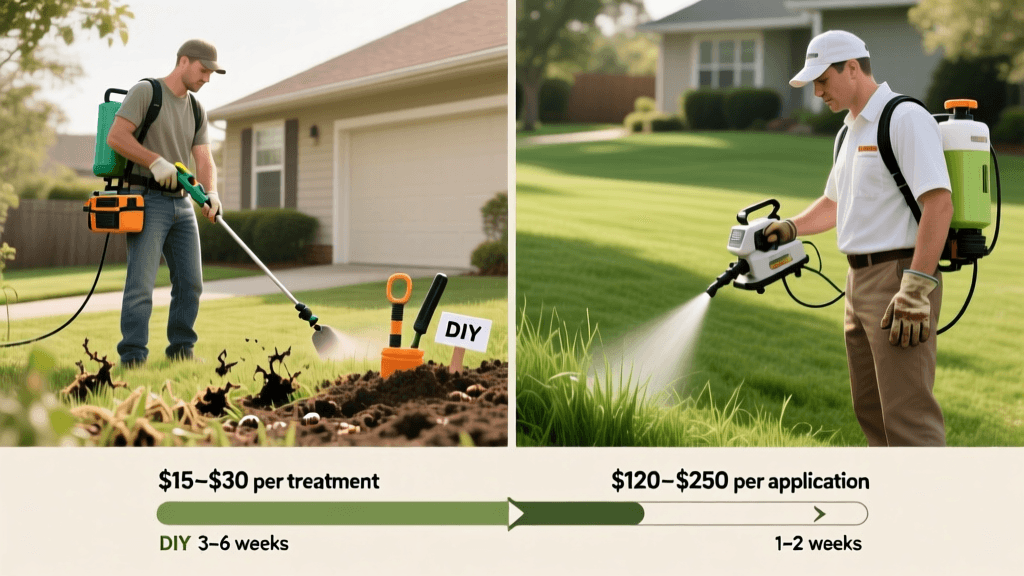
Budgeting for Lawn Grub Control: DIY vs Pro Costs
The Financial Impact of White Grubs on Your Lawn Budget
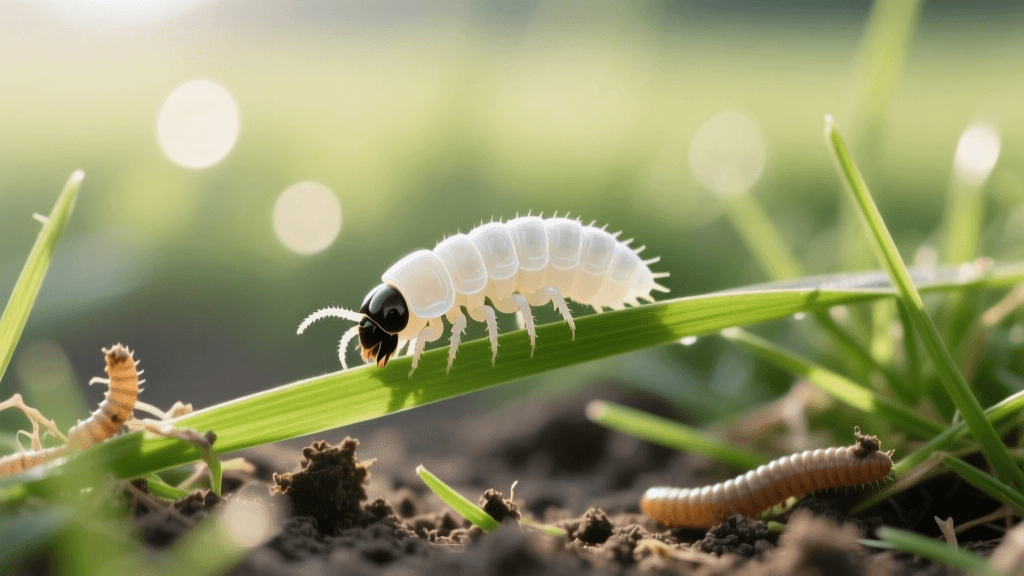
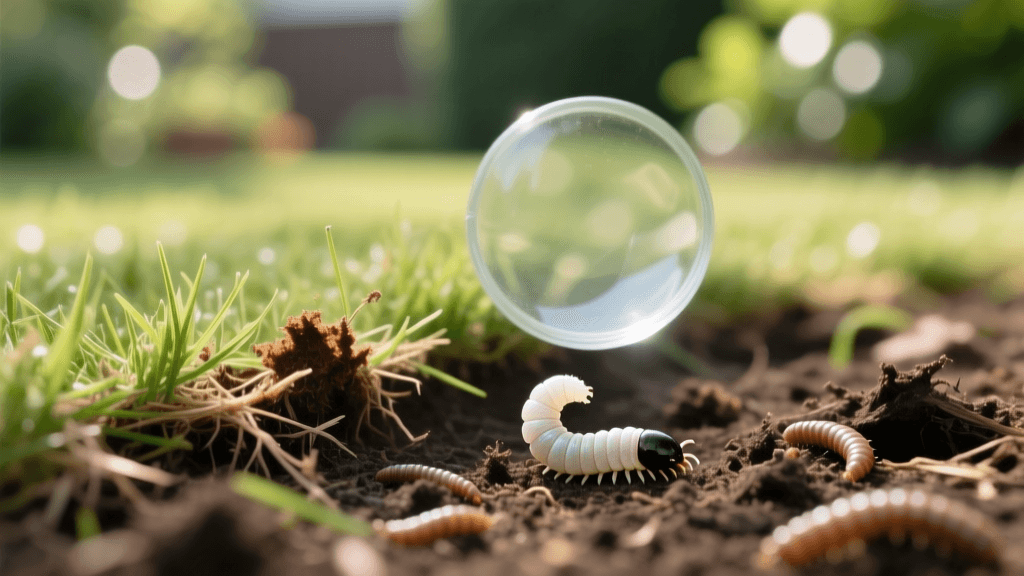
When planning an annual lawn care budget, homeowners often focus on fertilizers, aeration, and mowing. However, beneath the soil surface, a costly threat is quietly feeding on your turf's root system: the white grub. Grubs are the larval stage of various scarab beetles, including Japanese beetles, June bugs, and European chafers. If left unchecked, these pests sever the roots of your grass, leading to massive dead patches that are expensive to repair.
From a budgeting perspective, grub control is an exercise in risk management. The cost of preventative pest control is a fraction of the cost of lawn renovation. Replacing damaged sod can cost between $1.00 and $2.50 per square foot, meaning a 500-square-foot patch of destroyed lawn could cost you upwards of $1,000 to fix. Furthermore, grubs attract secondary pests like skunks, raccoons, and crows, which will tear up your turf to feast on the larvae, compounding the damage and the repair costs. Understanding the economics of grub control is the first step toward a cost-effective Integrated Pest Management (IPM) strategy.
DIY Grub Control: Product Costs and Budgeting
Taking the DIY route is the most budget-friendly approach to grub management, provided you are willing to invest the time in proper application and timing. DIY grub control products generally fall into three categories: preventative synthetics, curative synthetics, and biological organics.
Preventative Synthetic Treatments
Preventative treatments are the cornerstone of a cost-effective grub management plan. These products are applied in late spring or early summer and remain in the soil, killing grubs as they hatch and begin to feed. The most common and effective active ingredient is Chlorantraniliprole (widely available in products like Scotts GrubEx1). Another common preventative is Imidacloprid (found in various Bayer Advanced formulations).
- Average Cost: $22 to $30 per 5,000 square feet.
- Application Window: May through early July.
- Budget Tip: Buy in early spring before hardware stores mark up prices for the peak summer rush. Purchasing bulk bags that cover 10,000 to 15,000 square feet can lower your cost per square foot by up to 20%.
Curative Synthetic Treatments
If you missed the preventative window and notice brown, peeling patches of turf in late summer or early fall, you are dealing with an active infestation. Curative treatments use fast-acting chemicals like Trichlorfon (commonly known by the brand name Dylox) to kill mature grubs within 24 to 48 hours.
- Average Cost: $18 to $25 per 5,000 square feet.
- Application Window: August through October.
- Budget Tip: Curative treatments are generally cheaper per bag than preventatives, but they require heavy watering to activate and may require a second application if the infestation is severe, potentially doubling your chemical costs.
Organic and Biological Controls
For homeowners committed to organic lawn care, biological controls offer a sustainable, albeit sometimes slower, alternative. Beneficial Nematodes (specifically the Heterorhabditis bacteriophora strain) are microscopic worms that seek out and destroy grubs in the soil.
- Average Cost: $35 to $50 per 5,000 square feet.
- Application Window: Late summer to early fall.
- Budget Tip: Nematodes are living organisms. They must be shipped via expedited methods and kept refrigerated, which adds to the upfront cost. However, they are completely safe for pets, children, and beneficial earthworms, saving you potential costs associated with environmental remediation or pet health issues.
Professional Pest Control Costs
If your lawn exceeds 10,000 square feet, or if you simply lack the time and equipment to manage applications, hiring a professional lawn care service is a viable option. Professional services utilize commercial-grade chemicals that are often more potent and longer-lasting than consumer-grade products.
Most professionals do not offer standalone grub treatments; instead, they bundle grub control into comprehensive annual lawn care programs. A standard 5-to-7-step annual program for a 5,000-square-foot lawn typically ranges from $500 to $900. If priced as a standalone service, a single preventative grub application will cost between $125 and $250, depending on your geographic location and the company's overhead.
What You Are Paying For
When budgeting for a professional service, remember that you are paying for expertise, liability coverage, and guarantees. Most reputable companies offer a 'pest-free guarantee,' meaning if grubs damage your lawn despite their treatment, they will cover the cost of the chemical re-application and, in some premium contracts, subsidize the cost of sod replacement.
Cost Comparison Chart: DIY vs. Professional
The following table breaks down the estimated costs and return on investment (ROI) for various grub control methods on a standard 5,000-square-foot lawn.
| Treatment Method | Active Ingredient / Type | Avg. Cost (5k sq ft) | Best Timing | Budget ROI |
|---|---|---|---|---|
| DIY Preventative | Chlorantraniliprole | $22 - $30 | May - July | Excellent |
| DIY Curative | Trichlorfon | $18 - $25 | Aug - Oct | Moderate |
| DIY Organic | H. bacteriophora Nematodes | $35 - $50 | Aug - Sept | Good (Long-term) |
| Professional Service | Commercial Blends | $125 - $250 | Spring - Summer | Fair (High Convenience) |
| Lawn Renovation | Sod Replacement (Repair) | $500 - $1,250 | As needed | Poor (Reactive) |
Hidden Costs and Budget Traps to Avoid
When calculating your pest control budget, amateur applicators often overlook the hidden costs associated with improper preparation and application. Failing to account for these can turn a cheap DIY project into an expensive failure.
- Spreader Calibration and Purchase: To apply granular grub control evenly, you need a quality broadcast spreader. A basic spreader costs $50 to $80. If you apply the product too heavily, you will run out of chemicals before finishing the lawn, forcing a second trip to the store. If applied too lightly, you leave gaps where grubs will survive.
- Watering Requirements: Almost all granular grub treatments require immediate watering to wash the active ingredient into the soil root zone where the grubs live. If your municipality has strict summer watering restrictions, or if your water bill is exceptionally high, the cost of the 15 to 30 minutes of heavy irrigation required to activate the chemical must be factored into your budget.
- Thatch Removal: If your lawn has a thatch layer thicker than half an inch, the grub control granules will get trapped in the thatch and never reach the soil. Budgeting for a core aeration or dethatching rental ($80 to $150 per day) may be a necessary prerequisite for your pest control chemicals to work effectively.
Expert IPM Strategies to Maximize Your ROI
Integrated Pest Management (IPM) emphasizes monitoring and targeted intervention rather than blind, calendar-based chemical applications. By understanding the life cycle of the pests in your specific region, you can spend less money and achieve better results.
According to the Cornell University College of Agriculture and Life Sciences (CALS), preventative grub treatments are vastly more cost-effective than curative ones. CALS notes that applying Chlorantraniliprole in early summer targets grubs when they are small and most vulnerable, requiring lower chemical concentrations. Conversely, fall curative treatments require harsher chemicals, yield lower efficacy rates on mature grubs, and often result in wasted budget and subsequent lawn renovation costs.
To implement an IPM approach on a budget, practice threshold monitoring. In early spring, use a standard garden shovel to cut a one-square-foot section of your lawn about three inches deep. Sift through the soil and count the grubs. If you find fewer than five grubs per square foot, your lawn can likely tolerate the damage without expensive chemical intervention. If you find more than ten grubs per square foot, the economic threshold has been crossed, and investing in a preventative treatment is financially justified.
Conclusion: Planning Your Annual Pest Budget
Budgeting for lawn grub control is ultimately about prioritizing proactive spending over reactive repairs. For the average homeowner, allocating $25 to $35 in early summer for a high-quality DIY preventative treatment like Chlorantraniliprole offers the highest return on investment. It protects the structural integrity of your turf, deters destructive wildlife, and saves you from the exorbitant costs of fall sod replacement. By measuring your lawn accurately, calibrating your equipment, and timing your application to coincide with the local grub life cycle, you can maintain a pristine, pest-free lawn without breaking your annual landscaping budget.