Pest Control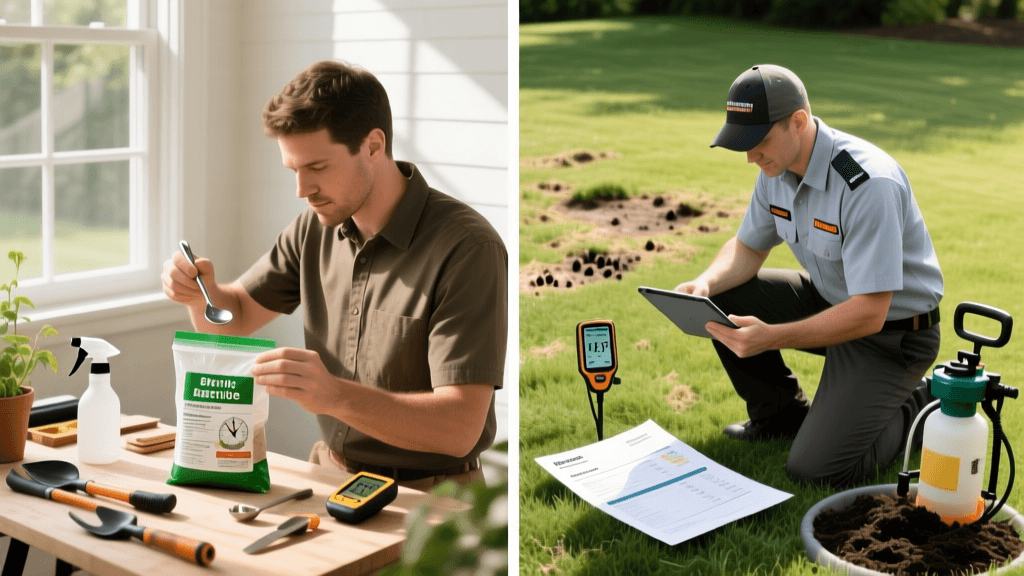
The True Cost of Lawn Grub Control: DIY vs Professional Services
The Financial Impact of Lawn Grubs
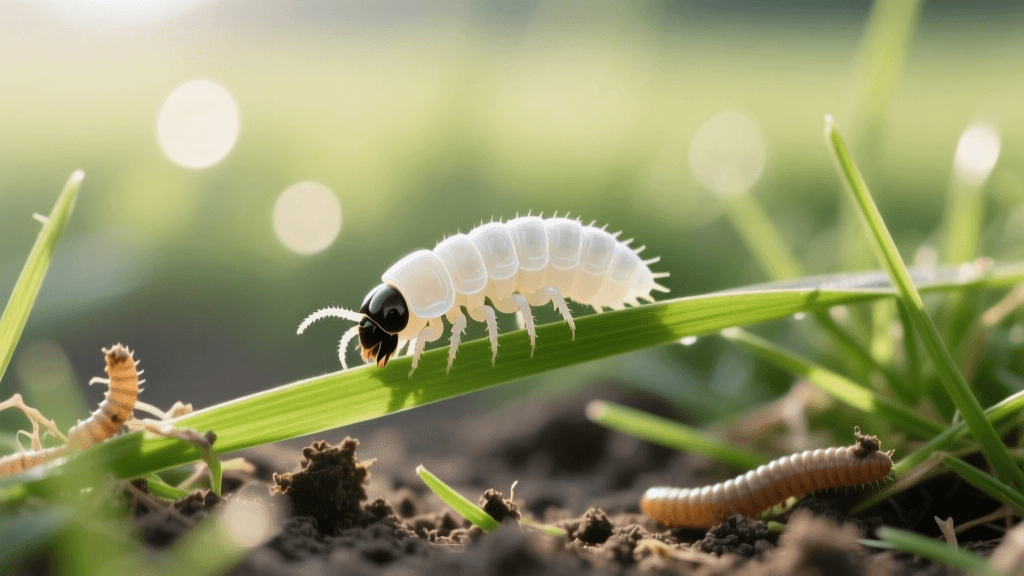
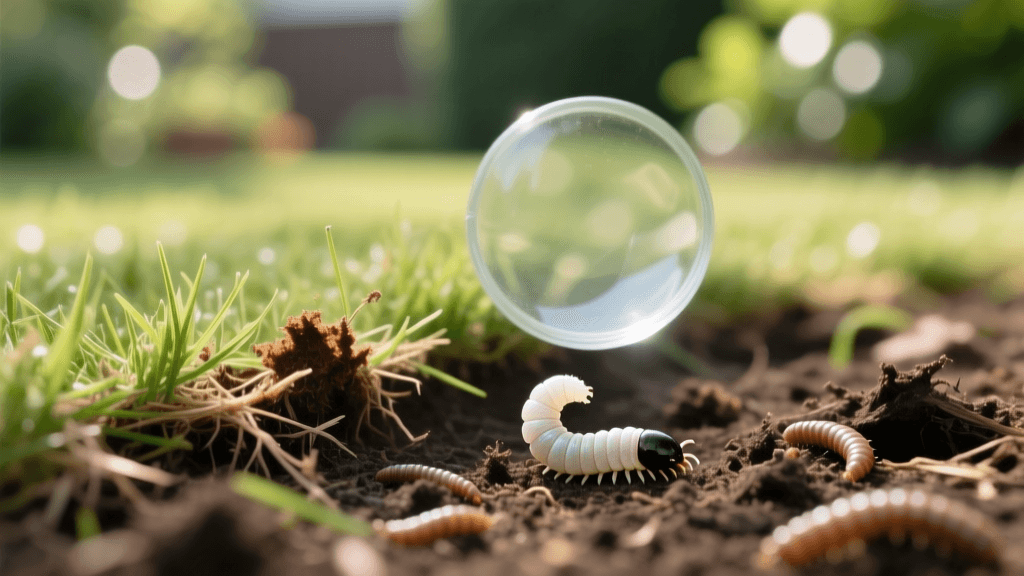
When it comes to lawn care, few pests cause as much expensive, widespread damage as white grubs. These C-shaped larvae of Japanese beetles, June bugs, and European chafers feed aggressively on grassroots, leading to brown, dead patches that can easily be rolled back like a carpet. For homeowners, the question is rarely just about how to kill grubs, but how to manage the financial impact of an infestation. Budgeting for grub control requires understanding the difference between preventative and curative treatments, the cost of DIY products versus professional services, and the hidden expenses of ignoring the problem altogether.
In this comprehensive cost and budgeting guide, we will break down the exact expenses associated with lawn grub control, compare popular chemical and organic products, and help you decide whether a DIY approach or a professional lawn care service offers the best return on investment for your landscape.
Understanding the Grub Life Cycle and Treatment Timing
Timing is everything in pest control, and applying the wrong product at the wrong time is the fastest way to waste your hard-earned budget. Grubs have a distinct annual life cycle that dictates your purchasing decisions and overall lawn care strategy. If you miss the application window, you are essentially throwing money into the wind.
- Preventative Treatment (Late Spring to Early Summer): Applied before eggs hatch. Products containing slow-acting active ingredients like chlorantraniliprole or imidacloprid are absorbed by the roots and kill young grubs as they begin feeding. This is the most cost-effective chemical strategy because it stops damage before it starts.
- Curative Treatment (Late Summer to Early Fall): Applied when grubs are actively feeding and causing visible damage. Fast-acting knockdown insecticides like trichlorfon are required. These products are generally more expensive per application, require more frequent watering, and often fail to save turf that has already been severely damaged.
- Biological Control (Spring or Fall): Beneficial nematodes or milky spore disease can be applied to establish long-term, organic population control. While the upfront cost is higher, the long-term budget impact is minimal as these organisms reproduce and persist in the soil environment for years.
DIY Grub Control: Product Costs and Application
The DIY route is highly appealing for budget-conscious homeowners who enjoy working in their yards. To calculate your true costs, you must measure your lawn's exact square footage and buy products based on coverage area rather than just the sticker price on the bag. Below is a detailed breakdown of the most common DIY grub control products, their active ingredients, and average retail costs you can expect to pay at your local garden center.
DIY Grub Control Cost Comparison Chart
| Product Type | Active Ingredient / Organism | Average Cost (per 5,000 sq. ft.) | Application Timing | Best For |
|---|---|---|---|---|
| Preventative Granular | Chlorantraniliprole (e.g., Scotts GrubEx) | $22 - $28 | April - June | Long-term prevention, safe for earthworms |
| Preventative Granular/Liquid | Imidacloprid (e.g., Bayer Advanced) | $18 - $25 | May - July | Broad-spectrum grub and insect control |
| Curative Granular | Trichlorfon (e.g., Dylox/Bayer 24-Hour) | $25 - $35 | August - October | Active, visible infestations |
| Biological Nematodes | Heterorhabditis bacteriophora | $35 - $50 | August - September | Organic gardens, eco-friendly lawns |
| Milky Spore | Paenibacillus popilliae | $40 - $60 | Spring / Fall | Long-term Japanese beetle grub control |
Equipment and Hidden DIY Costs
When budgeting for DIY pest control, do not forget the equipment required for proper application. If you are using granular products, a broadcast spreader is mandatory for even coverage. A high-quality rotary spreader costs between $40 and $80. While this is a one-time capital expense, it must be factored into your first-year budget. Furthermore, you must calibrate your spreader to ensure you are not over-applying, which wastes expensive product, or under-applying, which leaves your lawn vulnerable. Additionally, curative treatments like trichlorfon require immediate and deep watering (at least one-half inch of water) to move the chemical into the soil zone where grubs feed. This will cause a slight but noticeable bump in your monthly municipal water bill.
Professional Grub Control Services: What to Expect
If you prefer to outsource your pest management, professional lawn care companies offer grub control as either a standalone service or, more commonly, as part of a comprehensive annual fertilization and weed control program. The national average cost for professional grub control ranges from $150 to $300 per season for an average-sized lawn (5,000 to 10,000 square feet). Most reputable companies use commercial-grade preventative products containing imidacloprid or clothianidin, which are applied in early summer. Bundling grub control with your standard lawn care program often results in a 10% to 15% discount compared to purchasing it as an a la carte service.
Pros and Cons of Professional Treatment
- Pros: Guaranteed application timing, commercial-grade products not available at retail, no equipment to buy or store, and often includes a re-treatment guarantee if grubs breach the chemical barrier.
- Cons: Higher annual recurring costs, less control over the specific chemicals used (which may concern eco-conscious homeowners), and potential scheduling delays during peak spring application windows when companies are overwhelmed with calls.
DIY vs. Professional: The 5-Year Budget Analysis
To truly understand the financial impact, let us project the costs over a five-year period for a 7,500 square foot lawn, assuming no major inflation in product pricing.
- DIY Preventative (Chlorantraniliprole): Approximately $35 per year multiplied by 5 years equals $175 (plus $50 for a spreader in Year 1). Total 5-year cost: $225.
- DIY Organic (Beneficial Nematodes): Approximately $60 per year multiplied by 5 years equals $300. Total 5-year cost: $300. (Requires annual reapplication due to environmental die-off and soil temperature fluctuations).
- Professional Service: Approximately $200 per year multiplied by 5 years equals $1,000. Total 5-year cost: $1,000.
As the math clearly illustrates, the DIY preventative route is vastly more economical over the long term. However, professional services offer immense value in time savings and peace of mind, particularly for homeowners who travel frequently, have demanding careers, or lack the physical ability to push a heavy spreader across uneven terrain.
The Hidden Costs of Ignoring Grubs
The most expensive mistake a homeowner can make is adopting a reactive wait and see approach. If you ignore a preventative budget of $30 a year, you risk a severe curative infestation. The financial fallout includes:
- Curative Chemicals: Emergency trichlorfon treatments cost 30% to 50% more than preventatives and require multiple applications if the hatching window is extended by weather anomalies.
- Lawn Renovation: Grubs sever the roots completely. Dead turf will not recover with water or fertilizer. You will be forced to purchase topsoil, grass seed, or expensive sod. Sod replacement costs between $1.00 and $2.00 per square foot installed. Replacing a 1,000 square foot damaged area can easily cost $1,500 in labor and materials.
- Secondary Pest Damage: Animals like raccoons, skunks, and crows will actively dig up and destroy your lawn to eat the grubs, turning a minor pest issue into a massive landscape reconstruction project that requires heavy raking, reseeding, and extensive cleanup.
Expert IPM Guidelines: Do You Even Need to Treat?
Integrated Pest Management (IPM) dictates that we should only spend money on chemical controls when a pest population reaches an economic or aesthetic injury threshold. Not every single grub requires a financial response, and treating a lawn that is below the damage threshold is a complete waste of your budget and potentially harmful to the local ecosystem.
A healthy lawn can typically tolerate a feeding of 5 to 10 grubs per square foot without showing visible damage. Treatment is only recommended when sampling reveals populations exceeding this threshold, or if secondary animal damage is occurring.
-- Penn State University Extension, Department of Entomology
How to sample your lawn on a budget: Use a flat-edged shovel to cut a 1-foot by 1-foot square of turf, about 3 inches deep. Peel it back like a carpet and count the grubs in the soil and roots. Replace the turf and water it. Repeat this in three different areas of your yard. If your average count is under 5 grubs per square foot, save your money and skip the treatment. Focus your budget on proper lawn fertilization and deep, infrequent watering to promote deep root growth that can outpace minor grub feeding.
Final Budgeting Takeaways
Effective grub control does not require an unlimited budget; it requires strategic timing and smart product selection. By investing $25 to $35 annually in a high-quality preventative granular treatment applied in early summer, you can protect your lawn from catastrophic root loss and avoid the exorbitant costs of emergency curative treatments and sod replacement. Measure your lawn accurately, adhere to university-backed IPM thresholds, and choose the application method that best aligns with your financial and environmental priorities.